
Twelve years without Rilwan: justice promised, truth withheld
A disappearance became a murder without a body or an explanation.
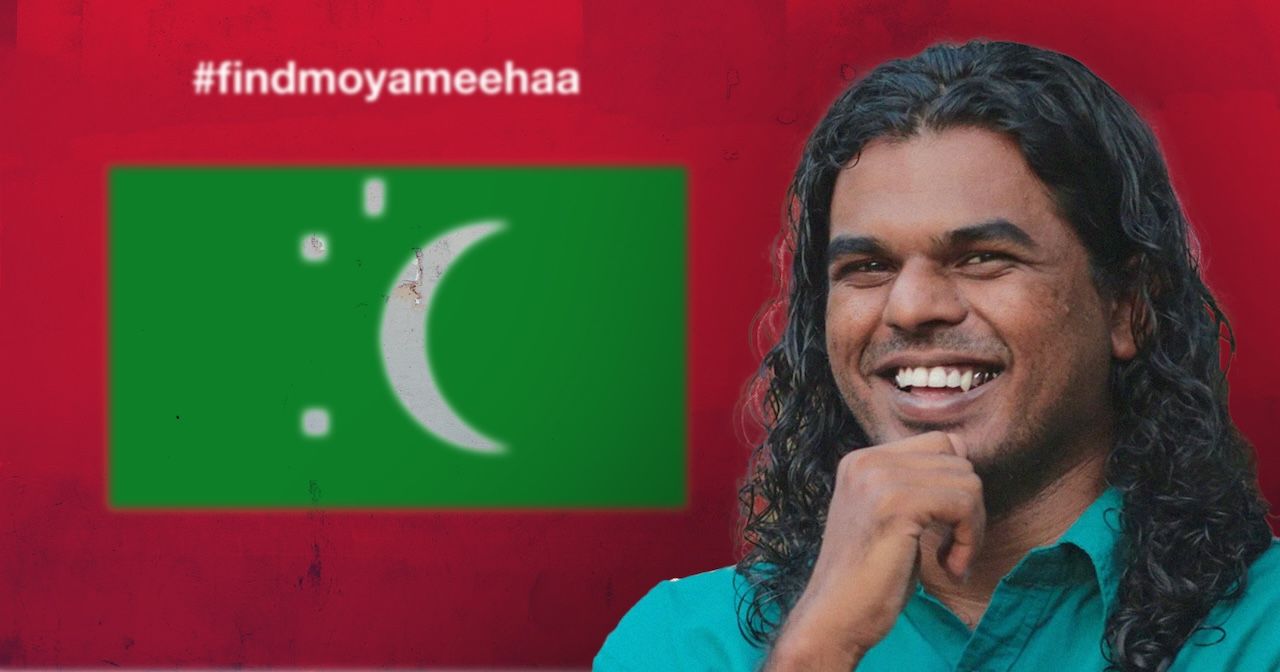
Artwork: Dosain
The contradictions at the heart of the DDCOM
The Commission commenced work on 25 November 2018 and was confident that they could conclude their work by April 2019 – a period of less than six months.
That they would receive assistance from the United States Federal Bureau of Investigation (FBI) and had received offers of support from the Western Australian Police as well as an International NGO.
The goal of their investigations was establishing due process rather than prosecution.
The contradiction in the first point is self-explanatory as we are now in the eighth year without answers since the DDCOM was established.
It is true that an NGO provided a consultant to guide the investigation; however, the Commission’s work still depended on police investigators and forensic examinations conducted by the Maldives Police Service. Given that reliance, what materially different outcome could reasonably have been expected?
For all its time and resources, the Commission's work was reduced to pursuing six people across two unsuccessful rounds of charges. Left un-investigated, or unaccounted for in any public findings, are questions surrounding allegations that go to the heart of how Rilwan's disappearance was allowed to happen and then covered up:
The role of police negligence in the original investigation.
The former judge, Immigration officials, and police involved in attempting to falsify Rilwan’s passport.
The intelligence police who tailed Rilwan before his disappearance.
The violent threats made against Rilwan's family and witnesses.
The alleged roles of senior government officials, including then-President Abdulla Yameen Abdul Gayoom, in aiding and/or protecting the perpetrators.
The issues of neglect highlighted by the Criminal Court judge in 2018 during the acquittal of three men charged in relation to Rilwan’s abduction, including mishandled chain of custody of evidence and failure to submit registration documents proving ownership of the car that was used to abduct him.
Ahmed Adeeb, Yameen's former vice president, whose phone records showed he had texted a Criminal Court judge with the names of suspects while they were in police custody – after which the judge ordered their release, which was followed by their exit from the country.
The Prosecutor General's rejection of cases related to Rilwan’s abduction and the absence of any appeal following the court-ordered release of suspects and dismissal of charges by the Criminal Court.
Sensationalism over victims’ rights
The investigation into the enforced disappearance of Rilwan was close to completion.
Evidence, corroborated by witness statements, point to Rilwan having been forced onto a boat and murdered at sea.
Rilwan’s murder was premeditated, connected to the murders of Dr Afrasheem Ali and Yameen Rasheed, and linked to an Islamic extremist group. In fact, Al-Qaeda was named.
Rilwan had been abducted, forced onto a boat, murdered, and dropped into the ocean.
It named six suspects, all of whom, it claimed, had travelled to Syria to fight and died there – although no record of their deaths exists.
It alleged connections between the case and former President Yameen and officials in his government.
Enforced disappearance or murder?
Six suspects: three failed indictments and three dismissed charges
Solih’s reward for the men his own commission implicated
Discussion
No comments yet. Be the first to share your thoughts!
No comments yet. Be the first to join the conversation!
Join the Conversation
Sign in to share your thoughts under an alias and take part in the discussion. Independent journalism thrives on open, respectful debate — your voice matters.
Support Independent Journalism
Help us keep the news free and fearless
Give once