
The Maldives conducted a historic ocean use survey. What has it done with the results?
Unchecked infrastructure projects abound while plans for marine protection stall.
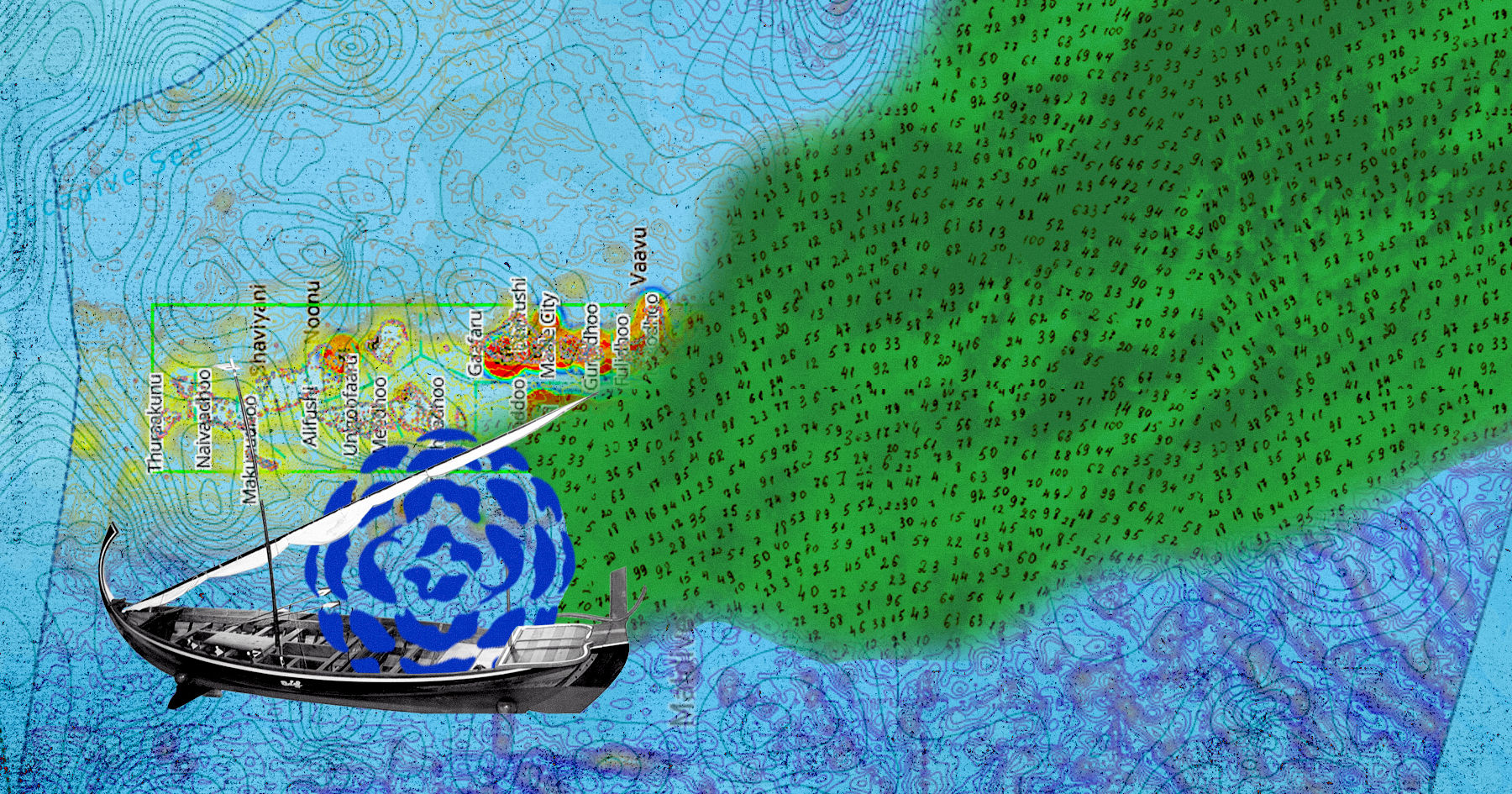
Artwork: Dosain
09 Jun, 21:30
On World Ocean Day this week, Fisheries Minister Ahmed Shiyam delivered a message of promise for sustainable ocean development in the face of rising pressures and a warming climate.
He noted that the UN’s Decade of Ocean Science for Sustainable Development was seeing the world unite to research marine areas in order to protect the environment, food security and local livelihoods.
“This includes researching oceans, reefs, lagoons and their marine life, training people to do this work, innovating new technologies and gathering information about ocean users,” he said.
“To be a self-sufficient country in this changing world, we cannot delay the work of ensuring food security and diversifying our economy,” he added. “We must think hard and innovate ways to benefit from our biggest asset.”
But the Maldives has already completed an unprecedented ocean-use survey, taking four years and millions of dollars to develop a legally-binding marine spatial plan to reduce conflicts between ocean users and lead to the protection of 20 percent of the country's waters.
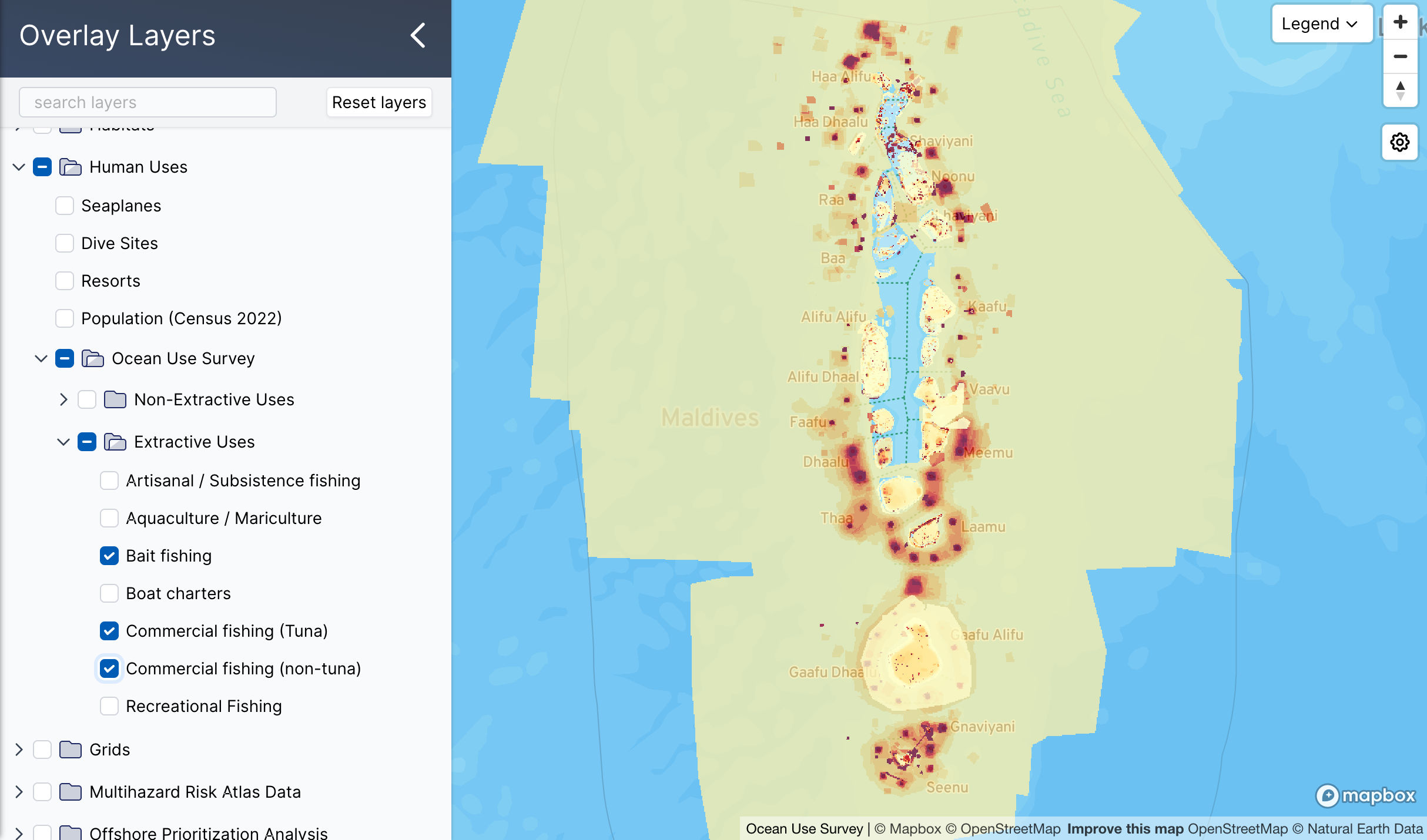
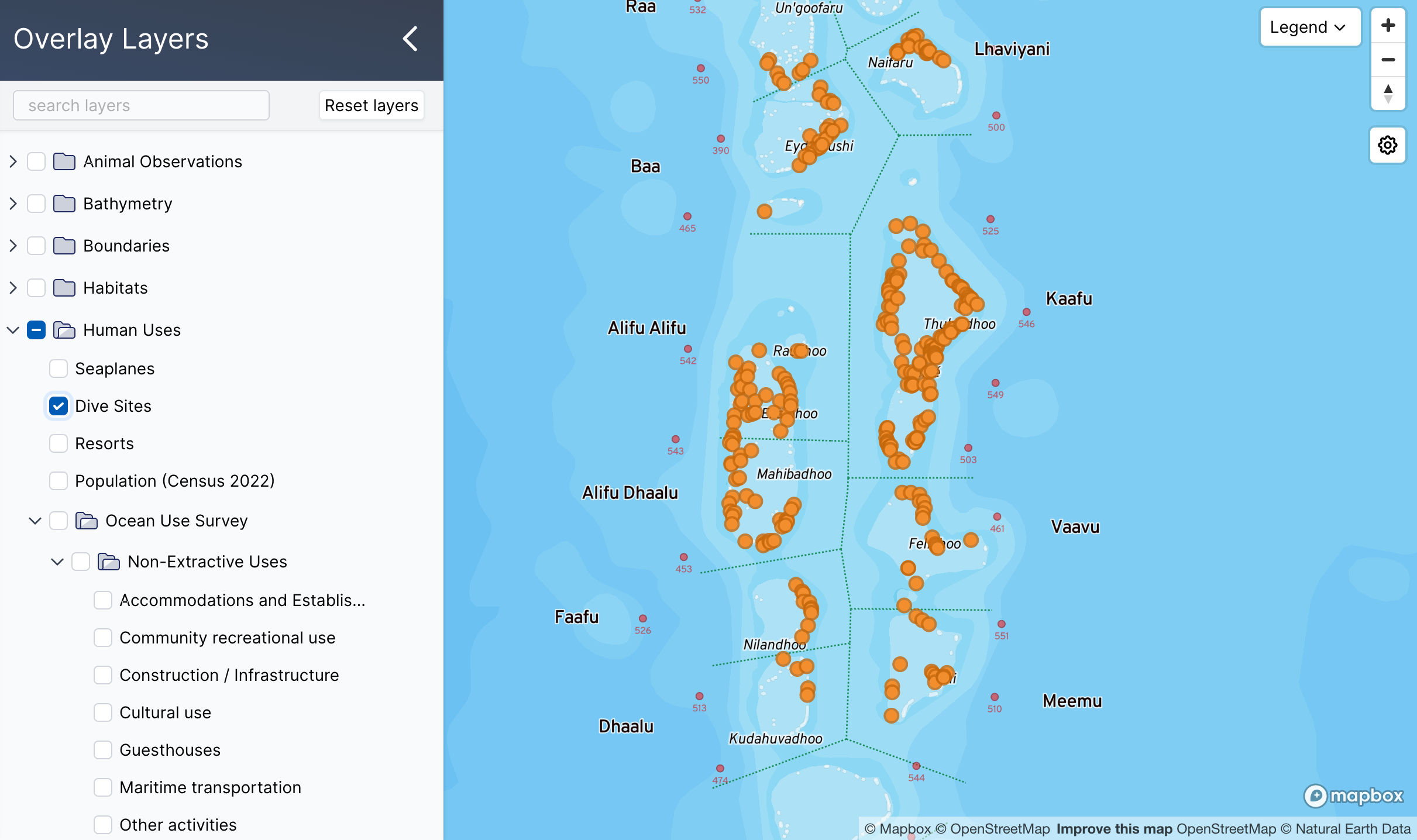
Noo Raajje’s Ocean Use Survey project – described as the largest of its kind in the world – was completed in 2022, having gathered almost 5,000 responses from across the atolls, mapping where and how Maldivians fish, dive and operate tourism businesses. The resulting dataset identified key fishing grounds, dive sites, reefs, seagrass habitats and areas of economic and ecological importance.
Six years after the initiative was announced, no protective marine spatial plan has emerged and there seems little political will in the current government to carry it forward. The Maldives Independent understands the project is now on hold. Meanwhile, large-scale reclamation and infrastructure projects continue at a rapid pace, often proceeding with little regard for existing protected areas and without making use of Noo Raajje’s data.
The consequences were highlighted last week in a study published in the Maldives Journal of Engineering and Technology that found the Maldives had reclaimed 4,198 hectares of land between 2000 and 2024 – an area larger than all land reclaimed across Europe and Africa during the same period. The study also identified a pattern of reclamation projects initiated around election cycles, with the authors warning that development was taking place in the absence of legal frameworks.
This trend was also evident this month as the climate change ministry fast-tracked reclamation for a road construction project in Addu, redrawing the boundaries of the Addu Nature Park just before a council by-election. Over the past several months, the areas of multiple protected sites have been changed – some with the obvious intention of initiating infrastructure development.
While the Maldives stalls on frameworks to prioritise and vet such projects, other island nations are moving ahead with their protection efforts. In the past two years, the Waitt Institute – a primary partner in the Noo Raajje initiative – has successfully supported both Bermuda and Samoa in creating their own marine spatial plans.
Historic survey
The Noo Raajje project, meaning ‘blue country’ in Dhivehi, was launched in 2020 as a five-year partnership between the Maldivian government and the Blue Prosperity Coalition, a global initiative that helps countries develop sustainable ocean management plans. The coalition was founded by American technology entrepreneur and philanthropist Ted Waitt through the Waitt Foundation, with the Maldives formally joining the initiative in 2019.
President Ibrahim Mohamed Solih’s administration said the programme would continue until 2024 and was to include scientific expeditions, policy development and nationwide consultations to improve management of marine resources. The creation of a legally-binding marine spatial plan covering the Maldives' Exclusive Economic Zone (EEZ), protecting a fifth of this area, was a key component.
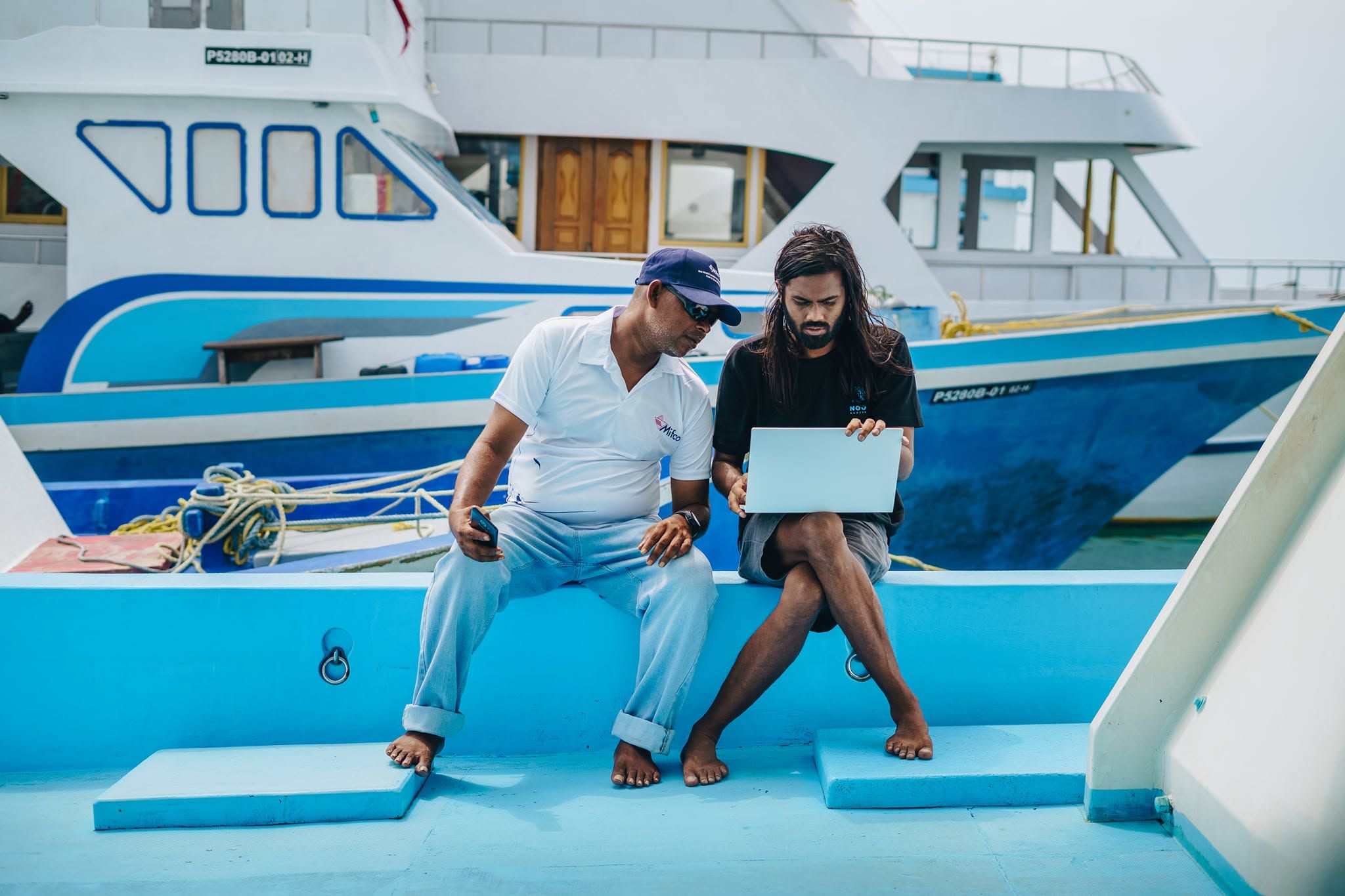
To support that effort, the Noo Raajje team carried out surveys between 2021 and 2022, visiting 189 inhabited islands and collecting 4,924 sector responses from 4,604 individuals. They captured spatial data representing 25,330 ocean users across the Maldives' 20 administrative atolls. In March 2023, a comprehensive report of the Ocean Use Survey was released along with heatmaps to show how ocean spaces were being used.
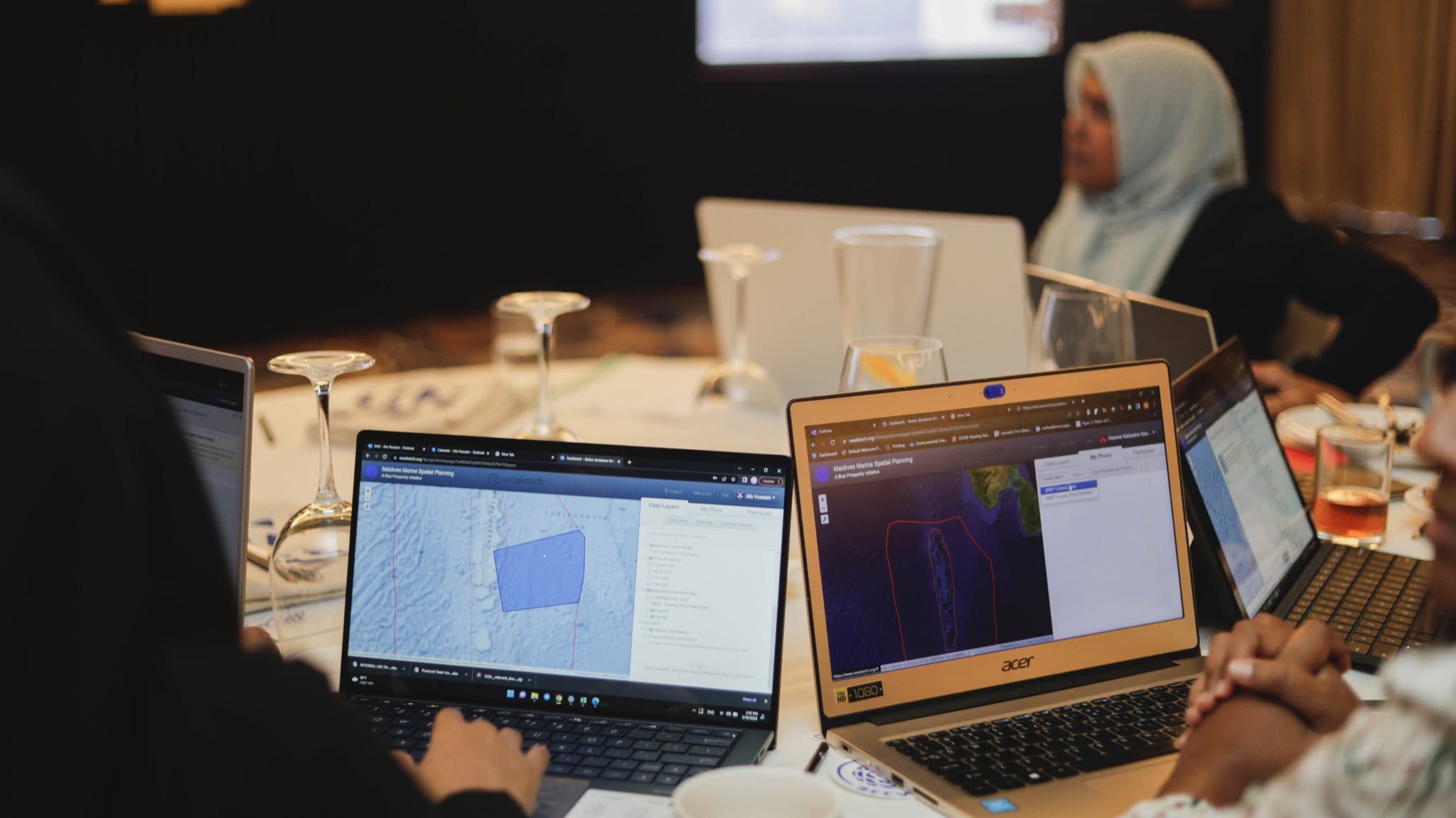
The information was entered into a planning platform known as SeaSketch, converting survey responses into weighted spatial maps. Noo Raajje subsequently estimated that 71 percent of Maldivians rely directly on the ocean as a primary source of household income.
"Complicated"
Following the Ocean Use Survey, the Noo Raajje team, led by the Waitt Institute, presented a proposal to the then-government to protect 20 percent of offshore waters – those outside the atolls but within the Maldives EEZ – but a final agreement was not reached during the MDP administration.
Senior officials who worked on the project told the Maldives Independent it proved difficult to reach an agreement for ‘no-take’ areas that prevent any sort of fishing.
“They [Waitt Institute] always stressed the need for marine spatial planning to be a very consultative process,” said Sabra Noordeen, the former administration’s special envoy for climate change. “Especially in relation to fully protected/no take zones, because you’re basically asking communities, people, not to do something in places they have regularly accessed for their livelihoods or leisure.”
Despite many consultations at the community and cabinet level, she described the process as “challenging” due to competing priorities from different industries but also different government ministries. The fisheries, environment, tourism, planning and infrastructure ministries were all affected while local councils also had a stake in the proposed areas, she said.
“You have to understand the context back then, a lot of people were trying to get their economies back on track after Covid, areas (in other countries) that were previously protected were reversing their protections and we were trying to push a very sustainable agenda at an economically difficult time.”
Despite this, legislation was prepared for governing an offshore protection area in the future and plans developed for a pilot programme. Although the bill reached the Majlis, it was not taken up by the incoming government in 2023.
“I don’t believe that piece of legislation was a priority for the legislative agenda of the incoming government,” she said. “It would have been very interesting to see how that Parliamentary debate went, especially in relation to the findings of the marine spatial planning survey”.
The current status of the Noo Raajje project has not been revealed by the government, and the last publicly available information shows a meeting between then-environment minister Thoriq Ibrahim, the Noo Raajje team and a Waitt Institute official in December 2023. The Institute directed questions on the project’s current status to the government and said the survey data was being used to identify resource use and for environment impact assessments.
Speaking yesterday, Shiyam said the country should aim to “conduct research about our oceans, identify what lies beneath them, and find sustainable ways to diversify our economy”.
“My hope is that Maldivians will be at the forefront of researching the richness of our marine biodiversity and learning how to use our ocean resources to diversify our economy,” he said. “I can guarantee the ministry’s full cooperation to achieve this.”
Inquiries from the Maldives Independent sent to the minister regarding the marine spatial plan also received no response.
Discussion
No comments yet. Be the first to share your thoughts!
No comments yet. Be the first to join the conversation!
Join the Conversation
Sign in to share your thoughts under an alias and take part in the discussion. Independent journalism thrives on open, respectful debate — your voice matters.
Support Independent Journalism
Help us keep the news free and fearless
Give once
$
or
Become a memberfrom $5/month