
Hoarafushi's seagrass meadow is teeming with life. The council wants to bury it.
Eagle rays, reef sharks, and a reclamation plan.
Artwork: Dosain
10 Mar, 14:52
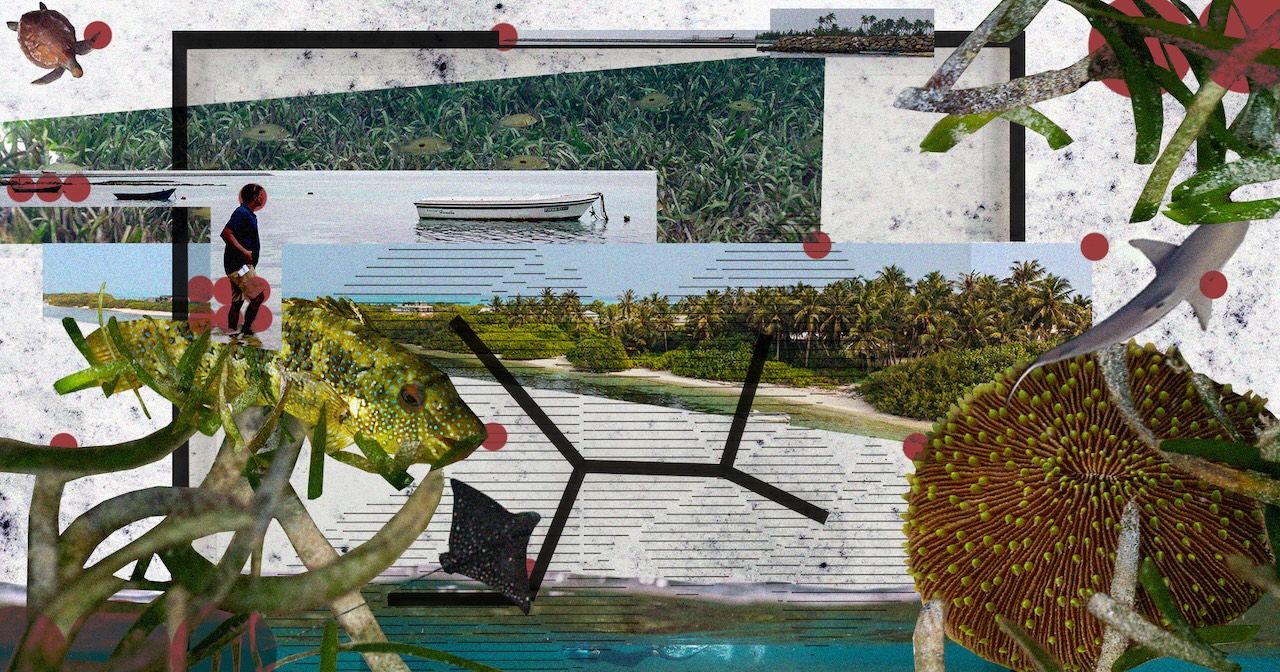
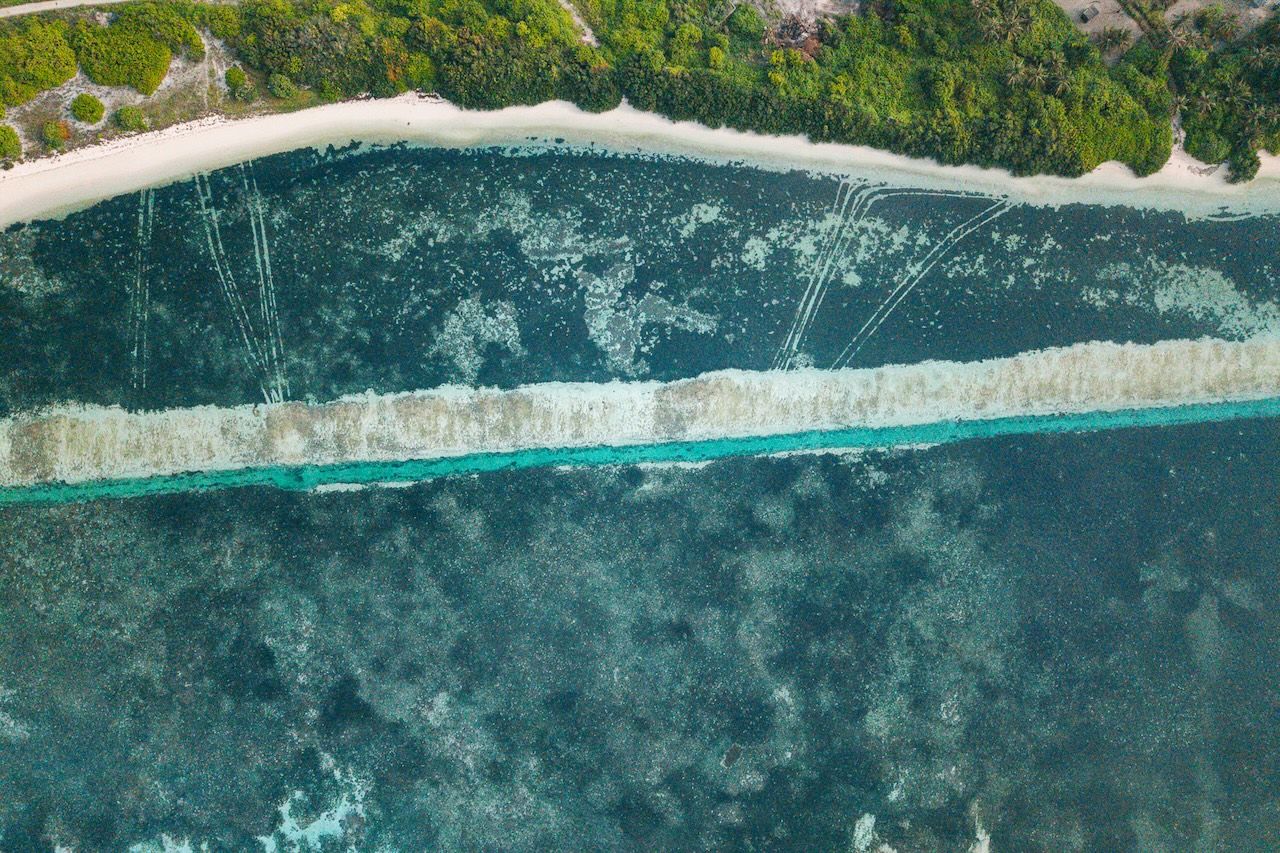
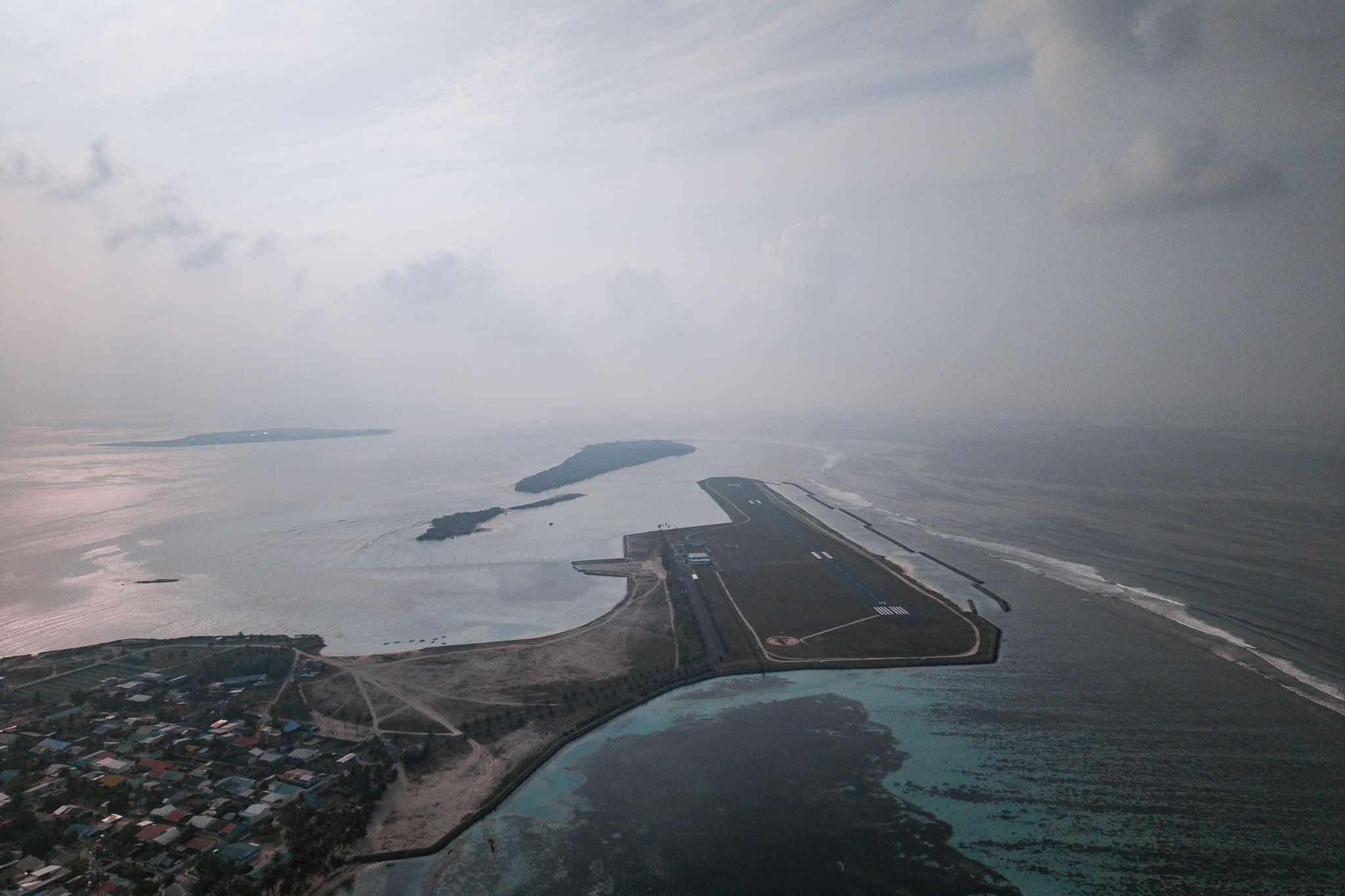
From above, the coast of Hoarafushi looks like a painting. The turquoise of the shallows blends into the dark green of the seagrass. Within five minutes of a drone survey, we spotted eagle rays slowly gliding across the meadow, followed by hawksbill and green turtles, and a juvenile blacktip reef shark that weaved cautiously through the grass.
The meadow covers approximately 452,339 square metres, making it one of the largest seagrass habitats in the region. The Hoarafushi island council is considering burying it under reclaimed land.
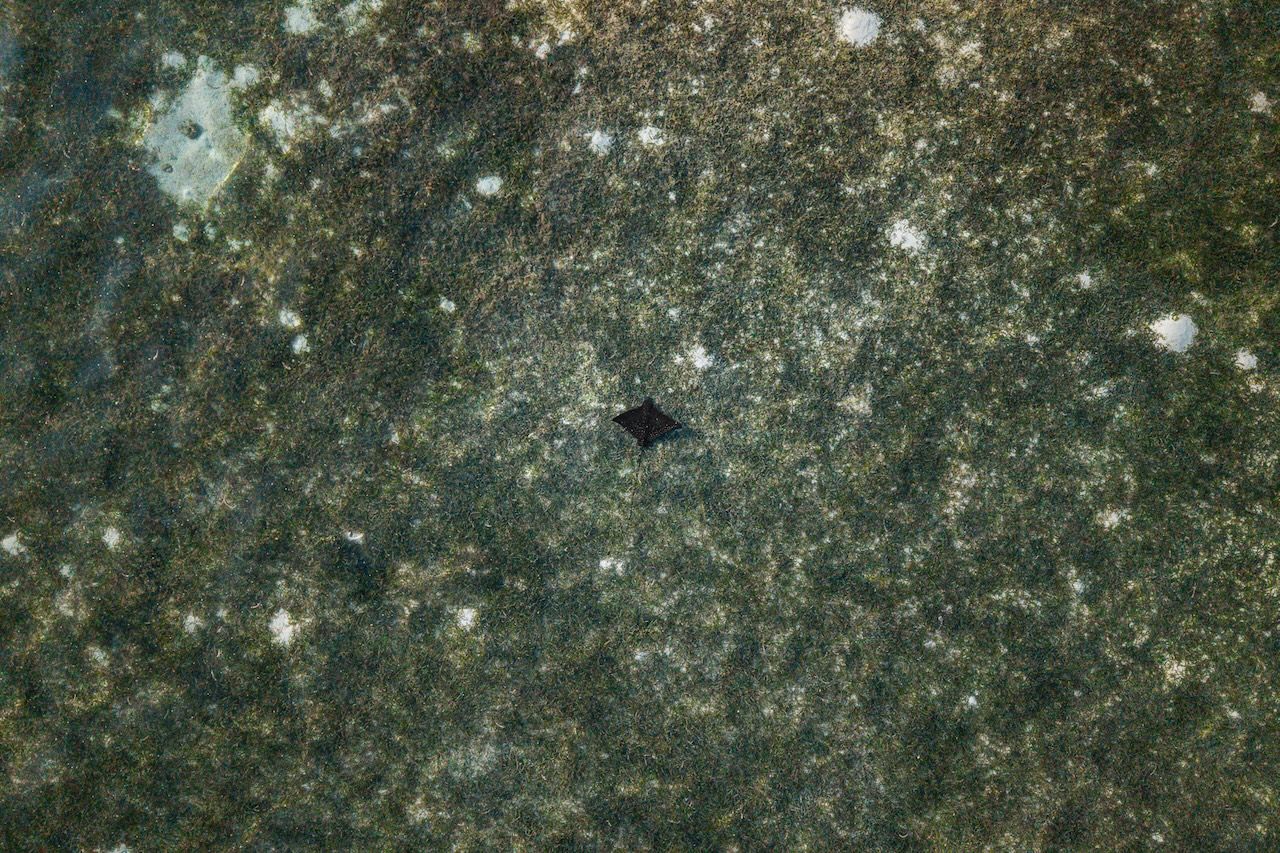
I visited the island in December after being informed that the council was considering reclaiming the seagrass meadow adjacent to the island. I joined Bethany Wilkinson, a marine biologist surveying the meadow, after concerns were raised locally about the scale of the proposal and its potential impact.
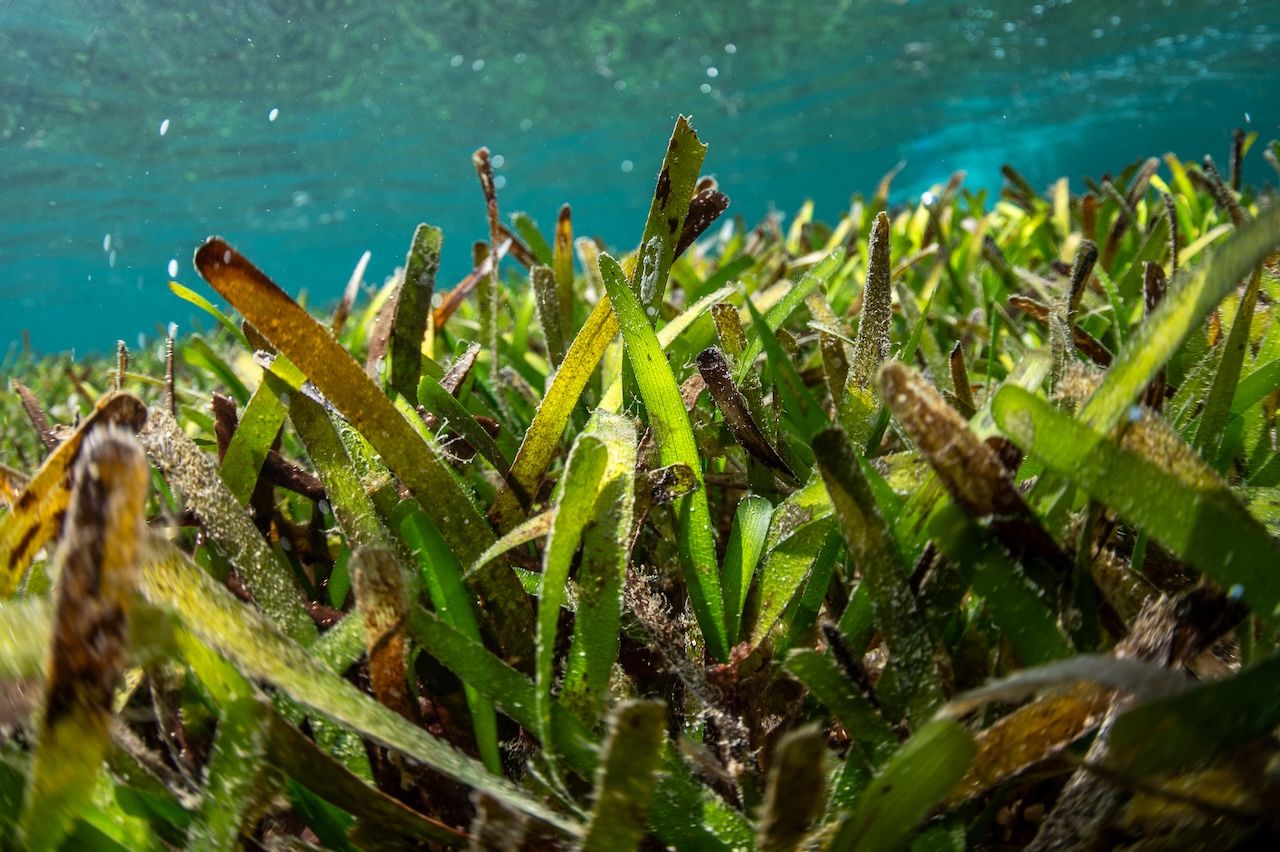
This northernmost part of the Maldives is rich in megafauna, particularly where seagrass thrives. Not only do seagrass ecosystems support our local biodiversity, they also rank amongst the most efficient natural carbon sinks on earth. With their ability to sequester CO2 through photosynthesis, seagrass meadows are thought to account for up to 18 percent of the ocean’s capacity to store carbon – despite only occupying 0.2 percent of the sea – at a rate 35 times faster than tropical rainforests.
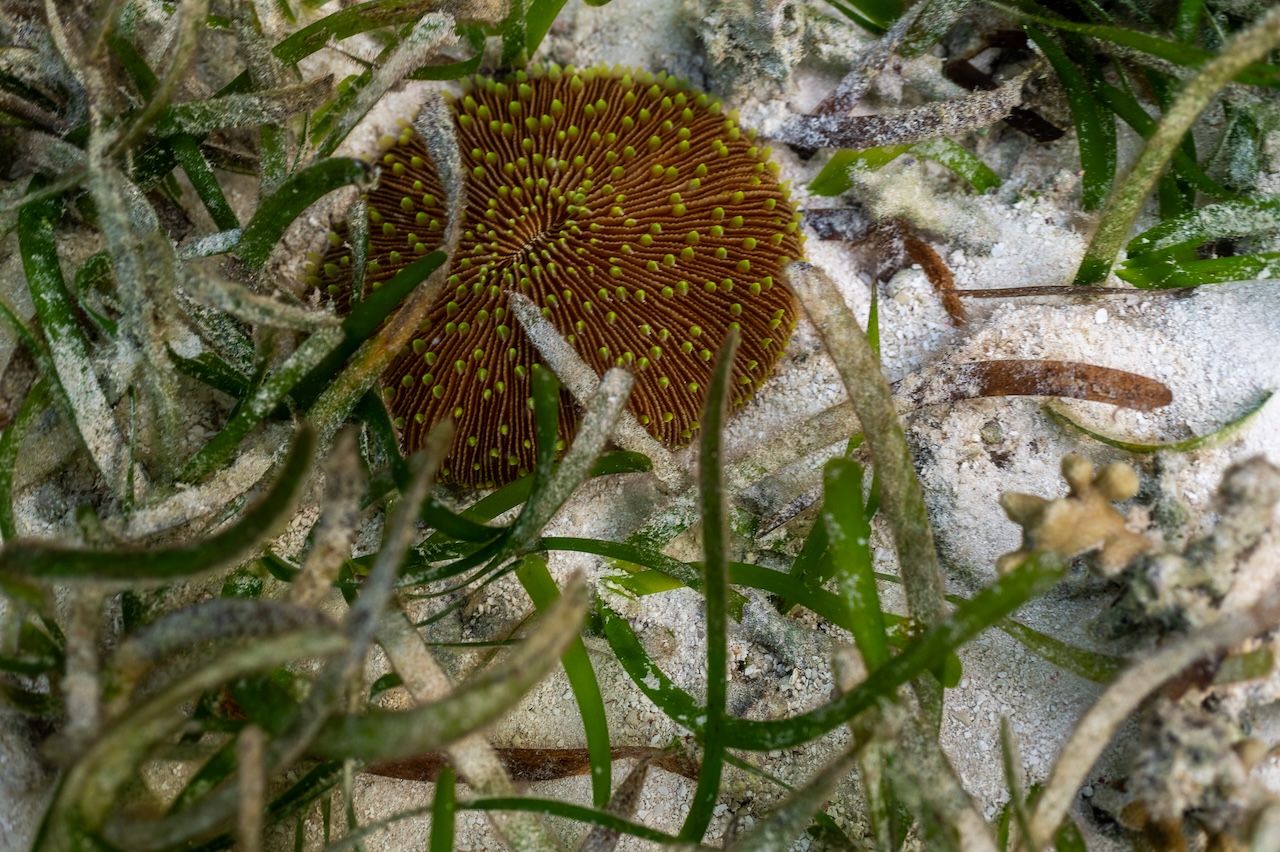
During Wilkinson’s initial survey of the area, using a drone and an underwater 360-degree camera placed at three different points of the dense meadow over five days, we observed a thriving ecosystem. At least three of the Maldives’ eight known seagrass species were identified. Aside from green turtles, known to be highly populated in Haa Alif atoll, and the hawksbill, which is critically endangered, other megafauna included reef sharks, eagle rays, and both common and feather tail stingrays.
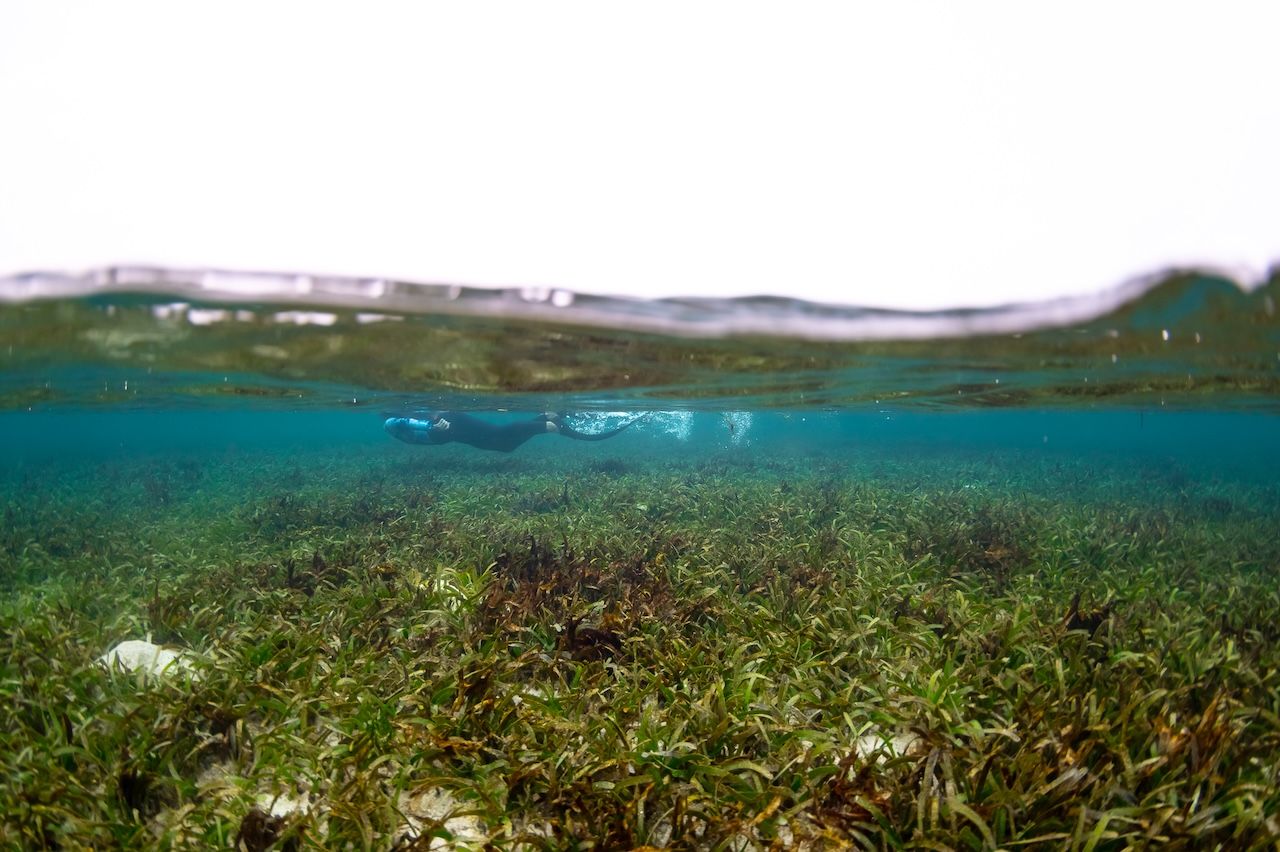
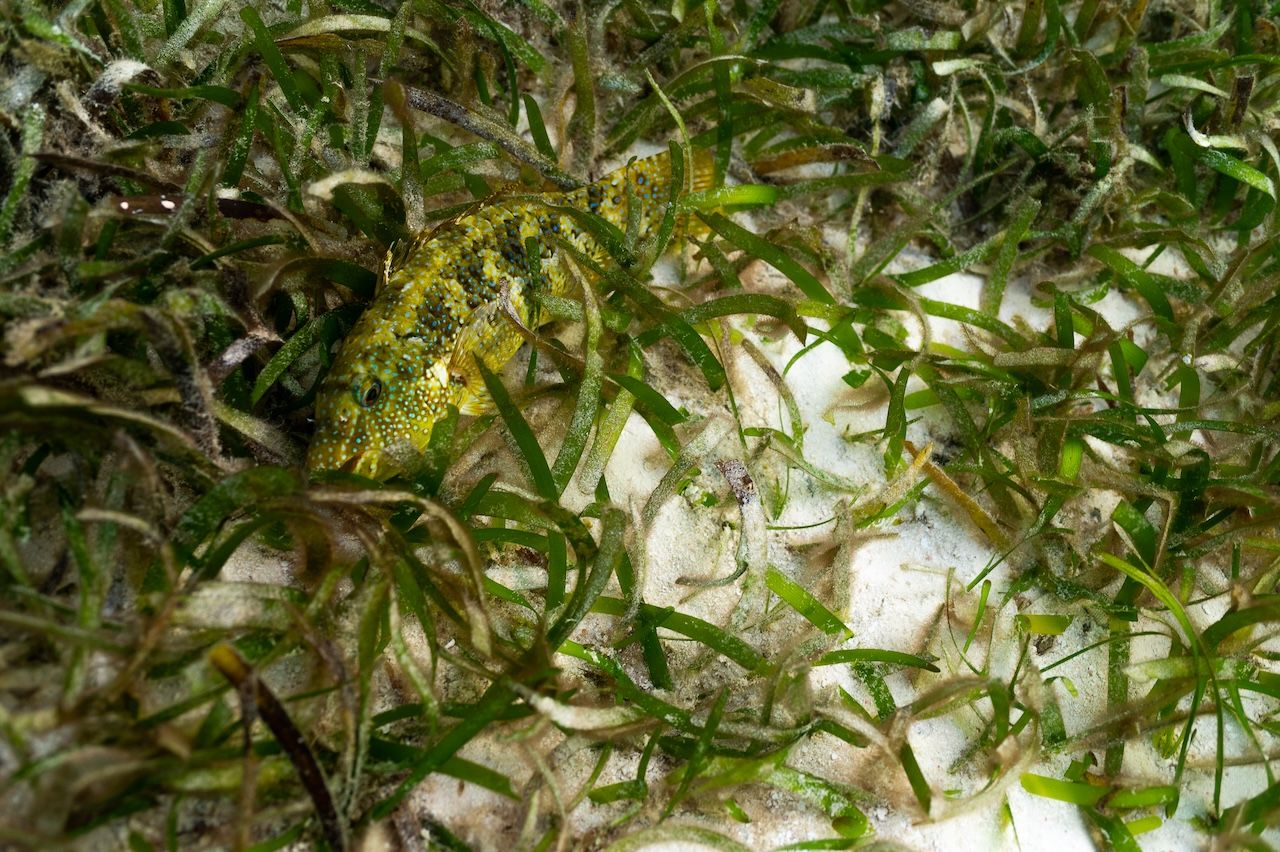
A closer look revealed a high abundance of juveniles from multiple species, highlighting the role of seagrass meadows as a nursery habitat, particularly for commercially significant fish species. We recorded evidence of trevally, emperors, snappers and groupers, not just as juveniles but also as adults, further underscoring the significance of the meadow across their lifecycle. And Hoarafushi’s two most popular fishing spots lie at either end of the meadow.
Livelihoods on the line
A Hoarafushi local said he had never thought much about seagrass beyond knowing that turtles fed there. Like many Maldivians, he saw it as something that made lagoons look messy. The grass made it difficult for boats to get to shore. But learning that it functions as a nursery for commercially important fish changed his perspective. What concerned him was the impact not only on local biodiversity but more importantly on fishing yields.
The reduction of fish stocks wouldn’t be the only outcome. The removal of seagrass can increase the turbidity of the water, as it is a powerful filter of sediment and excess nutrients. A local guesthouse owner was worried about the impact on tourism. Although the section of the seagrass meadow directly in front of his property will not be reclaimed, the previously dredged boat pathway has already altered the water there, bringing in heavy sediment and resulting in a sharp drop of water clarity and beach quality. The beach would be left more vulnerable to erosion without the protection offered by the meadow.
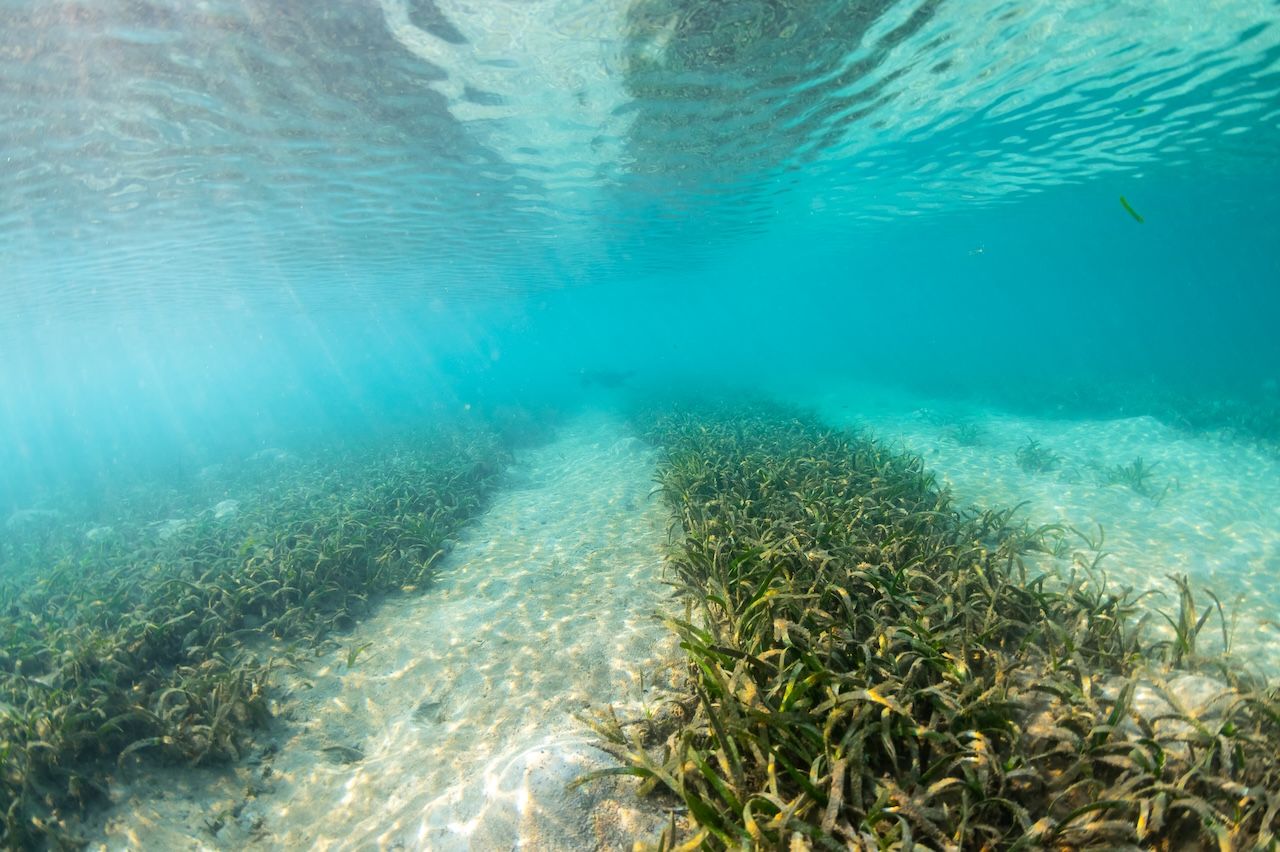
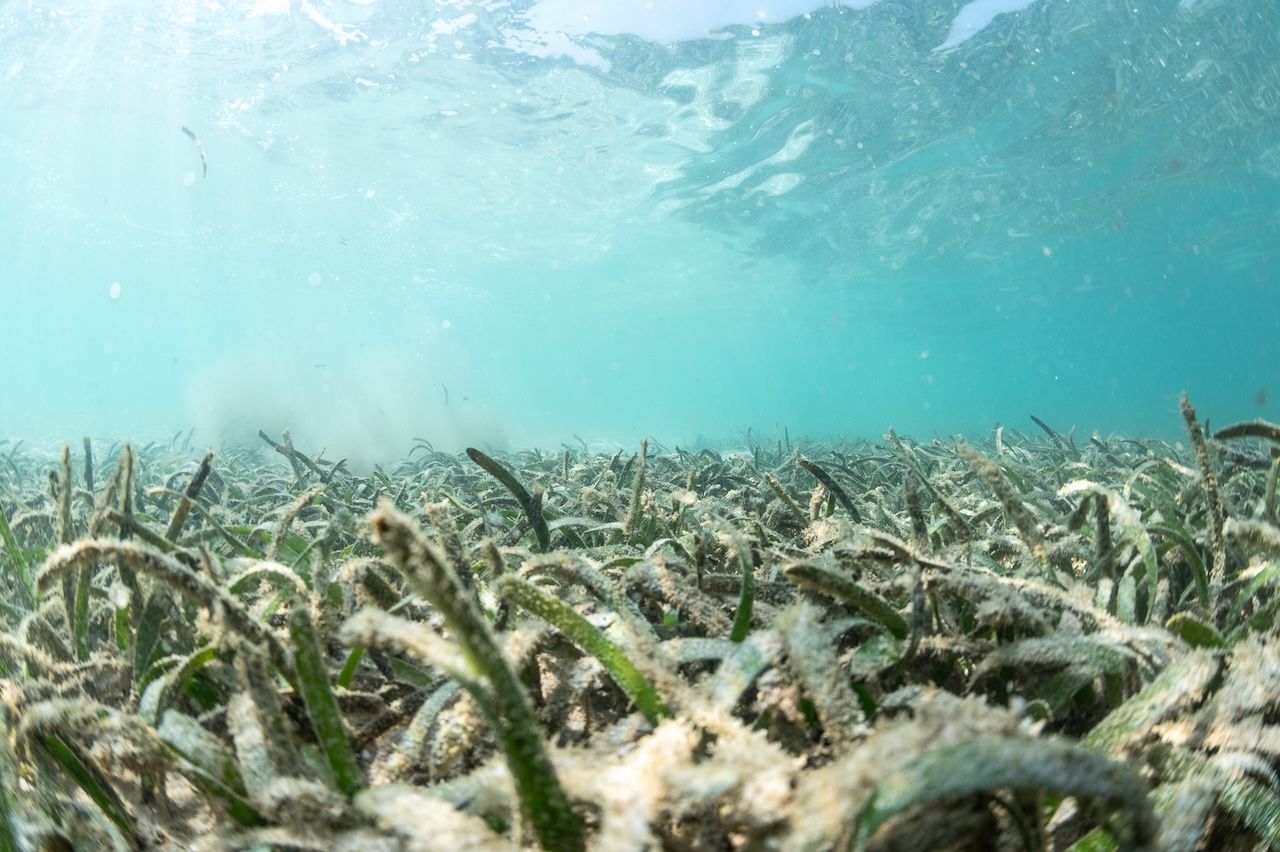
“In the Hoarafushi lagoon, seagrass meadows sustain the green turtles and countless marine species, while giving the lagoon a quieter, more mysterious beauty,” he explained. “This in turn expands the idea of what the natural beauty of the Maldives is, and tourists are drawn to coming to this quiet spot to kayak and snorkel in the meadow and discover the vibrant life within it.”
He also raised concerns over the effect of reclamation on the popular megafauna, particularly green turtles. Whilst conservation efforts globally have yielded major success with the green turtle being downgraded from IUCN’s Red List from “Endangered” to “Least Concern” due to an estimated 28 percent increase of population worldwide since the 1970s, the green turtle population in the Maldives has actually declined by an estimated 70 percent in the same time. The population of the hawksbill turtle, which remains “Critically Endangered," has declined by 95 percent. The disappearance of key feeding grounds such as seagrass meadows could exacerbate their habitat loss and put their fragile population at further risk.
The unseen value
The superpower of Maldivian seagrass lies in being one of the most effective natural carbon sinks we have in this country.
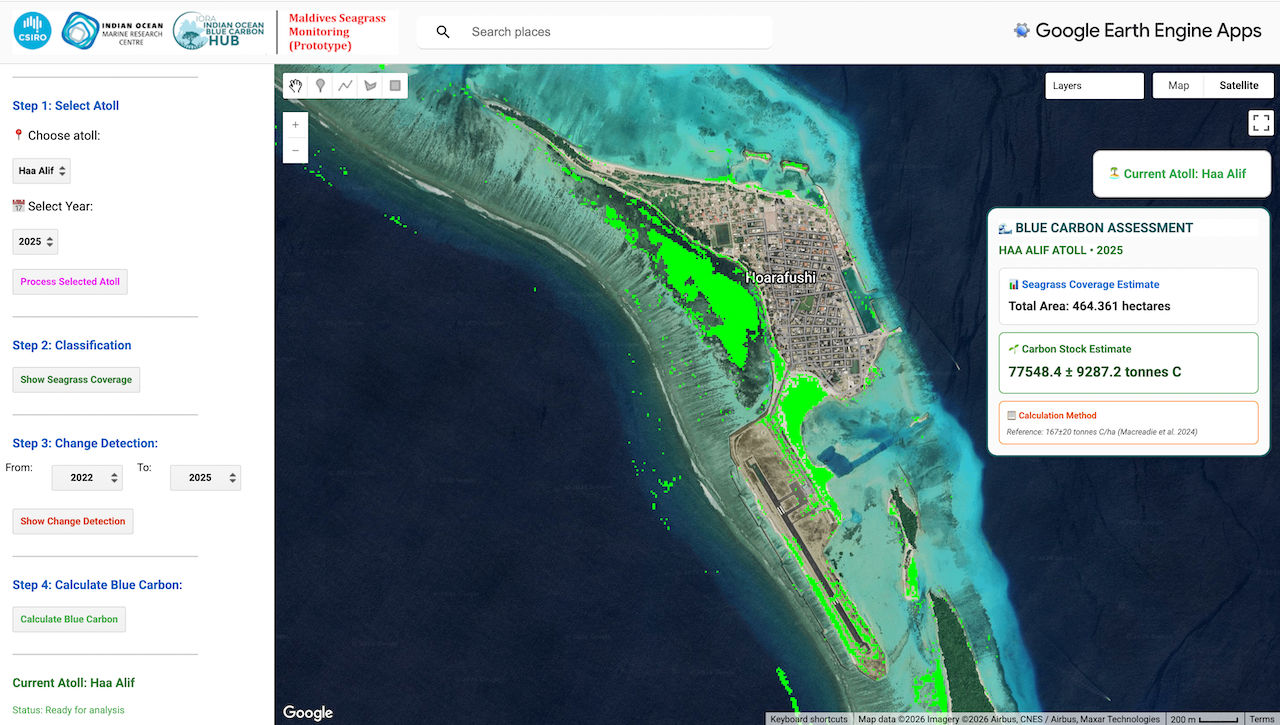
Ahmed Shan, a geospatial science specialist with the ministry of tourism and environment, has been mapping blue carbon ecosystems in the Maldives. Over the past few years, he has been developing a prototype app for seagrass monitoring, using the Google Earth Engine platform and aerial photography to calculate the carbon storage potential of each atoll’s collective seagrass. In areas such as Hoarafushi, researchers like himself are still learning about the scale of sequestration, including its potential to offset localised pollution such as emissions from the local airport.
“My hope is to refine the remote sensing data and try to map the seagrass more accurately to study the changes in these areas over time in Maldives,” he said. “But the loss of a meadow like this may remove benefits that we are only just beginning to understand.”
The politics of reclamation
The proposed reclamation sits at the intersection of several national debates. Local councils face pressure to create land for housing, infrastructure and economic development, while environmental protection, fiscal constraint and long-term sustainability remain unresolved. Since 2007, at least 52 land reclamation projects have been undertaken nationwide, yet significant portions of reclaimed land remain unused. And questions are beginning to be raised about whether we as a nation can afford such large-scale reclamation projects at all, as the increasing national debt, economic pressures, and the current geopolitical climate place a growing strain on public finances.
Under the current administration, several large development projects with significant environmental implications have been approved at the presidential level, prompting debate among environmental groups about whether existing safeguards are being applied consistently. According to one source, the permit for the Hoarafushi seagrass reclamation project is being pursued directly with the President’s Office. Although it remains unclear as to what formal approvals have been sought or granted and through which channels, concerns have been raised about a possible attempt to bypass established regulatory processes.
There is precedent for this. Hoarafushi’s seagrass meadow previously had a channel cut through it to allow boats to pass through. The Environmental Protection Agency (before it was rebranded as the Environmental Regulatory Authority) approved it on the condition that it would be refilled afterwards. This has not happened. The impact from digging out the channel is still visible on the meadow. In this context, the Hoarafushi reclamation proposal has become part of a wider conversation about how environmental decisions are made and where accountability ultimately lies.
According to local sources, the reclaimed land would be intended for future development, including plots that could be sold. For several residents of Hoarafushi, the desire to relocate is strong, with limitations to employment and access to what a city such as Malé can offer, particularly for young adults. Having a plot of land to be able to build on, rent or sell enables younger generations to plan for their futures. But for those who remain, the long-term impact of such a project could change their entire way of life, and not for the better.
Beyond the socio-economic concerns of local communities lies a wider complex economic picture. The reclamation work would be carried out by a Dutch company, offering no employment opportunities for locals. It is unclear where the sand required would be sourced, or how extraction might affect neighbouring areas. Reclamation is costly on its own, and the development of the land would require further substantial investment.
What happened elsewhere
The question of how to treat seagrass ecosystems is already playing out across the Maldives, with very different outcomes. On the island of Naifaru in Lhaviyani atoll, home to the country’s largest turtle rehabilitation centre, plans have recently been approved to reclaim its entire seagrass meadow. The decision drew criticism due to the contradiction between rehabilitating turtles on the island while removing one of their primary feeding habitats just offshore.
Elsewhere, the long-term consequences of reclamation are already visible. In Faafu Magoodhoo, a large seagrass meadow was dredged and reclaimed to create land for a proposed airport development. The airport has yet to be built. Today, the reclaimed land sits largely unused, while the ecosystem that once supported fisheries and marine life has been permanently altered.
On the other end of the spectrum, sustained seagrass conservation efforts led by Maldives Resilient Reefs in Laamu atoll have helped maintain one of the Maldives’ richest marine ecosystems. The region is now in the process of applying for recognition as a biosphere reserve.
These contrasting examples highlight the different paths available to island communities. One leads toward reclamation projects whose long-term benefits remain uncertain. The other protects ecosystems that may sustain fisheries, biodiversity and tourism for generations.
Maldives Resilient Reefs, a partner of the Blue Marine Foundations and part of the Maldives Underwater Initiative in Laamu atoll, has been spearheading research into seagrass ecosystems in recent years. In July of last year, the organisation launched the Seagrass Industry Leaders Circle, bringing together 17 resorts committed to protecting seagrass habitats.
The initiative reflects a broader shift within parts of the tourism industry. For years, seagrass was routinely removed at resorts to create the clear lagoons associated with the Maldives in tourism marketing. However, resorts are increasingly choosing to protect existing meadows and educate guests on their ecological importance, rather than treating them as an eyesore.
This knowledge could provide a similar shift in understanding for local communities as well, as seagrass is still viewed as messy or inconvenient. Greater awareness of the role it plays in supporting fisheries, wildlife and overall coastal health may lead to more informed decisions in the future.
At the recent Maldives Protected and Conserved Areas Forum last month, Maldivian researchers and international experts emphasised the importance of seagrass ecosystems and the education around them. Seagrass was identified as one of the thematic focus areas during the conservation breakout sessions, reflecting growing national recognition of its ecological and even economic value. A key takeaway from the conference was the need for increasing access to citizen science programmes, to not only educate local communities but to also encourage them to want to protect their natural surroundings.
Inan Ahmed, Project and Finance Manager at Maldives Resilient Reefs, told me that the general perception of seagrass is that it is an unproductive land. It is often dismissed, without the realisation that so many livelihoods depend on it, from small time reef fishing to bait collection for tuna fishing. Environmental groups are not inherently opposed to reclamation where genuinely necessary, he said, but unnecessary projects should be avoided and full ecological and socio-economic surveys undertaken before irreversible and highly damaging decisions are made.
Across the Maldives, islands are increasingly facing similar choices. And once altered, these systems are impossible to restore, making some decisions irreversible. Watching eagle rays glide quietly through the meadow, it is difficult to see this space as empty or expendable. Within the green grass lies a network of life that supports biodiversity, livelihoods and climate health, often invisible and unknown.
As research continues to reveal its ecological and economic value, the question facing islands such as Hoarafushi is not simply whether more land should be created, but whether the value of what already exists has been fully understood. In a country where both land and finances are finite, decisions about projects like this may increasingly depend on how well the Maldives understands and cares about the ecosystems it risks losing.
Sophia Nasif is a British-Maldivian photojournalist based in Malé, focusing on culture, environment and anthropology in the Maldives. She is the Ocean Culture Life ambassador for the Maldives, a member of PhotoAsia's Decoding the Anthropocene cohort, and a Revolutionary Storyteller for Photographers Without Borders.
Discussion
No comments yet. Be the first to share your thoughts!
No comments yet. Be the first to join the conversation!
Join the Conversation
Sign in to share your thoughts under an alias and take part in the discussion. Independent journalism thrives on open, respectful debate — your voice matters.
Support Independent Journalism
Help us keep the news free and fearless
Give once
$
or
Become a memberfrom $5/month