
The price of mankind: how Maldivian shells bought human lives

How Maldivian cowries became the currency of the slave trade and then vanished.
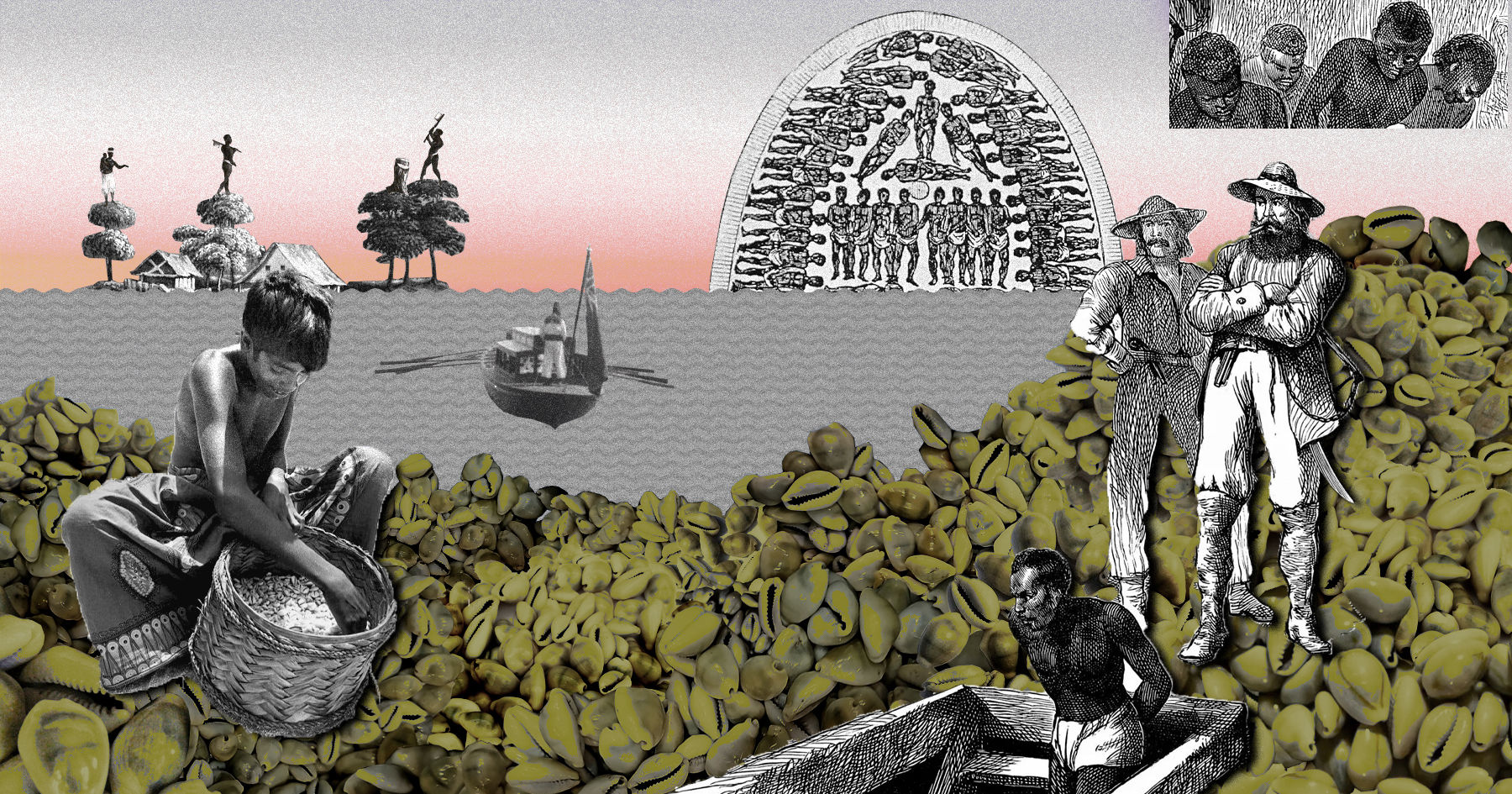
Artwork: Dosain

Artwork: Dosain

1 hour ago
In the 1750s, a boy named Olaudah Equiano was sold in West Africa for 172 little white shells, each the size of a fingernail. He would later buy his freedom and write one of the most famous slave narratives in the English language.
The money cowries that priced his life came from the Maldives.
Maldivians still invoke those shells without knowing it. "Amaa buneethee farah dhiyun" – literally "going to the reef because mother asked," an idiom for doing something half-heartedly – describes children collecting laari boli at the water's edge, an errand that once fed a global trade that made these shells the "price of mankind."
This is a history rarely taught in Maldivian classrooms: how a small island nation, often overlooked and dismissed, became entangled in one of the world’s most brutal economies. 
Cowrie shells were bartered for rice and other essentials or paid as land tax to the Sultan. The small white shells formed the backbone of a growing local economy. Once called the “contemptible shells of the Maldives,” they were also woven through global trade networks as the money of the slave trade, exchanged for human lives across West Africa. As historians Jan Hogendorn and Marion Johnson documented, the Maldives played a significant, if underreported, role in history’s darkest trades of human exploitation. 

The money cowrie 

The Monetaria moneta (money cowrie) and the Monetaria annulus (ring cowry) gained prominence as the world’s most valued currency due to its durability, difficulty in counterfeiting, and its aesthetics. The shells were used across Africa, Asia, and parts of Europe. 
The Maldives was discovered to be uniquely suited to supply them. The warm, shallow southern atolls supported vast populations of “pure” money cowrie, requiring no sorting, and its smaller sizes made them easier and cheaper to transport. Records of cowrie extraction date back at least to the 6th century, shortly after the archipelago was inhabited. Some have questioned whether cowrie extraction was what brought the first settlers. 
By the 9th century, Persian merchant Sulaiman observed “the wealth of the people is constituted by cowries; their Queen amasses large quantities of these cowries in the royal depots”. 
Cowrie harvesting was simple but labour-intensive. Bundles of palm leaves would be thrown into the sea, where thin films of algae growth would attract gastropods. Once the leaves were covered in cowries, they were pulled ashore. The shells were left in the sun or buried until the animal inside them decayed, then washed clean into the bright white form desired for trade. 
The cowrie was identified as the primary form of currency in ancient Maldives. In the 14th century, Moroccan explorer Ibn Batuta recorded that bargains were struck in exchange for these shells. While modern scholars have argued they were primarily used for barter rather than as formal currency, historical visitors explicitly state that it is the “money of the islanders”. By the 17th century, they functioned as “petty cash” alongside metallic currencies like the silver larin. 
Each atoll paid a portion of its produce as tax for the capital. Every male and female over the age of 12 was required to pay 12,000 shells annually until the early 20th century. Shells were also used for ceremonial purposes during weddings, games and royal processions. They were given as alms to the poor during funerals and used as decorative objects. 
The large scale extortion of cowries was primarily for export. Historical inscriptions reveal the scale of the labour involved. One record noted that up to 20,000 shells could be collected in a single day by labouring classes. 
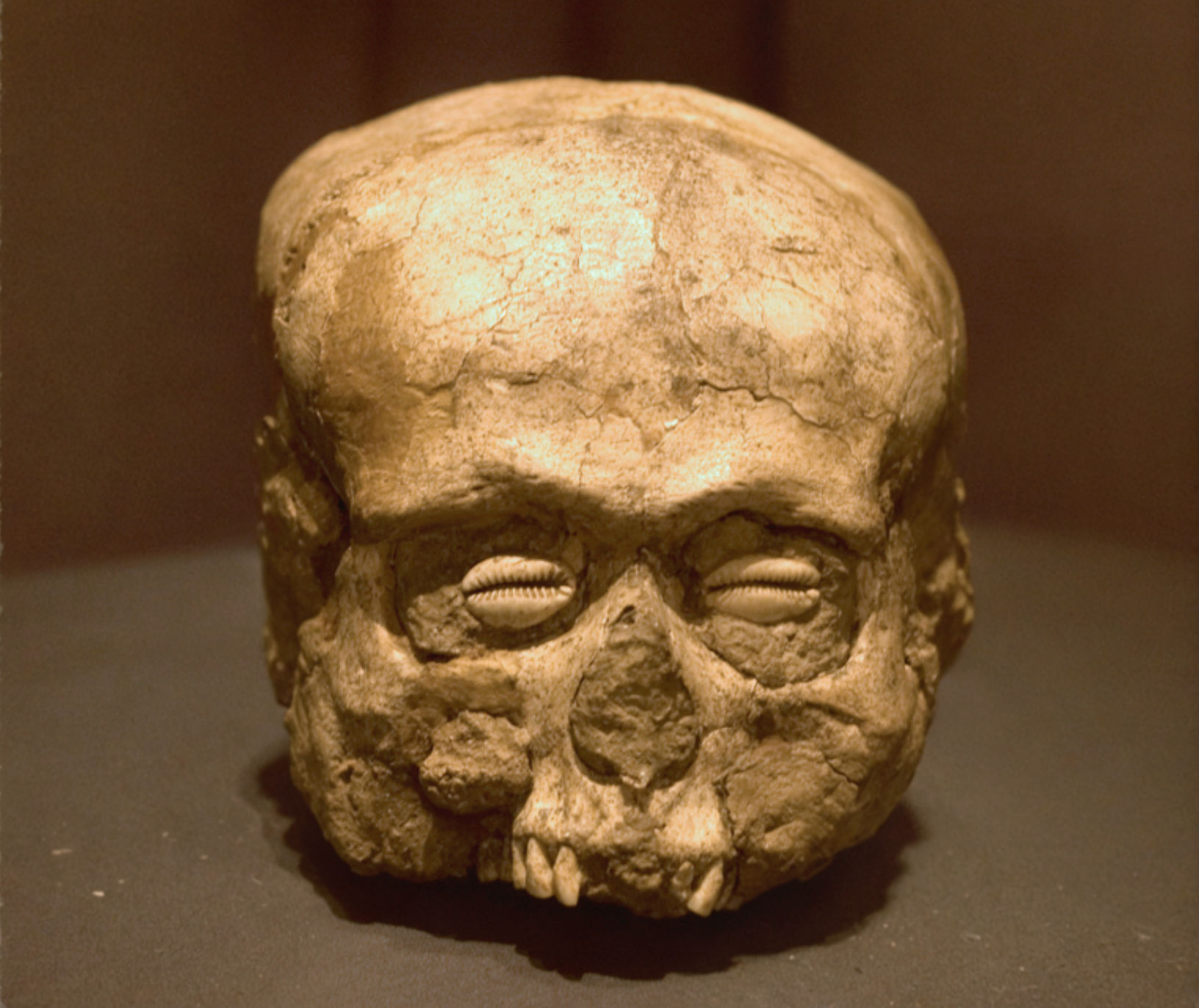
From the Maldives, the cowrie travelled worldwide – into the Indus Valley Civilisation, on a 7,000-year old skull in Jericho, in a Yin Dynasty tomb in China, and in 7th century graves of northern Norway. The cowrie's significance was such that the Maldives was referred to as the “island of cowries” (Dyvah-Kouzah). It is perhaps because the cowrie travelled so widely that the Europeans started looking for the source, eventually coming to the country’s shores with plans of conquest. 
Source: Vilgon 1991-99. 

The fight for the money: Europeans monopolise the trade
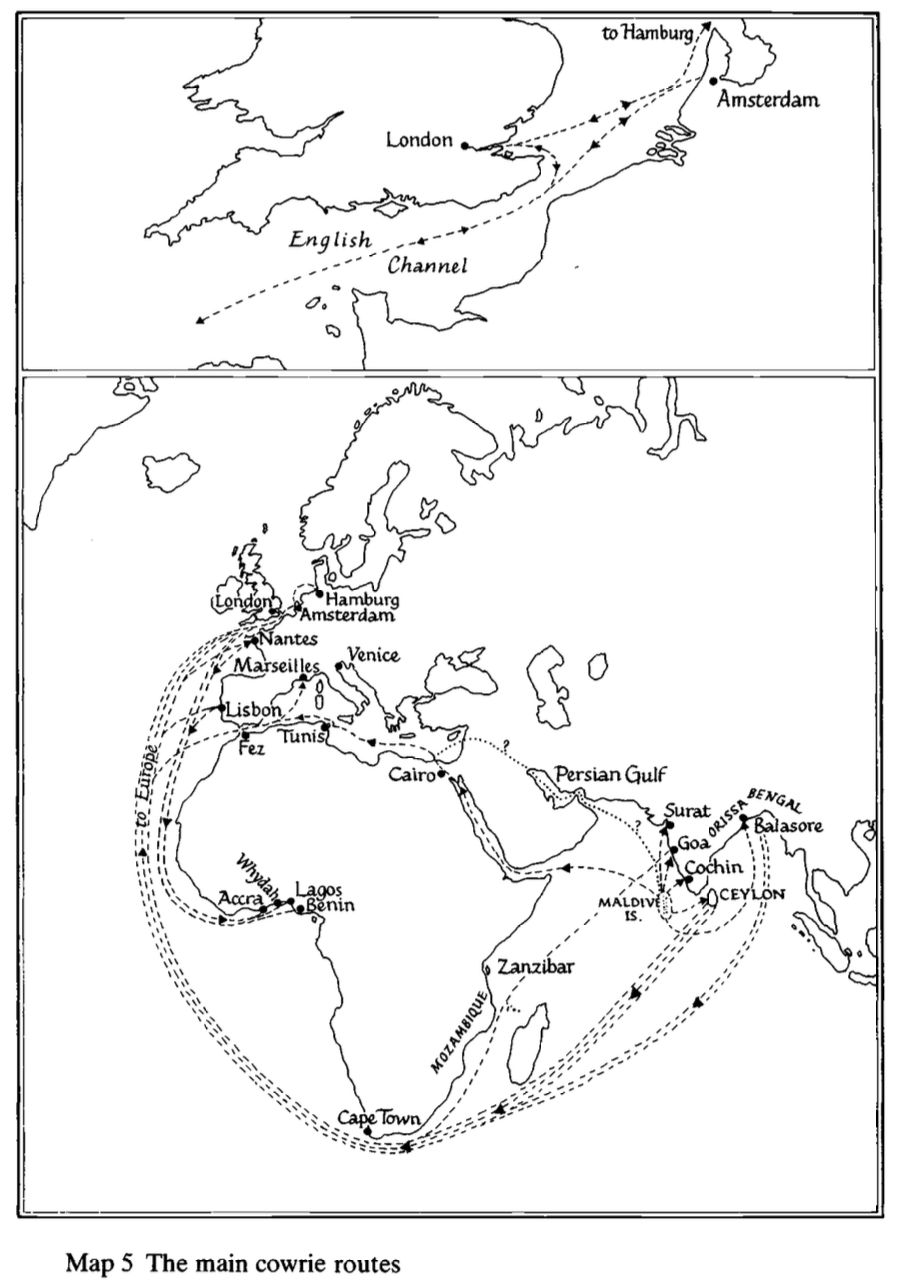
The Portuguese arrived first in the 16th century, seeking both cowrie and coir rope. They attempted to control the island through colonisation, piracy, and trade monopolies. Though local resistance forced their withdrawal by 1573,  Portuguese influence over exports continued for decades through treaties and customs arrangements. 
The Dutch and the English largely bought cowries indirectly through Ceylon, where Maldivian boats travelled with the monsoon winds to sell coir rope, dried fish, coconuts, and shells. The Dutch East India Company repeatedly tried to establish direct control over the trade, with limited success as Maldivian trade to Bengal continued independently.
The English, meanwhile, entered the trade with a purpose: the Guinea slave trade in West Africa. But they, too, struggled to buy directly from the Maldives as local rulers remained opposed to foreign control. English efforts were often aggressive. One account recorded a ship firing a cannon in 1683 to force permission to load 60 tons of cowries, further damaging relations. 
France also entered the trade. Their ships visited Malé regularly in the 18th century. One merchant secured a contract of 20,000 cottah of cowries annually from the Maldives Sultan. Much like the British and the Dutch, these shells were shipped onwards to West Africa to be exchanged for enslaved people. 
The Sultan maintained a royal monopoly over the cowrie trade throughout these periods, ensuring that exports remained under state control. Nevertheless, once the shells left the Maldives, they entered vast colonial networks whose profits flowed largely overseas. 

The cowries and the the transatlantic slave trade

Equiano's 172 shells were one price among millions. Across West Africa, the money cowrie was treasured as currency and a symbol of wealth, which let Europeans, who dismissed it as "cheap shell money," exploit the region at a mass scale.
From the Portuguese to the Dutch and from the French to the British, a relentless influx of shells entered the West African economy, entrenching the systems of trade and human exploitation that defined the era. Over 10 billion cowrie shells had been shipped to West Africa by Dutch and English merchants alone by the late 18th century. At the height of the African slave trade, almost 480,000 cowries were imported, one estimate suggested.
The value for enslaved people varied through the centuries. The historical timeline of slave prices is below, according to two historical accounts (Hogendorn & Johnson, Litster):

Early 15th century (c. 1520): In Forcodas River, an adult slave can be exchanged for 6,370 cowries

Late 17th century (c. 1680s): With the intensifying slave trade, prices rose between 10,000 to 31,000 cowries per adult

Early 18th century (c. 1710s-1720): Slaves could be exchanged for 40,000 to 50,000 cowries

Late 18th century (c. 1760s-1779s): Prices peaked at 80,000 cowries per slave in 1760s, and soared to 176,000 shells by the 1770s

Late 19th century: Despite abolition of the Atlantic slave trade, internal slave trading in Africa continued with prices reaching 80,000 shells in 1870s and 14,000 shells in 1880s 
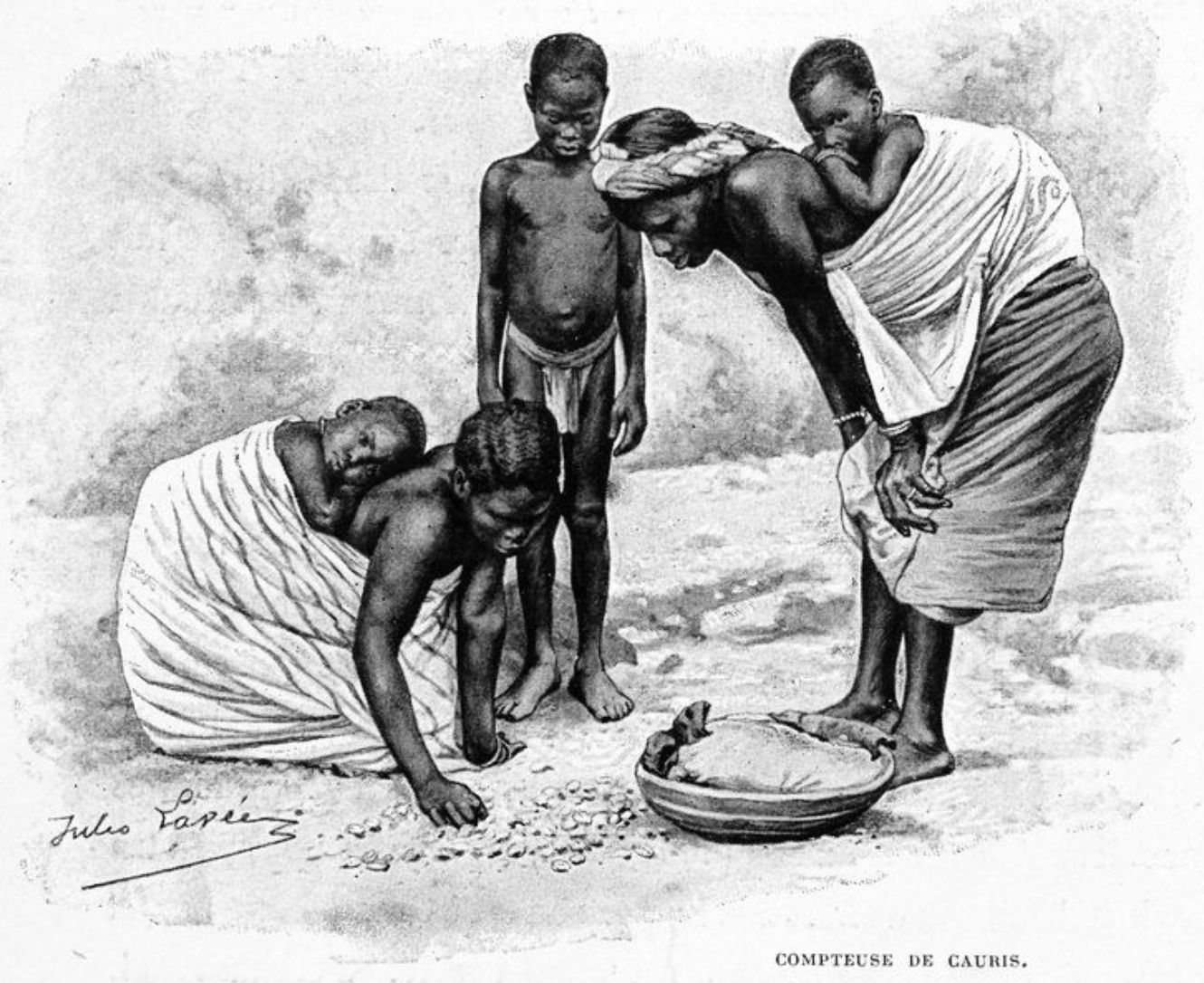
Meanwhile, alternative accounts indicate that an African woman could be exchanged for as little as two cowries in the Buganda region. By the middle of the 19th century, the value of the cowry had decreased. The price of a woman became 10,000-12,000 cowries. 
The "price of mankind” is no exaggeration. 
The shells collected by children on Maldivian shores because their mothers asked would deprive mothers elsewhere of their children. 
Counting Cowries 1895 | Image: The New York Public Library Digital Collections.

Slavery in the Maldives 

The Maldives was tied not just to the transatlantic slave trade, but also to slavery within the Indian Ocean, according to a 2014 study.
Historical accounts, including Ibn Batuta’s, refer to enslaved people living amongst the indigenous Maldivian population. Most enslaved people arrived through Arab trade networks, brought from East Africa through Zanzibar, from Oman’s port of Muscat, or from Jeddah. 
Slavery was most common in the capital Malé and on islands with powerful elites. Enslavement of locals was also common during this period. 
The number of enslaved people declined by the 18th century. Over time, many former enslaved people settled in the northern and central atolls, intermarried with local communities, and worked as toddy tappers or caretakers of coconut plantations. But their histories, and those of their descendants, remain largely undocumented. 
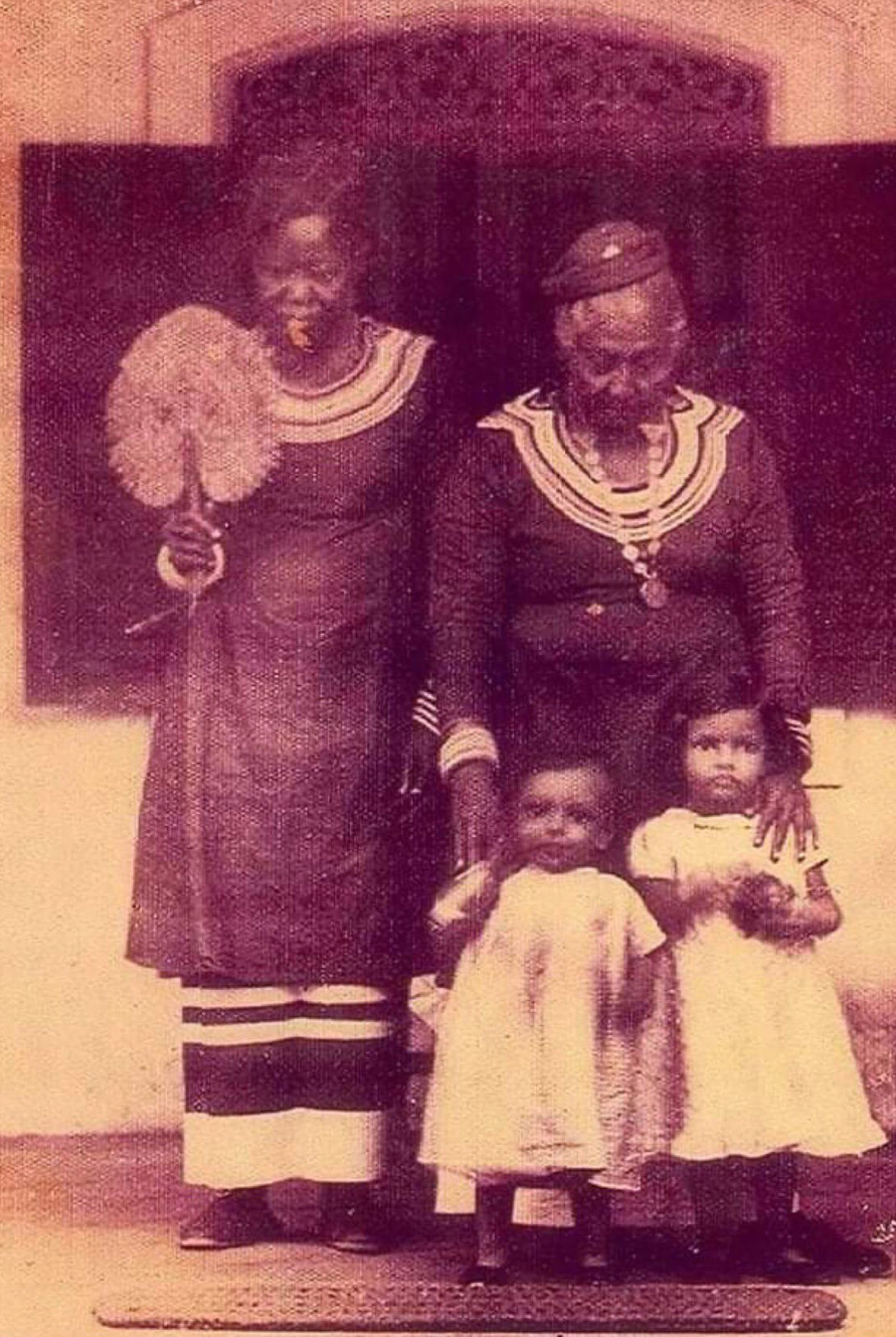
Photo: Baburu Aminaa Fulhu on the left, who was the final first-generation slave of Maldives. Source: Unknown.

Rise and fall 

The 19th century was the beginning of the end.  
After dominating the trade as Dutch and French competition declined, Britain continued to ship large quantities of Maldivian cowrie to West Africa. But the abolition of the British slave trade in 1807 triggered a dramatic collapse in demand. 
Simultaneously in India, British colonial monetary reforms diminished the use of cowries as currency in Bengal and Orissa, further eroding the foundation of the Maldivian shell trade. 
There was a brief resurgence in the 1820s and 1830s, fuelled by the rapidly expanding West African palm oil exports. Malé temporarily regained its status as a commercial hub as the British increased their exports to West Africa.
But it did not last.
By the 1840s, East African ring cowries had emerged as a cheaper substitute. These shells, sold in West Africa for almost the same price as Maldivian cowries, flooded West African markets and caused severe inflation, sharply reducing the value of the Maldivian cowries. By the 1860s, Maldives’ cowrie trade had all but vanished. 
A centuries-old industry had collapsed. 
In the present day, cowries are valued for their ecological, cultural, and touristic significance. The gastropods contribute to reef biodiversity and nutrient recycling. They also remain one of the strongest symbols of Maldives maritime heritage. Cowries now appear as souvenirs and decorative objects, closely tied to the islands’ identity within the tourism industry. Yet to view the cowrie only through such a nostalgic lens is to overlook its role in global slavery.
Much like the cowrie itself, the Maldives is often seen as small and peripheral. But these tiny white shells that were once the “price for human life" left an unacknowledged legacy that must enter the nation’s collective conscience. Reckoning with the history of the cowrie means looking beyond the postcard image and ensuring history is neither forgotten nor repeated.

Discussion

No comments yet. Be the first to share your thoughts!

No comments yet. Be the first to join the conversation!

Join the Conversation

Sign in to share your thoughts under an alias and take part in the discussion. Independent journalism thrives on open, respectful debate — your voice matters.

Support Independent Journalism

Help us keep the news free and fearless

Give once

or
Become a memberfrom $5/month