

Scenes from Malé’s sanctuary suburb, before the bridge
The Thilamalé Bridge will soon connect the placid island of Villingili to the chaos of the capital

Artwork: Dosain
20 Jun, 16:40
Villingili is an island holding its breath. Just a five-minute ferry ride from the relentless, sometimes suffocating landscape of Malé, it remains one of the last accessible, truly green sanctuaries in the greater capital area.
It is a place with an unhurried rhythm that makes you completely forget about the massive, crowded city just across the water. But that sanctuary is fracturing. With only a small section left before the Thilamale bridge permanently connects the two islands, the pressure of the capital is already breaking through.
Housing and infrastructure development are being aggressively prioritised, creating a landscape where green areas of the island are systematically cleared away for new projects. These images capture an island at a crossroads, showing a community attempting to retain its soul as rapid urbanisation laps at its shores.
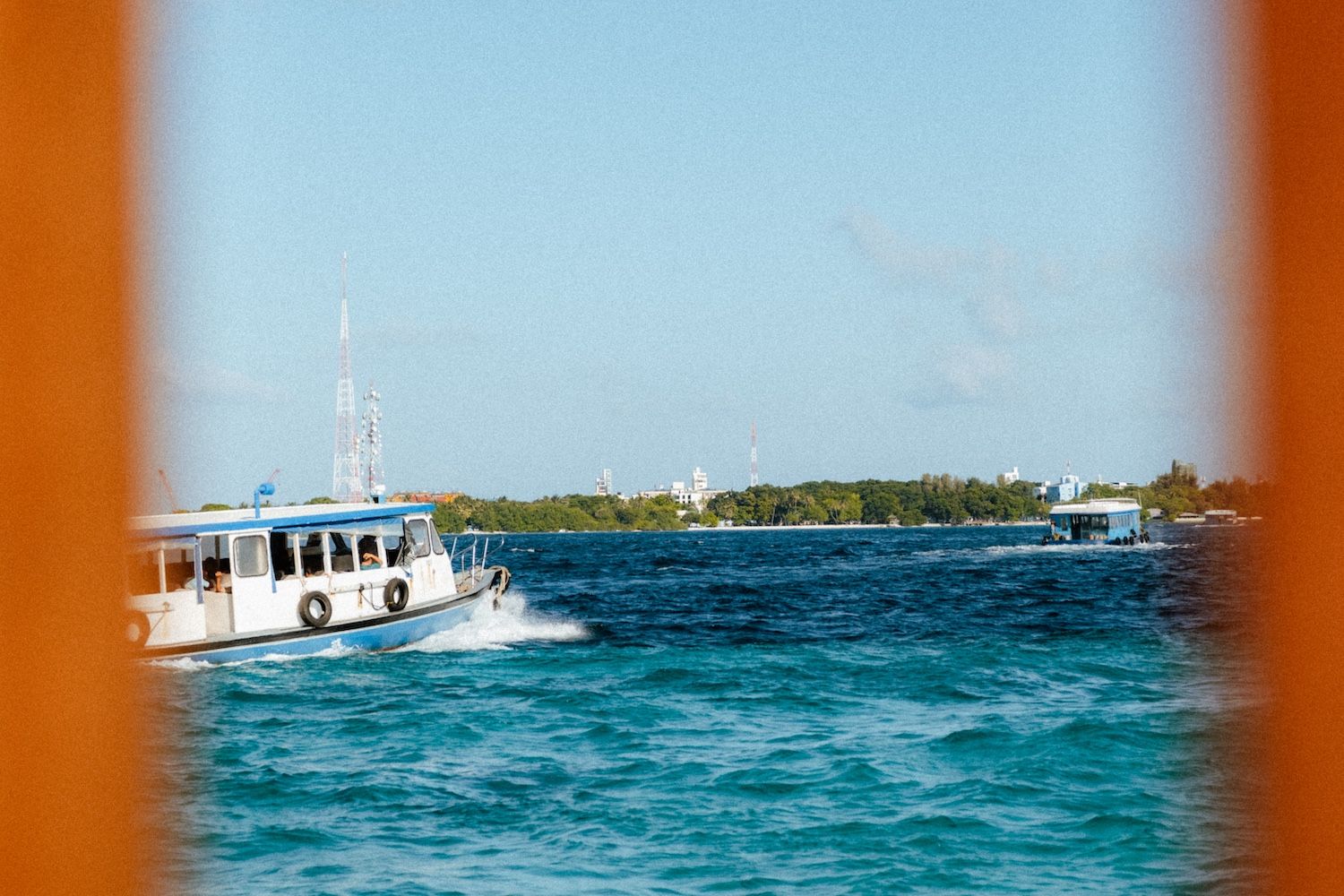
Looking toward Villingili from across the water as ferries make their morning commute. For decades, this short boat ride has served as a daily transition between worlds, a five-minute journey separating the chaotic capital from the quiet of the island. With the bridge connection nearly complete, this slow, water-bound ritual will soon give way to a permanent highway link. While it is still too soon to tell exactly how this connectivity will reshape Villingili, the direct link will undoubtedly bring irreversible changes to both the island's landscape and way of life.
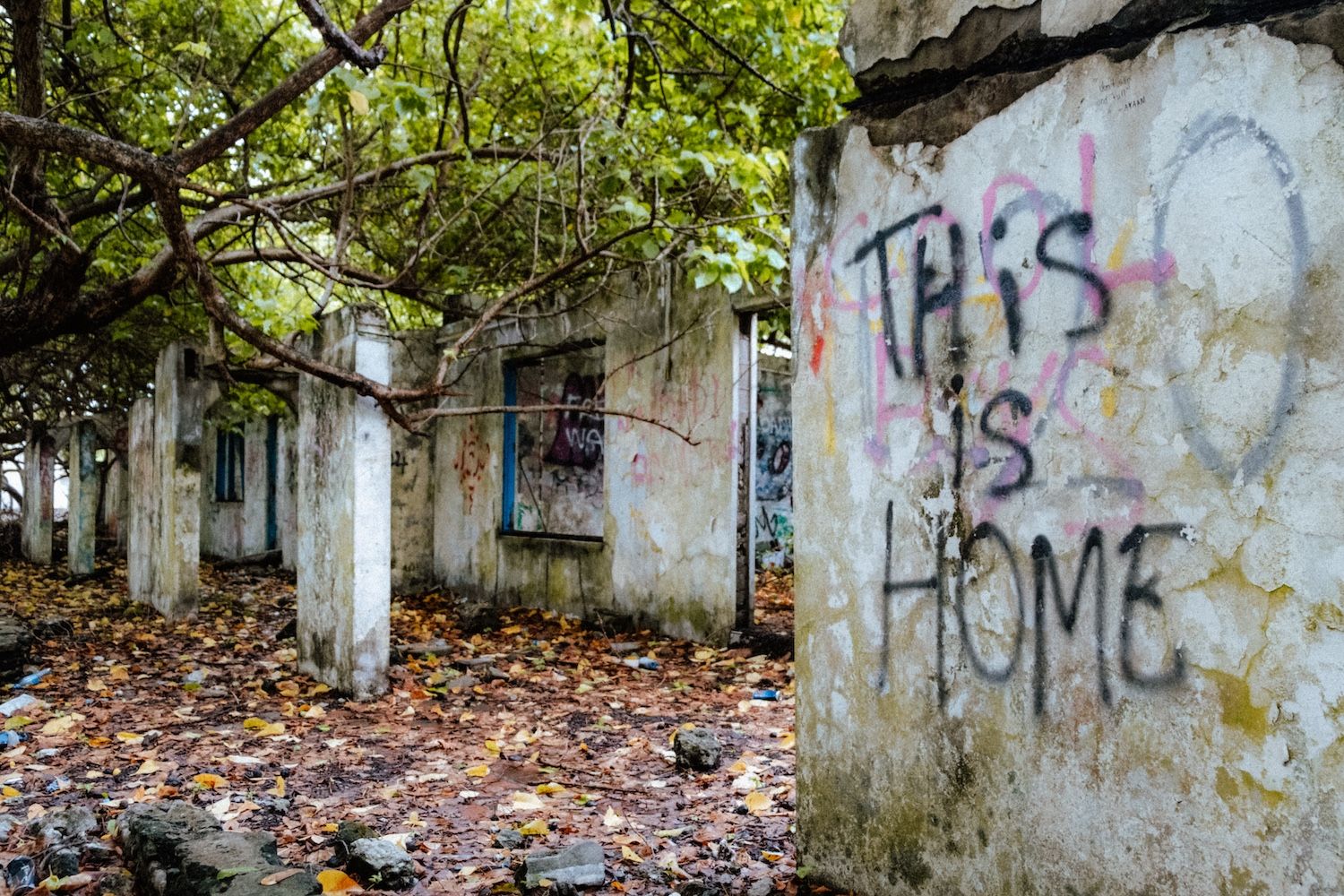
Graffiti reading ‘This is home’ painted on a wall outside an abandoned resort development at the island’s edge. Villingili has undergone multiple identity shifts over the decades, transitioning from a prison island to one of the country's earliest resorts, before finally evolving into a residential island. This remnant of the abandoned resort project is a quiet reminder of the island's layered past, echoing a sense of belonging and ownership even within spaces left behind by change.
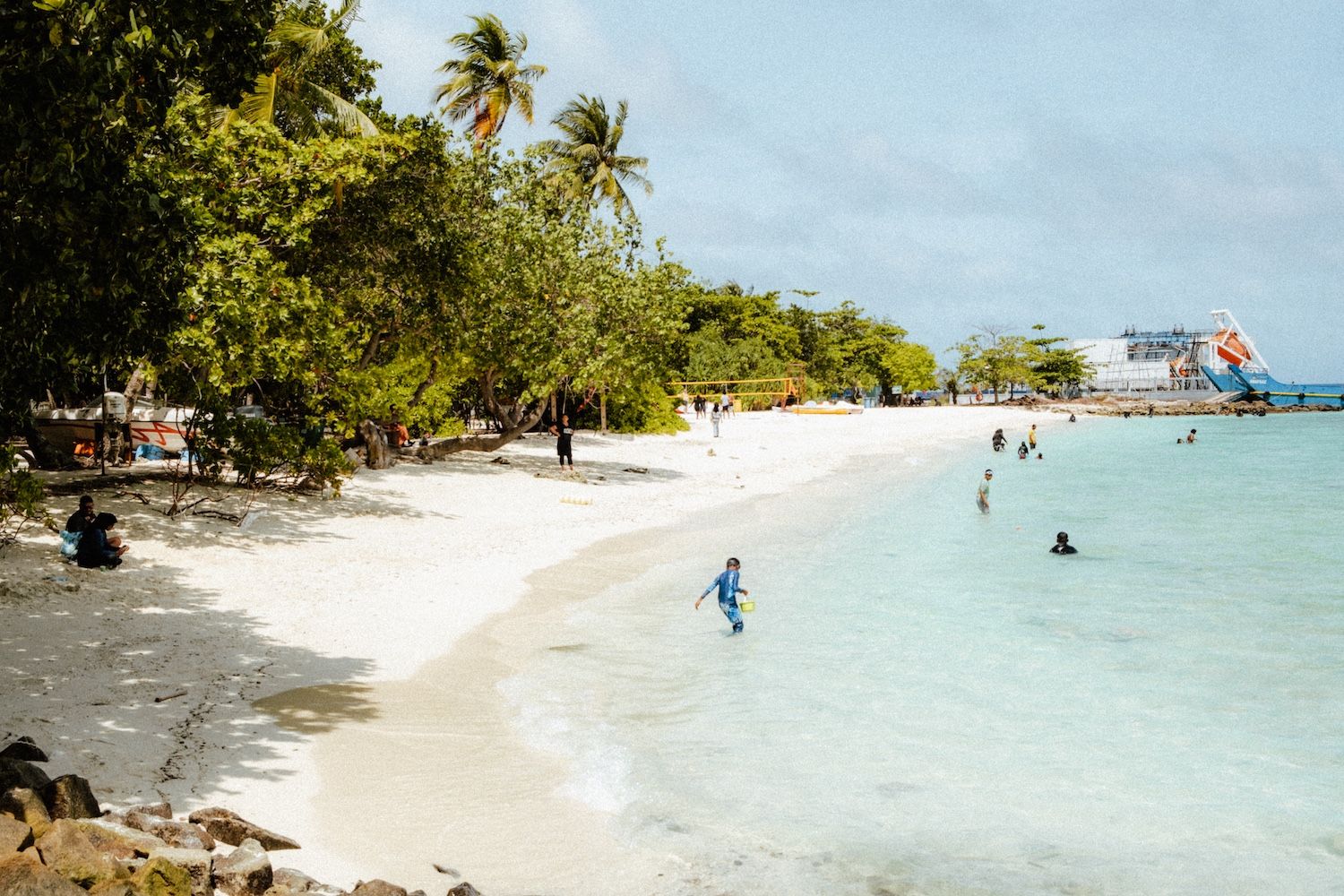
Children and families gathered along the beach on a Friday morning. This stretch of coast is one of the few remaining natural beaches in the greater Malé area, serving as an accessible public space.
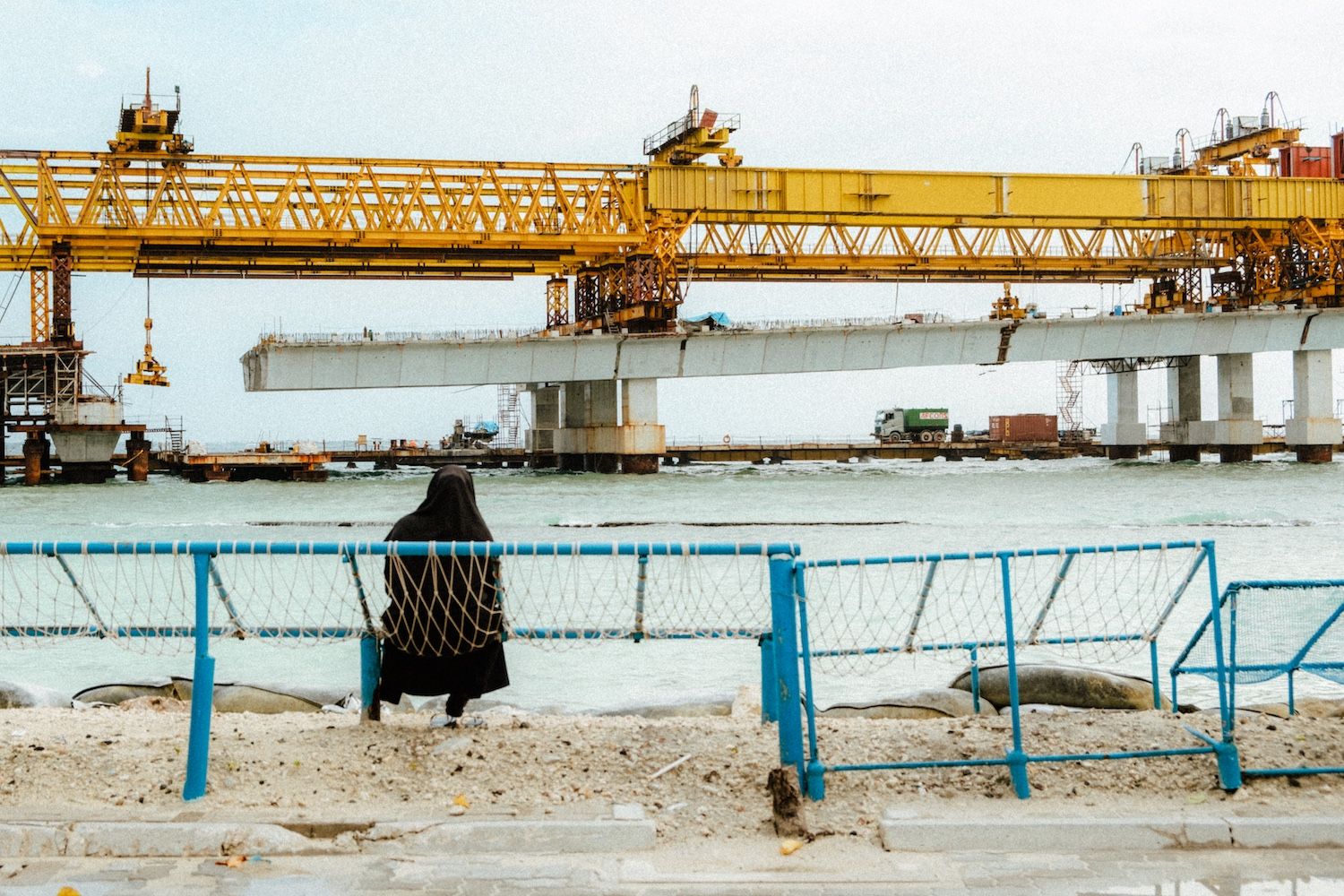
An elderly woman sitting on a joali, observing the construction of the final sections of the Thilamale bridge. For a generation that has watched the island change through multiple eras, this massive concrete structure represents the most significant shift yet. She watches the gap close between the old way of life and a highly connected future, witnessing first-hand the moment Villingili is permanently tied to the capital.
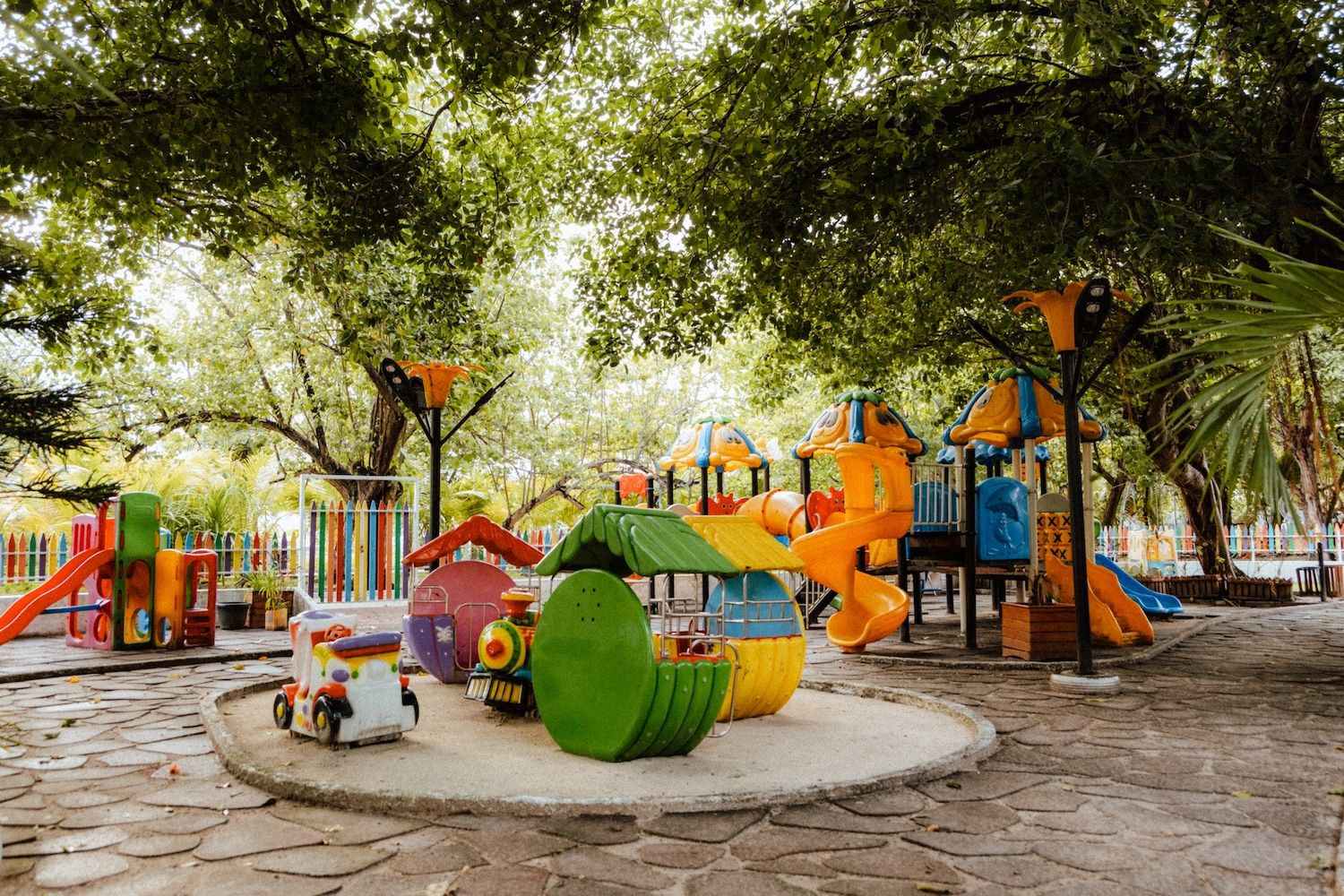
A children's playground under a green canopy. In the greater Malé area, recreational spaces for children are often cramped and surrounded by concrete and traffic. This park reflects a different way of growing up, one seen all around Villingili where play is naturally integrated into the environment.
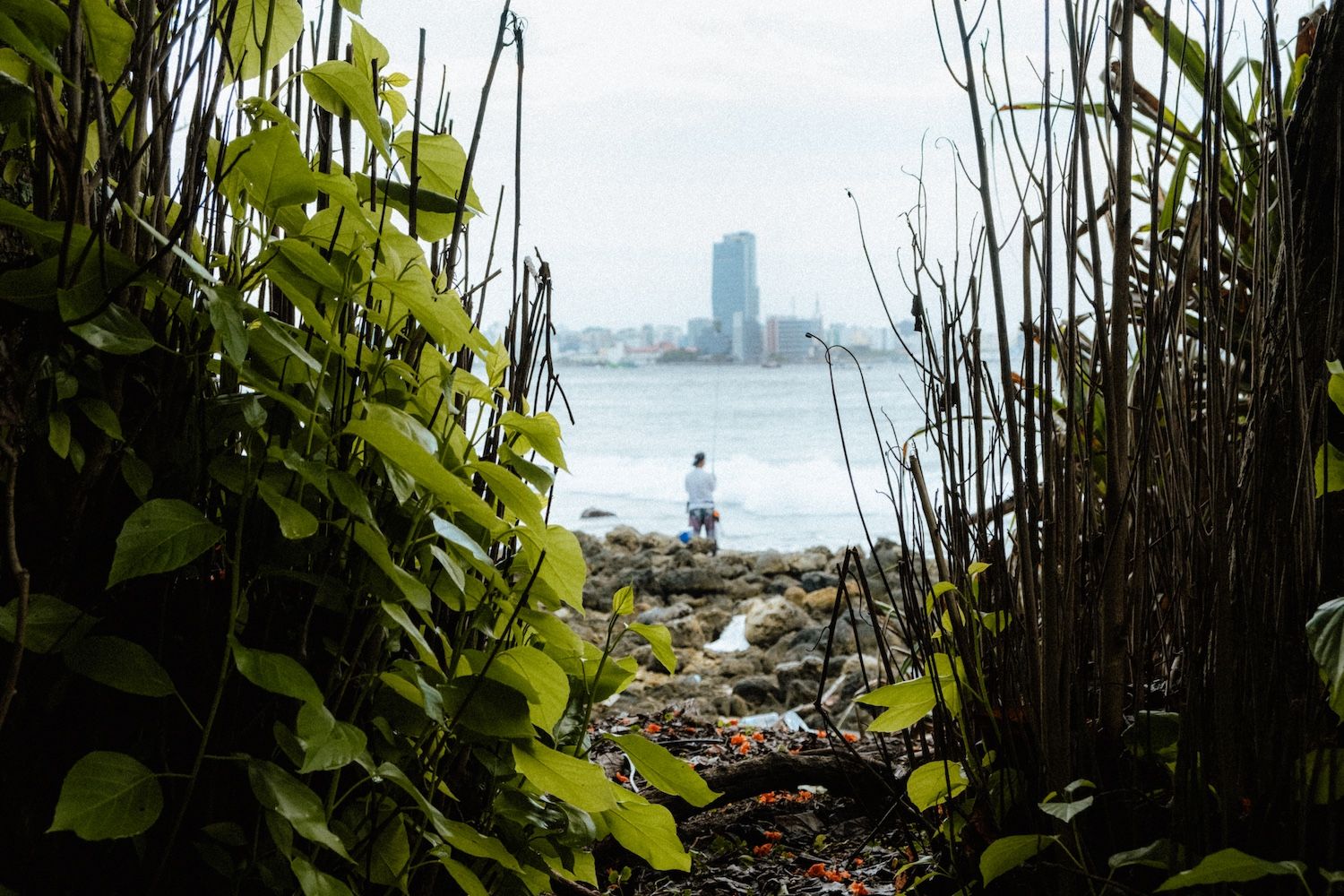
A lone fisherman casting his line from a quiet spot on the shore, with the dense, towering skyline of Malé looming across the narrow channel. For someone coming straight from the rush of the capital, being completely alone here can feel almost surreal, separated from the chaos by only a small stretch of water.
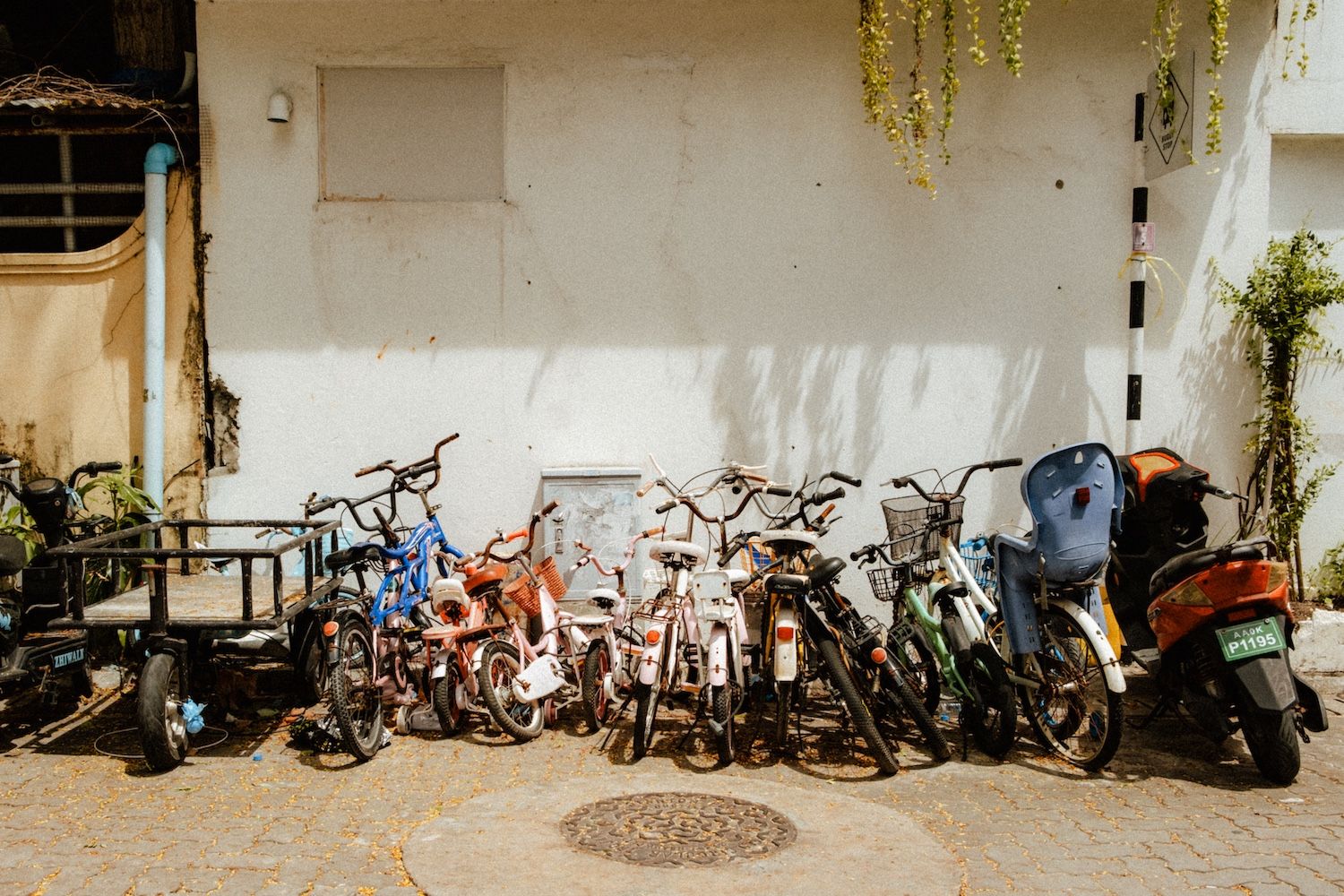
A row of bicycles and electric scooters parked along a quiet roadside. Villingili has been free of fuel-burning, engine-operated vehicles for decades, a policy that carved out a rare network of quiet, pedestrian-friendly streets in the capital region. However, the transport landscape is already shifting with a visible rise in electric vehicles, raising uncertainty about whether the opening of the bridge will permanently change this long-standing, car-free identity.
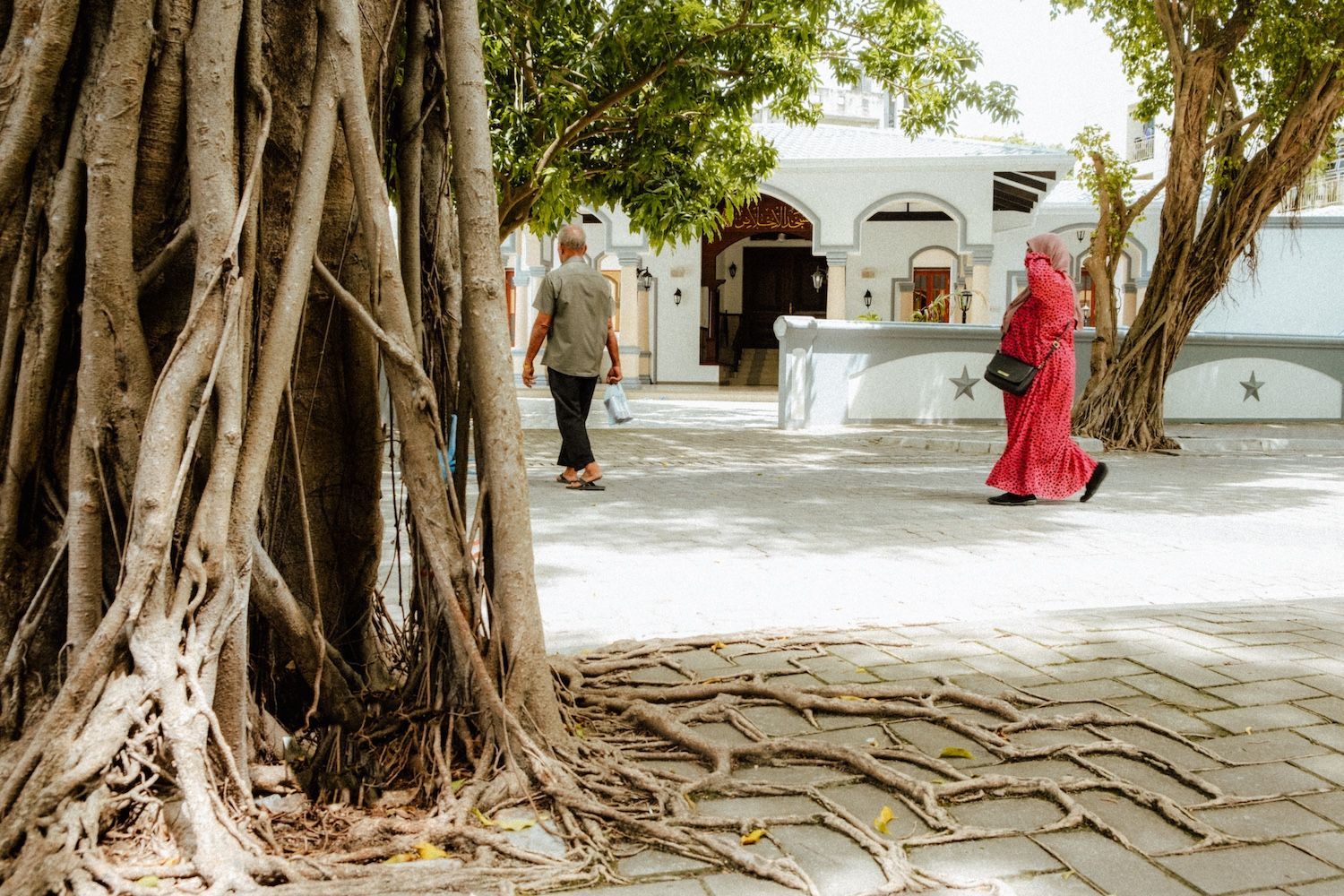
Residents walking past a large tree, its roots tightly woven between the bricks of the pavement. All over the island, the natural environment refuses to be displaced, with old root systems pushing through the infrastructure as if physically anchoring Villingili to its identity.
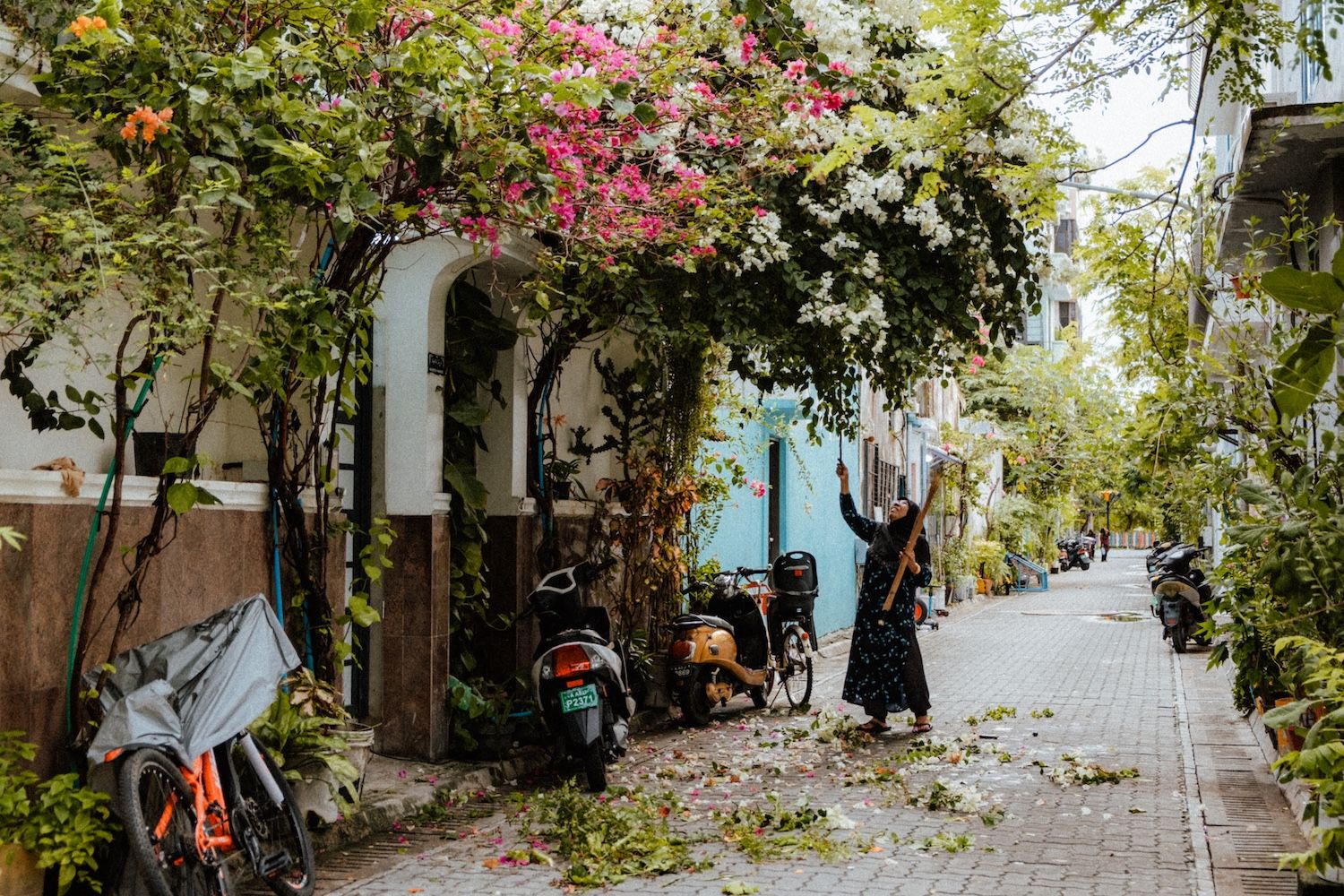
A resident tends to her bougainvillea plant overhanging a narrow street. This everyday scene captures a common sight across the island, where locals take personal responsibility for the greenery outside their homes, turning public walkways into shared garden paths.
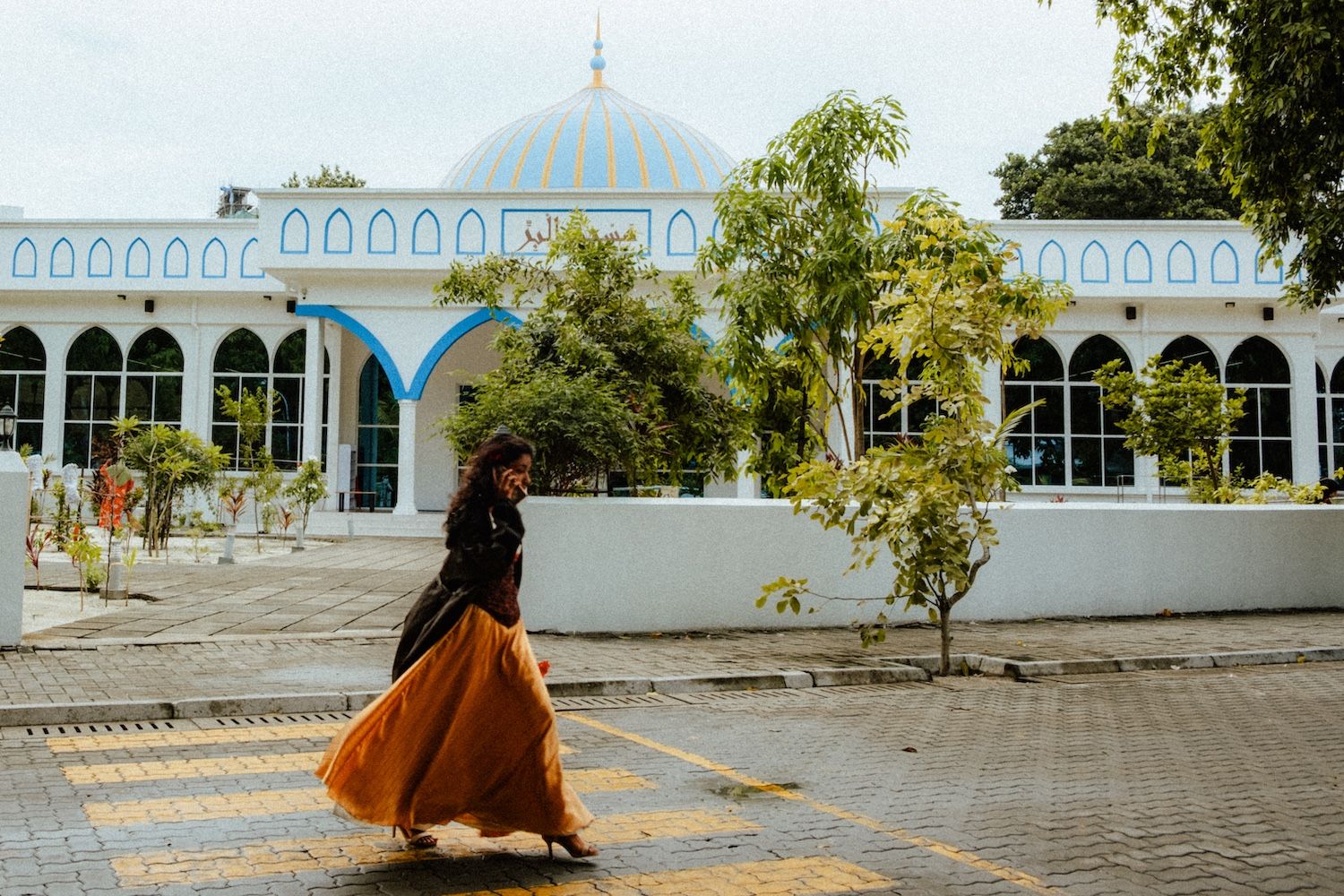
A resident using a zebra crossing during a quiet time of day. Along these residential streets, everyday moments still carry the simple, unhurried rhythm that has defined the island for decades. Unlike the chaotic capital, stepping into the street without looking both ways remains common practice here.
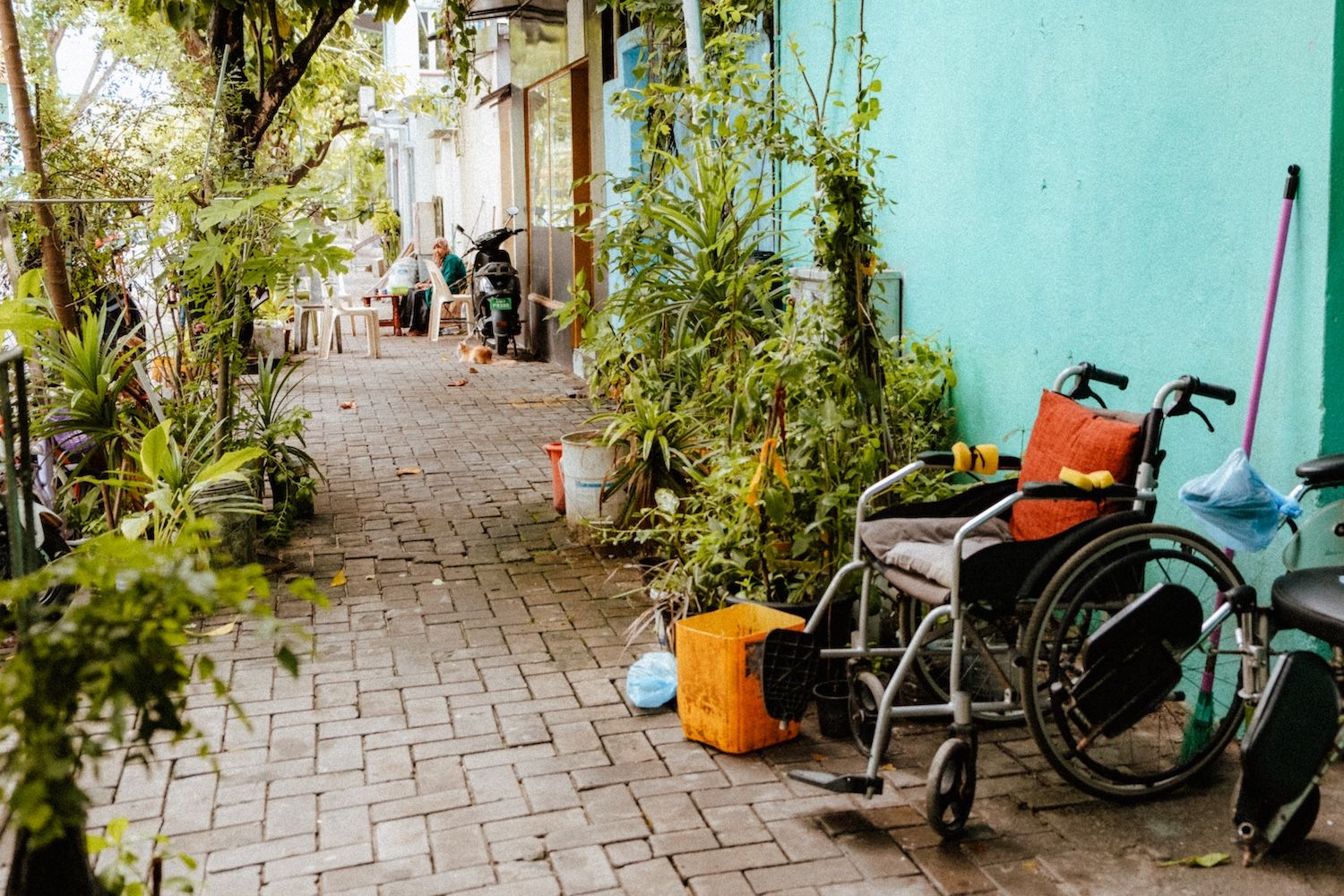
A wheelchair parked on the sidewalk outside a home. Unlike in Malé, where narrow, broken pavements and heavy traffic trap many indoors, Villingili’s flat, pedestrian-friendly streets allow elderly residents and those with limited mobility to regularly move around and remain a visible part of the community.
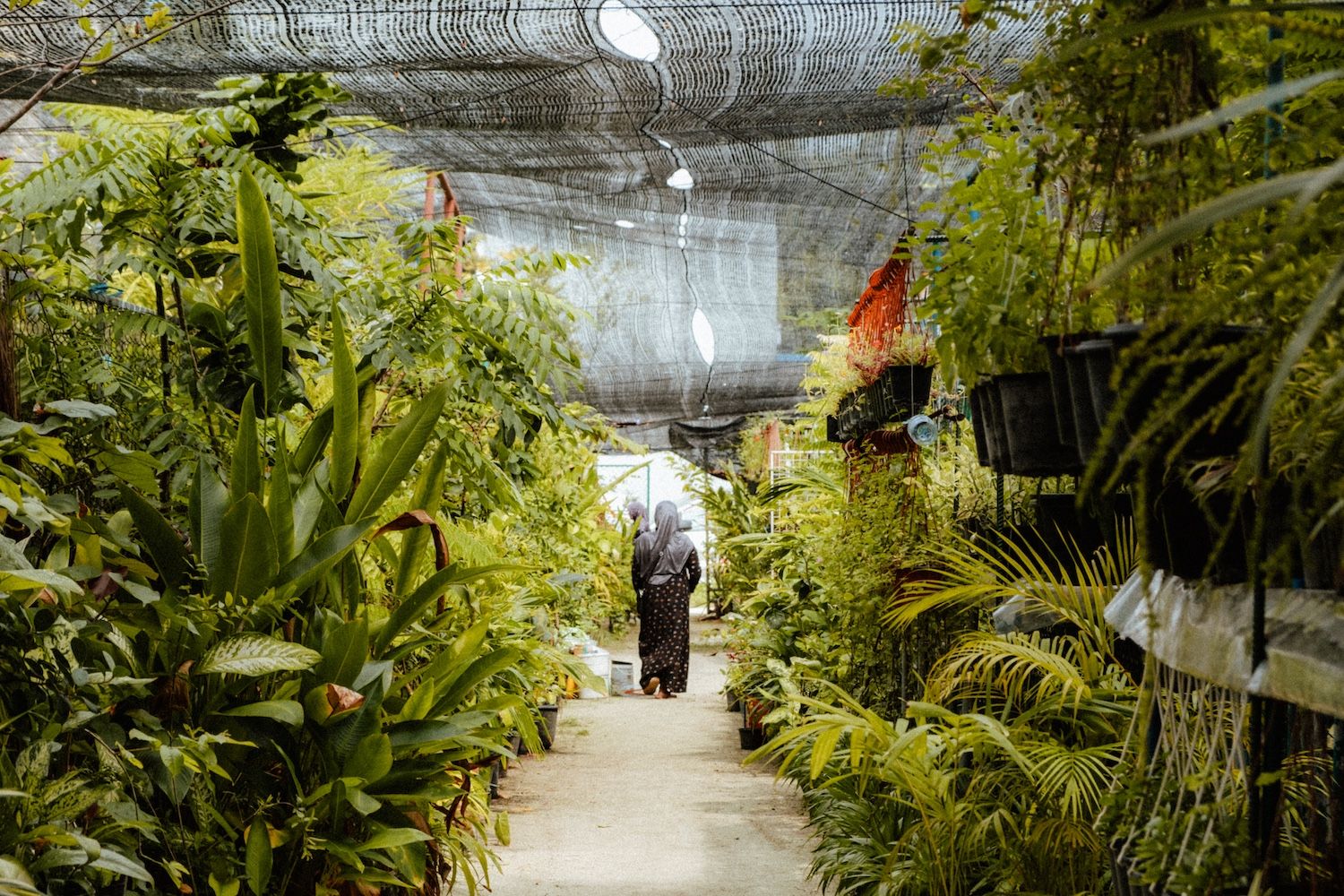
A gardener walking between rows of small plots in a community garden. Villingili allows for community efforts like this, giving locals a dedicated space to grow their own plants and produce.
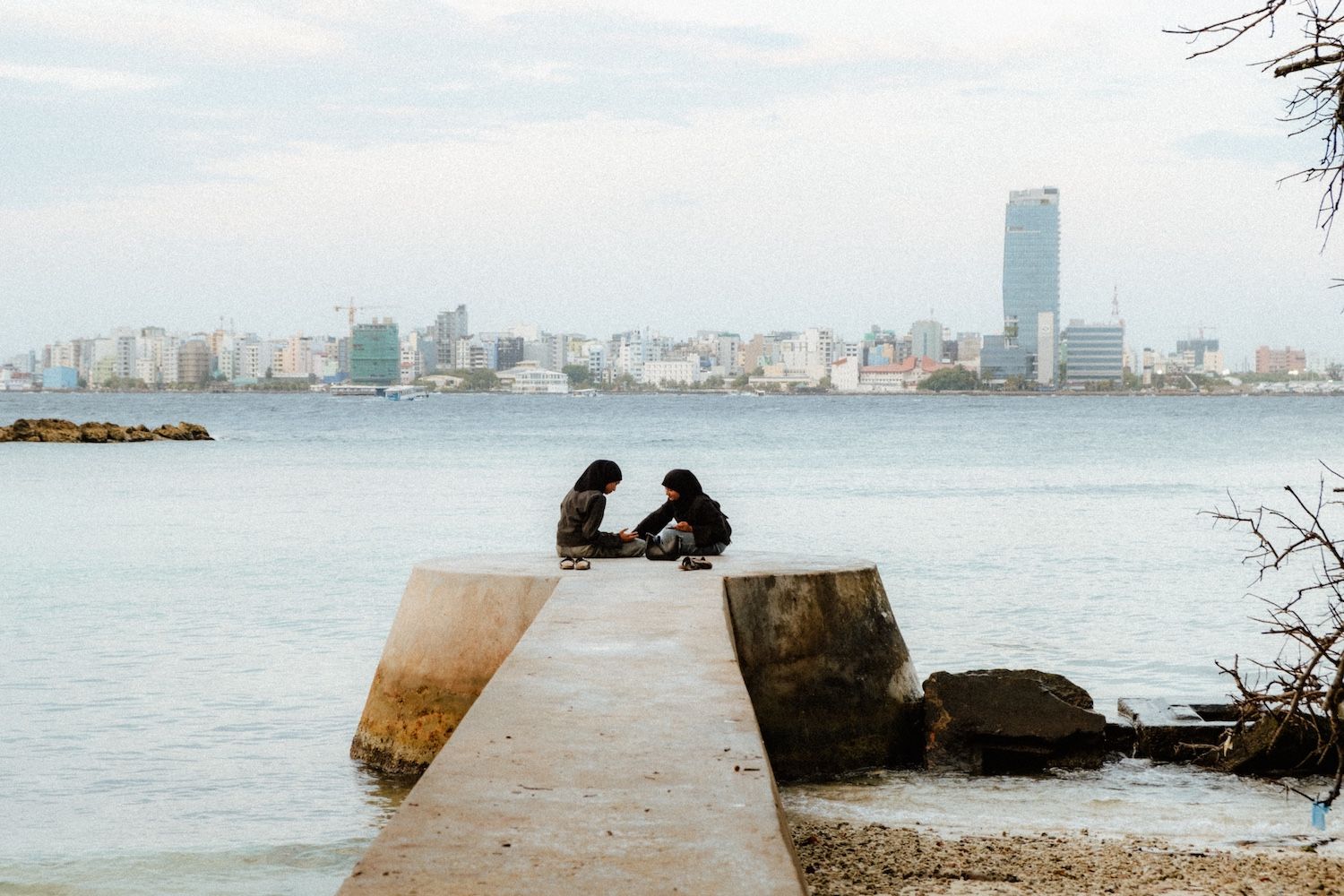
Two teenagers sitting near the beach with the skyline of Malé visible in the background. Unlike the crowded capital across the water, Villingili provides open, uncrowded social spaces where residents can gather, relax and socialise outdoors.
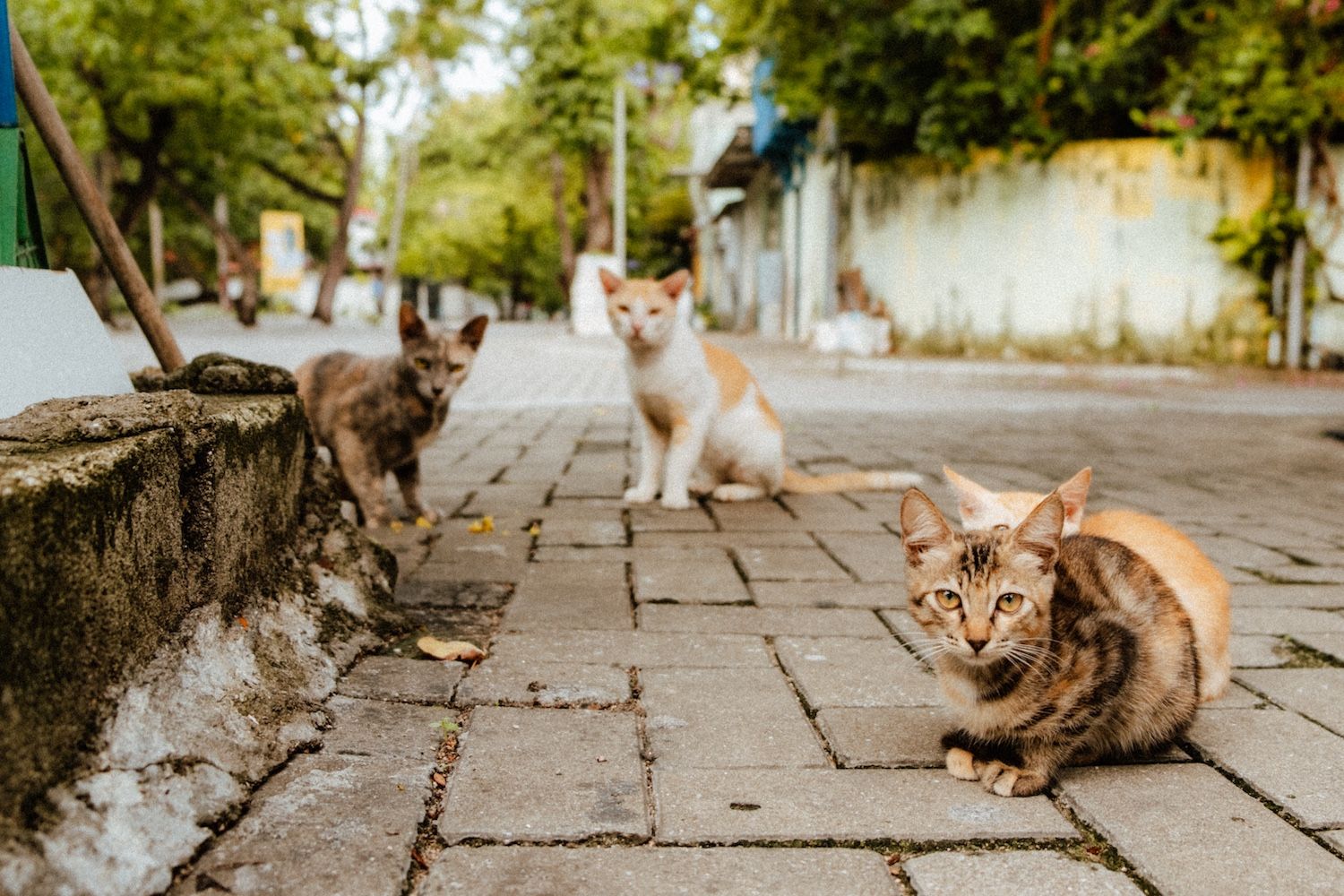
A group of cats gathered together on a street corner. These animals are a constant presence throughout Villingili, existing as familiar, permanent residents of the island ecosystem.
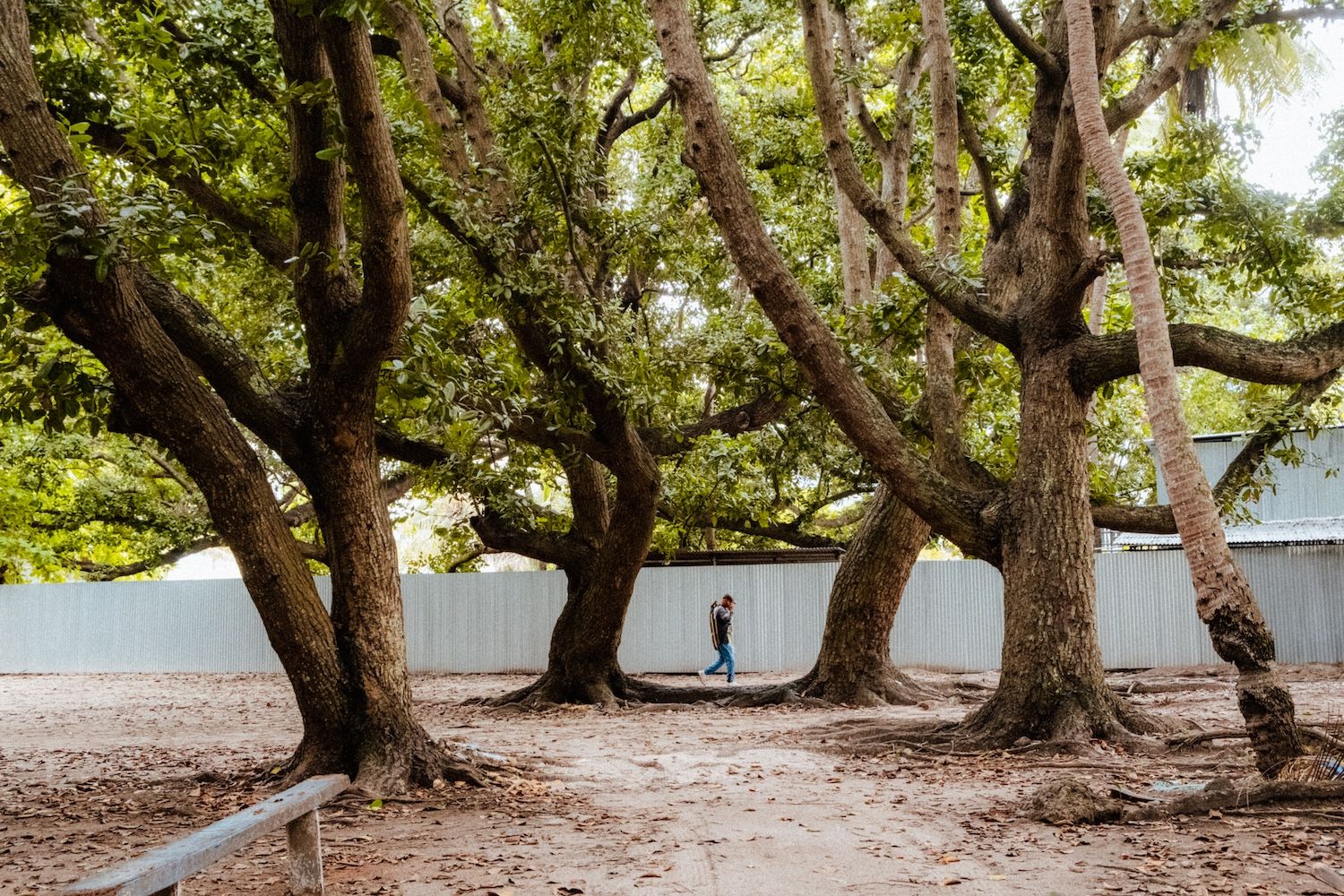
A passerby walks through a grove of Funavaa trees. While some surrounding areas are already closed off and designated for housing projects, these stand as some of the oldest remaining trees on the island, highlighting the immediate tension between the existing natural landscape and urban development.
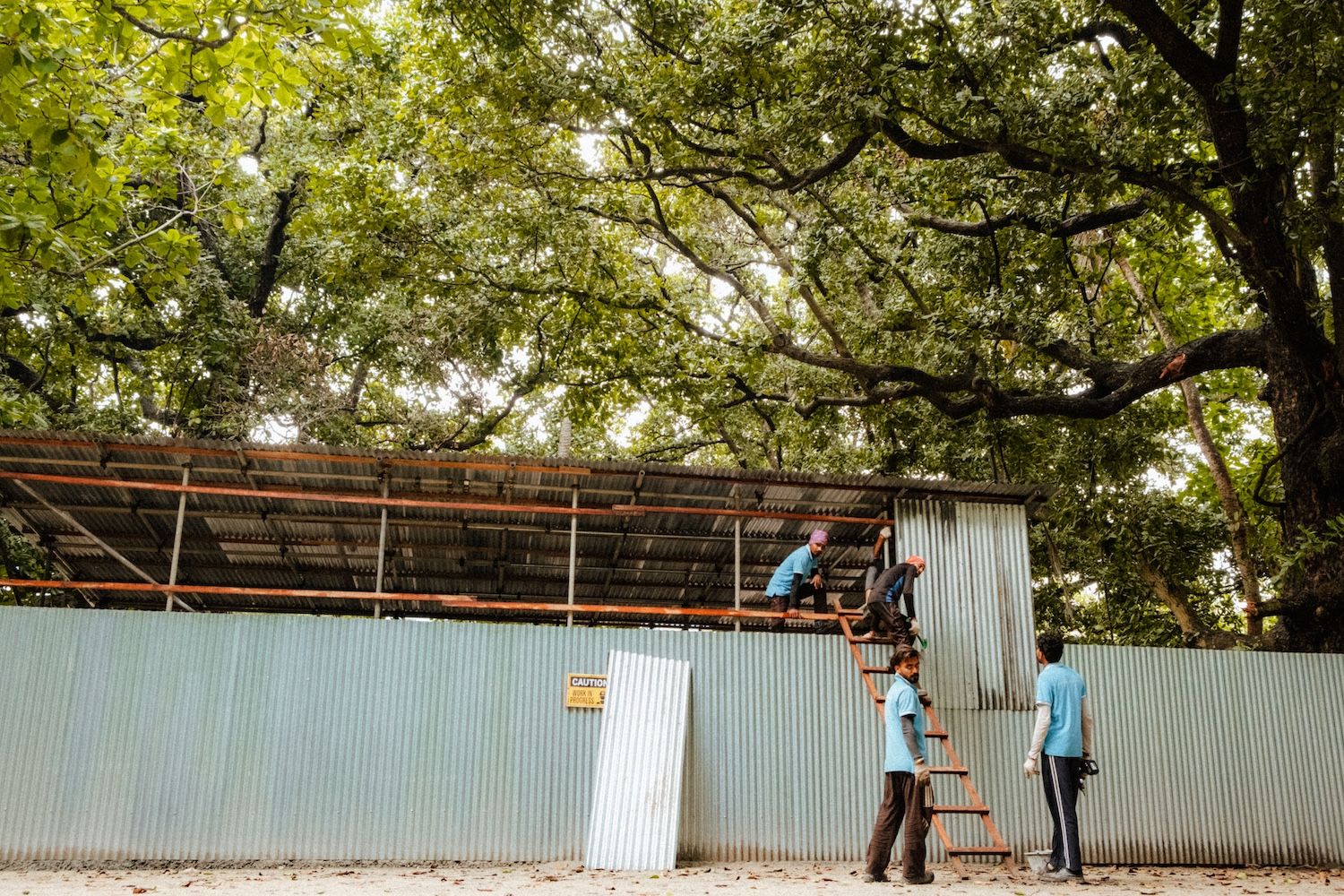
Workers putting up barriers to close off a section of Funavaa trees. With these structures securing the area before the old trees are cleared for a housing project, the moment captures the environmental cost of rapid, unchecked development and the irreversible loss of the island's natural landscape.
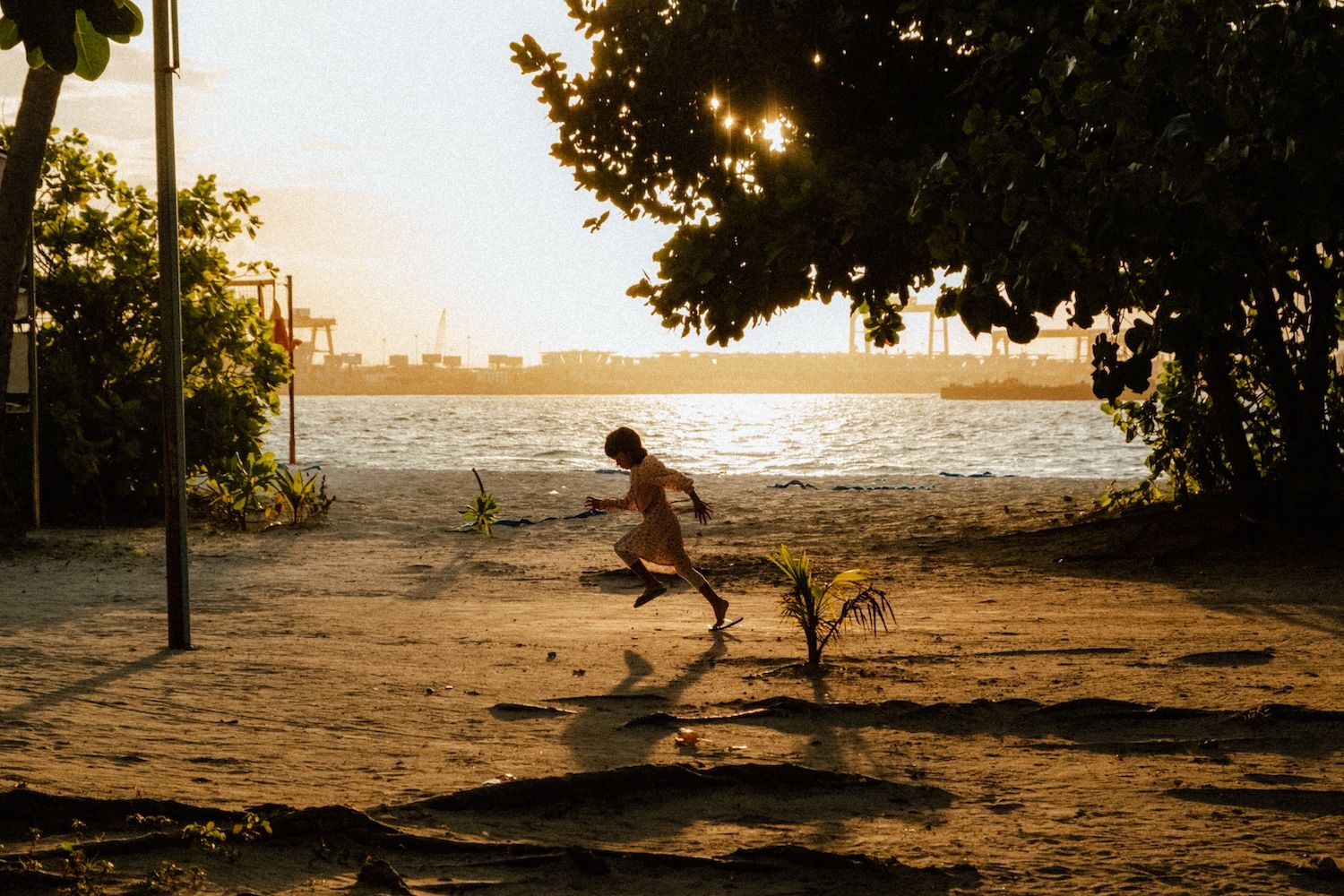
A girl playing as evening sets in, with the massive Gulhifalhu development visible in the background. Villingili residents recall a time when they could enjoy an unobstructed view of the sunset from this shore. Now, the sprawling industrial expansion across the water stands directly in the way, serving as a preview of urban transformation and loss of natural spaces.
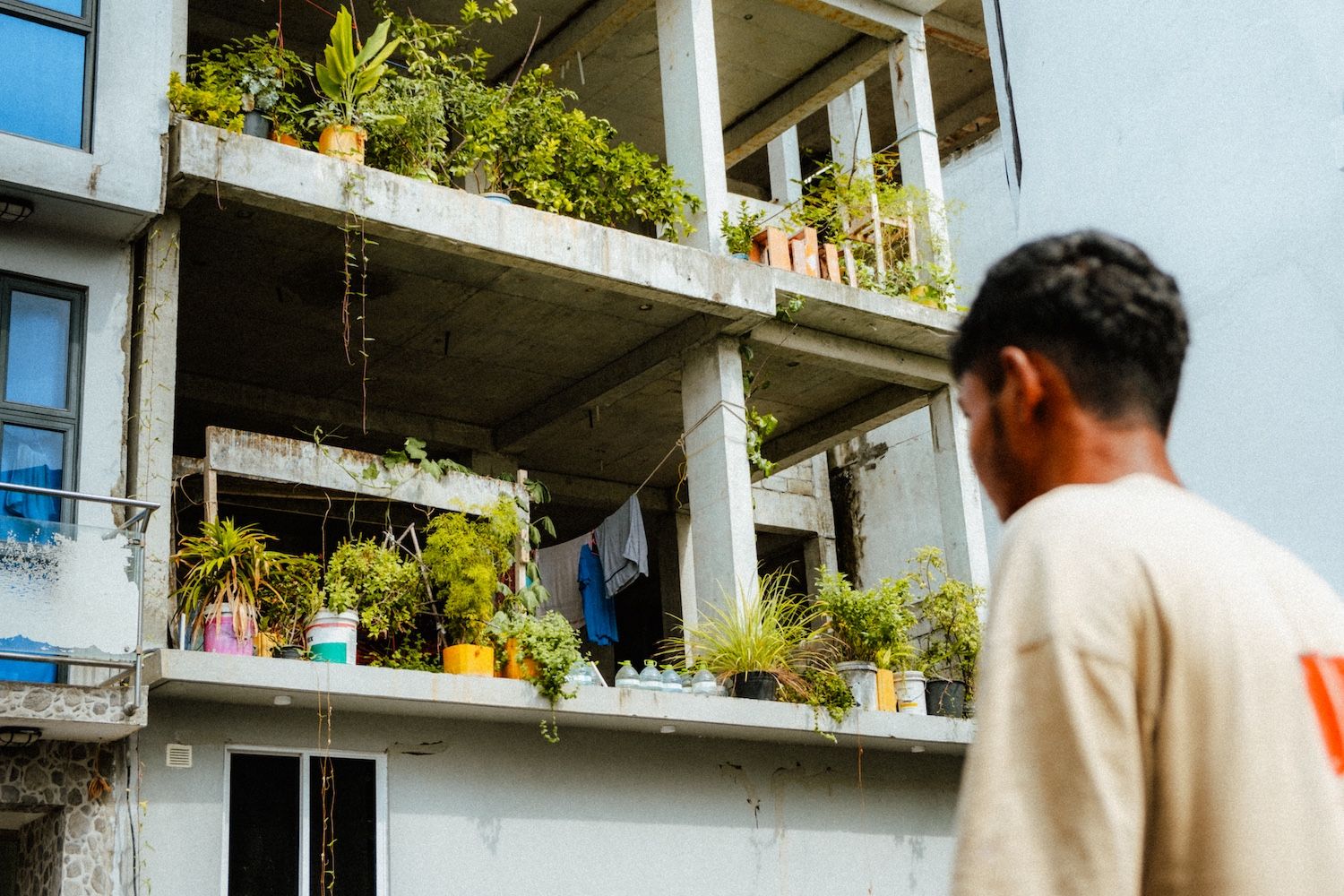
A multi-story building under construction, where only the concrete columns and open floors are currently visible. Rows of potted plants line the edges of the unfinished concrete decks, reflecting the residents' deeply ingrained habit of keeping their environment green.
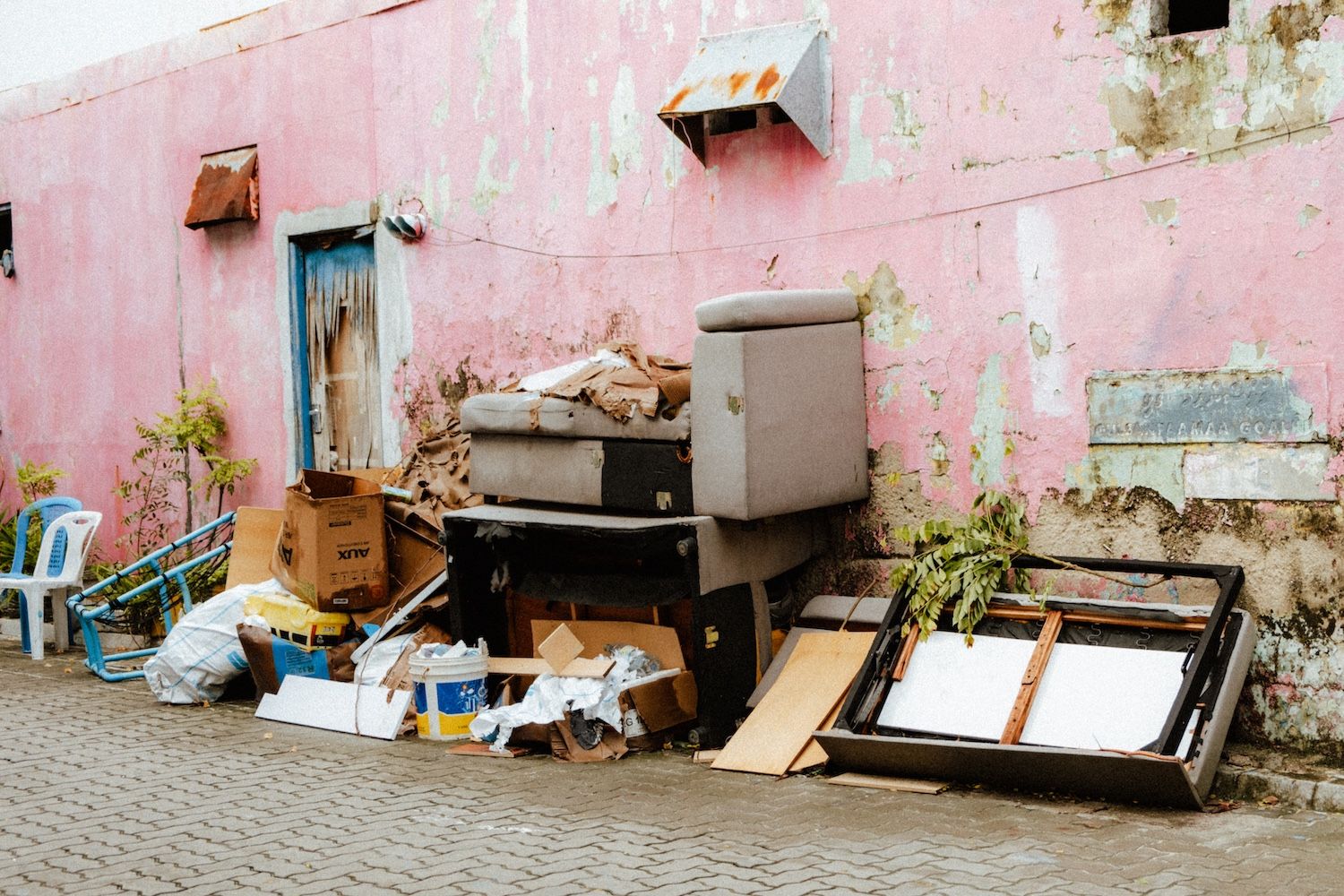
Trash scattered along a roadside corner, presenting a contrast to the island's traditionally clean streets. As Villingili faces increased activity, these small buildups of waste reflect the growing pressure on local infrastructure.
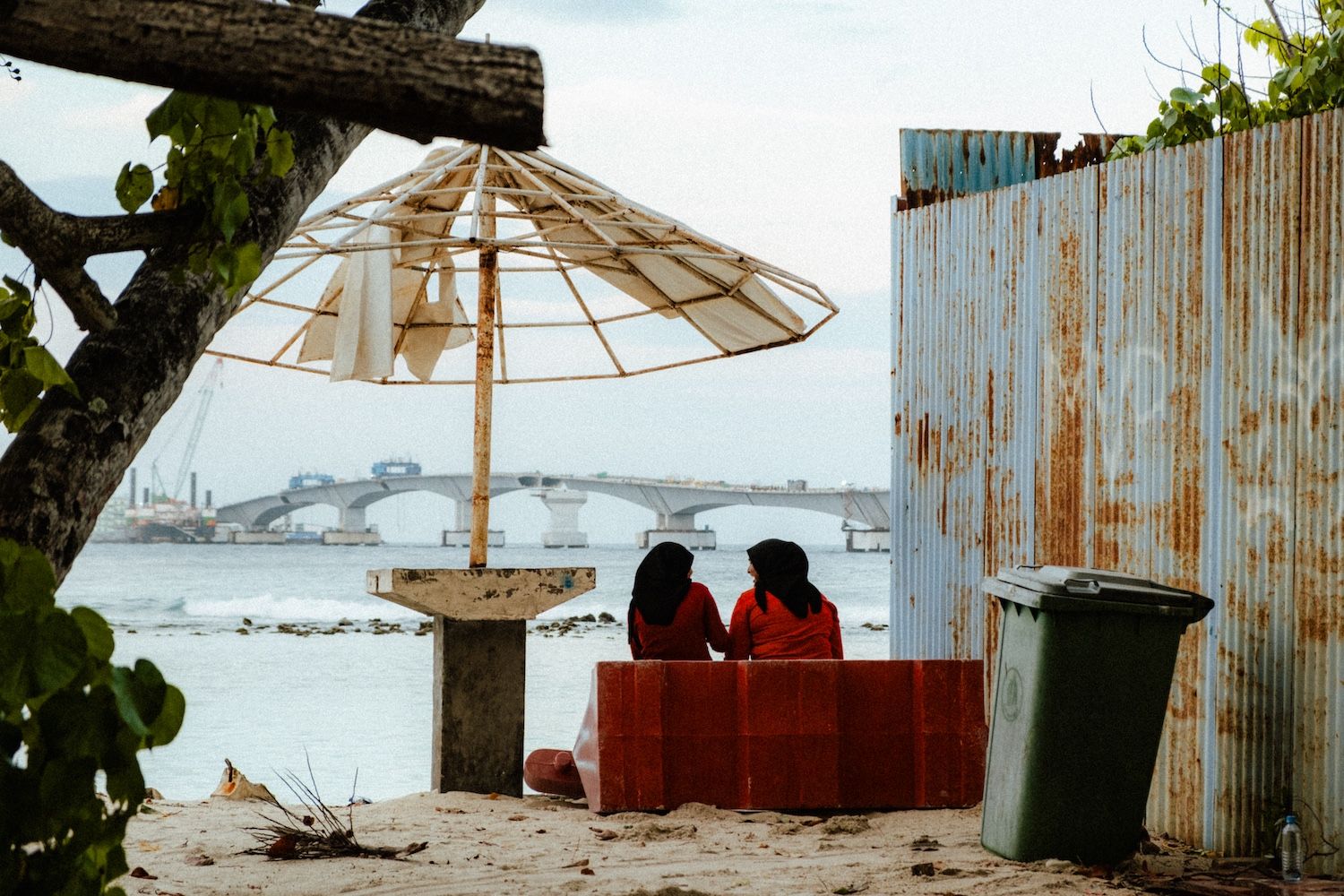
Two girls on the beach with the Thilamale Bridge construction site visible in the background, showing the massive structure stretching across the channel toward Villingili. The scale of the concrete pillars and decks dwarfs the island’s low-rise coastline. While some view the bridge as a necessary connection to resolve long-term transport and housing challenges, others worry it will permanently alter the island’s quiet character.
Jauson Lomo is a Malé-based photographer who posts as @heyyousuck on Instagram, where more of his work can be found.
Discussion
No comments yet. Be the first to share your thoughts!
No comments yet. Be the first to join the conversation!
Join the Conversation
Sign in to share your thoughts under an alias and take part in the discussion. Independent journalism thrives on open, respectful debate — your voice matters.
Support Independent Journalism
Help us keep the news free and fearless
Give once
$
or
Become a memberfrom $5/month

