

City limits: capturing Malé’s inspiring capacity
Photographer Jauson Lomo explores the teeming life struggling to be contained within the Maldives’ cramped island capital.
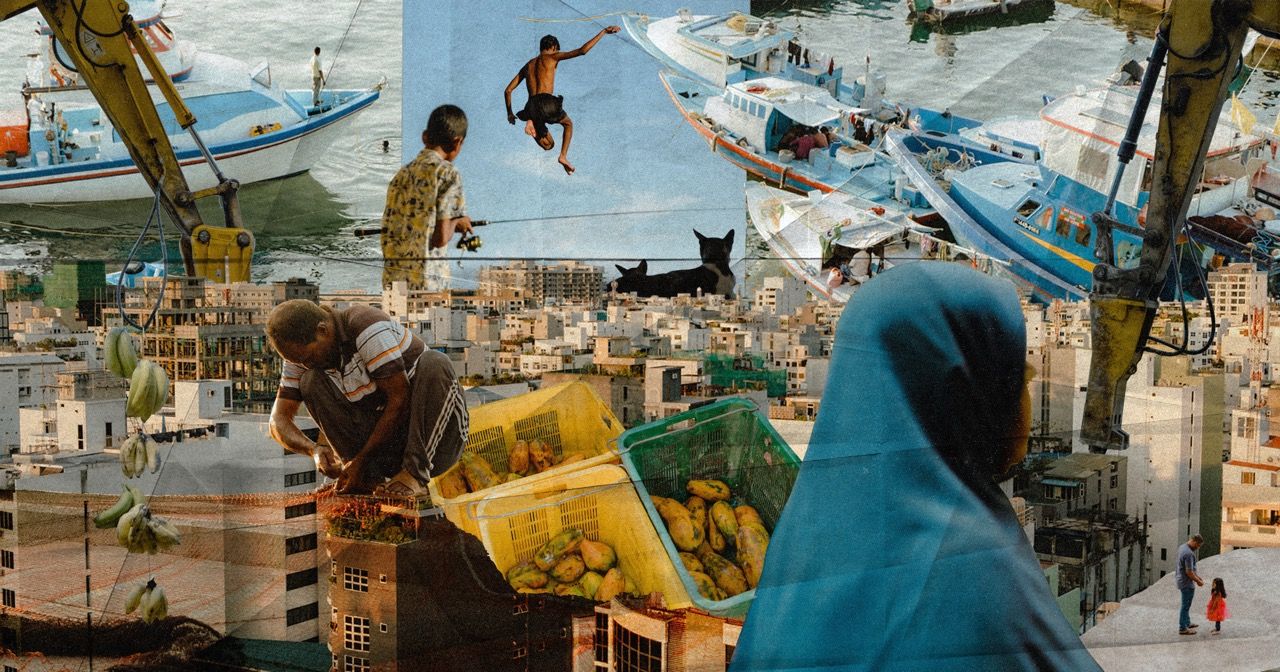
Artwork: Dosain | Photographs: Jauson Lomo
25 Apr, 15:27
Malé is a city built on a paradox. It’s a tiny island of just two square kilometers holding the weight and dreams of a country’s growing population. These twenty photos attempt to show a city pushed to its absolute limit, where the concrete is thick and the air is tight.
Even so, you see how the city's residents persevere. Malé offers a lesson in resilience, seen in the way people find ways to flourish within the narrowest of limitations. The infrastructure is lagging and the space is running out, but the spirit of the city remains.
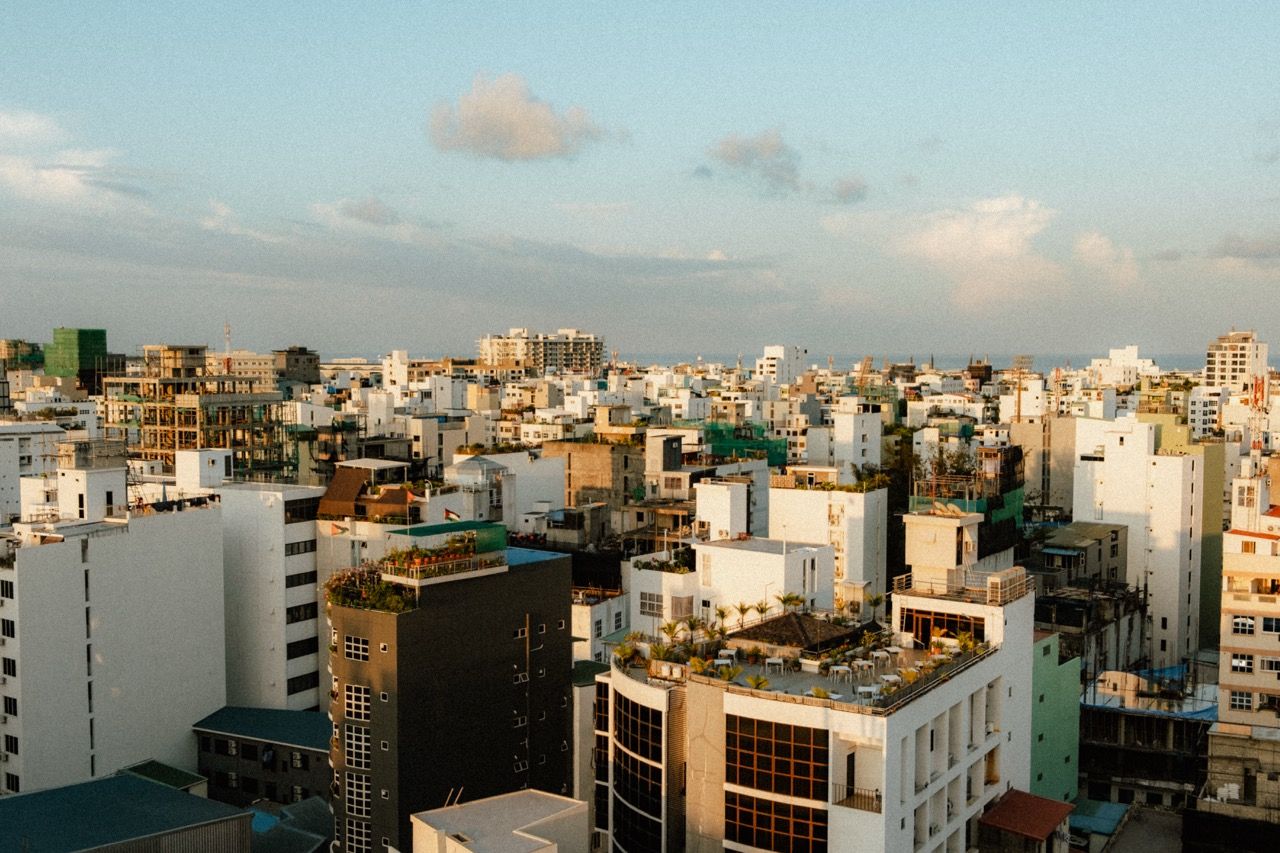
Golden hour in Malé City, the shared home of over 200,000 residents. From 15 stories up, the city is deceptively quiet and striking. On the ground, the streets are vivid, loud and restless. It is a city I call home, but one that is clearly outgrowing its infrastructure and still waiting for the improvements it needs.
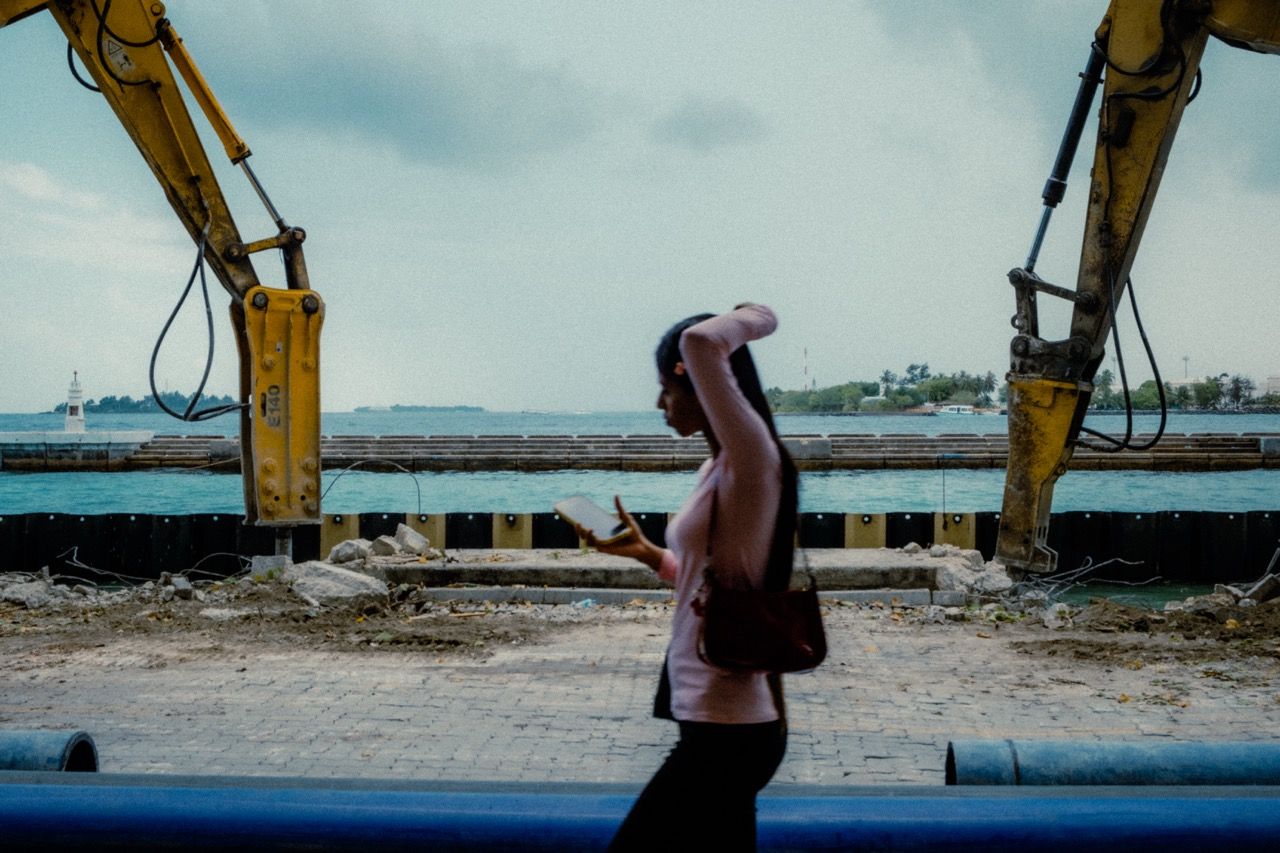
A pedestrian navigates Boduthakurufaanu Magu as road expansion projects struggle to keep pace with a surging population. With the city’s borders now pushed to its limits, it’s yet to be seen whether these few extra metres will offer a long-term solution or if it’s just a temporary fix for an island running out of space.
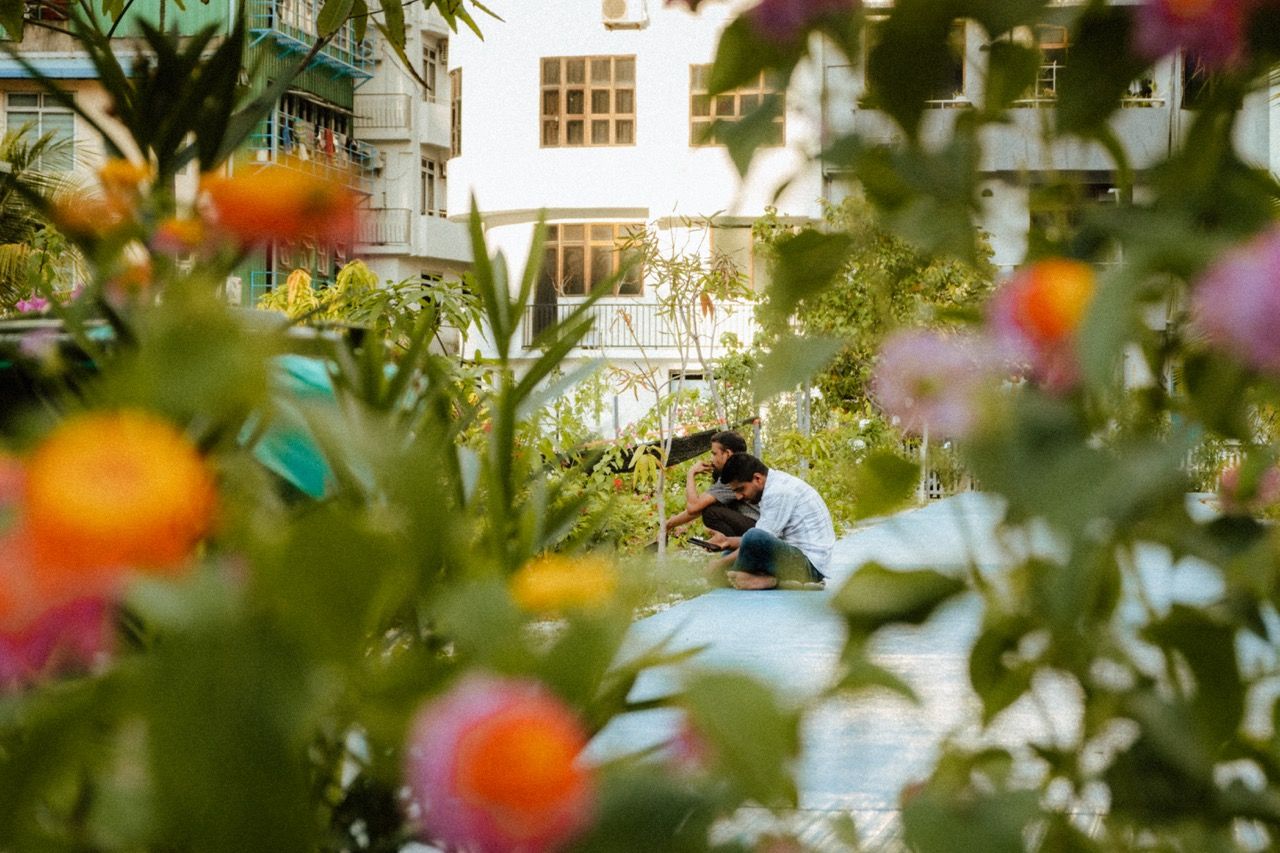
Migrant workers find a brief pocket of calm in a public park recently transformed from an old cemetery. For this often exploited workforce, housed in cramped and overcrowded quarters, these public spaces are the only reprieve from a city that offers them no personal space.
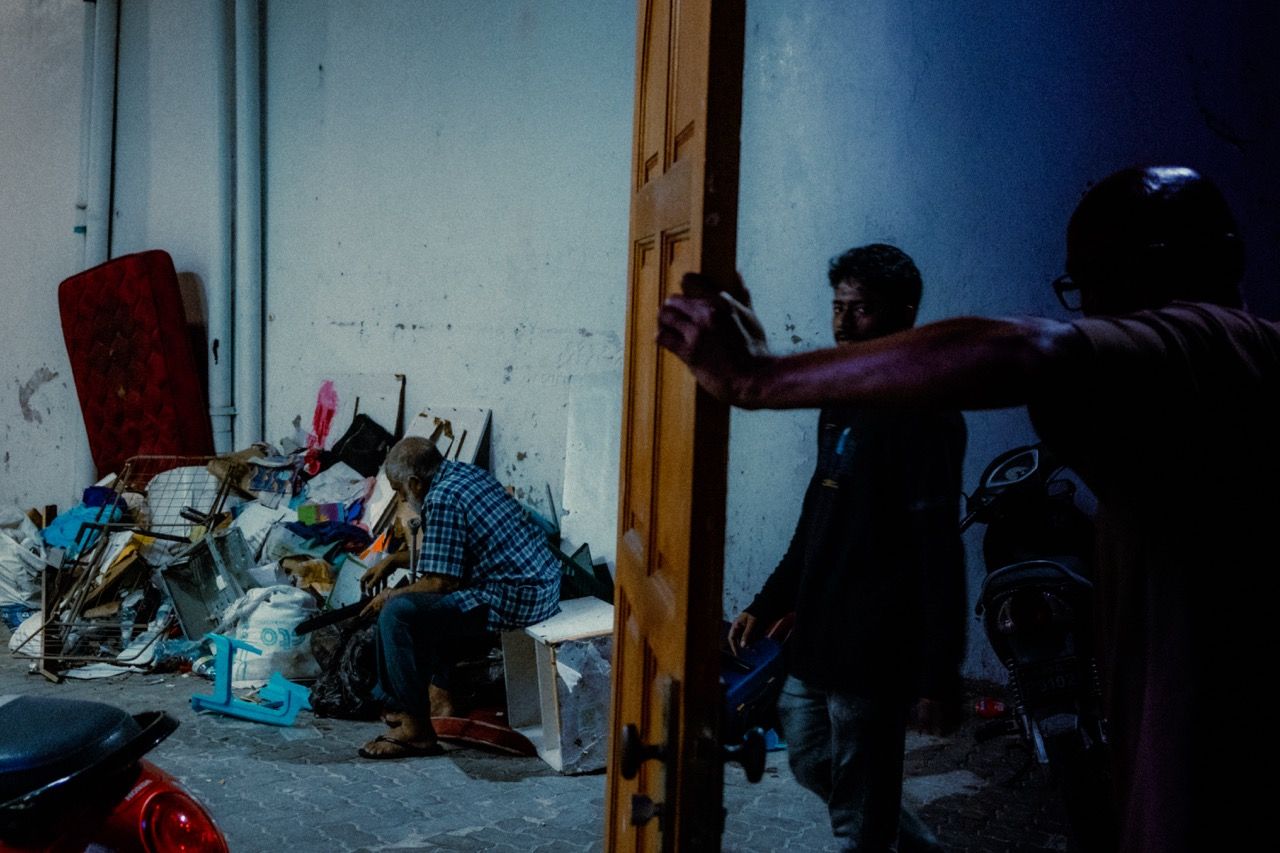
An elderly man sifts through a pile of trash on a street corner while a man holding a door looks on. Waste management is a visible, constant challenge that has never been adequately addressed at a city or national level. The evidence for this can be seen on the city's street corners and in the middle of daily life.
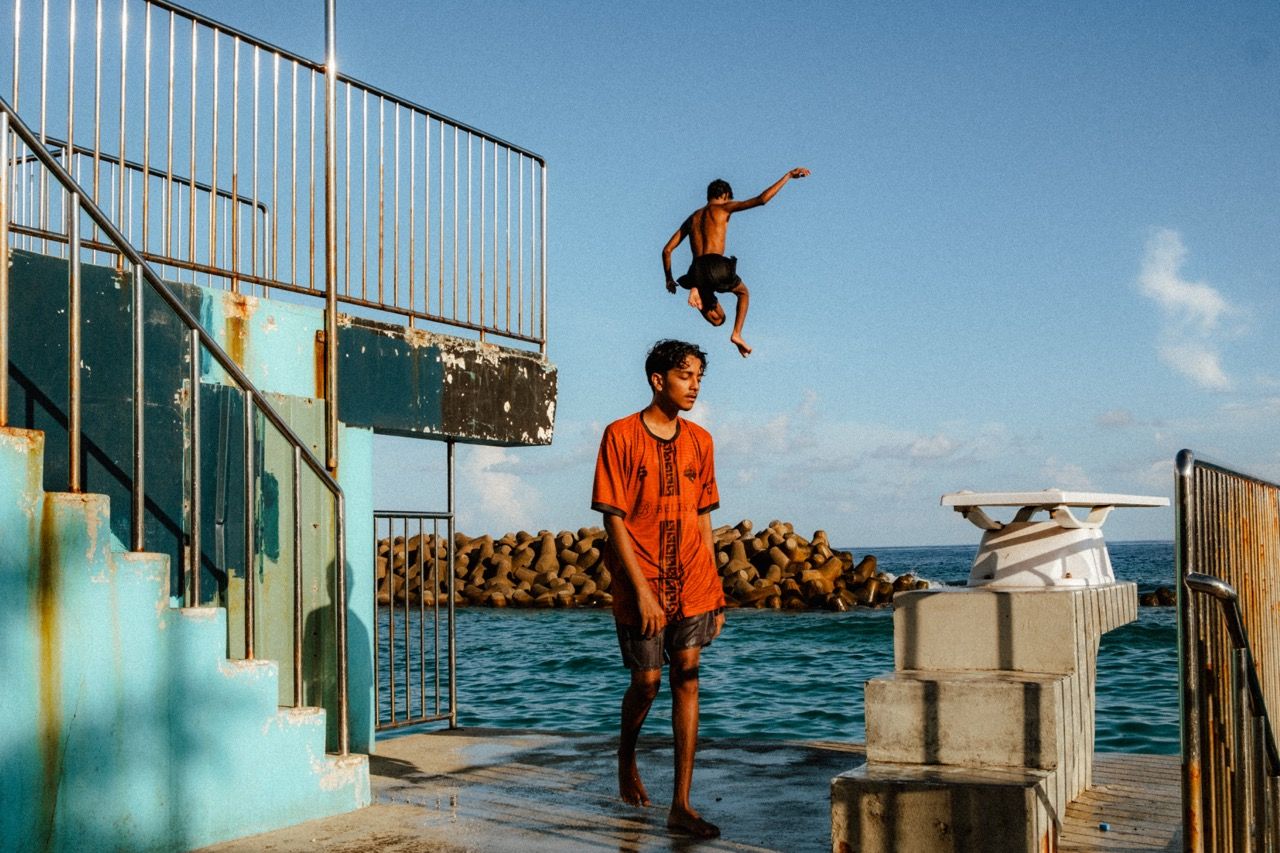
Mid-air off the diving platform at the track. Even with occasional closures due to water contamination, this continues to be one of the few designated swimming areas left in the city.
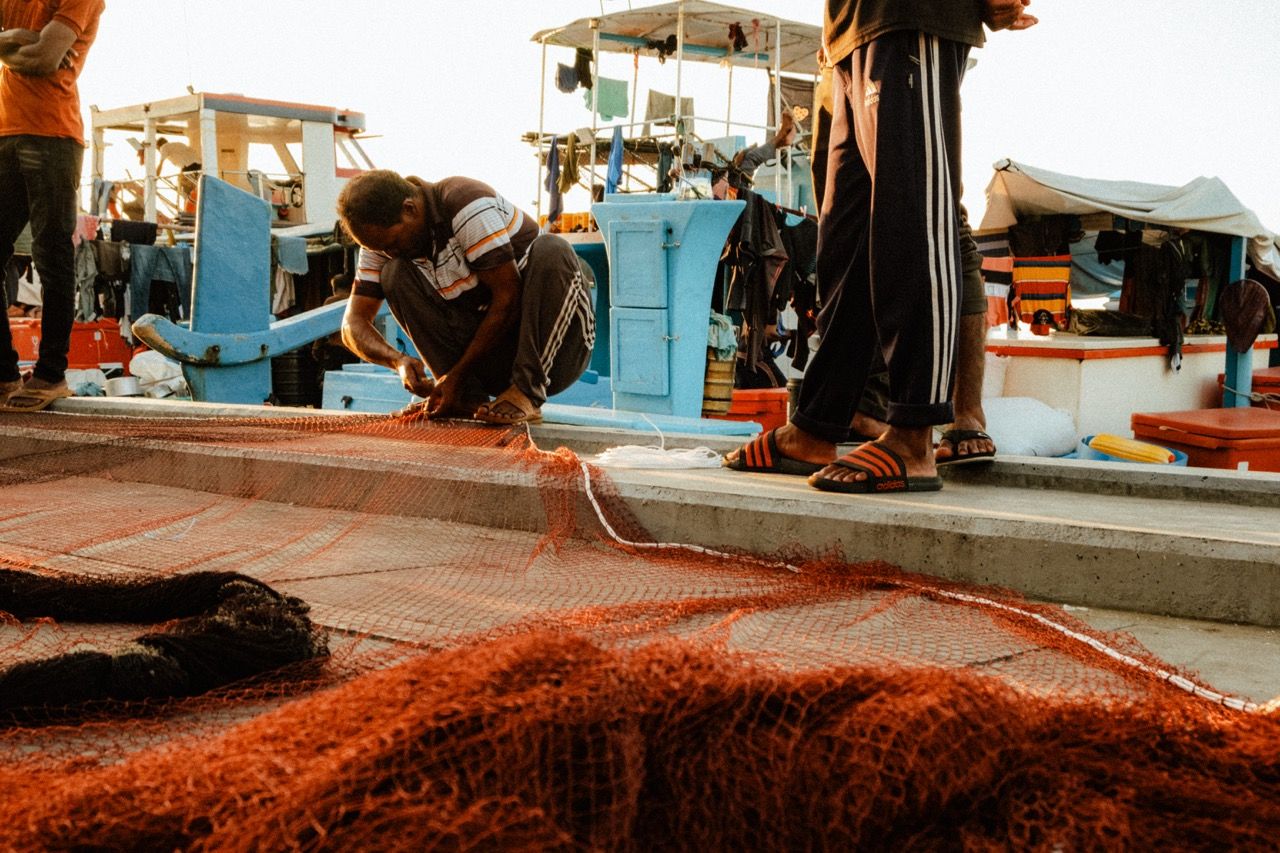
A fisherman repairs his net on a crowded sidewalk. As the city expands, traditional industries are forced to compete for space within the increasingly dense urban landscape.
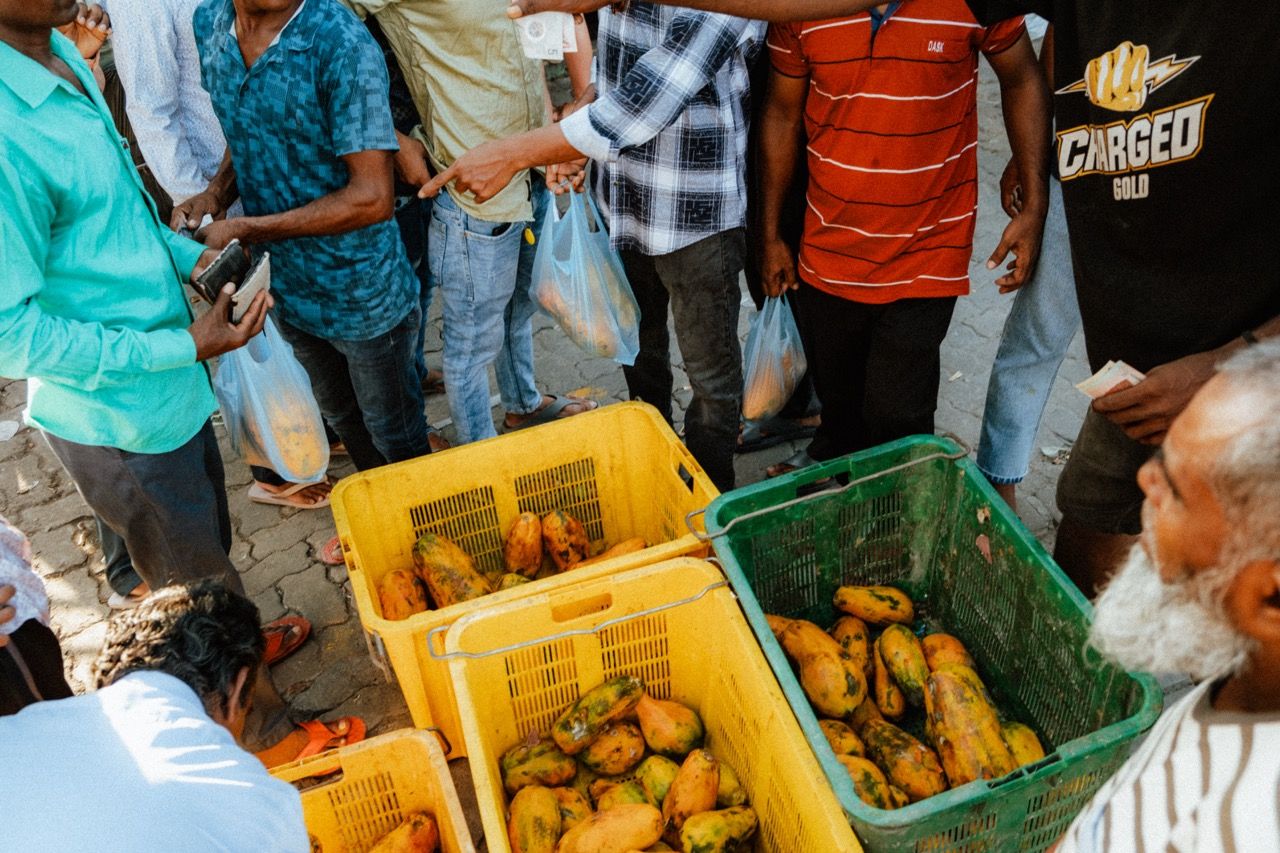
A vendor auctions off papayas, on the verge of turning rotten, to the highest bidders. In a city dependent on imports, these street-side auctions are the final stop for produce before it goes to waste.
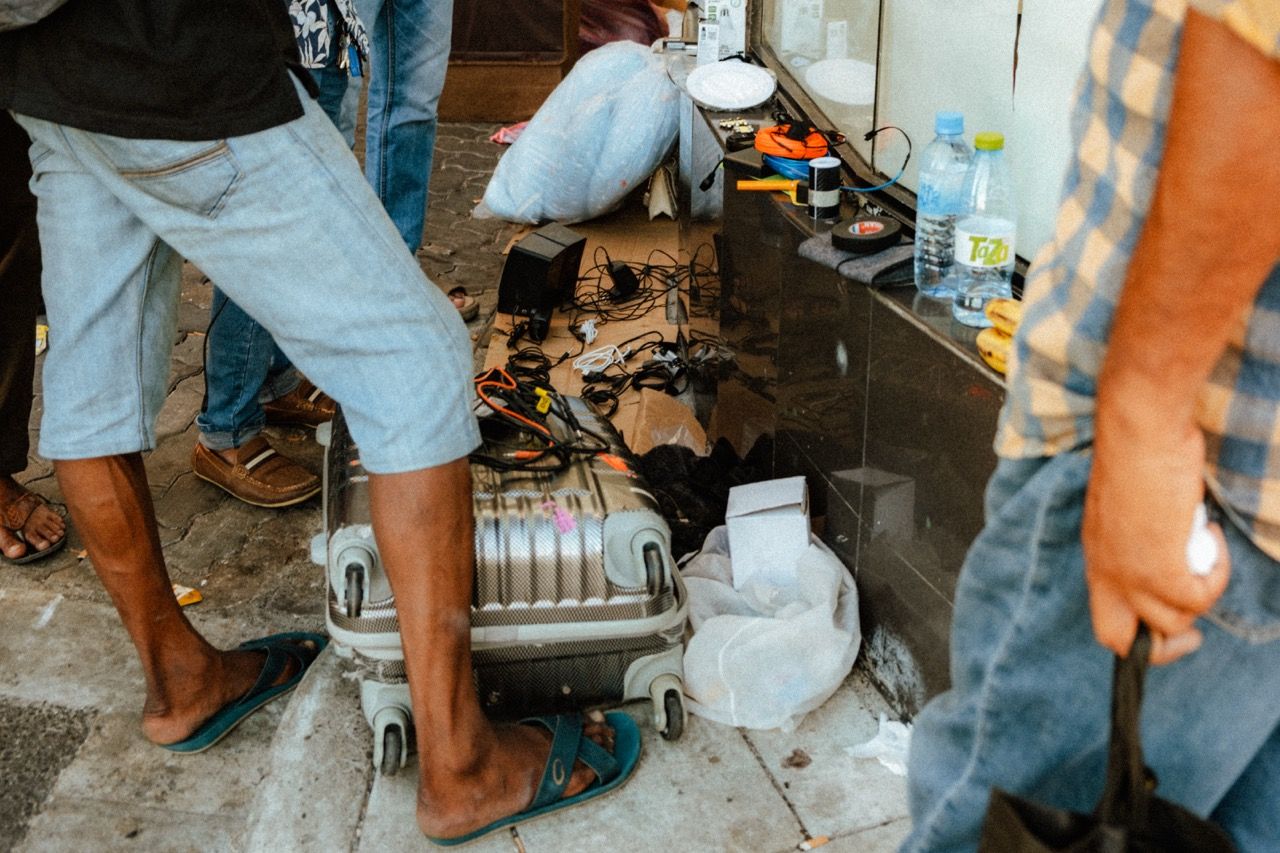
Customers and traders gather around some random items at the periphery of the local market. This spot has been referred to locally as the 'Meth Bazaar'. The city's most vulnerable population gathers here to sell their salvaged items. It is a daily reminder of the growing substance abuse problem under the surface of the city.
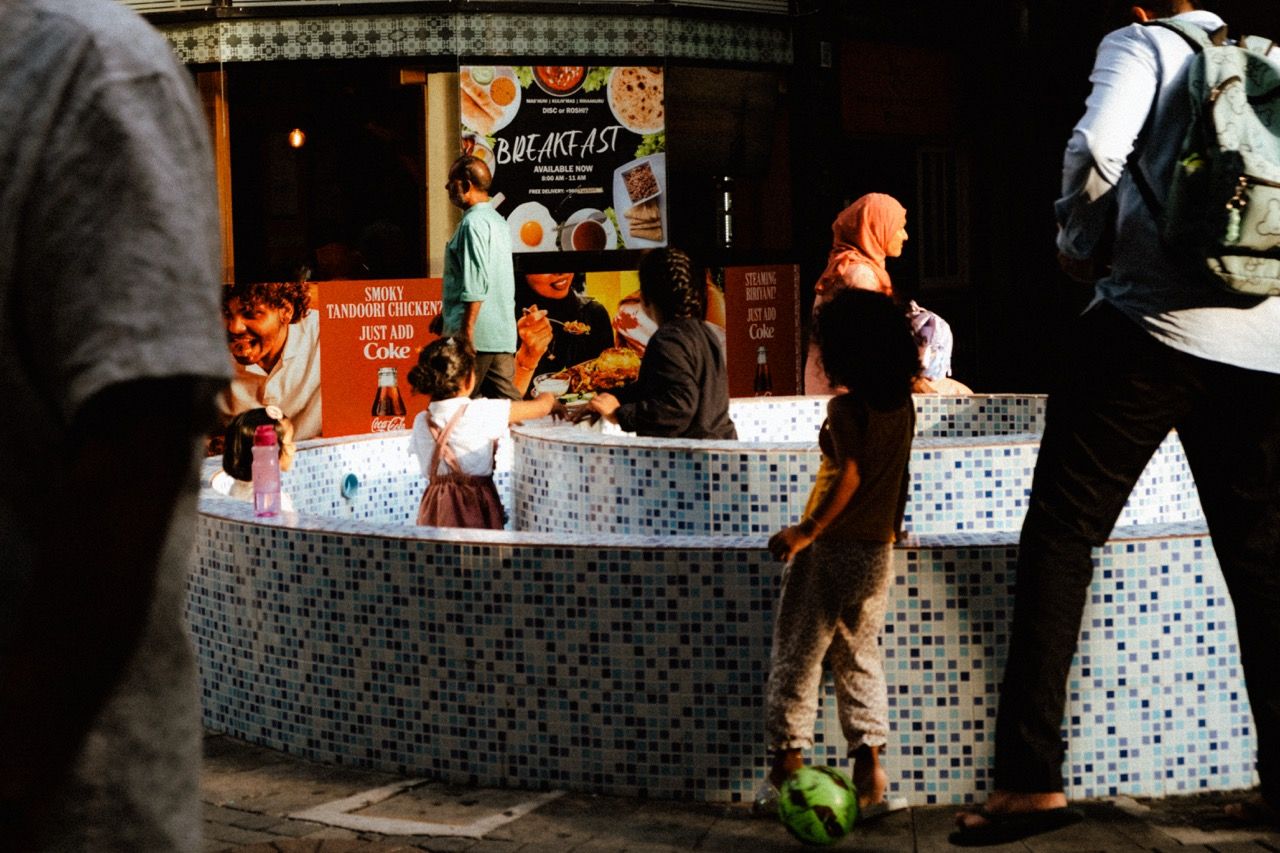
A group of children play inside a dry fountain at the Malé grand housing complex. In a city lacking in functional parks and open public spaces, these neglected fountains serve as a reminder of the struggle to provide and maintain infrastructure for the residents who need it most.
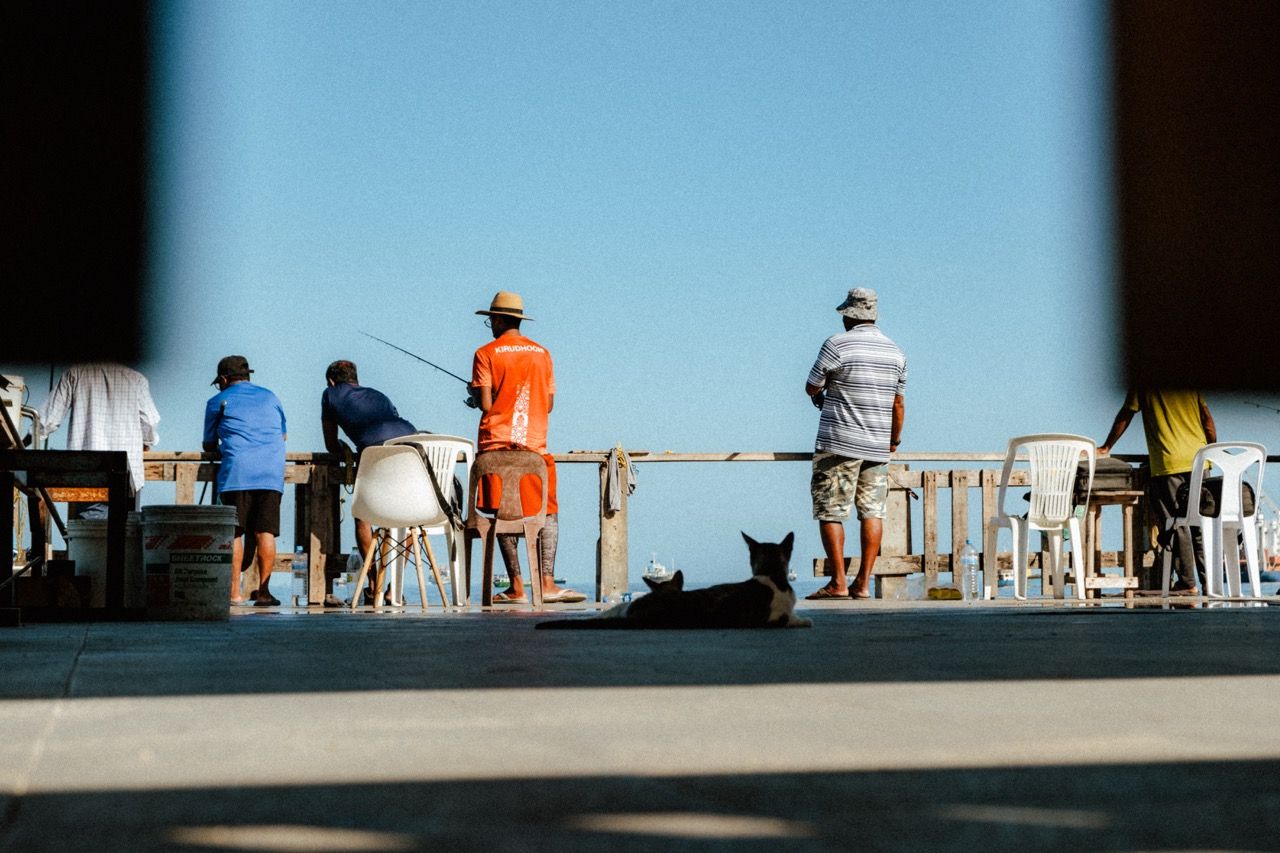
A cat and her kitten watch the fishing platform at Rasfannu. In a city dependent on commercial food chains, these small-scale efforts represent the dwindling opportunity for residents to remain self-sufficient.
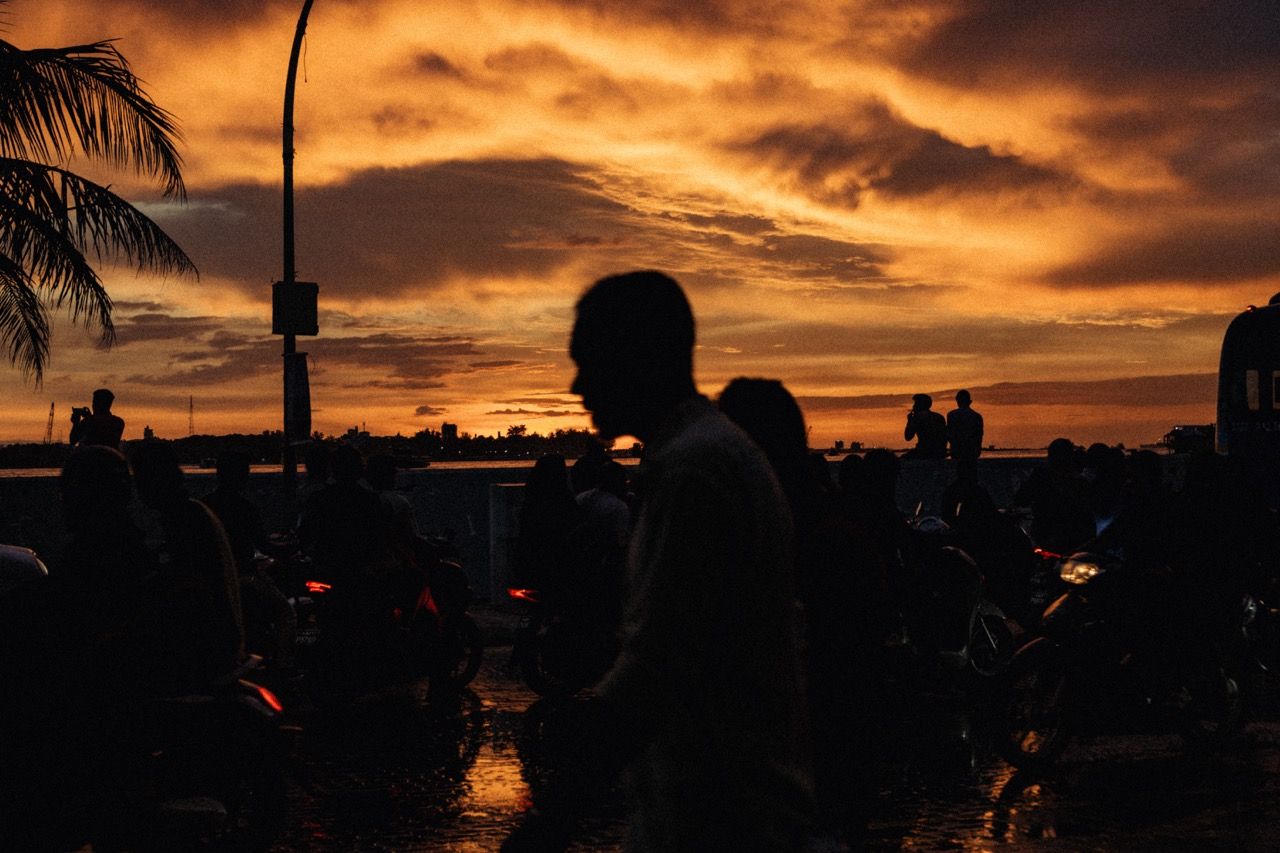
A traffic jam induced by the sunset. On days when the view is exceptional, traffic on the western side of the island sometimes comes to a standstill. No matter how busy life gets in this city, people still find a moment in their day to stop and admire it.
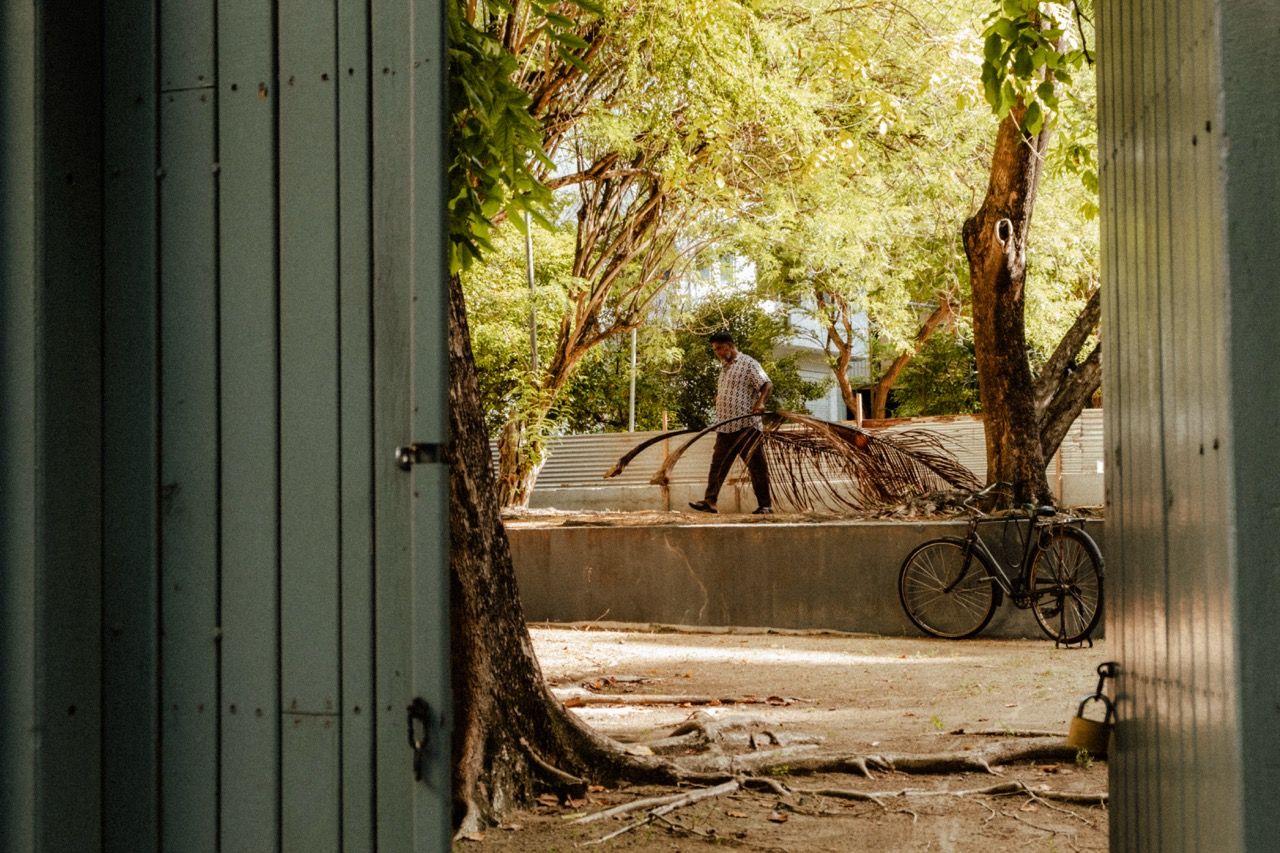
A worker clears the grounds of a former cemetery to make way for a new parking lot and park. In this city the demand for space is so relentless that it no longer stops at the grave.
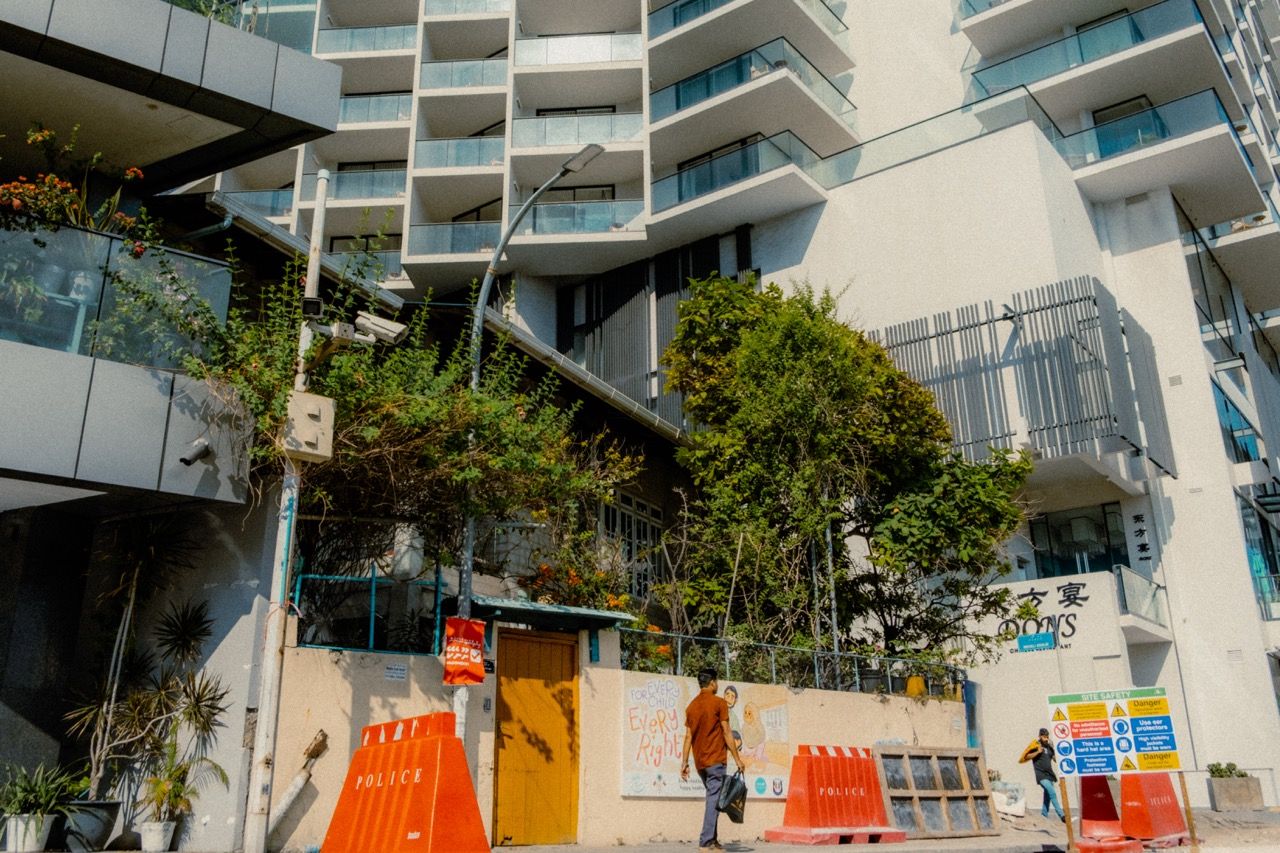
A resident walks between two towering high rise buildings that dwarf a single story house on Boduthakurufaanu Magu. As one of the few last remaining low-rise houses on the Malé City skyline, it stands as a reminder of a rapidly disappearing past.
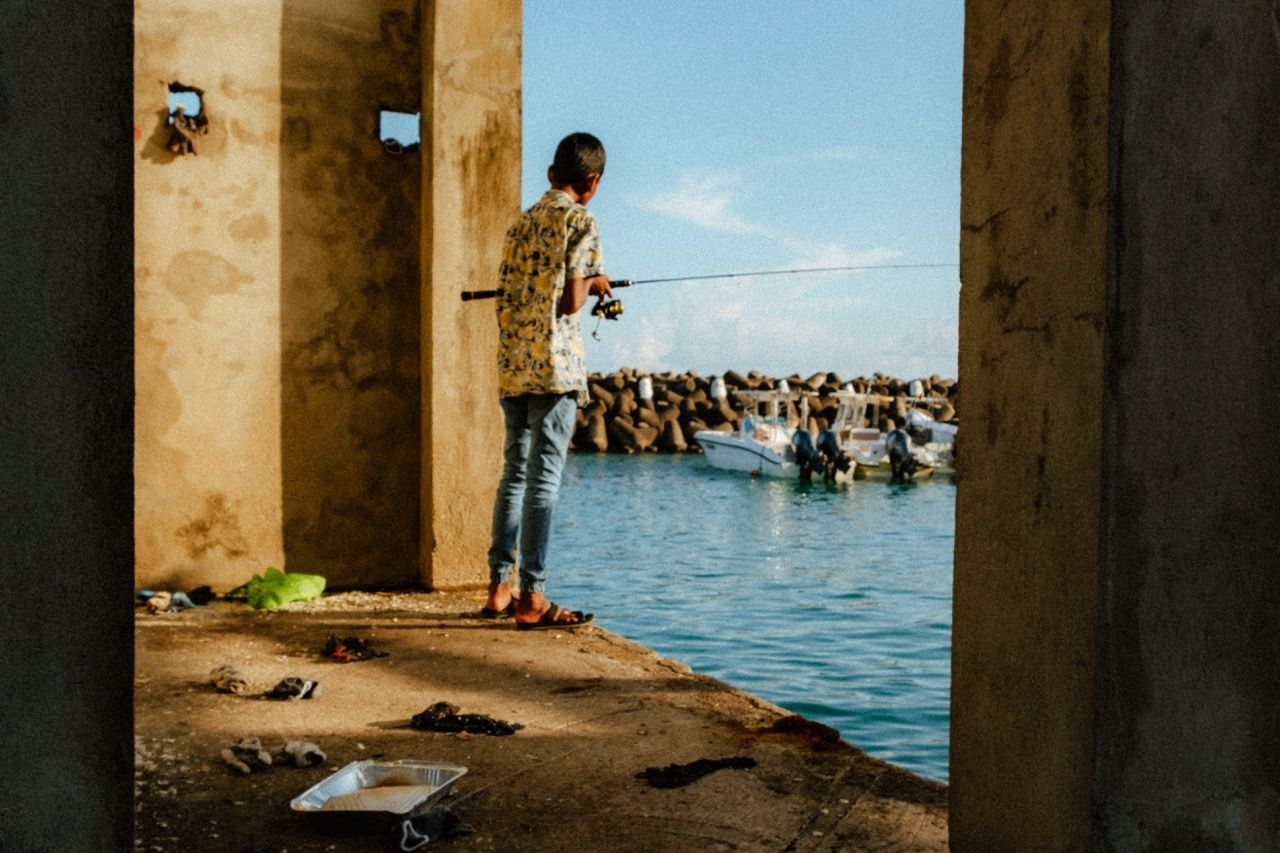
A boy finds a quiet fishing spot along the city’s coastline. Even as the shoreline is reinforced with concrete and tetrapods, the traditional connection to the sea persists.
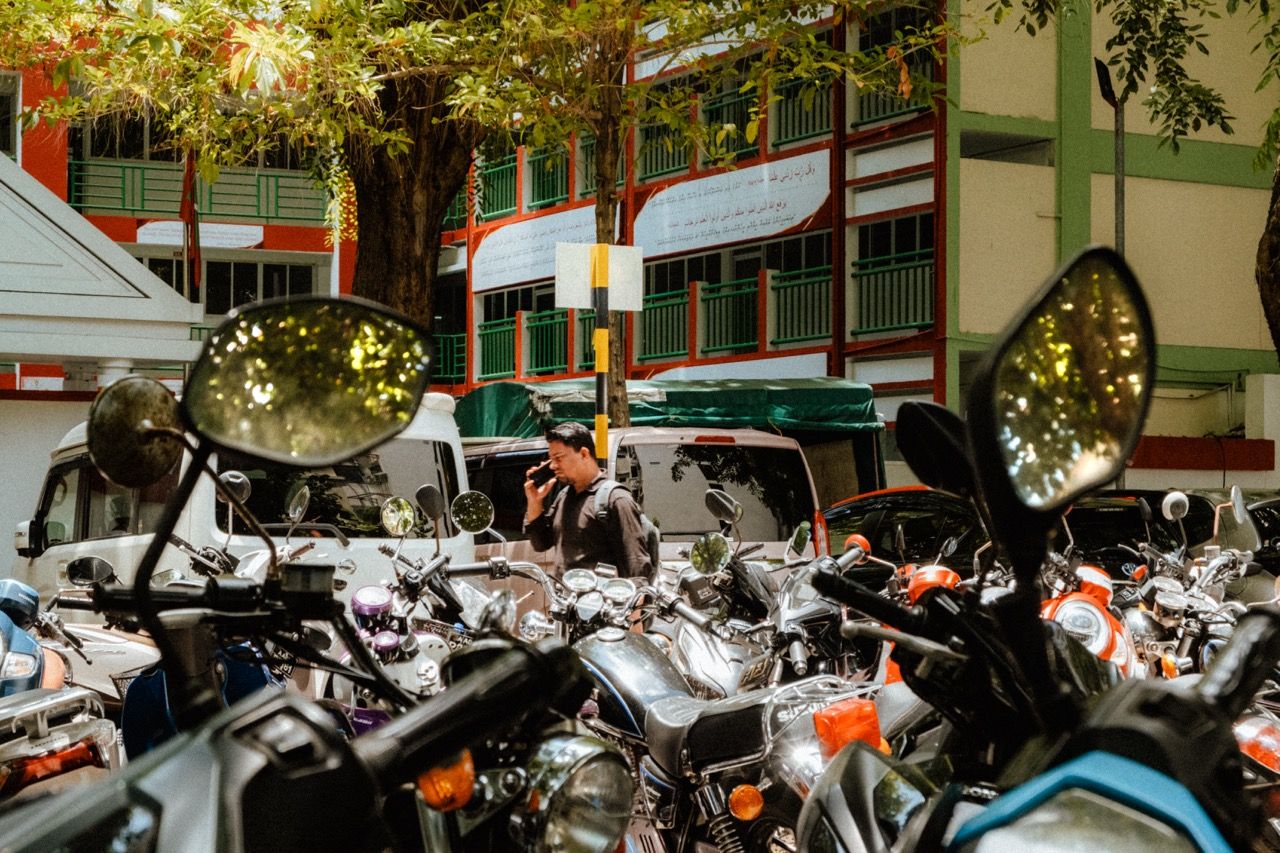
A sea of motorcycles in a Malé parking lot. As the number of vehicles grows while the island stays the same size, these crowded rows show the city’s struggle for space. At this point, any open spot on the streets of the city is a potential parking zone for its vehicles.
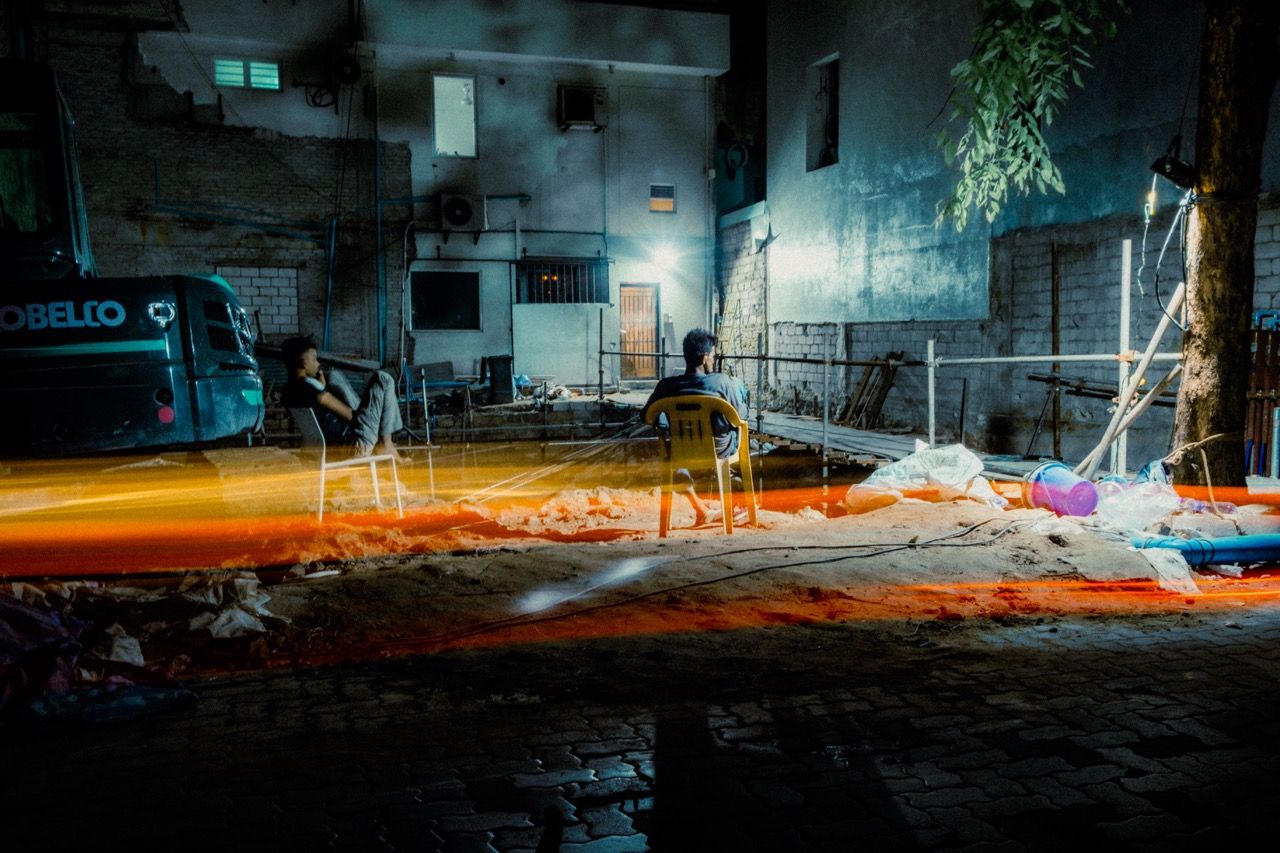
Construction workers resting at a site as traffic passes. In Malé, there is usually no separation between development and daily life. To reach almost any destination in the city, one must navigate through a constant series of active construction sites.
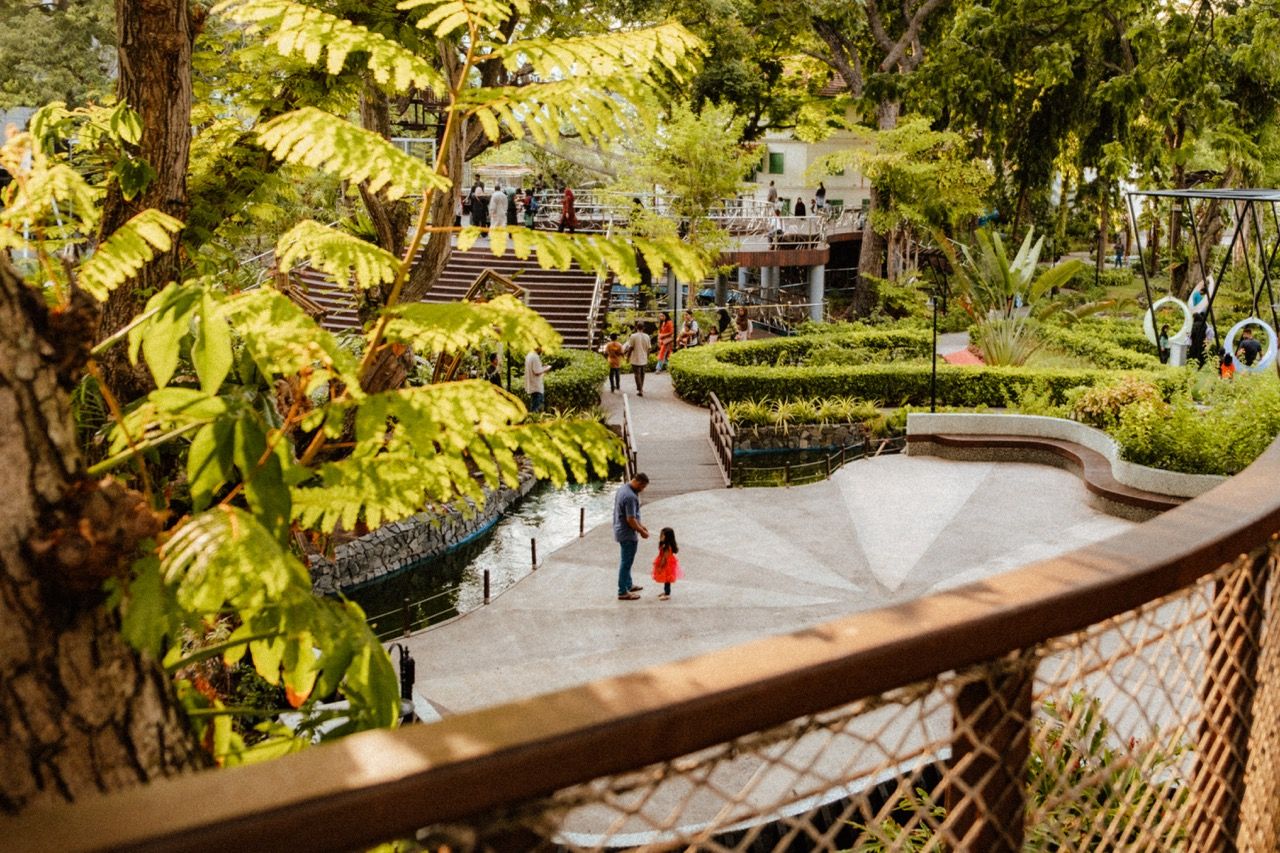
Families visiting Sultan Park on a weekday afternoon. As the city’s most established green space, having survived decades of urban expansion, it endures as the home to most of the heritage trees remaining in Malé, offering a rare connection to the island’s natural past.
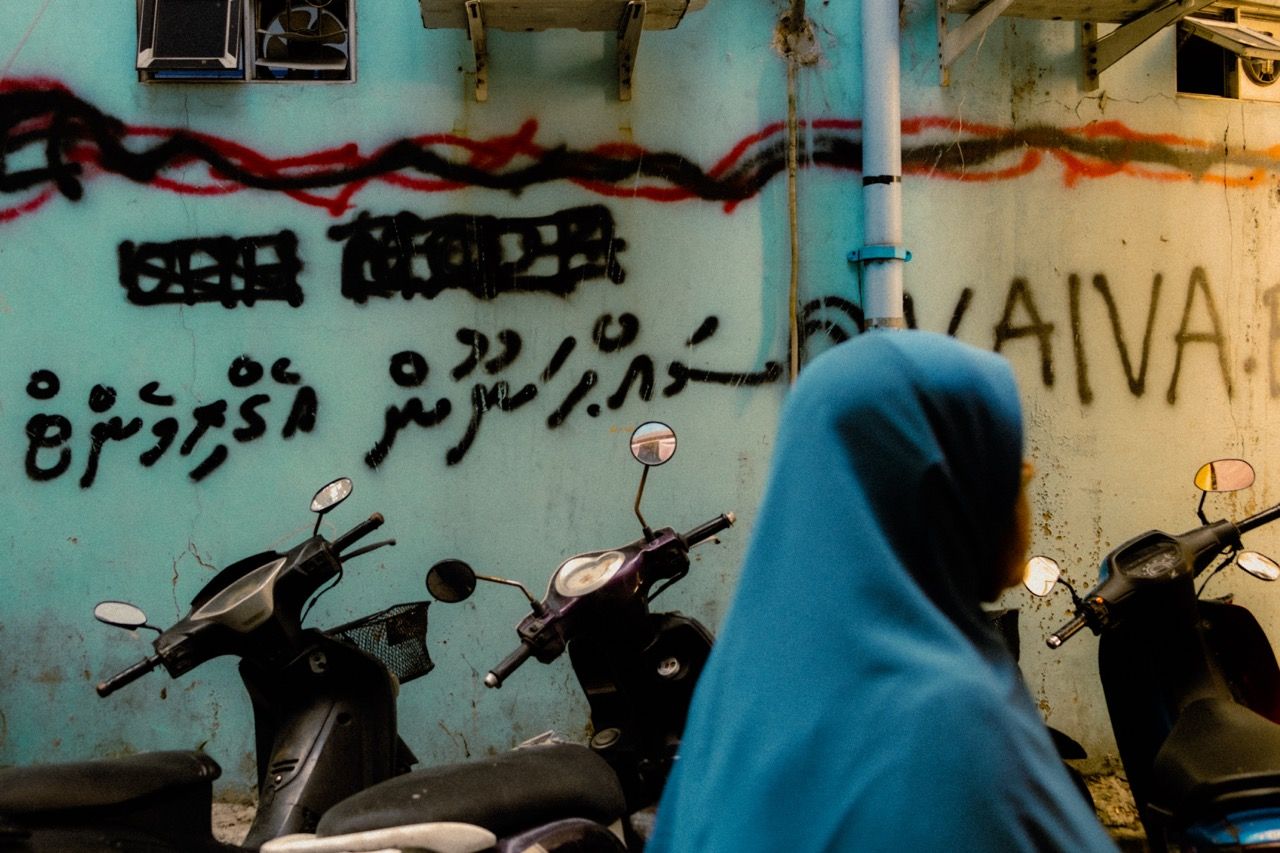
A woman walks past a wall covered in graffiti. Many of the walls in Malé are covered in either graffiti or fading posters. While some of the messages are clear statements, others are fragmented or left entirely up to interpretation.
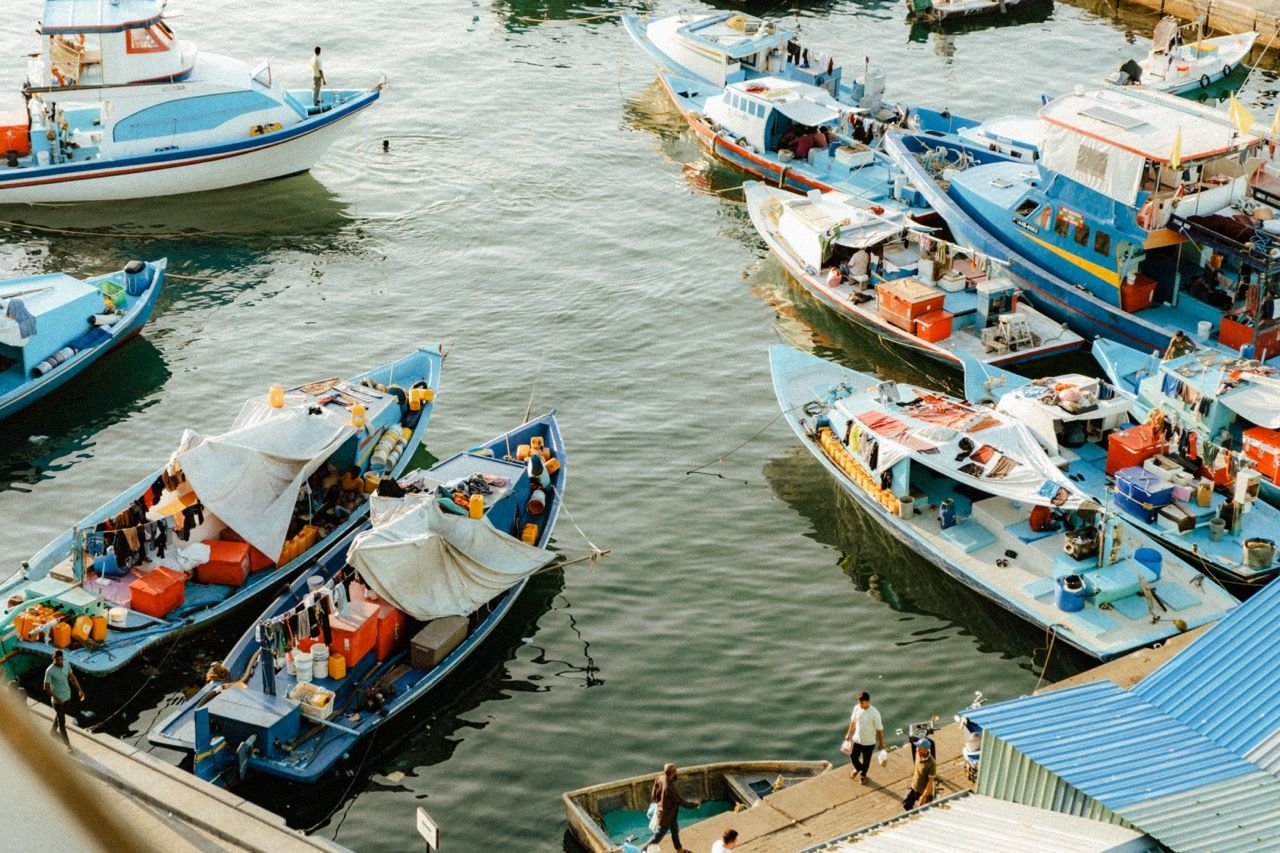
Fishing vessels at the Malé local market harbour. As the city grows, the limited docking space on the island is under constant negotiation
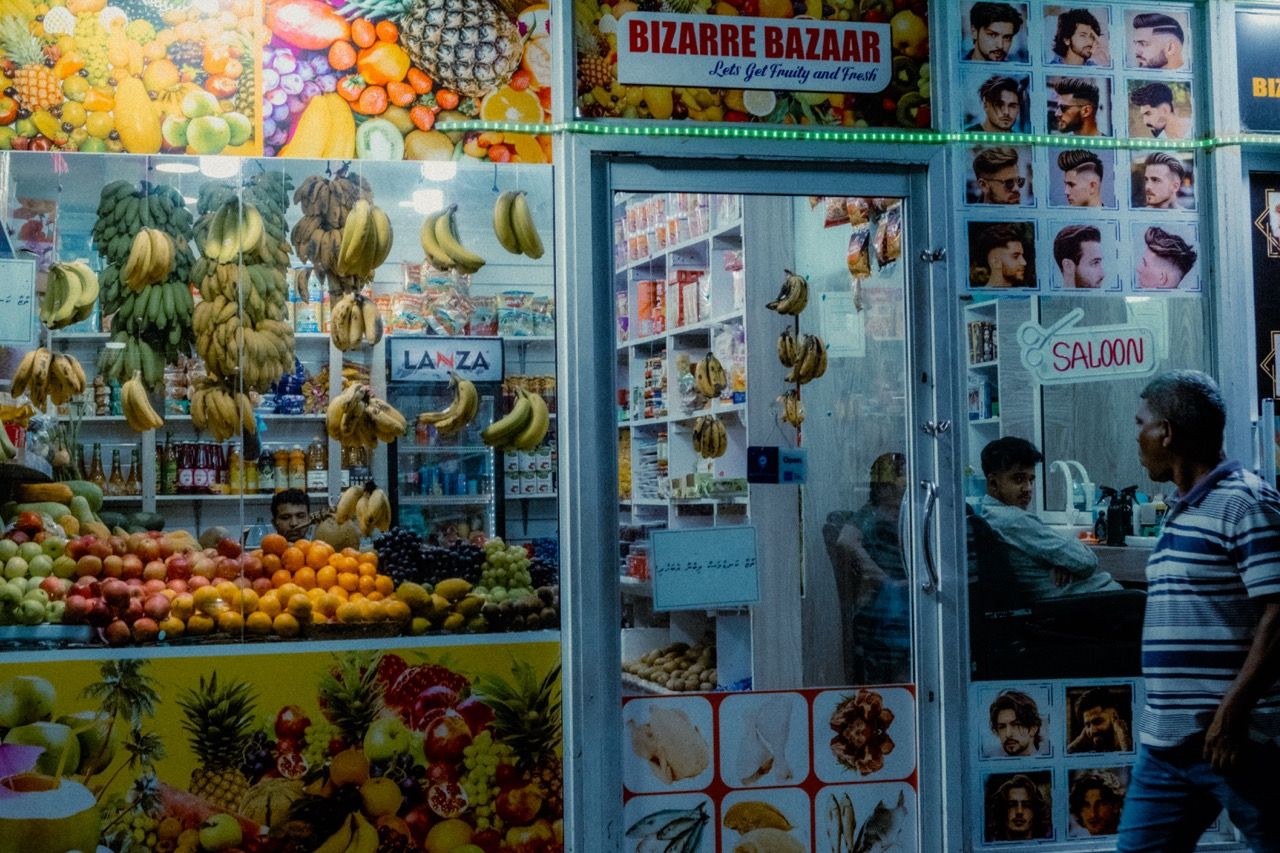
A man passes ‘Bizarre Bazar’, a hybrid shop combining a convenience store and hair salon. The name is fitting for a space that reflects the city's mood and density, where businesses maximise every available foot of space.
Jauson Lomo is a Malé-based photographer whose posts as @heyyousuck on Instagram, where more of his work can be found.
Discussion
No comments yet. Be the first to share your thoughts!
No comments yet. Be the first to join the conversation!
Join the Conversation
Sign in to share your thoughts under an alias and take part in the discussion. Independent journalism thrives on open, respectful debate — your voice matters.
Support Independent Journalism
Help us keep the news free and fearless
Give once
$
or
Become a memberfrom $5/month

