
Society

Sun, sea and smog: the Maldives' dry season haze

Annual air pollution peak poses holiday hazard.
Artwork: Dosain
Artwork: Dosain

21 hours ago
You could barely see the next island. Visibility dropped on Wednesday to what the Met office called a "staggering" 1.5 kilometres over the central atolls as the Health Protection Agency urged precautions against dangerous levels of air pollution.
Over recent years, the annual haze that descends over the Maldives has become thick enough to prompt news coverage, social media warnings, and growing concern over the impact on public health and the economy. Peak tourism season – which also coincides with the month-long school holidays – and peak air pollution season are now the same.
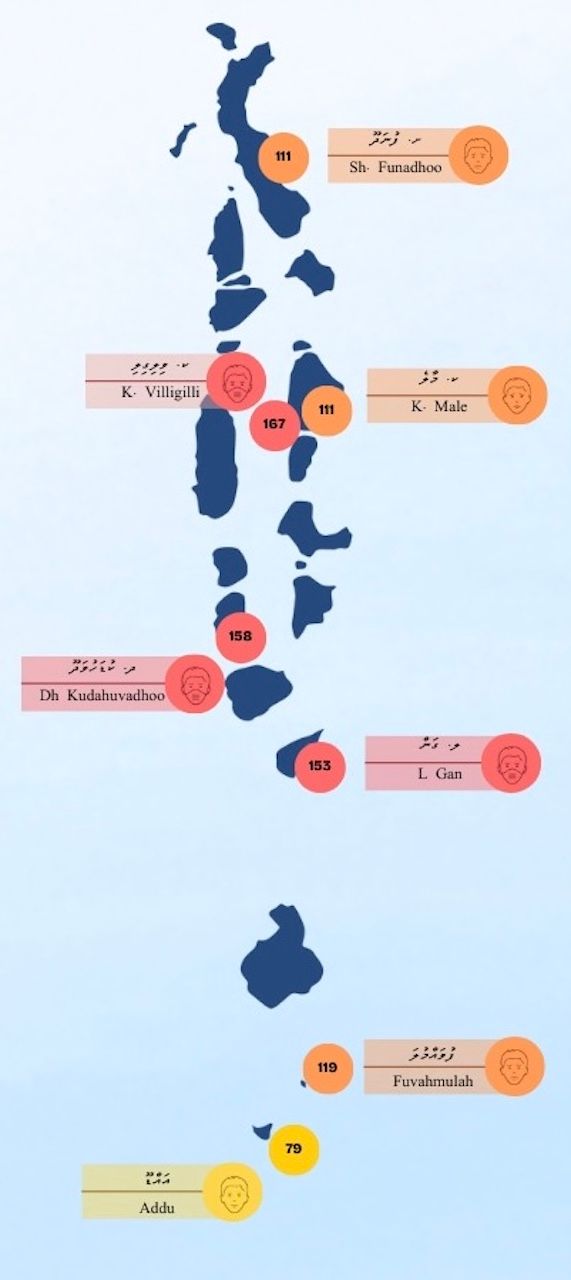
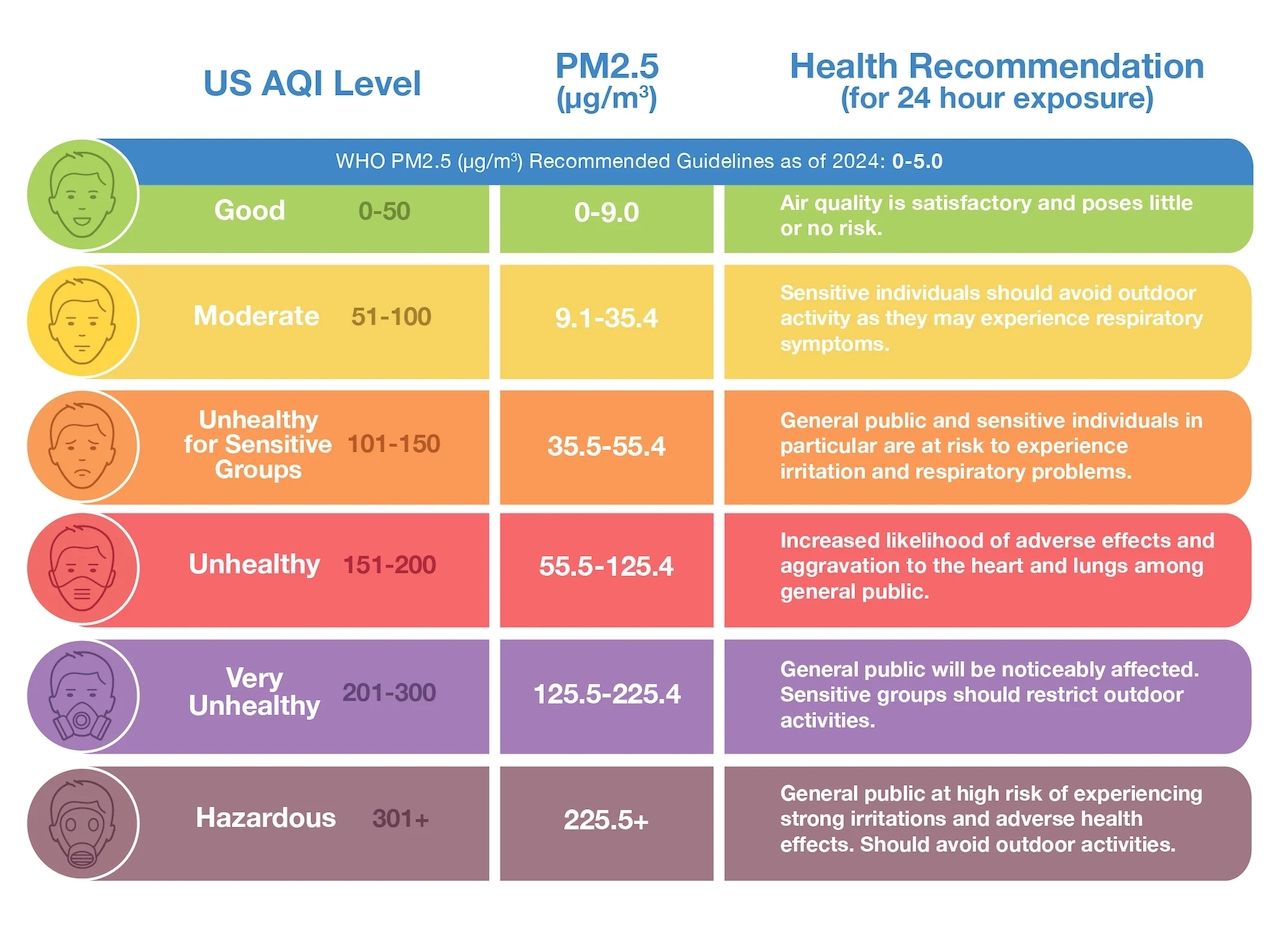
With the exception of the southernmost atoll, readings across the country on Wednesday showed Air Quality Index levels above 100 – classified as "Unhealthy for Sensitive Groups" under international standards – and exceeded 150 in three locations, rising to the "Unhealthy" category and entailing "increased likelihood of adverse effects and aggravation to the heart and lungs among the general public." 
"Haze conditions has once again deteriorated over Maldives region," the Maldives Meteorological Service warned. It is forecast to persist for at least four more days "with the northeast winds." 
"Once again"
The Met office's phrasing was apt for the South Asian haze.
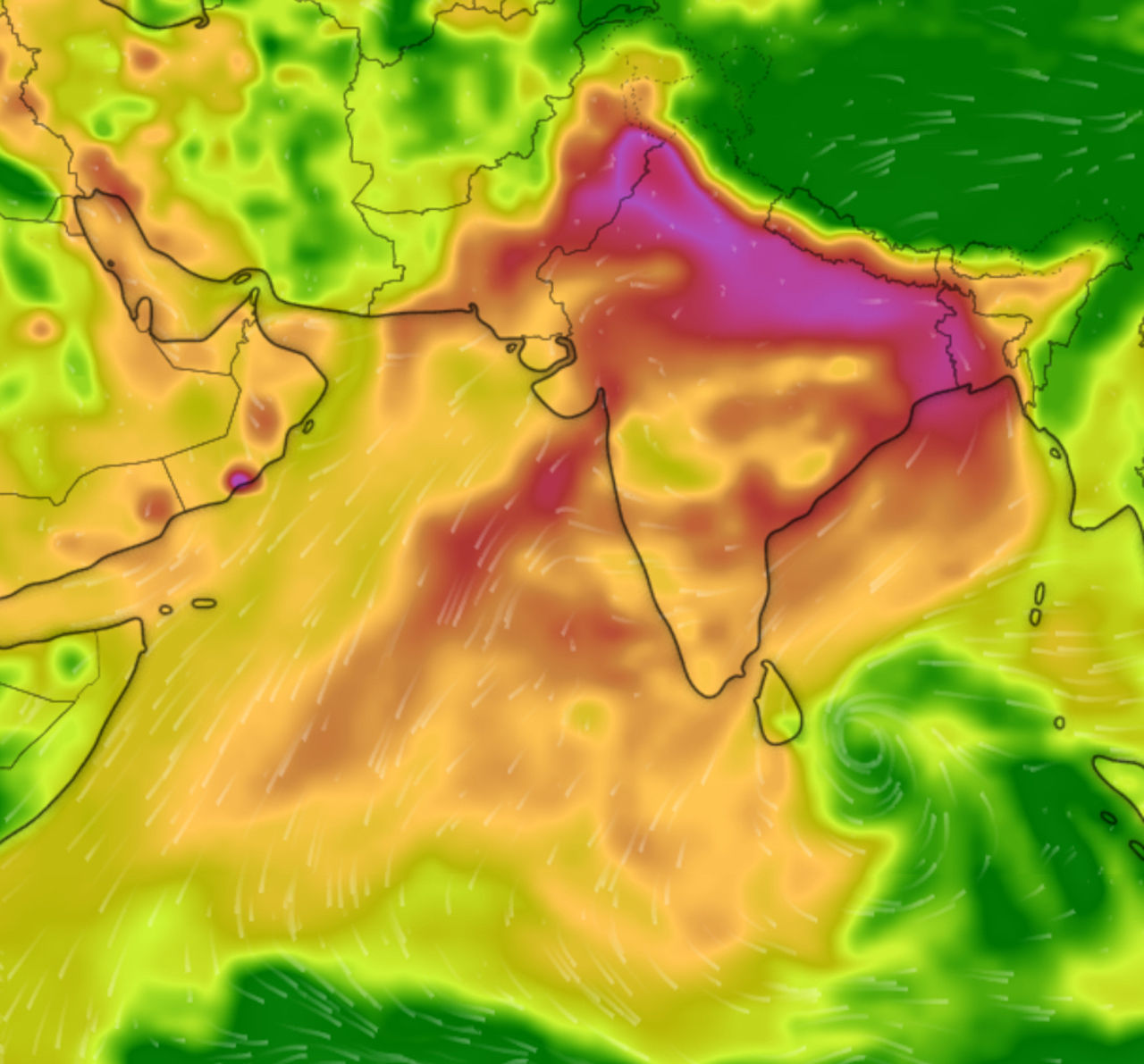
Every year in December, when hulhagu transitions to iruvai and the wet season gives way to dry, a vast haze of pollution drifts south from the Indian subcontinent, carried by the northeast monsoon winds. Scientists call it the Atmospheric Brown Cloud – a noxious mixture of soot, dust, and fine particles from vehicle emissions, coal-fired power plants, agricultural burning, and cooking fires across South Asia.
The phenomenon was first documented in the late 1990s during the Indian Ocean Experiment. Researchers were surprised to discover a massive pollution layer stretching from the subcontinent across the northern Indian Ocean. 
South Asian emissions of black carbon and sulphur dioxide have increased roughly six-fold since 1930. Research has attributed this pollution as contributing to altered monsoon patterns, reduced sunlight reaching the surface, and glacier melt in the Himalayas.
The Maldives sits directly in the path of this seasonal outflow.
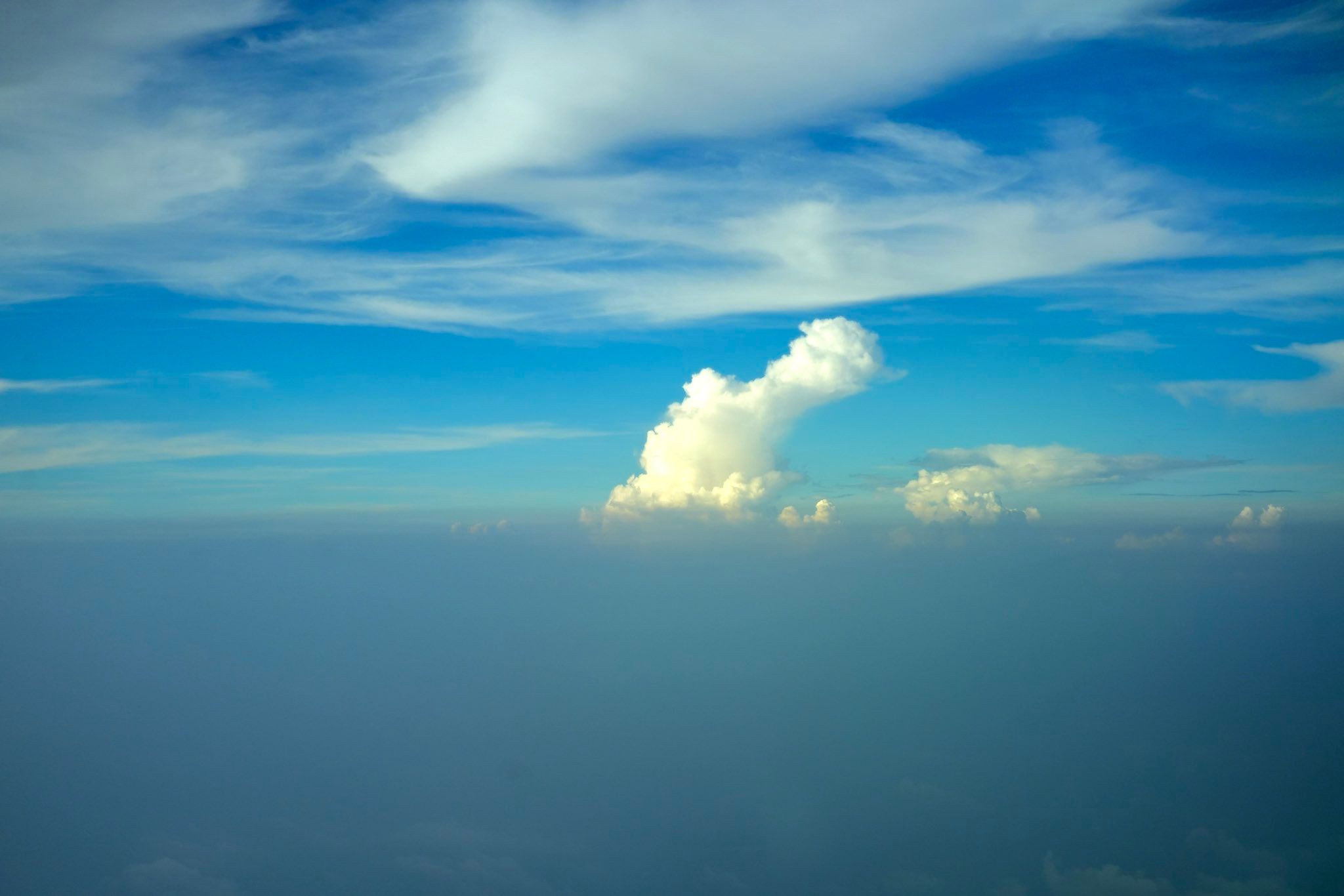
In early December, a Maldivian pilot captured the atmospheric brown cloud, sharing a photo taken from the cockpit that showed a distinct layer blanketing the ocean.
Photo: @mauman707 on X.

What the research shows

Researchers from Maldives National University, monitoring air quality across eight sites over two years, found that 67 percent of dry season days exceeded the World Health Organisation's 24-hour guideline value for PM2.5 (solid particles and liquid droplets less than 2.5 micrometers in diameter, about 30 times smaller than a human hair). Annual average concentrations were two to three times higher than the WHO recommended value.
The problem grew worse over the study period. Higher concentrations were recorded in the second year. 
A study in 2015 found that during the dry season about 90 percent of fine particulate matter in Malé originated from long-range transport or pollution blown in from the subcontinent. That study found 71 percent of samples exceeded WHO guidelines. Even higher exceedance rates were recorded at the Hanimaadhoo observatory in the northernmost atoll. 
The northeast monsoon now carries the haze across the entire archipelago with only the two atolls below the equator spared the worst conditions. 

The Villimalé puzzle

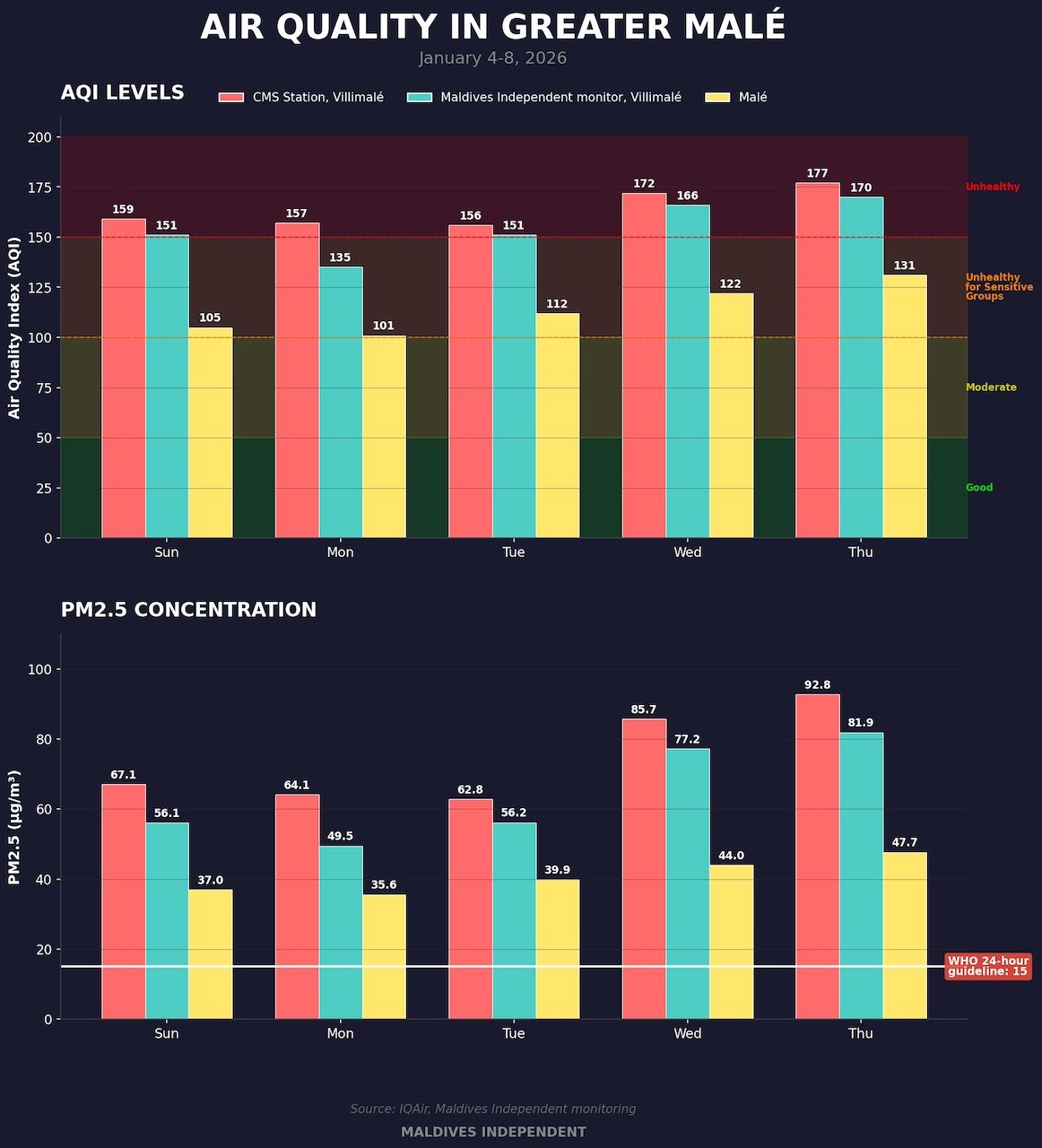
Media reports on the haze highlight a striking discrepancy: air quality readings in Villimalé are consistently worse than in Malé, often by 30 to 50 AQI points. The average AQI in Malé on Wednesday was 122, well below 172 in Villimalé on the same day.
This seems counterintuitive. Villimalé is a small, green island where combustion engine vehicles are prohibited. Only electric motorbikes and buses are allowed. If anywhere should have cleaner air than the congested capital, it should be Villimalé.
The answer lies with the sensors, according to Aminath Maiha Hameed, an air quality analyst at the environment ministry with a background in urban climatology.
The monitors in Malé and Villimalé use different hardware. Malé's public monitor is an AirGradient sensor. Villimalé's is an IQAir AirVisual. Both are optical sensors, but they process data differently, particularly in tropical countries such as the Maldives with consistently high humidity.
"Since low-cost sensors don't dry the air, particles absorb moisture in high humidity and the sensor can end up 'seeing' it as extra PM," Maiha explained to the Maldives Independent. Different manufacturers apply different correction algorithms for this effect.
"And since a small difference in PM2.5 could look much bigger once they are converted to AQI, this perhaps makes the contrast look dramatic even if the actual PM2.5 concentrations are not perhaps too different (10-15 micrograms per cubic meter could perhaps easily show a 30-50 point AQI gap once converted on the AQI scale)."
In other words, the dramatic difference likely does not reflect an actual pollution gap between two islands separated by a short ferry ride.
"So I would not say its an error on either part of the sensor," Maiha said. "But that it could be due to differences in hardware (sensor-specific behaviour in humid conditions), differences in correction algorithms and the way small differences in PM2.5 could show a larger than intended AQI value if it crosses the AQI band breaking points."
To test whether the Villimalé station at the Centre for Maritime Studies (CMS) might be recording higher levels due to proximity to the bridge construction site on the southern side of the island, the Maldives Independent has purchased and deployed an IQAir AirVisual monitor near the western beach. 
The readings were consistently below the environment ministry's monitor at the CMS but well above Malé. When the CMS hourly readings for Wednesday peaked at an alarming AQI level of 193 at 11am, the Maldives Independent monitor showed an AQI of 161. The level in Malé at the same time was 118.
Maiha did not think either placement or the bridge construction in Villimalé could be key factors, "since the Malé site sees a lot of traffic too (although microclimate does indeed play a big role)."  

The health stakes

PM2.5 poses risks because of its ability to bypass the body's defences: hairlike structures in the nostrils that trap larger particles. 
"These small, micro particulates are not trapped by this protective mechanism," said Dr Mohamed Ali, a pulmonologist at the National Centre for Respiratory Medicine at the Indira Gandhi Memorial Hospital. "It enters into our lungs, and it can cross into our bloodstream as well."
The effects are measurable. Speaking to the Maldives Independent, Dr Ali cited research showing that a 10 microgram per cubic metre increase in PM2.5 raises all-cause mortality by around 13 percent.
Children face elevated risks. The particles can cross the blood-brain barrier, causing inflammation and impairing neuron development. These effects can begin in the womb.
"It crosses the placental barrier and enters the brain of the babies," Dr Ali explained. The resulting damage is "associated with impairment of their cognition, IQ reduction, emotional and behavioural issues." The WHO estimates 600,000 child deaths annually from particulate matter exposure.
"Pregnant women should exercise extreme caution during orange to red air quality levels, potentially avoiding prolonged outdoor exposure," he advised, noting that PM2.5 exposure is associated with increased risk of autism spectrum disorders and ADHD.
PM2.5 impairs lung growth from the fetal stage through childhood, reducing development of the alveoli, the part of the lungs where gas exchange occurs. This increases the risk of asthma and COPD, and worsens symptoms in those with pre-existing conditions.
The effects of the current pollution on adults are already visible at his clinic.
"Almost all the patients with lung diseases come with an exacerbation of the illness," he said. "And those who do not have lung diseases, they show symptoms of fatigue and tiredness, lethargy, which are not explained by any other reason."
Those with existing lung conditions – asthma, COPD, fibrosis, bronchiectasis, lung scarring, or a single lung – experience difficulty breathing. Cardiac patients also see their symptoms worsen.
Meanwhile, for families now scattered across the country on school holidays, with children spending hours on beaches, there is a common misconception: ocean air is cleaner air.
"The air which is coming, which we think is fresh from the ocean, it is not actually," Dr Ali warned. "It will be having a large amount of this particulate matter."

Downstream 

The haze this week has prompted calls for regional action.
"This level of air pollution is a major threat to the economy and public health," wrote opposition MP Mohamed Ibrahim. "Especially during tourism high season, when the air is polluted enough to smell of smoke, it's important to begin urgent discussions with neighbouring countries to address this."
Former Environment Minister Aminath Shauna, who launched the ministry's Malé monitoring station in 2021, echoed the call. "The Maldives cannot address worsening air quality alone," she wrote. "With South Asia ranking worst globally, this must be urgently taken up and tackled through coordinated regional action."
The Maldives contributes a negligible share of global emissions. But geography places it directly downwind of one of the world's most polluted regions. The country is among the "victims of the adverse outcomes," as one local physician put it in a recent article.
In 1998, eight South Asian nations signed the Malé Declaration on Control and Prevention of Air Pollution, committing to monitor transboundary pollution and work toward regional solutions. But nearly three decades later, implementation remains incomplete.
Source: Windy.com

The reactive cycle

The HPA's social media advisory on Wednesday was its third over the past month, following warnings on December 11 and December 22. The guidance recommends precautionary measures: sensitive groups should avoid outdoor exercise, wear N95 masks, and keep windows closed.
But the pattern is reactive. Warnings over the past few years have followed media reports about the haze. Whether a social media post – easily missed, quickly buried in feeds, and reaching only those who follow the account – constitutes a public health advisory is itself a question. 
Children, explicitly included in the sensitive group category, are considered particularly vulnerable because they breathe in more air relative to their body weight than adults, and their respiratory systems are still developing. But schools were not notified directly during the recent deterioration. On December 17, the Ghiyasuddin School went ahead with a sports meet at the Ekuveni stadium in Malé, despite AQI readings showing 108 in Malé and higher in Villimalé. Other schools across the country conducted outdoor activities, including cadet camps and sports events.
In response to questions from the Maldives Independent, HPA said decisions about school activities "fall under the operational purview of the education sector, based on the risk information provided."
HPA acknowledged that "limiting intense outdoor activities and reducing exposure duration is generally recommended during periods of elevated air pollution." But when asked to assess the health risk to children exercising outdoors at current levels, the agency did not provide a direct answer.
When the Maldives Independent asked the education ministry, the information officer said the ministry had checked with HPA and was told there was "no specific special guidance to be provided to schools at that time" beyond the social media advisories.
Asked whether there were guidelines for schools on outdoor activities during periods of poor air quality, the education ministry did not respond.

The institutional gap

The Met office hosts a sensor at its Hulhulé headquarters, part of an 18-sensor network established by Maldives National University in partnership with Duke University and funded by the US State Department. It shared readings on December 22 when visibility dropped below 2km.
But the Met Service's primary concern is navigation. The agency told the Maldives Independent it disseminates air quality information "for aviation and maritime operational requirements, as haze conditions can significantly reduce horizontal visibility."
The haze has disrupted aviation. Velana International Airport intermittently suspended visual flight rules this week, activating special procedures as visibility fell below safe minimums, posing a particular challenge for low-flying seaplanes.
The Met office said it has a protocol to "deliver hazardous information to focal points in stakeholder agencies and HPA is one of them." It alerts the HPA when visibility drops below 3km, a threshold designed for navigation safety, not public health. Air quality can reach levels classified as unhealthy while visibility remains well above that limit. 
The environment ministry told the Maldives Independent it operates a network of 11 air quality monitors across eight islands. But only six are currently functional. The old Malé station, located in the Green Building, was "completely destroyed" in a fire in December 2024. Five other devices are inactive due to "relocation of council buildings and other logistical constraints."
The ministry said it is "actively working" on four new monitoring stations in the Greater Malé Region, which are "in various stages of deployment." The new stations "will enhance the capacity of monitoring air quality by providing more comprehensive real-time data to support informed decision making and public reporting."
In the meantime, the only public air quality monitor currently operating in Malé belongs to Maiha, the same expert who explained the sensor discrepancy. She shares data voluntarily from a personal device while on extended leave from the ministry.

What would help

Dr Ali said a functioning national air quality index would allow people with respiratory conditions to take preventive action before they get sick.
"A person who is having allergies or respiratory illness can take earlier precautions, like using inhalers or medications before the person starts getting sicker," he said.
A proper system would include defined thresholds that trigger automatic advisories, direct communication to schools, and information for tourists, who currently have no way of knowing that the busy Christmas-New Year period coincides with the worst air quality.
Other countries in the region have built such systems. Thailand closed over 350 schools in January when air quality exceeded unhealthy levels. Singapore and Malaysia continuously monitor and report air pollution with established protocols for public advisories.
The Maldives' health agency posts the same infographic when the haze gets bad enough to draw media attention and social media concern. The advisories are "intended to support institutions and individuals in making informed, risk-based decisions to protect health, particularly for vulnerable populations," HPA said.
Meanwhile, schools are due to reopen on January 27. Based on typical patterns, students will return during the worst air quality period of the year.
The dry season extends through March. Research shows January and February usually bring the highest pollution levels, driven by sustained northeasterly winds carrying emissions from the subcontinent. Air quality generally improves only with rain, of which there has been none in the Malé region over the past week.
"HPA continues to closely monitor air quality data from available monitoring stations and regional sources," the agency said. "If air quality levels worsen, persist at unhealthy levels, or if new risk information becomes available, the HPA will issue updated or more targeted guidance as required."
Where to find data:

IQAir app or website (search "Malé" or "Maldives") – shows real-time AQI from multiple monitors

HPA and Meteorological Service social media channels for advisories and weather updates

Practical steps:

Check air quality before planning outdoor activities, especially for children

On days above 100, consider shorter sessions and more breaks for outdoor exercise

On days above 150, consider moving activities indoors

Keep windows closed during high pollution periods: "try reducing the opening of windows and exposing your indoors to the outside," Dr Ali advises

N95 masks filter PM2.5 effectively; surgical and cloth masks do not

Air purifiers with HEPA filters reduce indoor pollution

N95 masks are scarce in Malé. A survey of six pharmacies in front of IGMH found only one with limited stock. The price was about MVR 17 (US$ 1) per mask. For those who can access them, masks can be reused multiple times if they maintain shape and fit. Store in a paper bag between uses, replace when breathing becomes harder or the seal is compromised.
If you can't afford an air purifier: A DIY box fan filter – recommended by the US EPA – can be built cheaply using a box fan and furnace filters.

Corsi-Rosenthal Box instructions

Simple box fan filter guide

Who is most at risk:

Children (developing lungs and brains, breathe more relative to body weight)

Pregnant women (particles can cross the placental barrier)

Elderly

People with asthma, COPD, or other respiratory conditions

People with heart conditions

Anyone exercising vigorously outdoors
Discussion

No comments yet. Be the first to share your thoughts!

No comments yet. Be the first to join the conversation!

Join the Conversation

Sign in to share your thoughts under an alias and take part in the discussion. Independent journalism thrives on open, respectful debate — your voice matters.

Support independent journalism

Explore more