
‘Easier said than done’: making friends as an adult in the Maldives
A psychiatrist and a dozen Maldivians on why connection is hard.
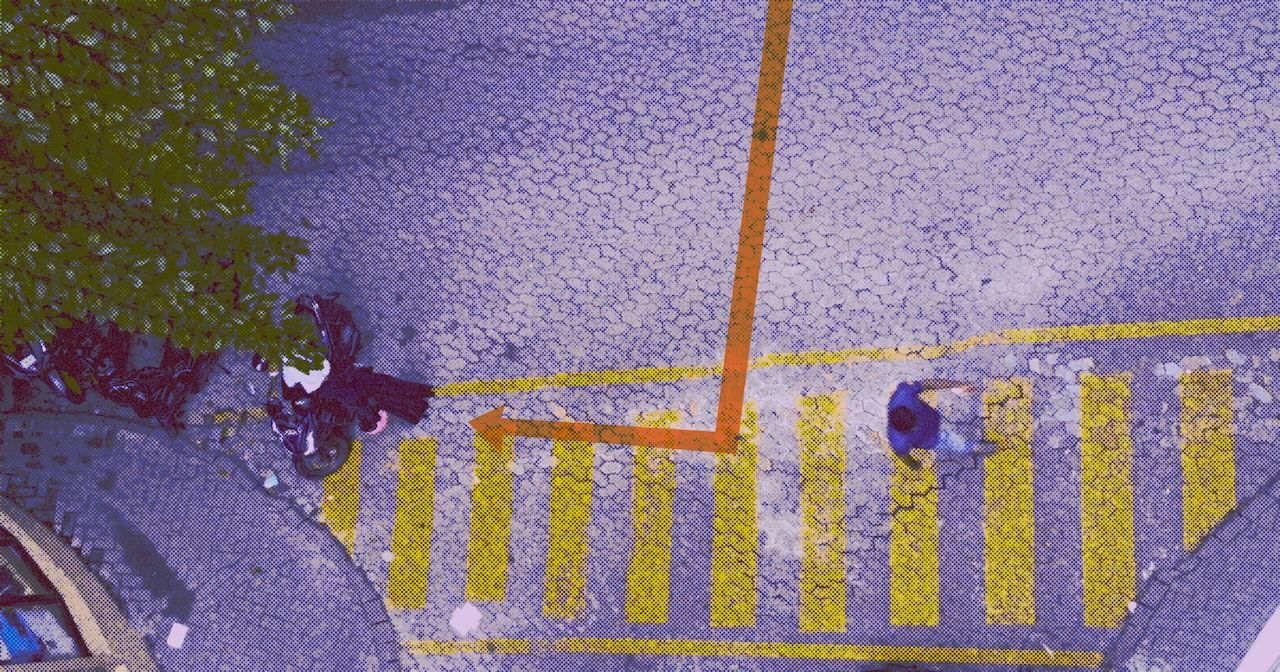
Artwork: Dosain
1 hour ago
Yaana* is happily married. But she still experiences a deep loneliness at times.
"I have an amazing husband, but I've come to realise that romantic companionship and friendship fulfil different parts of our lives, and one cannot necessarily replace the other," she said.
"I’ve always had a close circle of girlfriends wherever I’ve lived, and those friendships were a huge part of my life. Since moving back home, I've found myself really missing that kind of connection. The friendships I had here before aren’t quite the same anymore."
Dr Maumoon Shareef, a consultant psychiatrist who heads the Mental Health Centre at Hulhumalé Hospital, said his adult patients, especially women, are struggling to find connections. Elders complain that their adult children do not visit them, resorting to “falling sick” to get their attention. Adolescents say they face ostracisation from friend groups, oblivious to what they have done wrong.
Loneliness, the state of dejection or grief caused by the condition of being alone, is described by the World Health Organisation as the painful feeling of a gap between the social connections people want and those they actually have. According to the WHO, loneliness is an increasingly serious health concern. One in six people worldwide are affected by loneliness, a WHO report found last year.
Does Maldivian society have a loneliness problem? The dozen people interviewed for this story all said they thought so. One person's view is that most relationships are based on trauma bonding or gossip. Another felt loneliness can be something one feels because of self-perception.
Dr Shareef cautioned against claiming that loneliness is growing without reliable national data. However, it is a concern that deserves more attention, he added. A patient's support system is an important factor that clinicians look at to predict whether they will improve, he said.
Lonely in company
Loneliness is endemic in Maldivian society and negatively affects quality of life, said Rishfa*, an assistant counsellor.
One does not need to be single or friendless to feel lonely. This is because some relationships are not fulfilling and lack respect, Rishfa suggested. Dr Shareef reiterated that one of the most painful forms of loneliness is what we feel when we are surrounded by many people. Feeling lonely is not the same as depression, he noted, although prolonged loneliness can contribute to mental health problems.
“I also think we underestimate how much proximity contributes to our relationships. In school and uni, we see our friends nearly every day. There isn’t always a conscious effort to maintain those connections because they’re naturally woven into our daily lives," Yaana explained.
"But adulthood changes that. Suddenly, maintaining friendships requires a lot more intention, time, and effort. For many of us, work becomes the place where we spend most of our waking hours, so if you don’t connect with your colleagues, it becomes difficult.”
Marriage and children can pull friends apart, too. “Maybe it's because of a change in responsibilities, maybe it's exhaustion," said Sama*, who feels marriage and motherhood have put a strain on her friendships.
Moving – between islands, or home from abroad, as Yaana did – can cost friendships too.
“Most people are so surface level and apathetic about actual sh*t and it’s so difficult for me to relate to them. I can barely have a conversation with them because they have no opinions, no passions, no whimsy and nothing to offer," said Sharuma*.
"I feel like people are so closed off now and I don’t know if it’s a generation thing or social media thing or a mix of all of it. There is so much apathy, nobody reads, nobody thinks, nobody does little arts and crafts. There is nothing to connect over."
Yaana echoed the sentiment: "For me, one of the biggest factors is a difference in mindsets. As we grow older, our experiences shape us in different ways. Our perspectives change, our priorities shift, and sometimes we find that we no longer connect with people in the ways we used to. “
The rules
Girls and women have strict rules to follow at home and are not allowed to go out with friends whenever they want despite being treated like adults when it comes to household responsibilities, observed Zaya*.
The Maldives does not have a culture of going out and having fun with friends, she said, arguing that such beliefs hinder people finding friends and fostering relationships. Some people also choose not to date out of the belief that it is not allowed. Those who do are frowned upon. On the flip side, some people believe that a counterculture of casual dating and the attendant increase in infidelity are causing people to have less faith in relationships and discourage them from pursuing meaningful connections.
“Breaking social norms are so vital. If a woman is in her 40s or above there's usually a lot of stigma when they try to have a life outside of their marriage and children, suppose they want to work or take up new hobbies," said Aana*. "They might receive criticism from loved ones and feel the need to become smaller. I believe we need to care less about what people think and start living for ourselves."
Nowhere to go
“There is nothing for young people to do around here, there is no night life, no sports areas,” said Lisa, repeating what many people have been saying for years. Free places to meet are few, though some exist. A space at the National Library can be booked for free to have a small event. There are also several book clubs such as Hulhumalé Reads and Shelfcare Book Club that are active on Instagram. Other affordable options include the Maldives Pool Billiards association at Hulhumalé. For paid options, we have gaming centres and multiple classes like art and cooking.
The lack of proper interpersonal communication skills can be a factor, too. “Those that only interact with others through social media tend to have very little social skills and often struggle to have connections made when in person," Aana explained.
Introversion and shyness could compound the problem. It is easy to say “just socialise” but it does not come naturally for some people, as one Reddit user pointed out.
The Maldives subreddit has many posts in search of partners and friends. There are also multiple functioning marriage pages on Facebook. People are also turning to dating apps to find connections.
What would help
“We need to approach loneliness on three levels: individual, relationship and community," said Dr Shareef.
On an individual level, he advised having a strong social support system, sleeping well, eating healthy, exercising regularly and venting regularly to a trusted friend.
On a relationship level, he urged people to be emotionally present with one another instead of simply spending time together. Families could make time for conversations without phones. Couples should have opportunities to connect beyond their responsibilities as parents or household partners.
At the community level, we should invest in community spaces and activities that naturally bring people together, Dr Shareef said. Such places could include public libraries, community centres, accessible sports and recreational programmes and volunteering opportunities. Social programmes for older adults, including those living alone and parent support groups and peer-support networks including people with disabilities and their families are important too. Schools can help children develop emotional literacy, friendships and healthy communication skills. Activities that nudge kids away from screen dependency are sorely needed as well. Workplaces can contribute by promoting healthier work-life balance and genuine social support.
“The government can start programmes that target specific demographics of people struggling with loneliness by doing research. Spreading more awareness about the loneliness epidemic can be helpful too," said Nisha, explaining her view on how to combat loneliness.
"Examples can be taken by the Japanese people who run community programmes such as cooking classes, poem writing, flower arrangement classes, which allows a large group of people, elders and youngsters to mingle and start important conversations which can help.”
Rishfa advised being a villager and reaching out to places for psychosocial services. Dr Shareef warned that we must avoid making loneliness sound like a personal failure. As Yaana said: “I think a large part of it comes down to being willing to put yourself out there but that’s much easier said than done.”
*Names changed to protect privacy.
Discussion
No comments yet. Be the first to share your thoughts!
No comments yet. Be the first to join the conversation!
Join the Conversation
Sign in to share your thoughts under an alias and take part in the discussion. Independent journalism thrives on open, respectful debate — your voice matters.
Support Independent Journalism
Help us keep the news free and fearless
Give once
$
or
Become a memberfrom $5/month