
Borrow a flag: watching the World Cup in the Maldives
How football’s main event unites a nation that isn’t playing
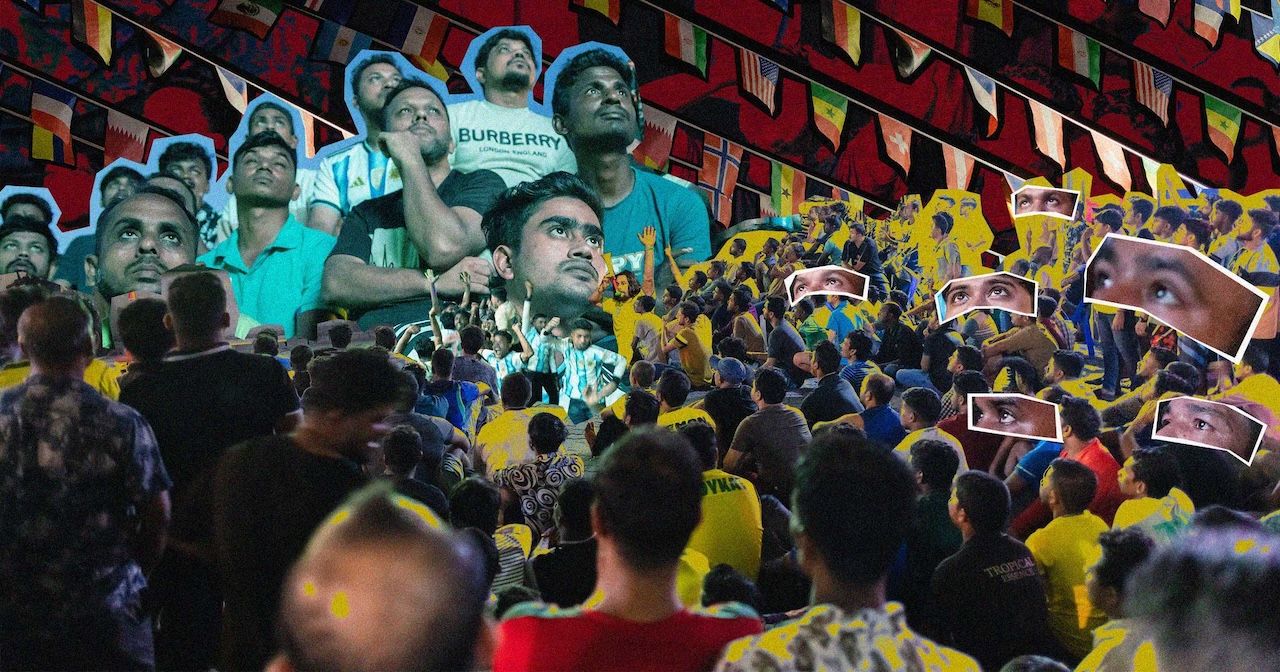
Artwork: Dosain
11 Jul, 19:00
I glanced at my phone as the sky shifted from a deep Prussian blue to soft violet and dawn broke over the Artificial Beach. I had been watching Argentina take on Cape Verde since 3am with hundreds of fans beneath the giant screen by the People’s National Congress headquarters in Malé.
Most of the crowd were Bangladeshi expatriates and other foreign workers, joined by a handful of policemen posted to ensure the enthusiasm didn’t interrupt traffic on Boduthakurufaanu Magu. Although sleep tugged heavily at my eyelids, I could not leave. I wanted to witness the excitement for myself.
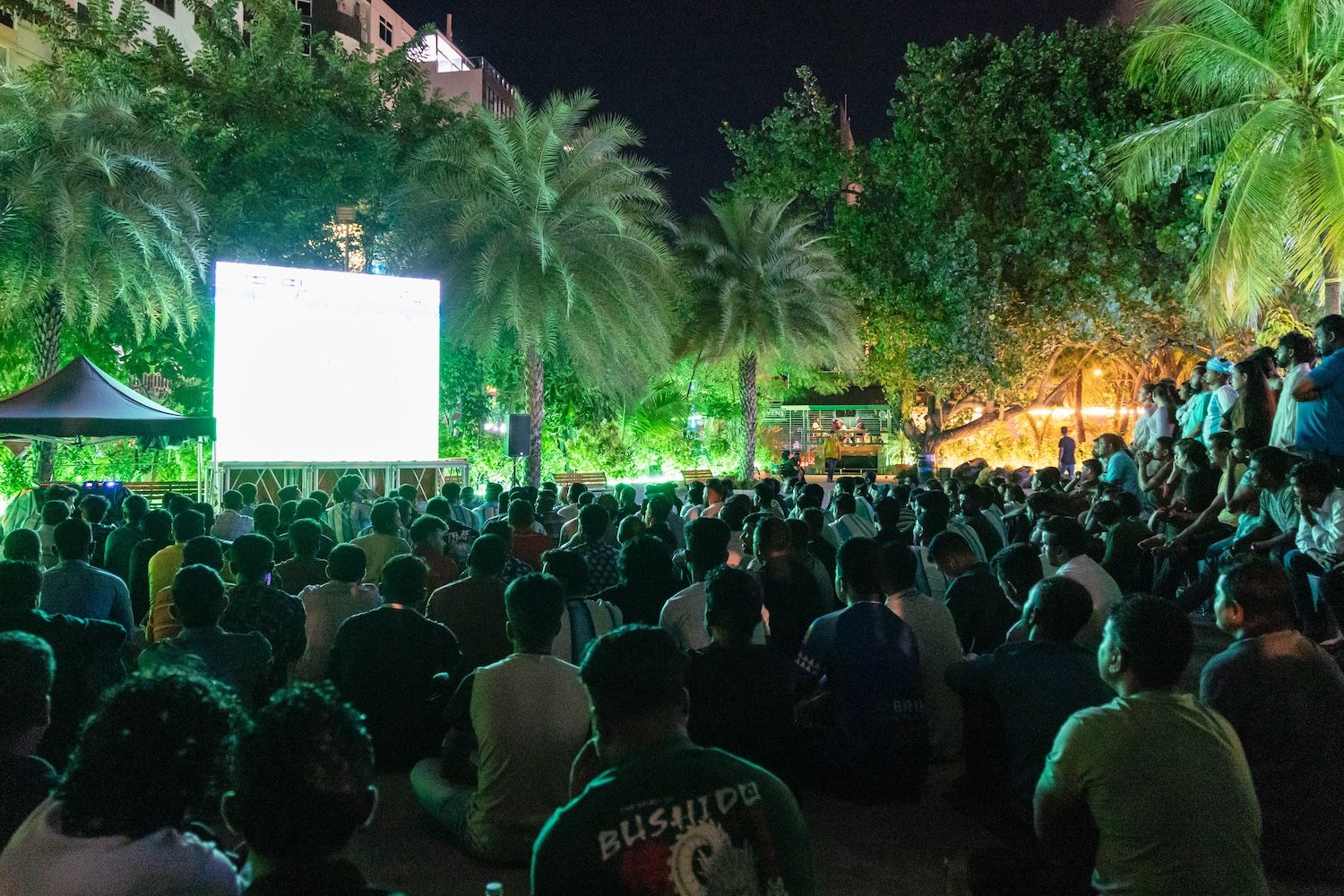
It was my first time watching a World Cup match at an outdoor screening in my own city. It was not, however, my first experience of the World Cup spirit in the Maldives.
For as long as I can remember, the World Cup has been less about football itself than the rituals surrounding it. As a child, I stayed awake well past my bedtime to watch the matches, and I’m still drawn into the spectacle every four years. It’s not because I follow the sport religiously, but because everyone around me does.
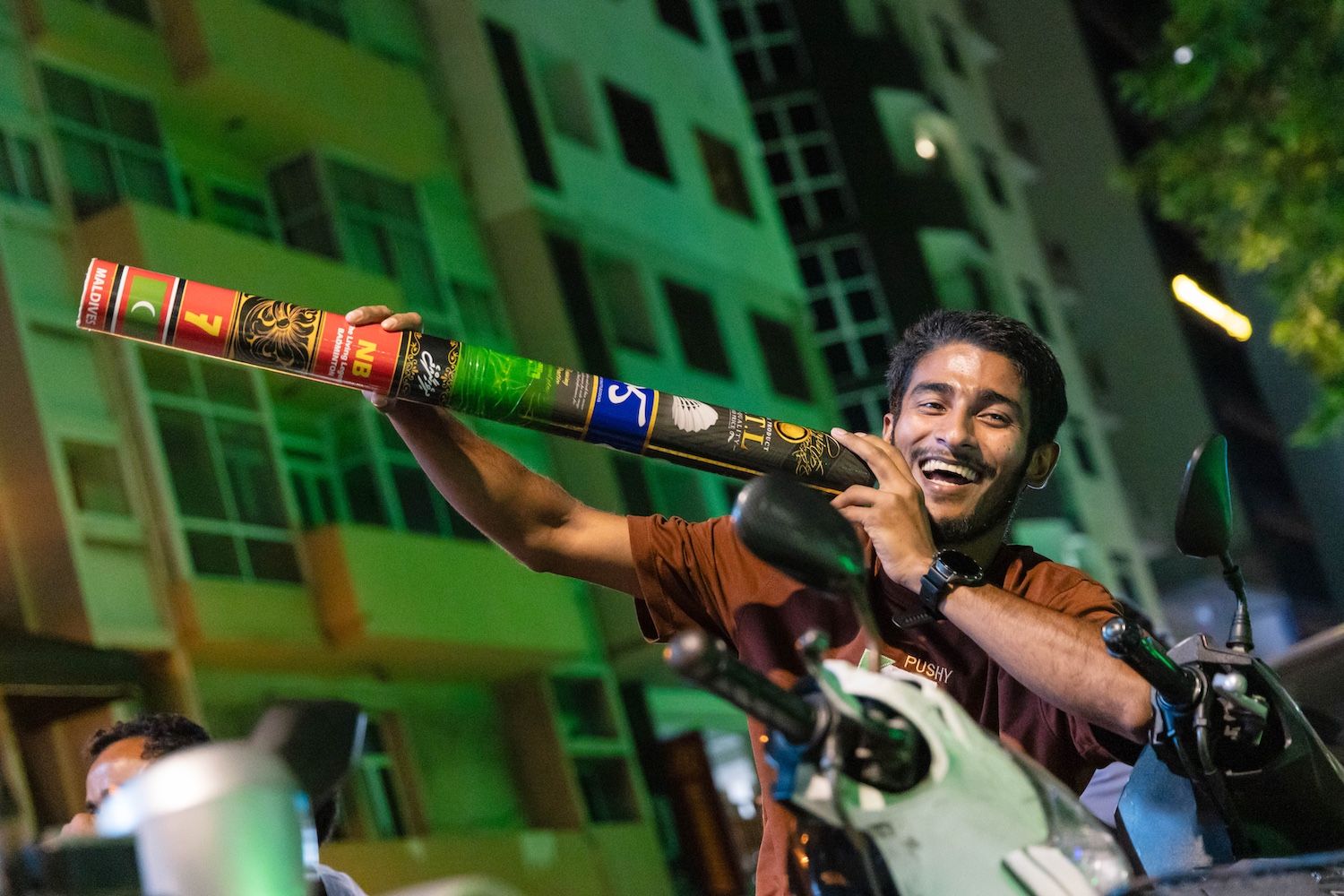
Families gather in living rooms, cafés overflow with animated supporters and friends become fiercely loyal to countries that, more often than not, have little idea the Maldives exists.
For one glorious month every four years, the country transforms. Cafés with World Cup-themed menus are draped with the flags of competing nations, while shops along the capital’s narrow streets fill their displays with the jerseys of Portugal, Brazil, Argentina and Spain.
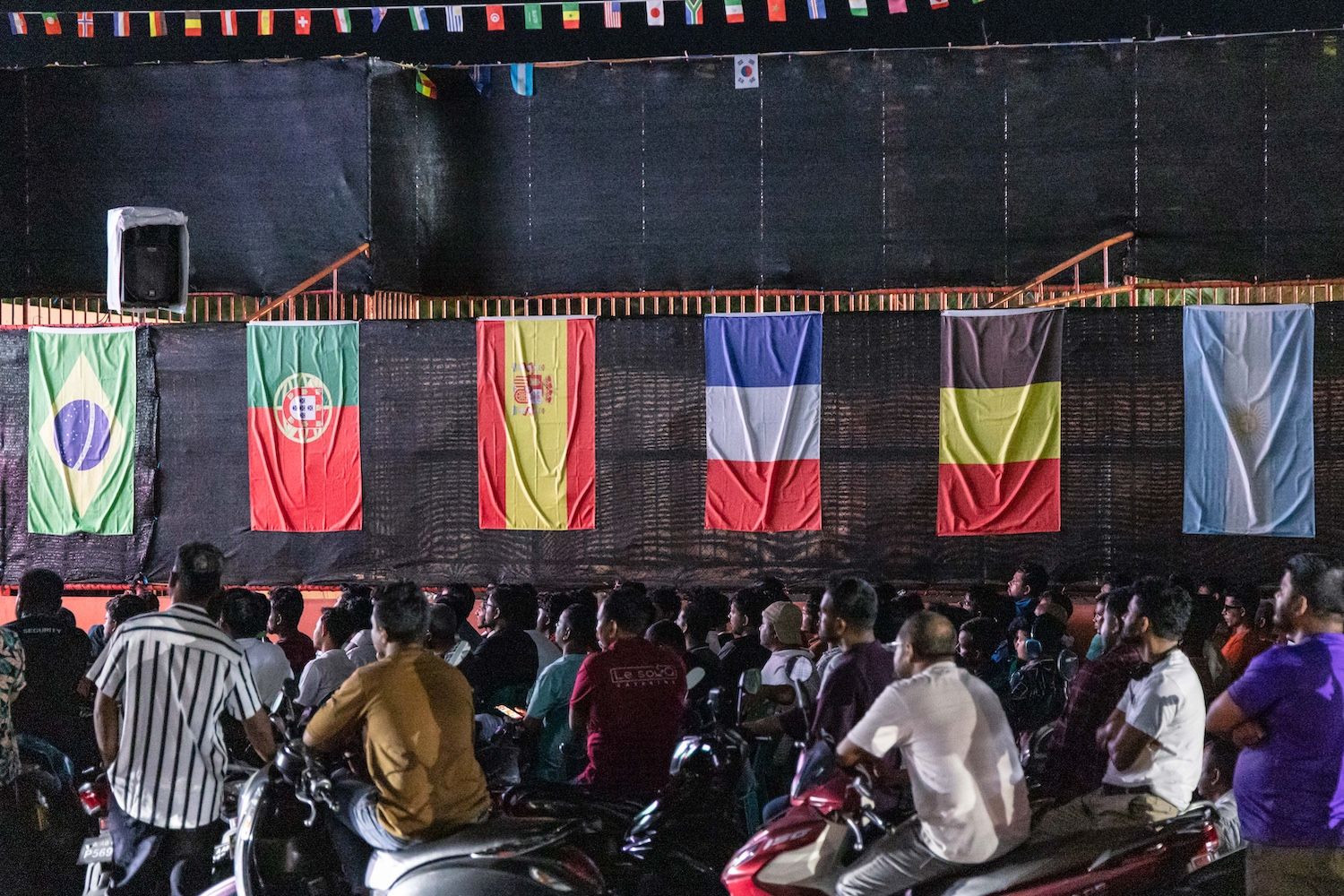
But why are people in the Maldives so deeply invested in a tournament in which they have no direct stake?
The closest the country has come to representation on football’s biggest stage was in 2002, when Maldivian assistant referee Mohamed Saeed officiated the England versus Brazil quarter-final in Japan.
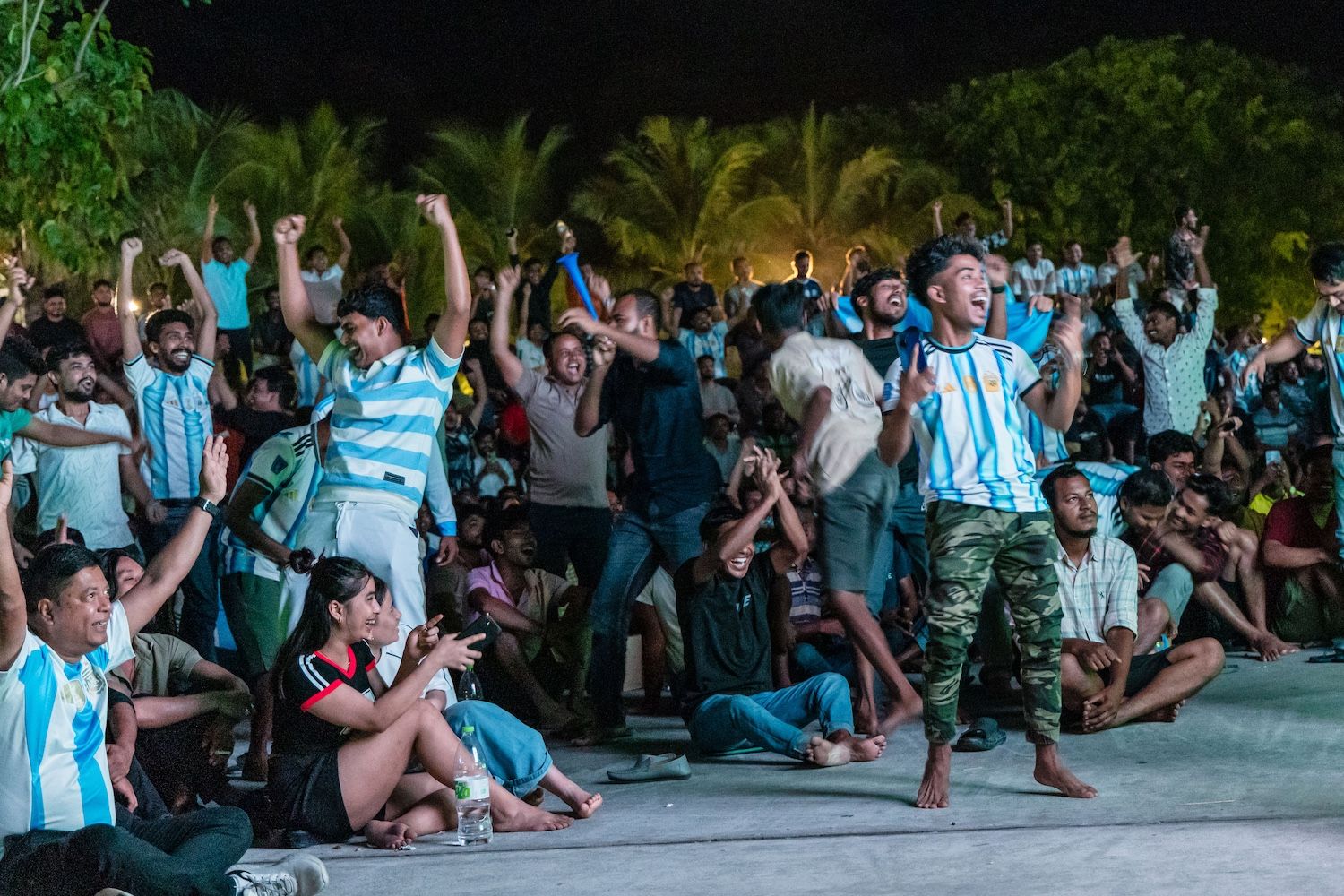
When your own country has never walked onto a World Cup pitch, football ceases to be about national identity. Instead, it becomes an exercise in allegiance. Fans adopt a second homeland, turning a foreign shirt into a vessel for their own hopes. The passion is no less genuine because it is borrowed.
For Bangladeshi fans at the Artificial Beach, they have inherited a strong history of proxy fandom, with their country famous for its devotion to Argentina. Rooted in the Diego Maradona era of 1986, when he came to symbolise resistance against old colonial powers, Argentina’s blue-and-white stripes are now woven into Bangladeshi sporting identity.
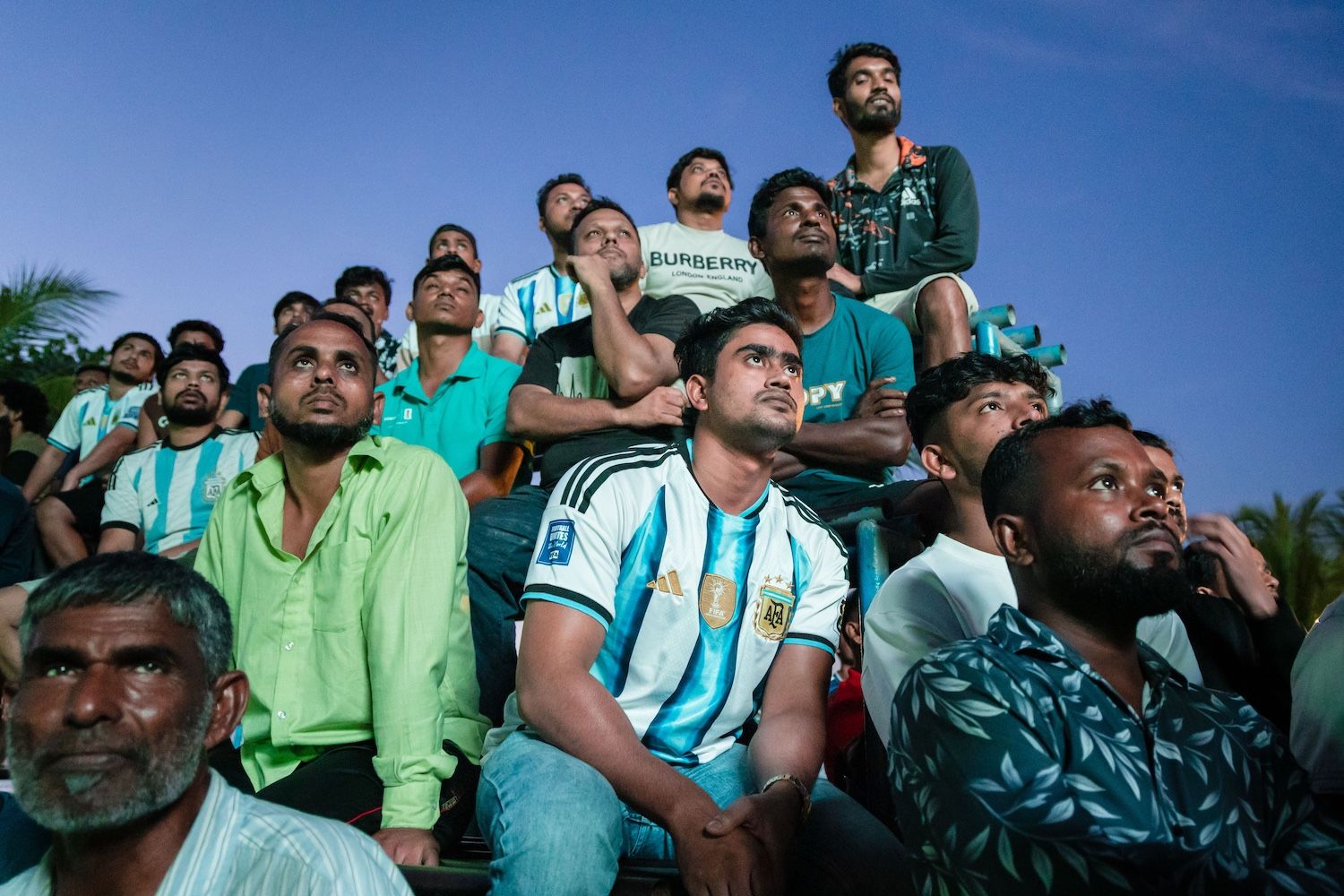
In the Maldives, the expat community’s football culture blends in seamlessly. The country’s own football history is rooted in fierce domestic rivalries and memorable SAFF Championship campaigns, creating generations who understand the emotional language of the sport. Indeed, the education minister revealed last month that almost 8,000 students had skipped school during the competition.
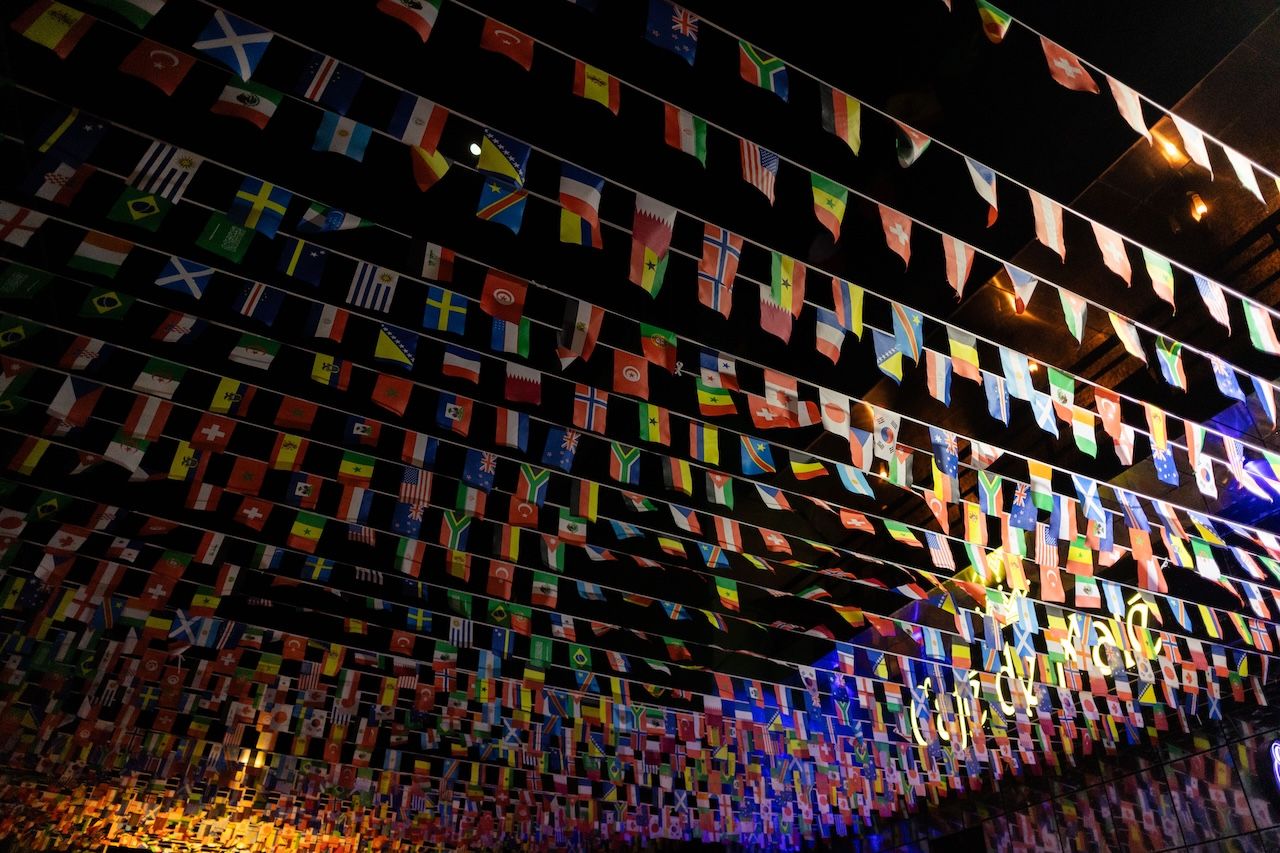
The World Cup’s appeal has always depended on its ability to present football as something separate from the world around it. Beneath the festival atmosphere lies a competition shaped by the same political, social and ethical tensions that define international relations.
Some supporters will not cheer for countries whose governments they feel have supported Israel’s occupation of Gaza, while concerns about the US’s policies as a host nation have shown again that football cannot be separated from the societies that produce its heroes.
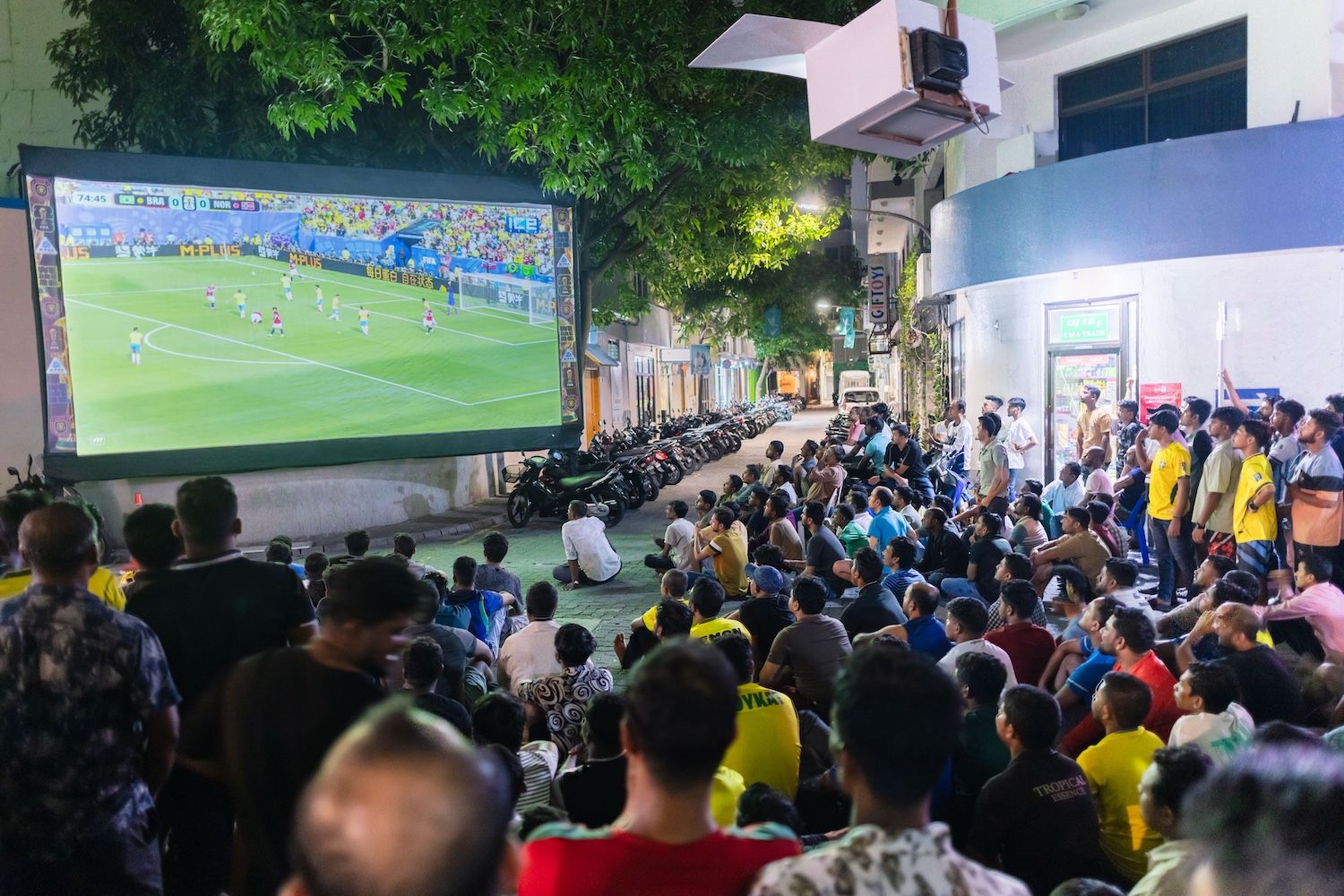
None of these realities diminish the joy of the tournament. Instead, they remind us that it is a reflection of the world itself: capable of extraordinary beauty while carrying its deepest contradictions.
As the games progress, I find myself paying closer attention to the people watching the matches. Café patrons sit motionless with stern expressions, cups of espresso slowly cooling beside half-finished cigarettes and eyes fixed on the screen.
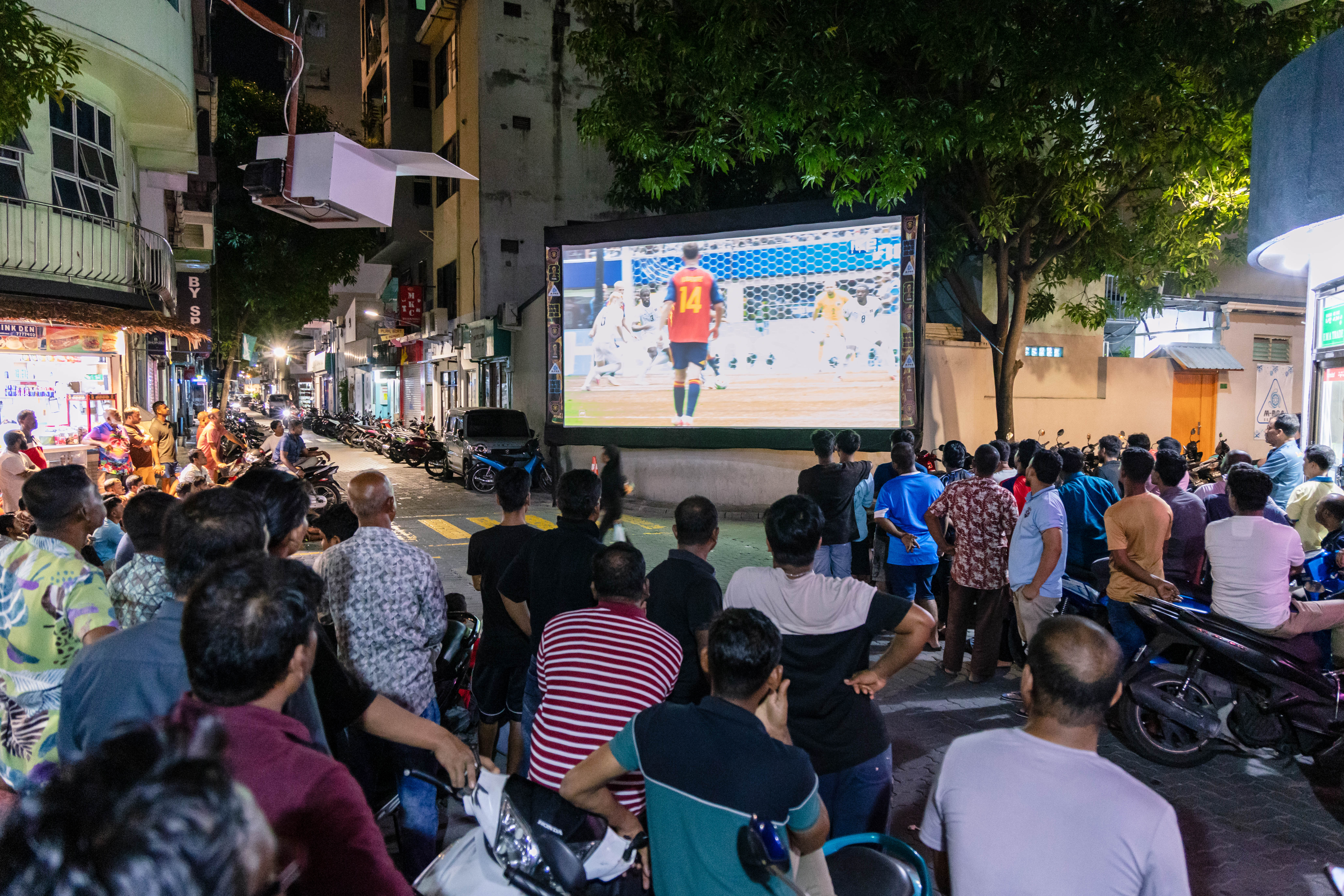
This is the enduring magic of the World Cup: every four years, a nation without a team borrows a flag, adopts an anthem and lives every victory and defeat as though it were its own. We gather before dawn to celebrate and hope alongside countries an ocean away, united by the belief that, for ninety minutes, football can make strangers feel like part of the same story.
Discussion
No comments yet. Be the first to share your thoughts!
No comments yet. Be the first to join the conversation!
Join the Conversation
Sign in to share your thoughts under an alias and take part in the discussion. Independent journalism thrives on open, respectful debate — your voice matters.
Support Independent Journalism
Help us keep the news free and fearless
Give once
$
or
Become a memberfrom $5/month