

The ‘super’ El Niño is coming for our corals
What corals do for the country, and what the country can do for corals.
23 Aug, 13:40
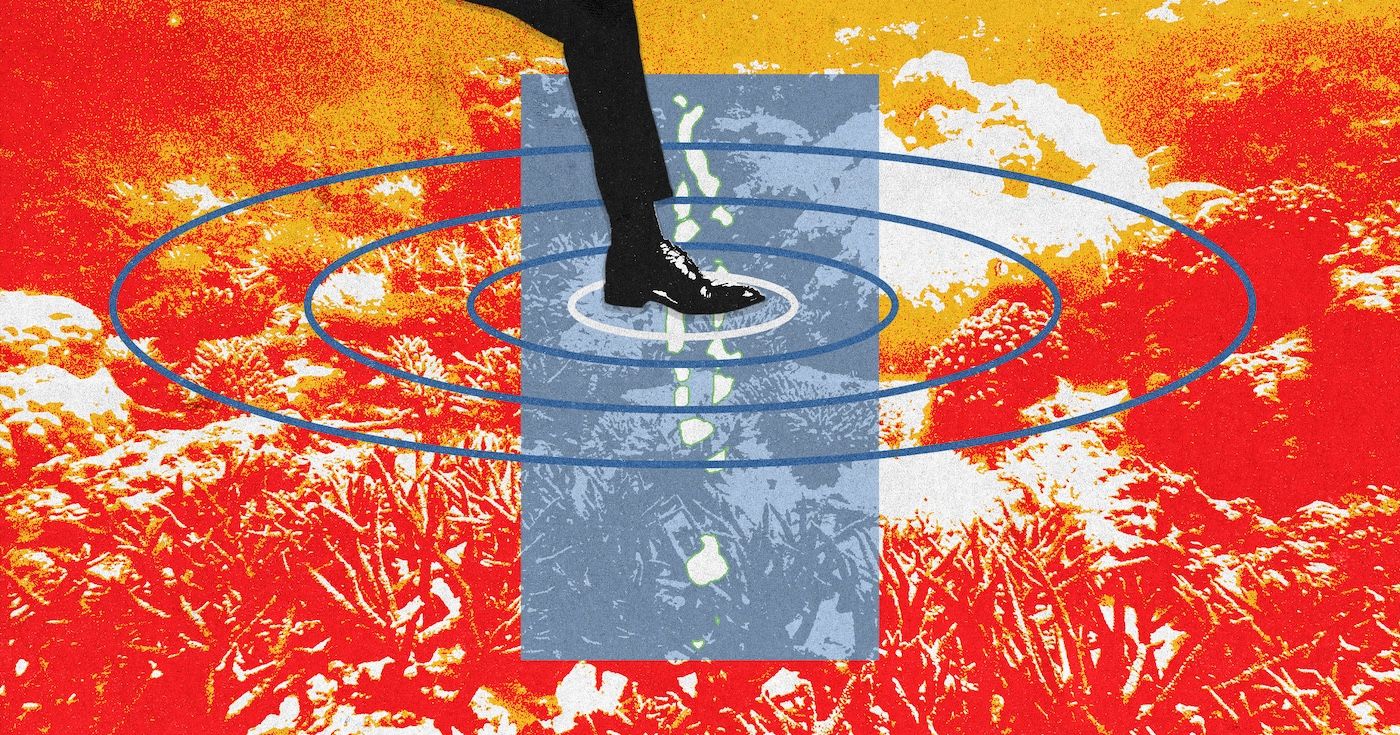
Somewhere in the central Pacific, thousands of kilometres from the Maldives, the ocean is running a fever. Forecasters have confirmed that El Niño has arrived, and they expect it to strengthen over the course of the next few months, with a chance of becoming a "super" El Niño by early next year.
For most of the world, the ‘Super Niño’ will cause weather havoc. For the Maldives, it could mean catastrophic damage to the things holding this country together: its coral reefs.
People tend to think of coral reefs as scenery – pretty creatures that make underwater photos look colourful and dives more spectacular. But coral should be thought of not as decoration but as infrastructure. When El Niño pushes sea temperatures beyond what corals can tolerate, that infrastructure begins to crumble.
Start with the coastline. The Maldives sits just a metre above sea level, and the reef is the first thing the waves hit. A living, growing reef absorbs the energy of storms and swells before they reach the shore. A dead reef, however, crumbles and the protection goes with it. Coral is a seawall, and it builds itself, for free.
Then there is what we eat. Reef fish feed Maldivians and tourists up and down the country. Even our famed pole-and-line tuna fisheries need the reef. The live baitfish that fishers depend on are reef creatures, so a dying reef leads to fewer baitfish and, therefore, fewer tuna caught.
And there is the economy itself. Tourism is the engine of the Maldives, and visitors do not fly halfway around the world to float above rubble, to sit on beaches that have been washed away or to require protection from ugly breakwaters.
Coral health is not a ‘nice-to-have’ luxury to be weighed against the serious business of running the country. It is the economy’s foundation. No coral nation can be prosperous, safe or food-secure on a foundation of dying reefs.
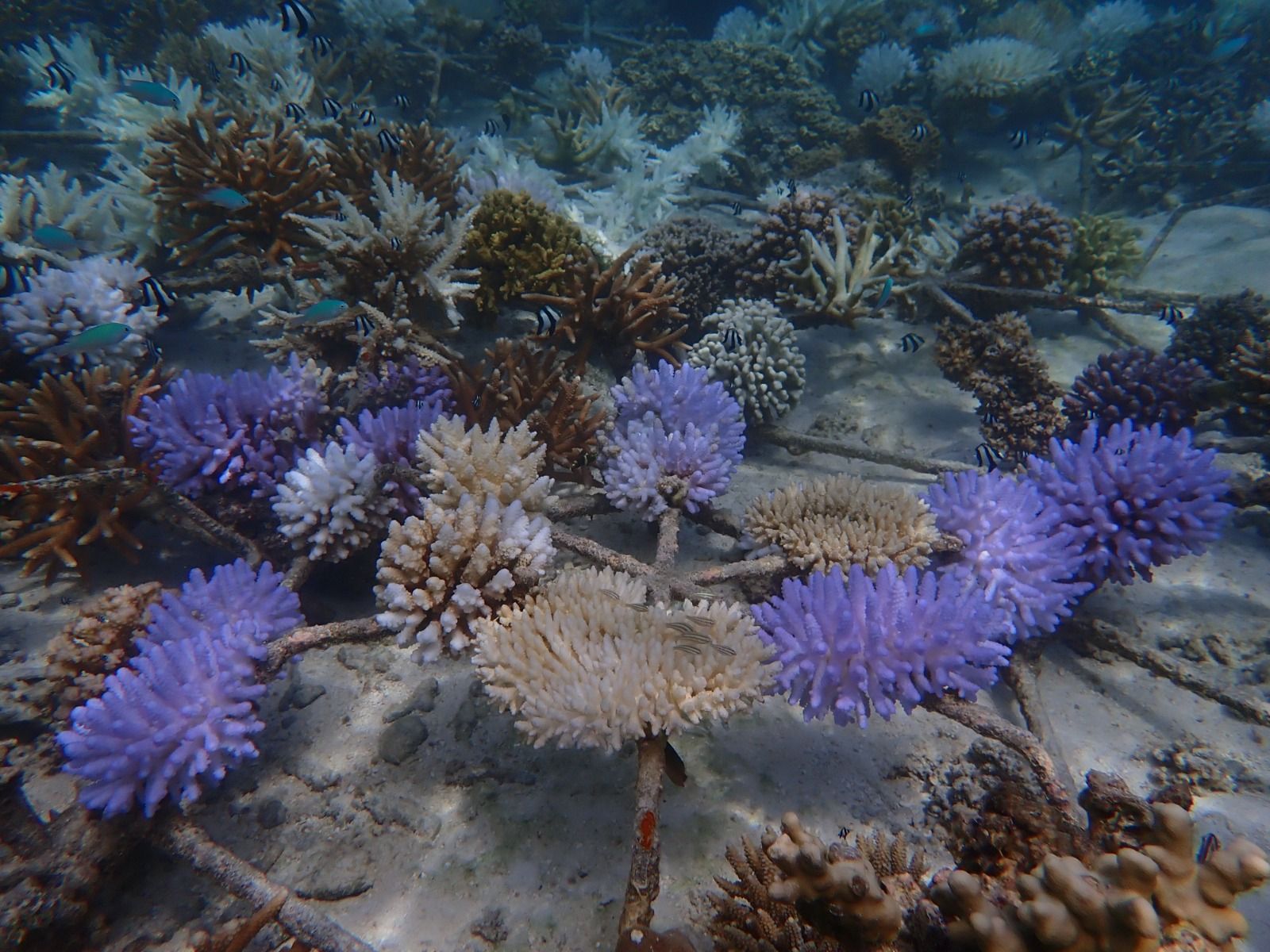
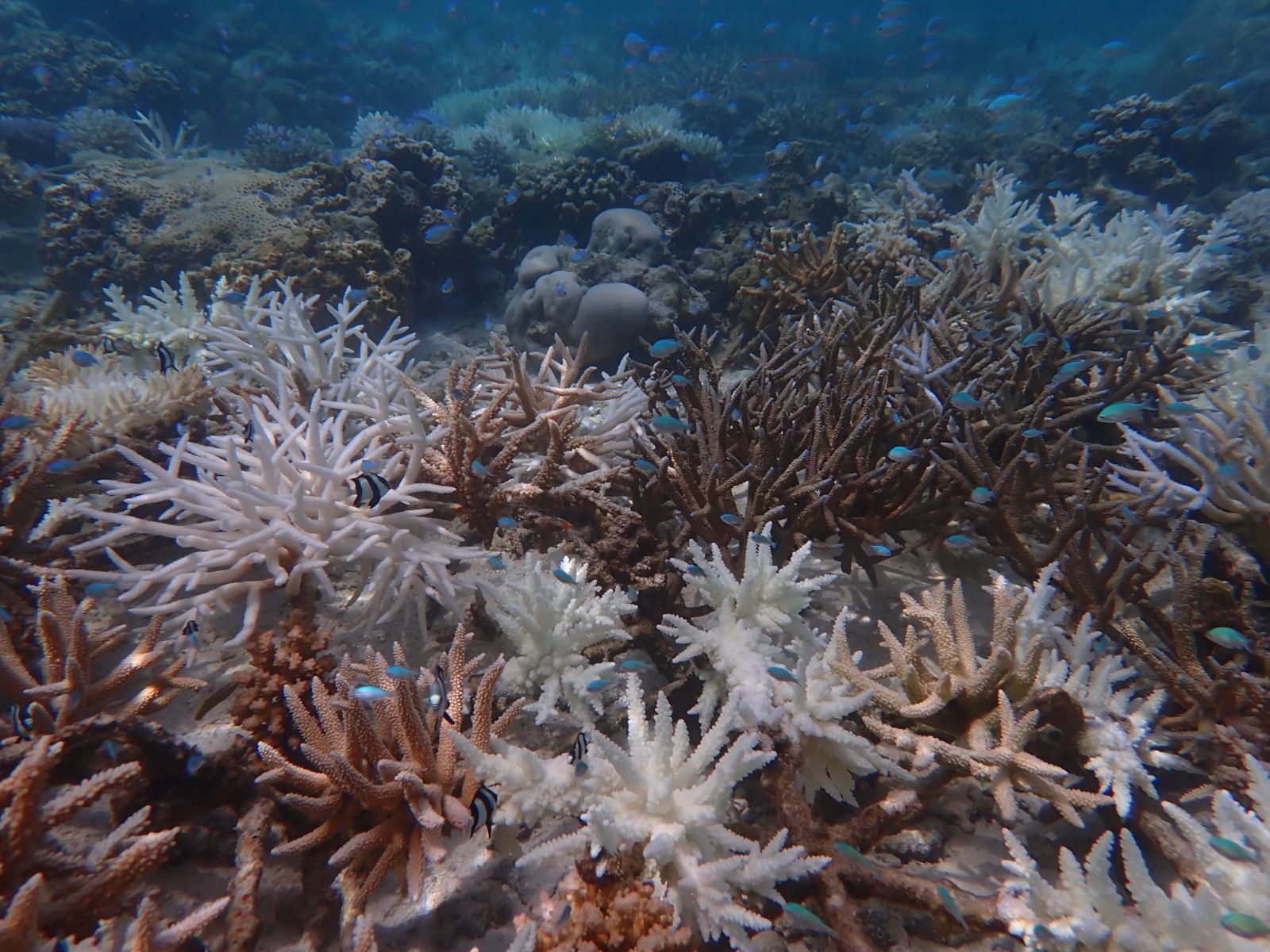
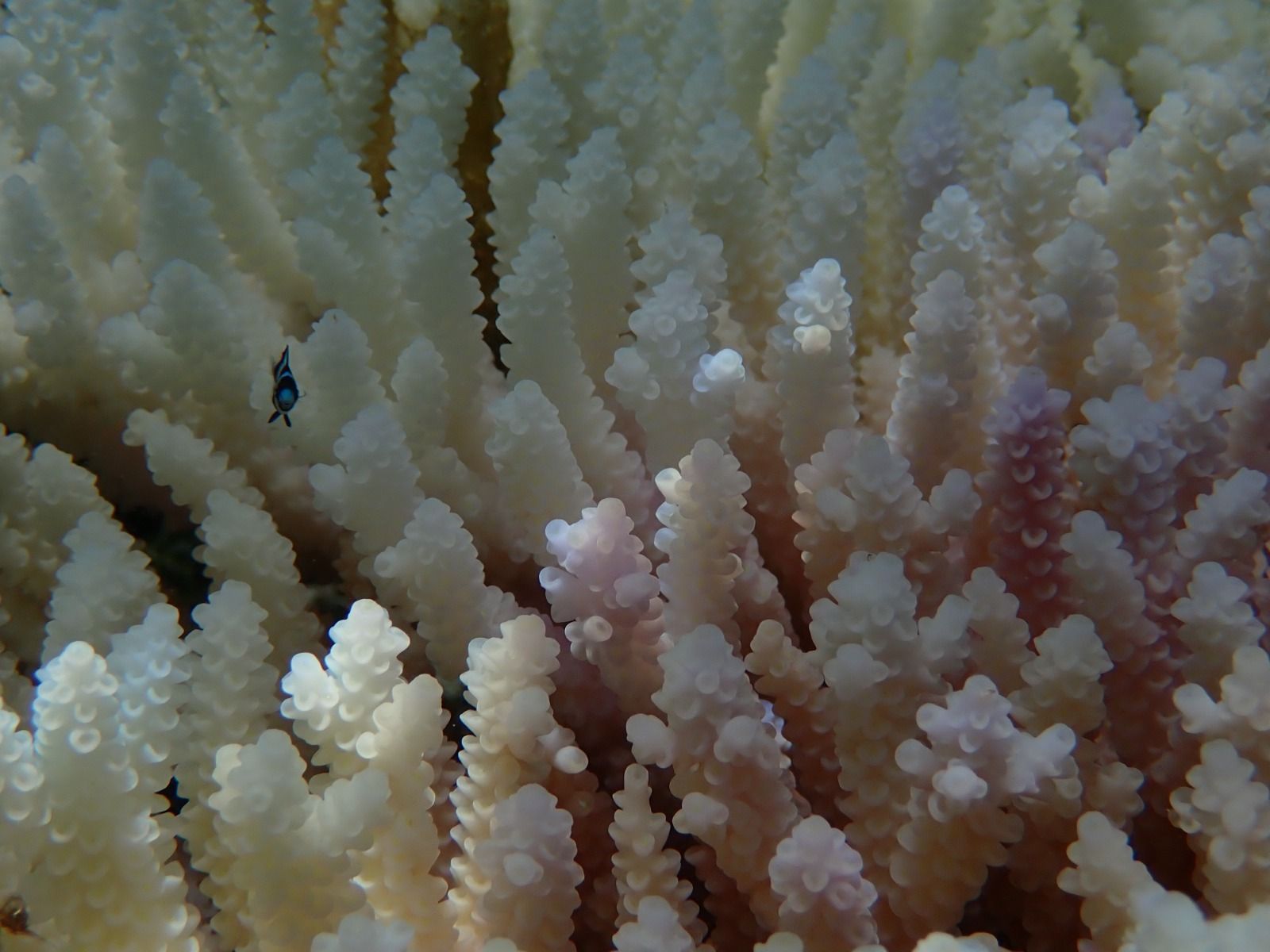
Here is what heat does to a reef. Corals live in partnership with tiny algae inside their tissue, which give them most of their food and lend them their colour. When the water stays too hot for too long, the coral expels those algae and turns bone white; this is known as bleaching. A bleached coral is not yet dead, but it is starving. If the heat lingers, it will die.
The Maldives has been here before: the 1998 El Niño killed vast stretches of reef, causing 98% coral mortality in places. In 2016, another El Niño caused more widespread damage.
The good news is that a forecast is also an early warning. We know El Niño is coming, which means we have time to prepare as best we can – intensifying reef monitoring to track heat stress and pressing on with restoration and research into corals that can take the heat.
It also means easing the human pressures we do control. The government should impose a moratorium on reclamation and dredging in next year’s hot season. Dredging throws up plumes of sediment that settle over reefs and smother corals already fighting to survive the heat – a human stress piled on top of an environmental one at the worst moment.
A coral straining against warming weather should not have to expend its energy to survive while also being smothered by silt. Pausing this work for a few months, until the danger passes, costs little and could be the difference between reefs that recover and reefs that don’t.
None of this replaces the harder, global work of cutting the greenhouse gas emissions that are heating up the oceans. But it takes some pressure off the reefs and allows them to better recover.
The brewing El Niño will test the Maldives and its coral reefs. Whether we choose to minimise the damage, or just throw up our hands and say nothing can be done, is on us. The health of the reefs, and the health of the nation, depends on how we act.
The Maldives Coral Institute is a science-led organisation that researches, develops and implements ways to build coral resilience and protect reefs from irreversible loss. Founded in 2019, MCI works with communities, scientists and partners across the Maldives to help coral reefs survive and adapt to a changing climate.
All comment pieces are the sole view of the author and do not necessarily reflect the editorial policy of the Maldives Independent. If you would like to write an opinion piece, please send proposals to editorial@maldivesindependent.com.
Discussion
No comments yet. Be the first to share your thoughts!
No comments yet. Be the first to join the conversation!
Join the Conversation
Sign in to share your thoughts under an alias and take part in the discussion. Independent journalism thrives on open, respectful debate — your voice matters.
Support Independent Journalism
Help us keep the news free and fearless
Give once
$
or
Become a memberfrom $5/month

