

Shifting sands: what seven years of nest counts reveal about Maldivian sea turtles
Hawksbills vanishing, olive ridleys arriving, greens holding on.

Artwork: Dosain
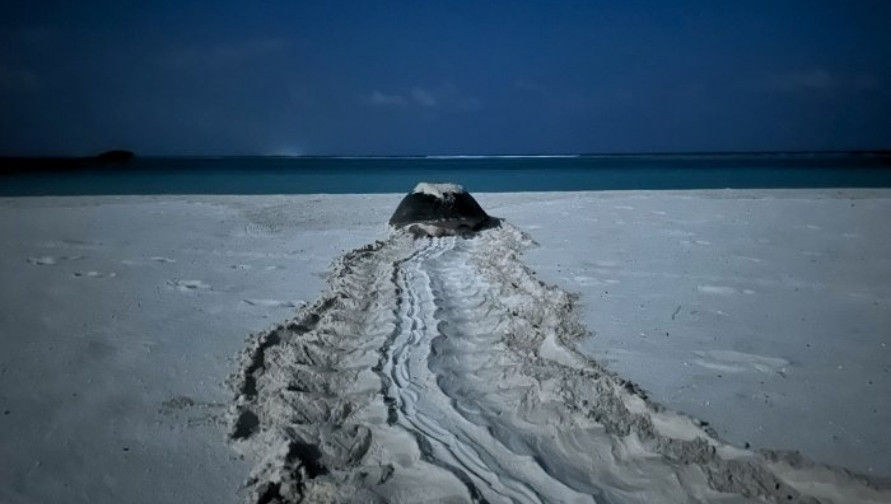
A scattered history of sea turtle nesting in the Maldives
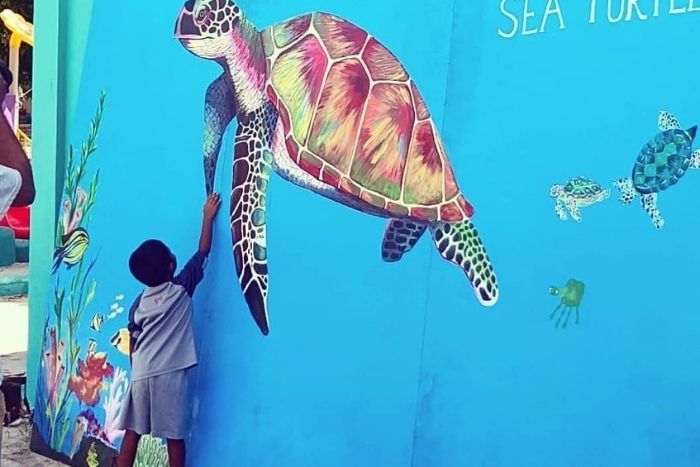
Counting nests in a country of many islands
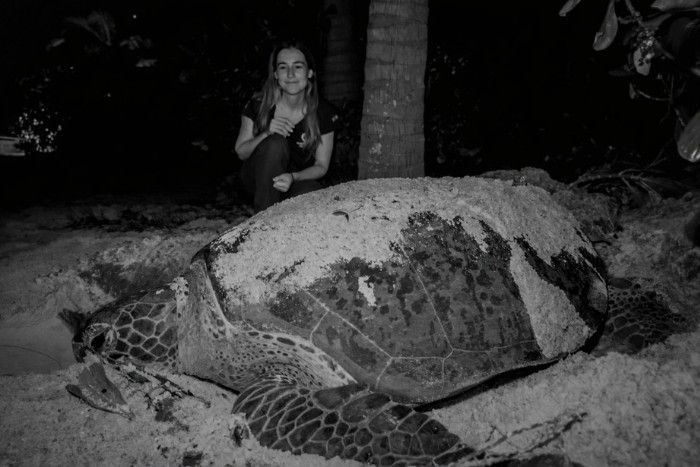

What did we find?
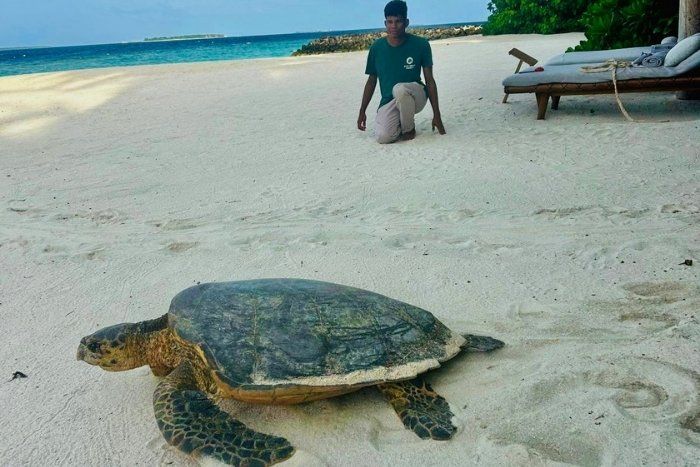
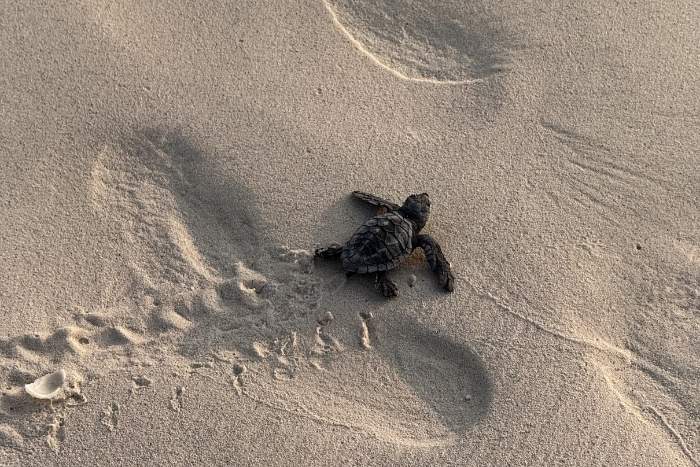
Some worrying news: One of the most striking findings of this study is the sharp decline in hawksbill sea turtle nesting in the Maldives. Although hawksbills are still the most commonly seen turtles in the water, we recorded fewer than 50 confirmed nests over seven years. This is a dramatic drop from historical estimates in the 1980s and 1990s, which suggested hundreds to thousands of nests each year. This decline has also been recognised in the Maldives' 2022 National Red List, which classified hawksbills as Critically Endangered in the country. Since hawksbill nesting appears to be concentrated in the northern atolls, these areas are particularly important for conservation priorities.
Some good news: A new species seems to have discovered the Maldives as a nesting ground – the olive ridley. Our study documented 14 olive ridley nests, marking the first official record of this species nesting in the country. Unlike the large mass nesting events seen in India (arribada), all nesting observed in the Maldives was by solitary nesters, a behaviour also known for this species. This may suggest that, as olive ridley populations recover in parts of the Indian Ocean, some females are beginning to explore and use new nesting areas like the Maldives.
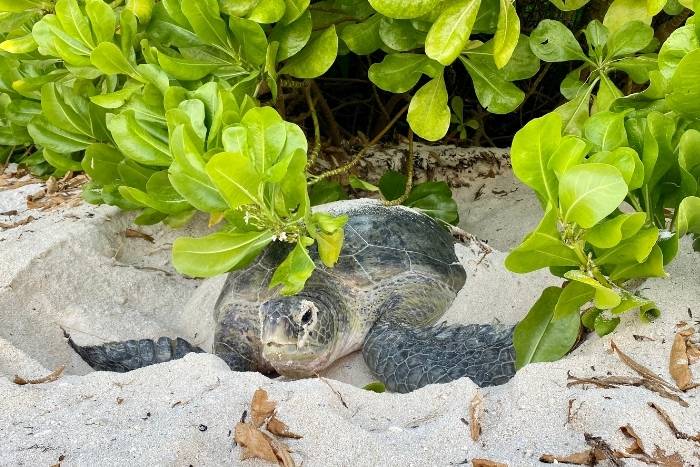
The consistent nesters: Green sea turtles make up the majority of nesting activity in the Maldives. While this species has recovered globally, the Maldivian population remains endangered, making continued nesting especially important. We recorded greens nesting across 16 atolls, with particularly important nesting beaches identified in Baa, Laamu, Lhaviyani and Noonu atolls. While green turtle nesting peaks between June and August, it can occur at any time of year. This means that there is no single defined nesting season in the Maldives, so observers may be lucky enough to spot a nesting female anytime throughout the year. During the study, we identified 44 individual nesting females, five of which returned to nest in more than one season. Since nesting is physically demanding, female sea turtles need time to recover and rebuild energy reserves. For green turtles, this typically takes around three years, something our observations also confirmed.
What about threats to sea turtle nests?

What does this mean for sea turtle conservation?

What comes next?
Discussion
No comments yet. Be the first to share your thoughts!
No comments yet. Be the first to join the conversation!
Join the Conversation
Sign in to share your thoughts under an alias and take part in the discussion. Independent journalism thrives on open, respectful debate — your voice matters.
Support Independent Journalism
Help us keep the news free and fearless
Give once


