

Scenes from Hulhumalé, before the last sand fills in
The island built to escape Malé is inheriting its congestion.

Artwork: Dosain
01 Aug, 11:13
Hulhumalé was born out of a grand, desperate vision: a hyper-planned "smart city" reclaimed from the sea to offer an orderly escape from the gridlock of neighbouring Malé. For nearly three decades, this artificial island has been shaped by shifting political priorities and relentless population targets, with the promise of housing routinely serving as a central bargaining chip in national elections.
Yet the original dream of a modern urban utopia is steadily colliding with reality. Parts of Hulhumalé are inheriting the very symptoms it was built to outrun, as broad avenues grow cramped with traffic and high-density vertical mega-blocks strain local infrastructure.
Still, the city is not completely lost. Large stretches of the island retain the breathing room, leafy residential streets, and open green spaces originally promised. Hulhumalé remains a landscape caught mid-transition, serving as a reminder that with thoughtful intervention and corrected planning, a genuinely livable city is still within reach.
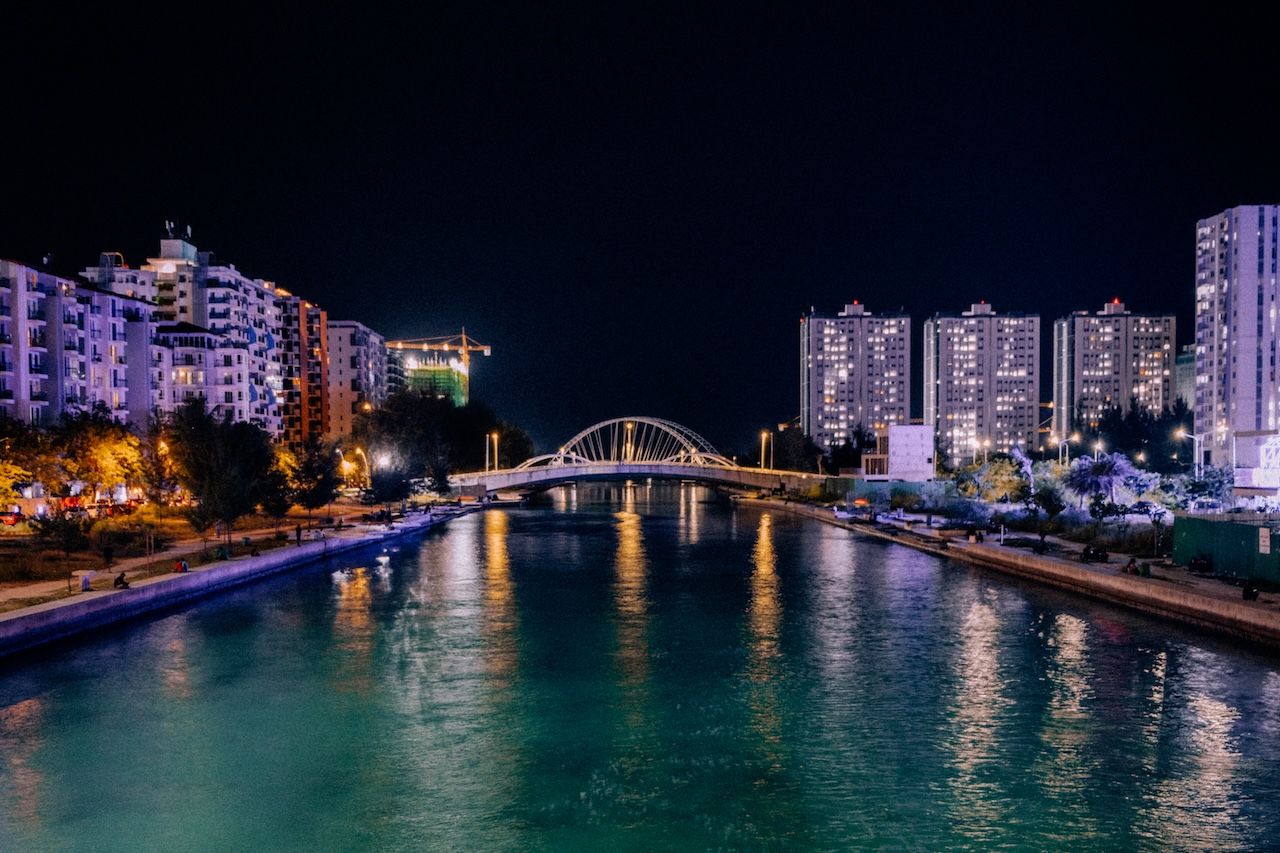
Lights from surrounding developments reflecting off the water in the canal separating Phase 1 and Phase 2 at night. As Hulhumalé continues its rapid expansion, the channel marks the boundary between the island’s established neighbourhoods and its fast-growing future.
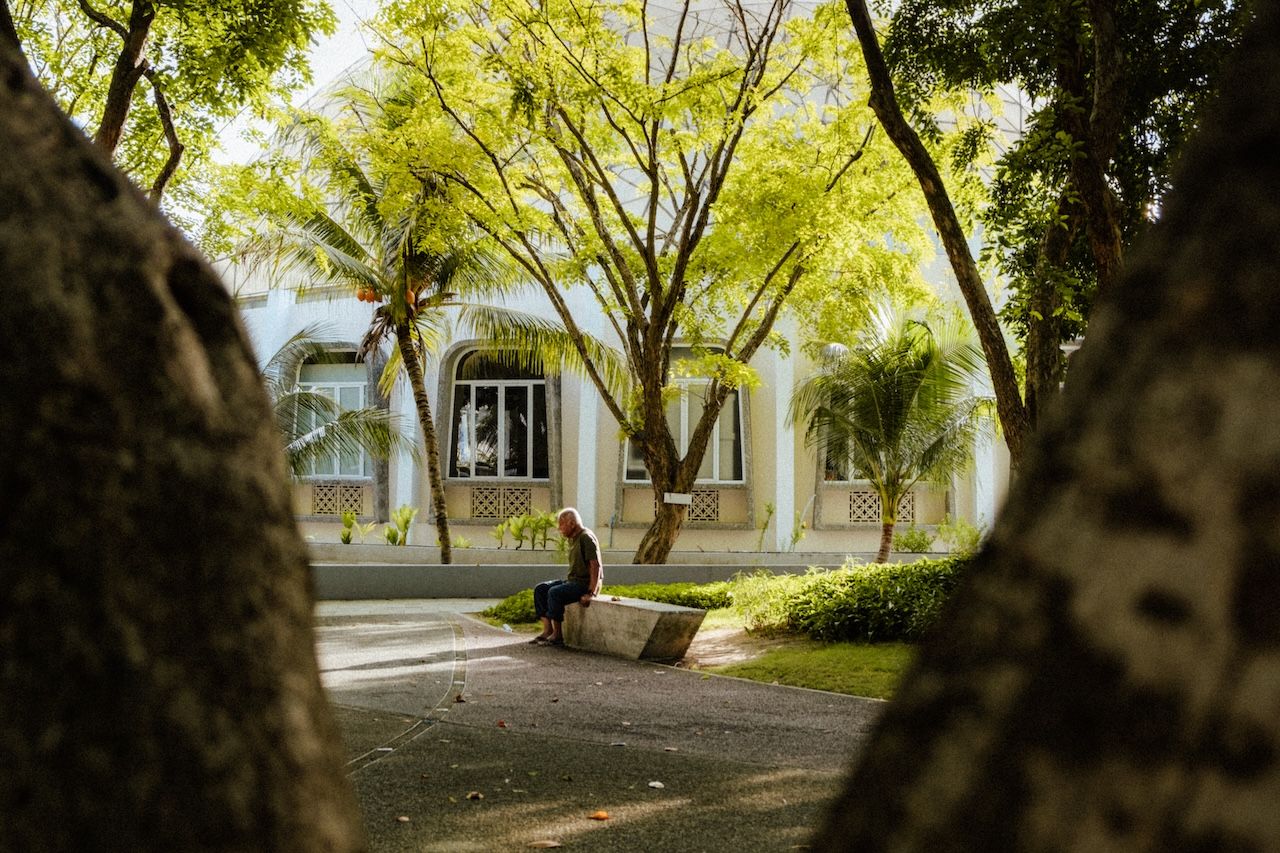
An elderly man sitting on a park bench in one of the island's green spaces. While Hulhumalé still offers pocket parks like this as a quiet break from the surrounding concrete grid, rapid population growth is shifting how these areas fit into everyday life. With high-rises expanding across the island, these few open spots are becoming much harder to keep quiet and accessible.
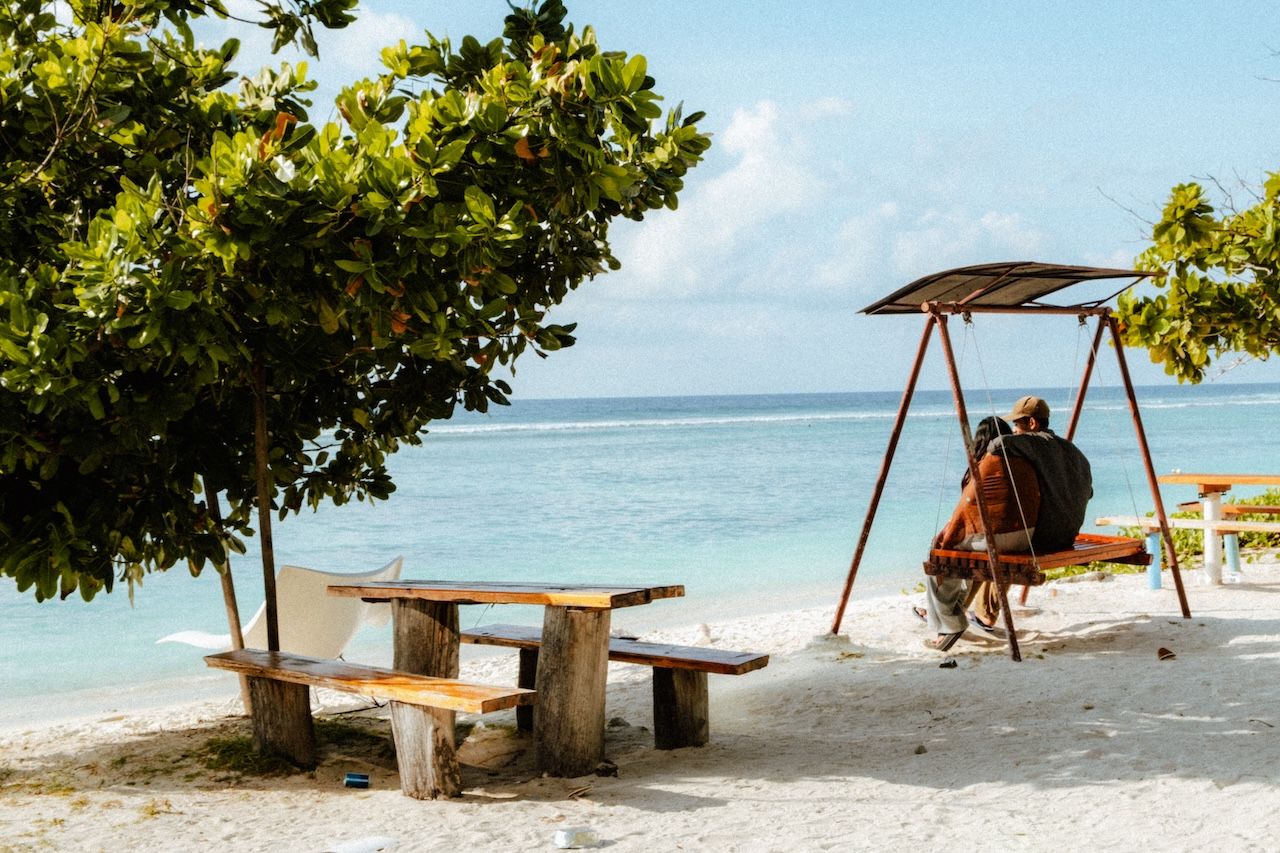
A couple sharing a quiet morning on a wooden beach swing overlooking the sea. These peaceful coastal edges reflect the original promise of Hulhumalé, offering residents a serene, relaxed lifestyle that was nearly impossible to find in congested Malé.
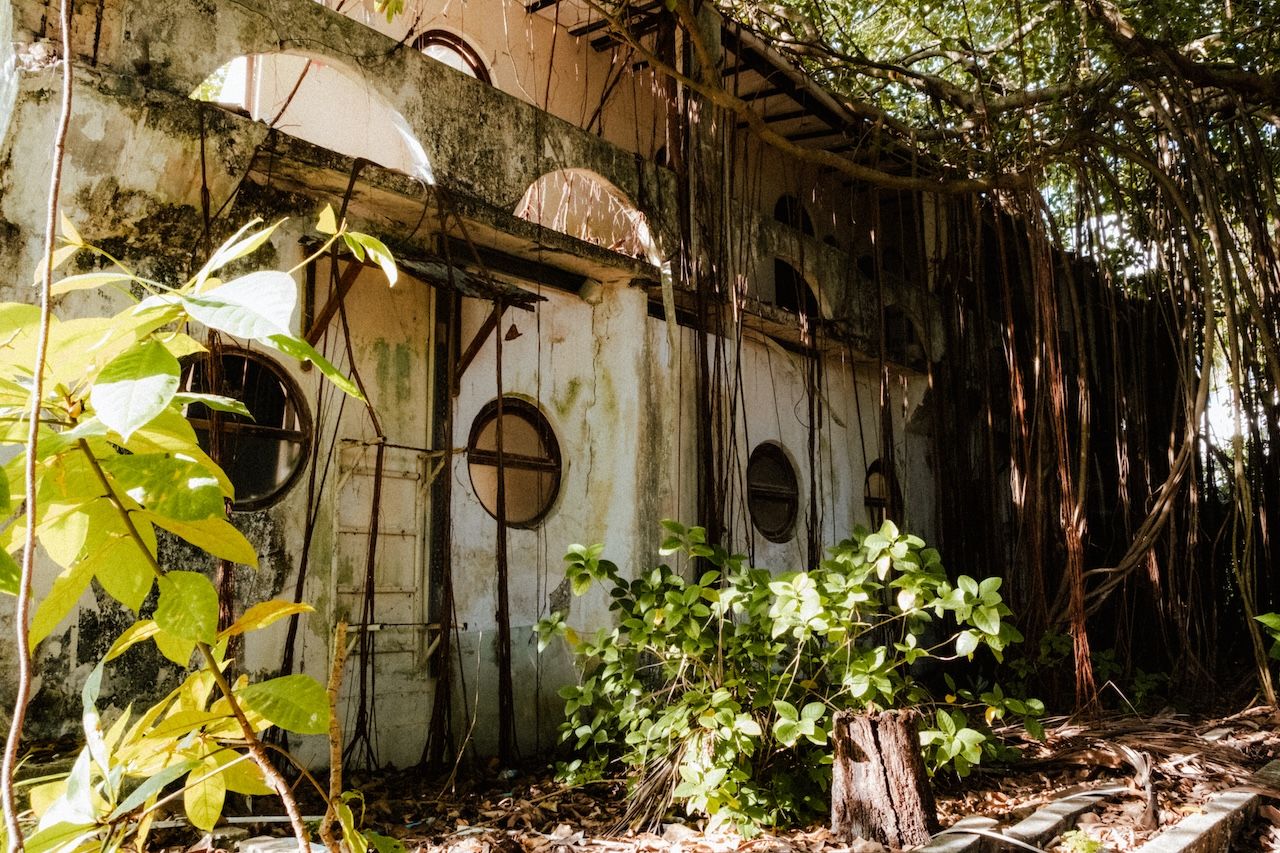
Thick vegetation creeping over the decaying walls of the Farukolhufushi ruins. Once a peaceful resort island, and later designated as a preserved heritage site following reclamation into Phase 2, the abandoned structures are now slowly being reclaimed by nature. With shifting plans for the area, moving from a proposed cultural park to a sports hub, these forgotten spaces remain in a state of limbo, where overgrown wild greenery fills the void left by delayed development.
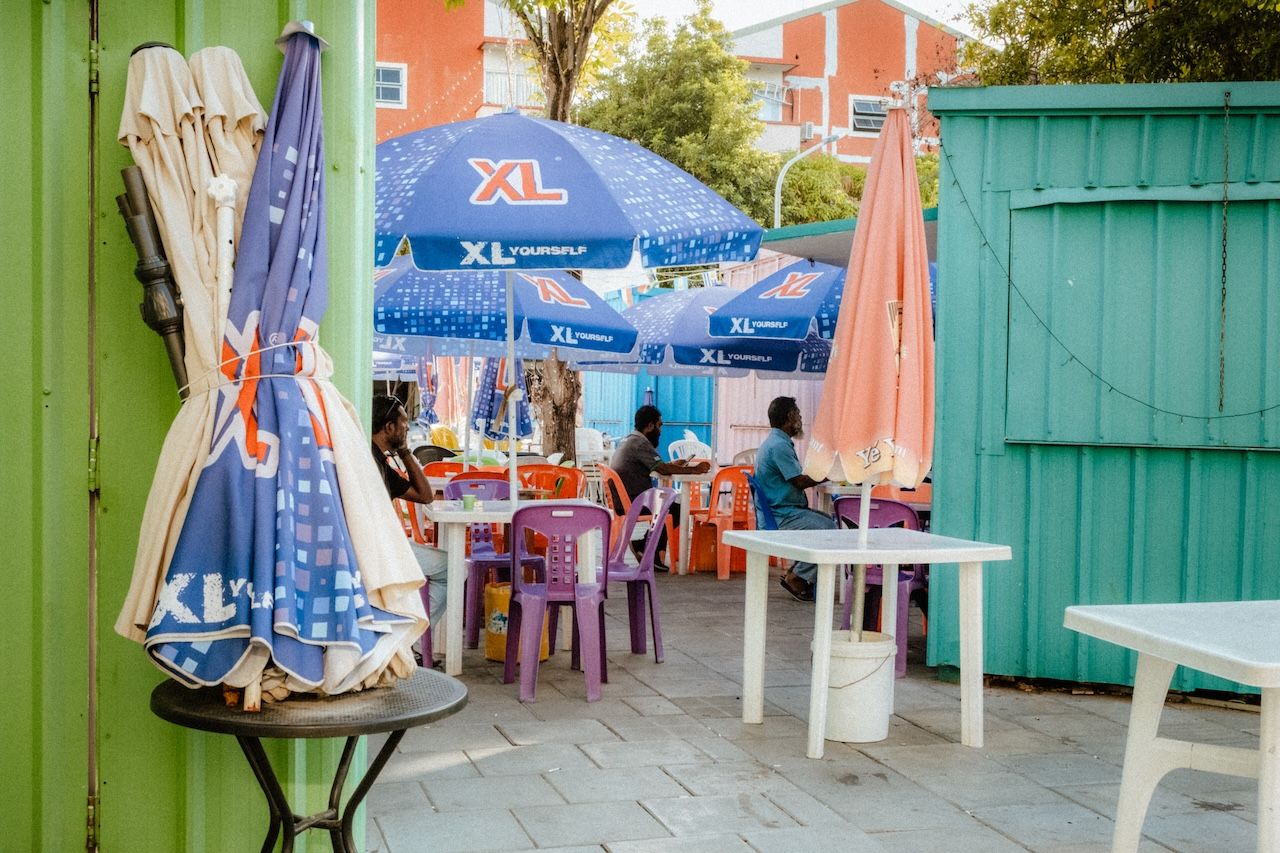
Residents enjoying a morning coffee at a street-side café. The island's layout has allowed for a diverse dining scene to grow, with places designing their spaces around outdoor seating. These open-air setups provide a distinct contrast to Malé's tight commercial spaces.
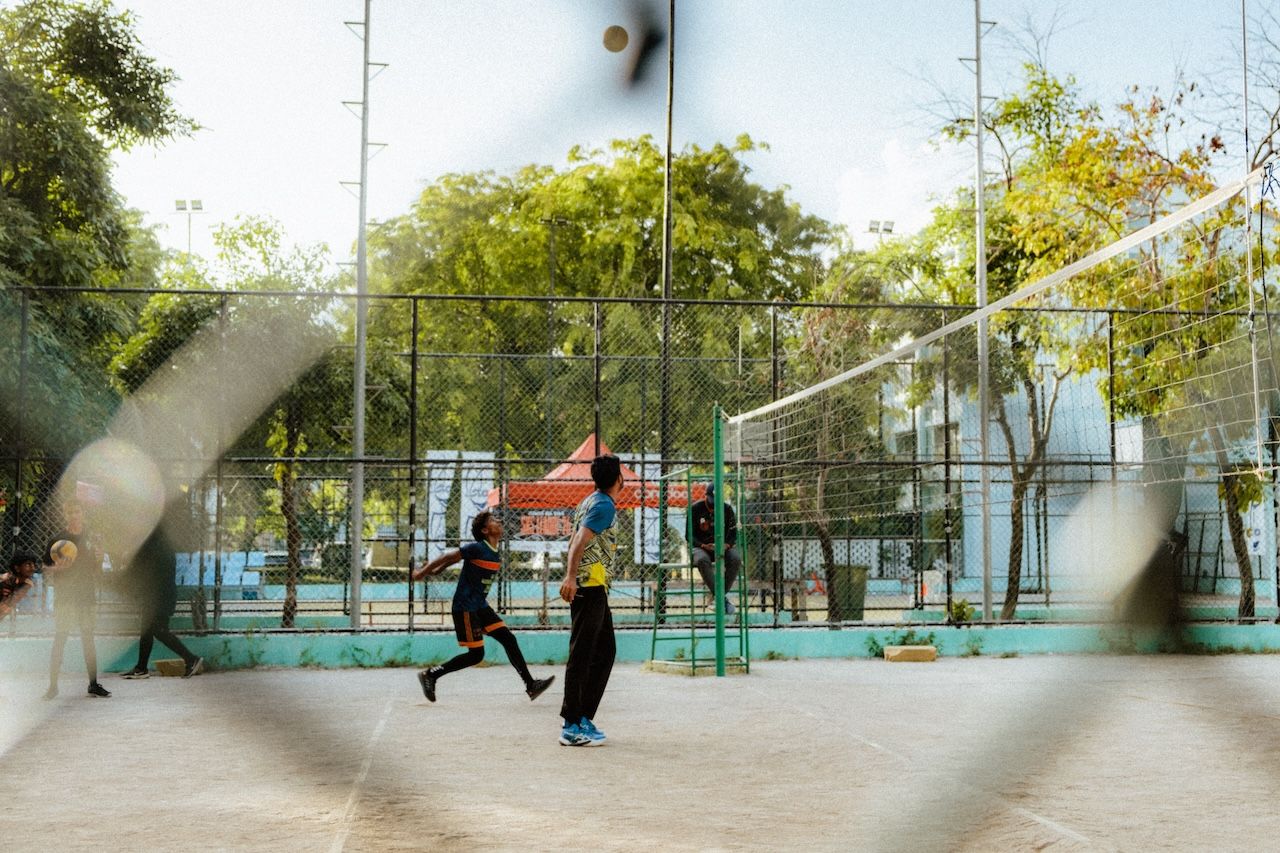
A group of teenagers playing volleyball on a public court. For many living across the Greater Malé Region, Hulhumalé has become the primary destination for outdoor sports and active recreation. With the capital lacking open grounds, young people routinely cross the bridge specifically to use these courts and open fields.
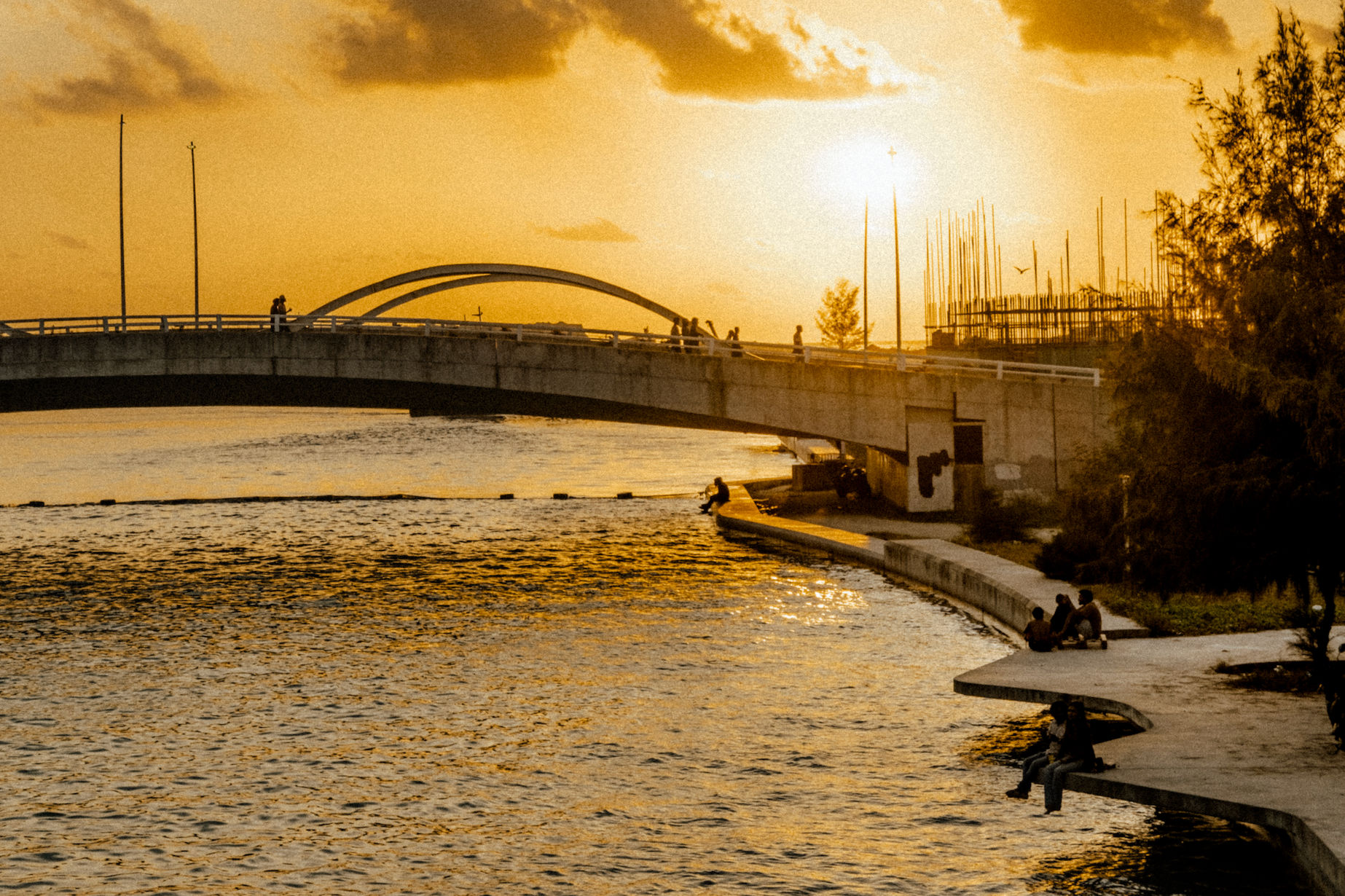
Residents relaxing along the quiet waterway that separates Hulhumalé Phase 1 and Phase 2 during sunset. Once heavily used as a busy passage for motorised marine traffic, recent policy shifts banning motorized vessels have cleared the channel for public recreation, swimming, and non-motorised water sports. Simple policy changes like this show how thoughtful adjustments can have a major impact, successfully transforming an industrial transition zone into a peaceful, shared space for the community.
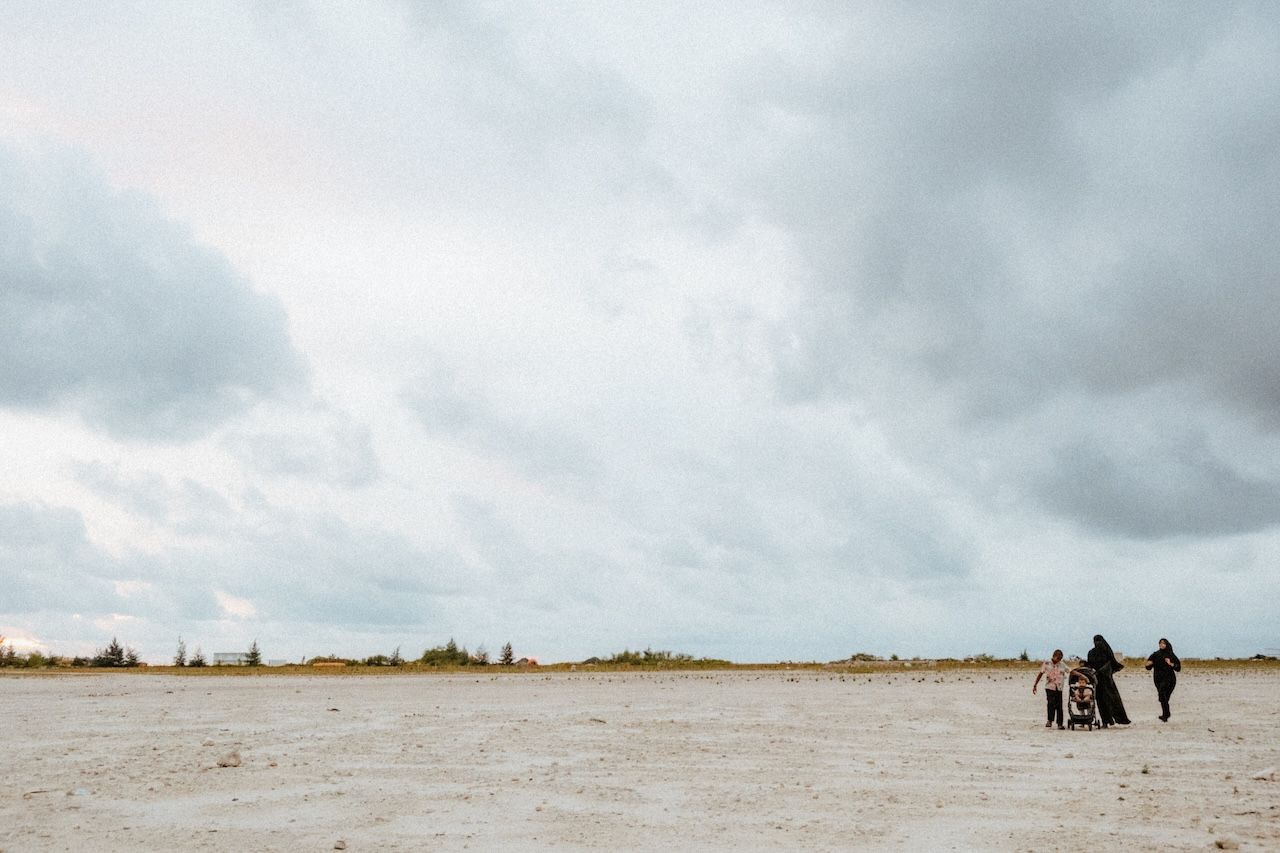
A family walking across the vast, open sands of "Phase 3," the island’s newest reclaimed area. Currently, little more than an empty desert of dredged up sand, the space is already being used by residents as an expansive open getaway. Yet this openness is temporary. As construction machinery moves in and plans take shape, these wide, unbroken fields of sand will soon be replaced by high-density residential towers and urban infrastructure, perhaps shifting the island’s final frontier into another busy neighbourhood.
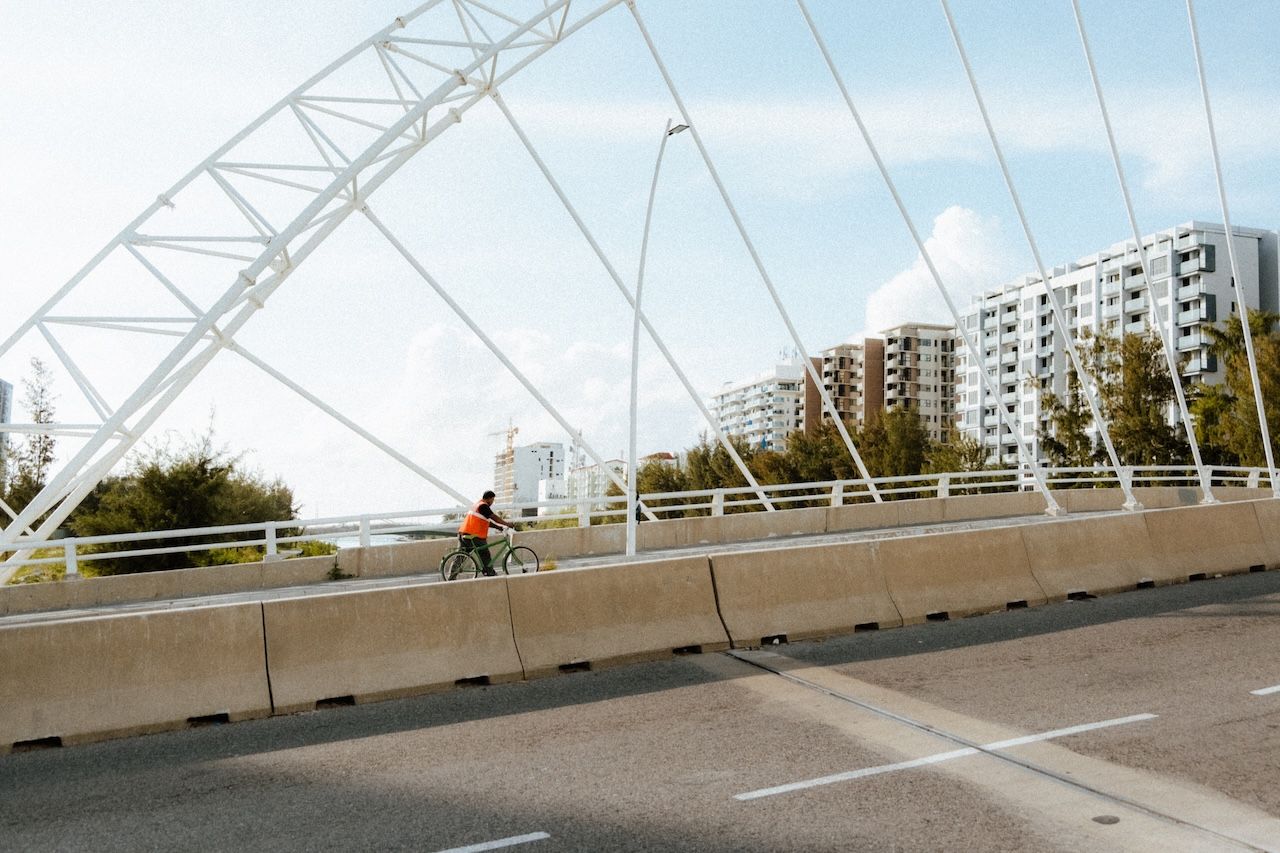
A construction worker pushing his bicycle across a bridge on his morning commute to a job site. Tens of thousands of migrant workers currently call Hulhumalé home, forming the backbone of the island’s rapid development. Behind every high-rise, paved road, and expanding neighbourhood is a massive labour force that the entire city relies on.
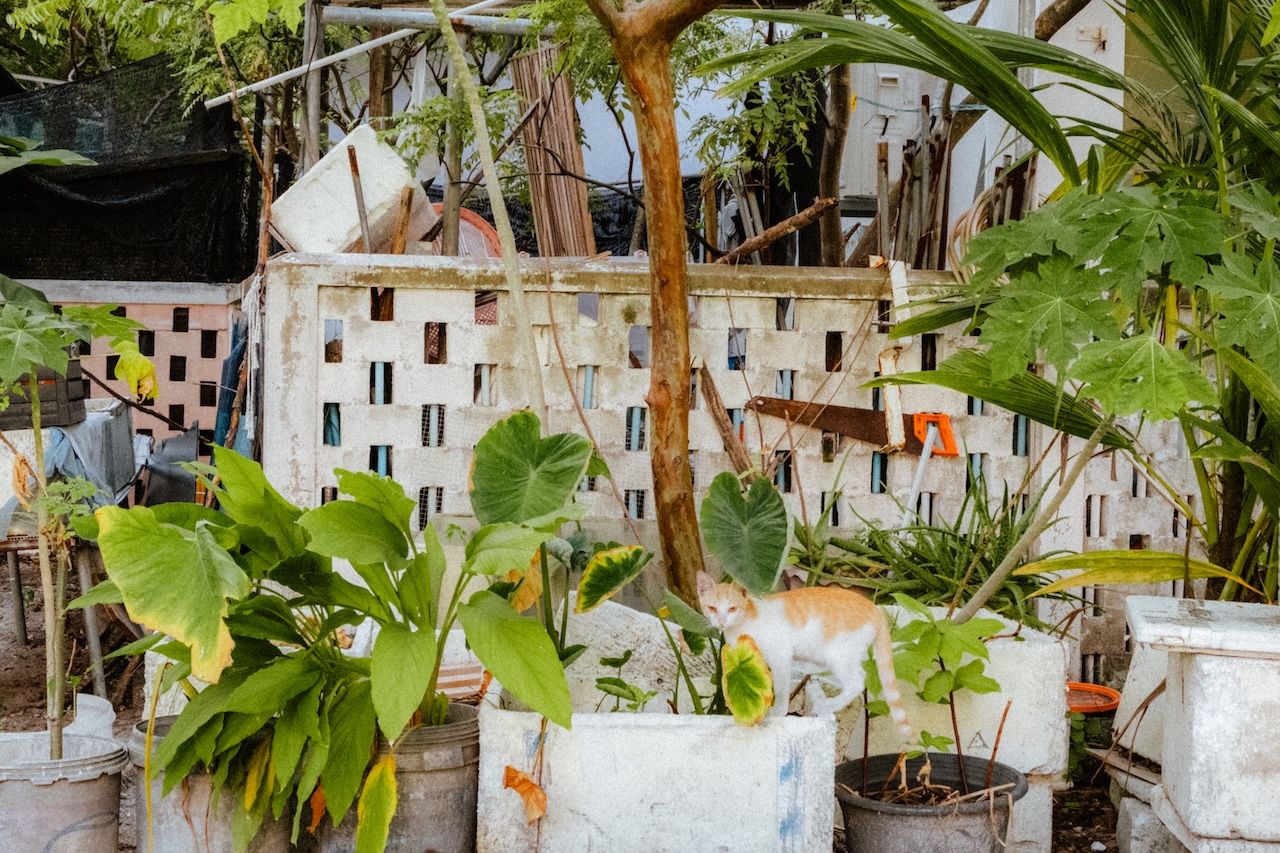
A small garden plot tucked into a residential neighbourhood in Phase 1. As more people settle in and make Hulhumalé their home, residents have been taking whatever space they have available to carve out small patches of vegetation amidst the growing concrete.
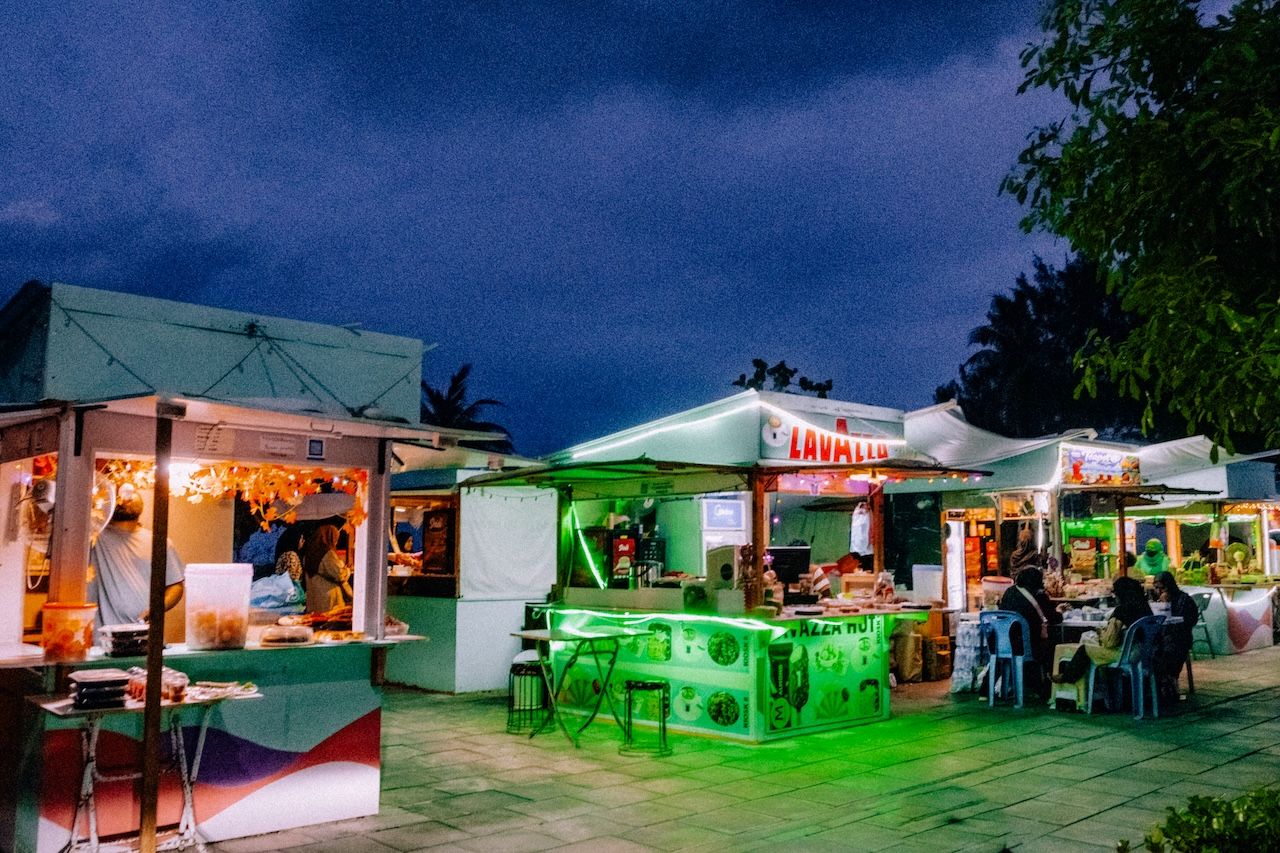
Residents gathering around pop-up stalls at an evening night market. Beyond its quiet daily routines, Hulhumalé regularly transforms its wide avenues and open spaces into lively venues for night markets and seasonal carnivals.
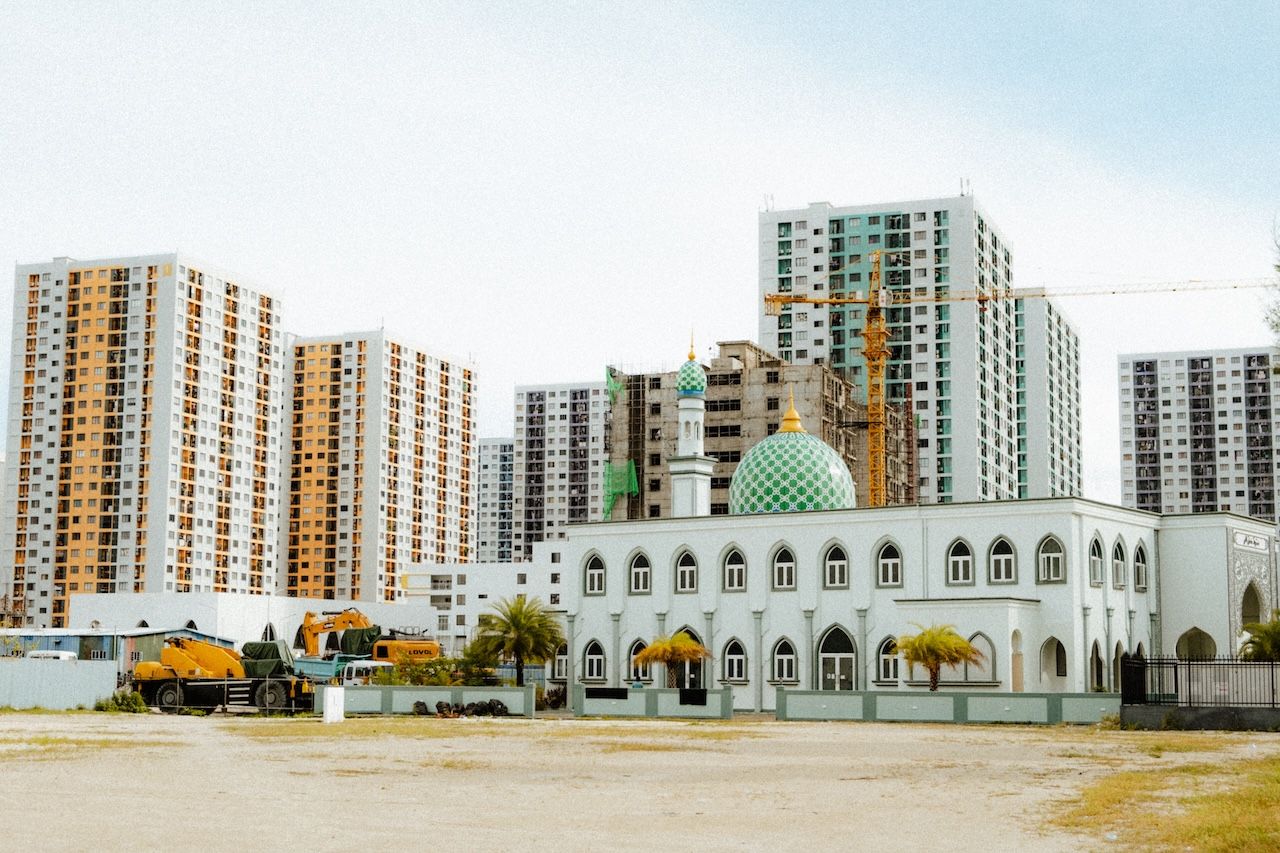
The massive Hiya towers rising in the distance across Hulhumalé Phase 2. Housing tens of thousands of residents, this high-density neighbourhood has rapidly become one of the most populated hubs in the region. Yet, as thousands continue to move in, basic infrastructure, essential shops, and public utilities are still racing to keep pace with the massive daily demand
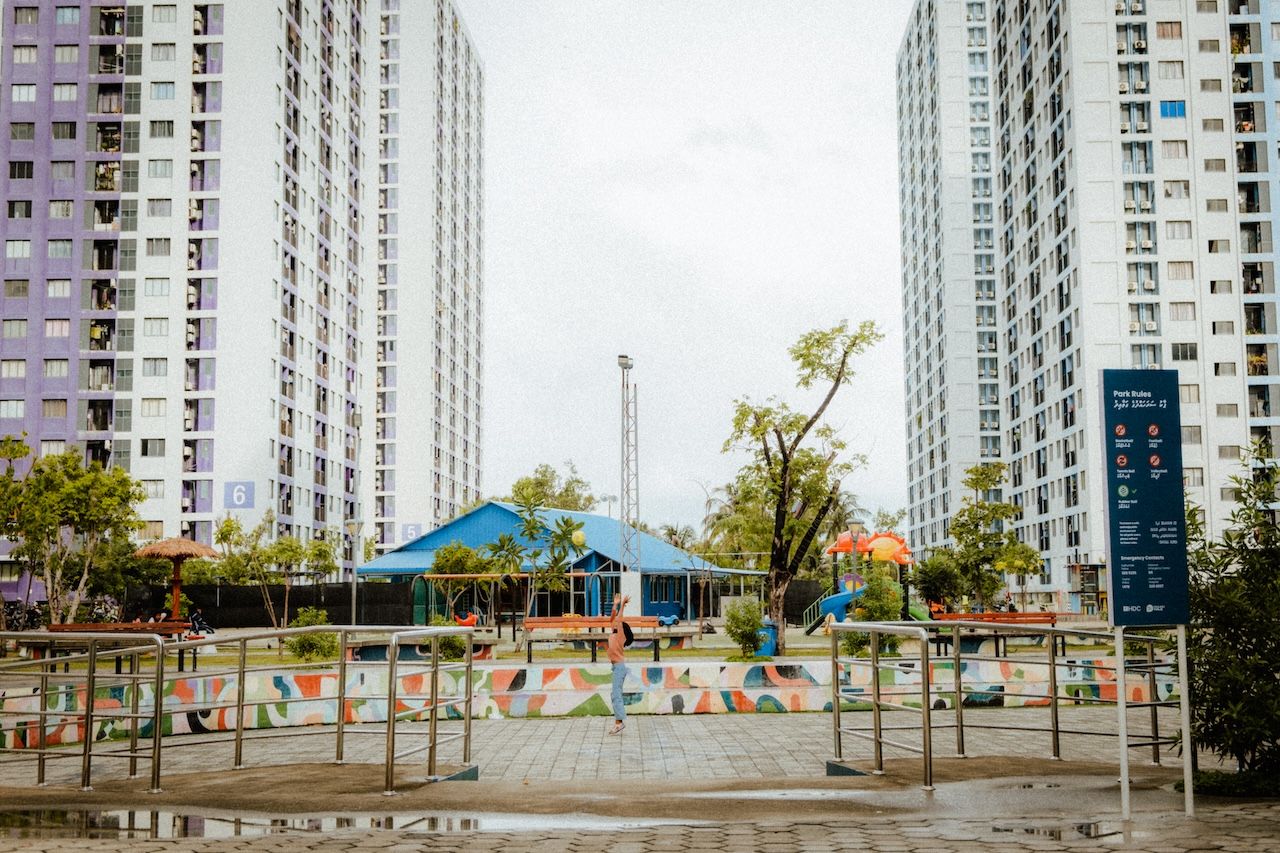
A young girl playing in the shadow of the Hiya towers. Standing between these soaring structures, it is easy to forget the scale of the development until you look up. Yet in the middle of this massive concrete complex, small, quiet moments continue to play out.
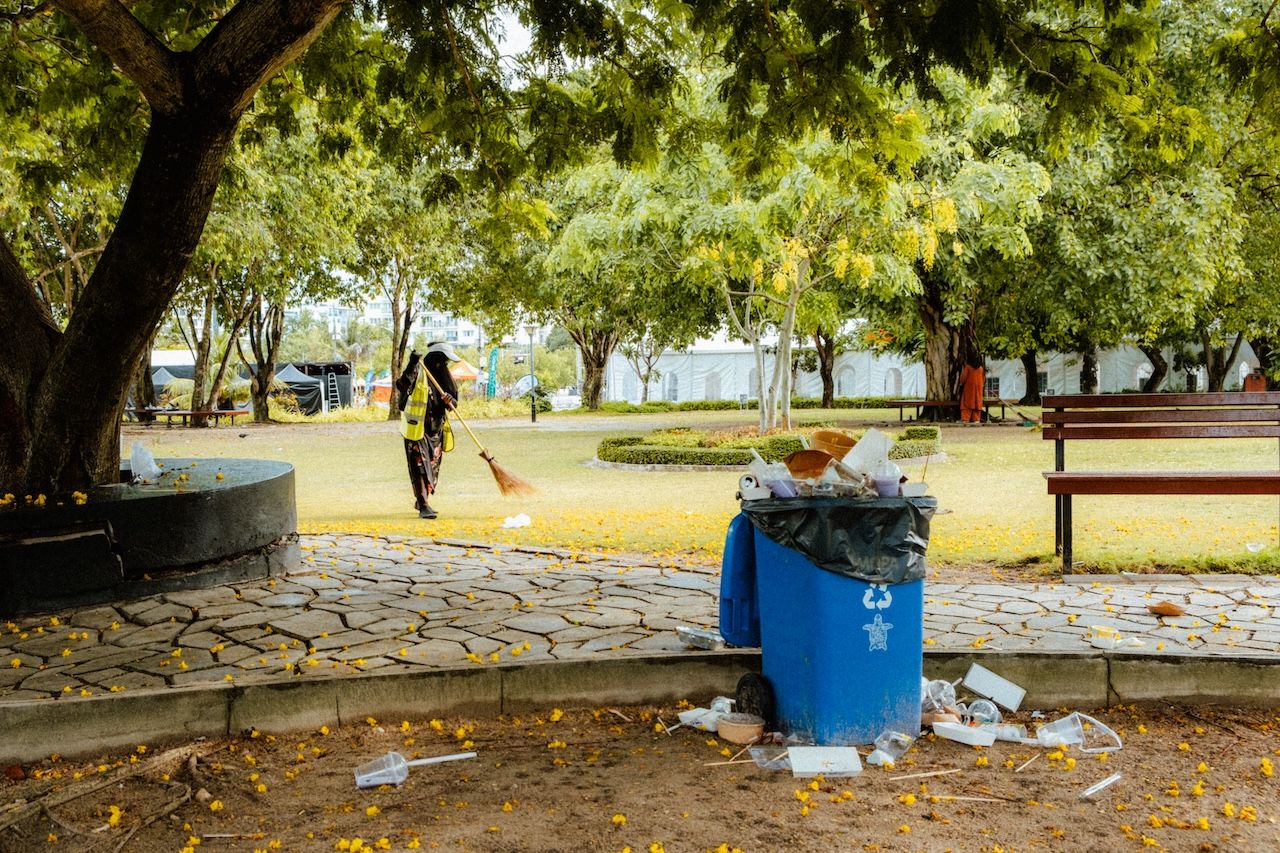
A cleaner sweeping the grounds of Central Park while an overflowing trash bin sits in the foreground. In a rapidly expanding city where public spaces see constant heavy foot traffic, maintaining clean neighbourhoods is a daily struggle.
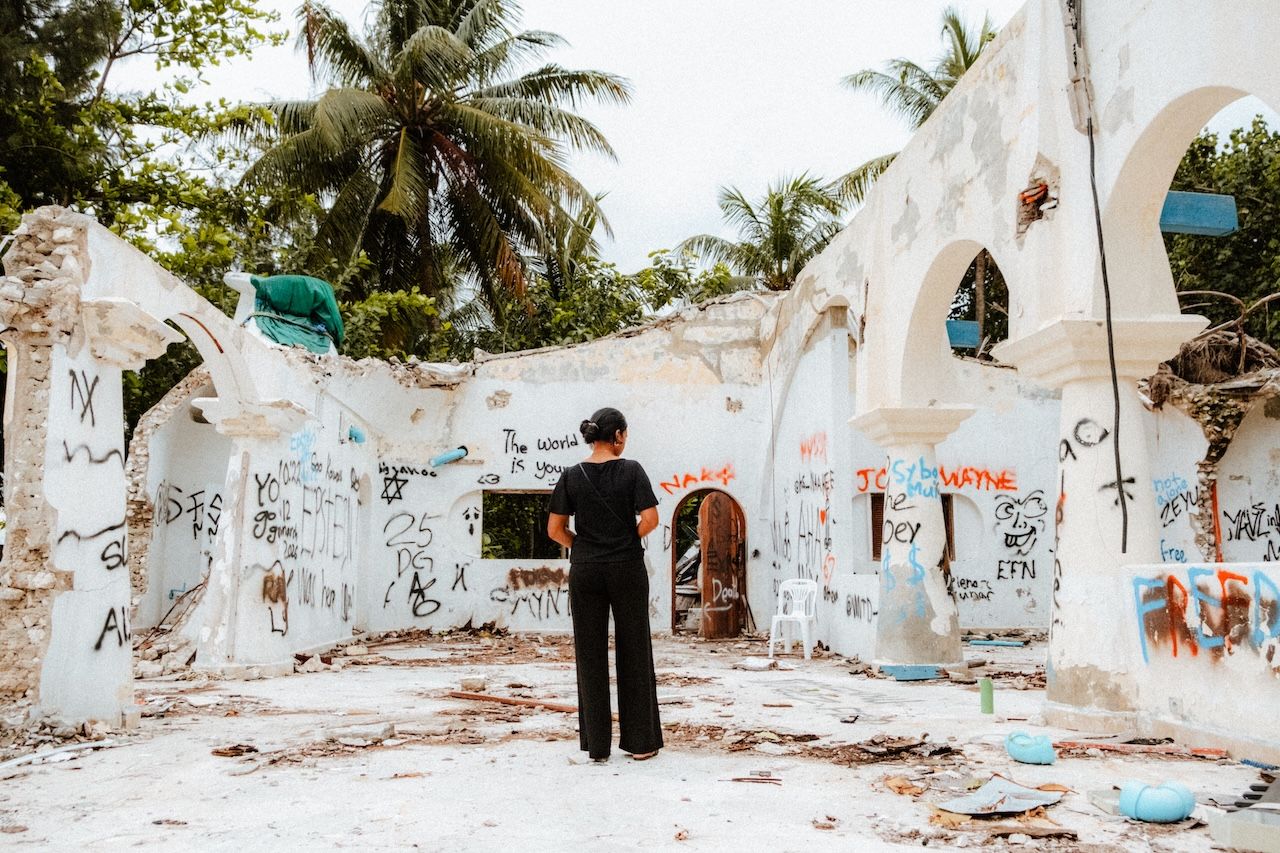
The concrete ruins of an abandoned building, painted with layers of graffiti. In a place shaped by master plans and uniform architecture, scenes like this give Hulhumalé a patchwork feeling. Interspersed among the planned housing blocks are bits and pieces of long-abandoned structures that have yet to be fully shaped into the modern city.
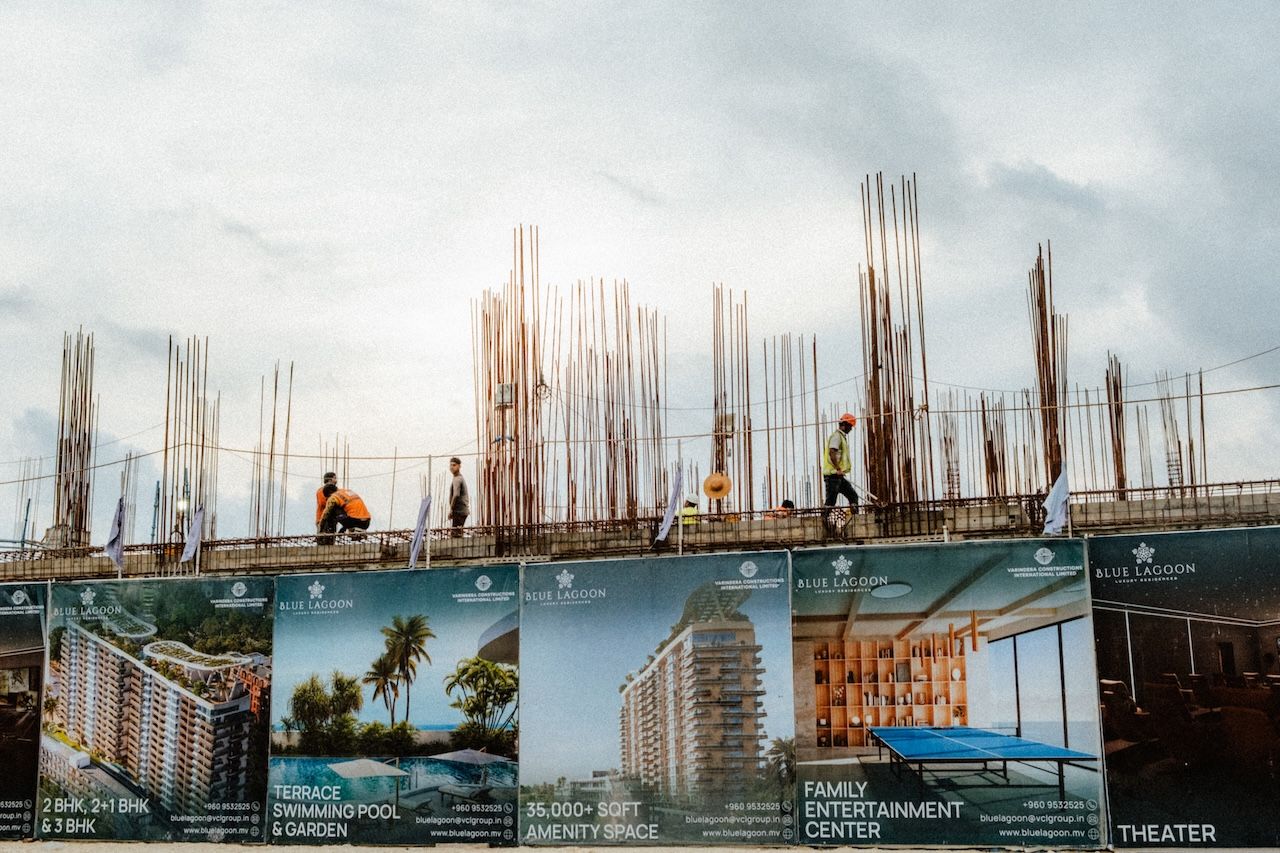
Construction workers on the scaffolding of a rising condominium block. Across Hulhumalé, new high-end residential developments continue to go up at a steady pace. Amid ongoing housing shortages and high demand for affordable living, these commercial developments raise questions about who these properties are truly for, doing little to meet the urgent housing needs the island was originally promised to solve.
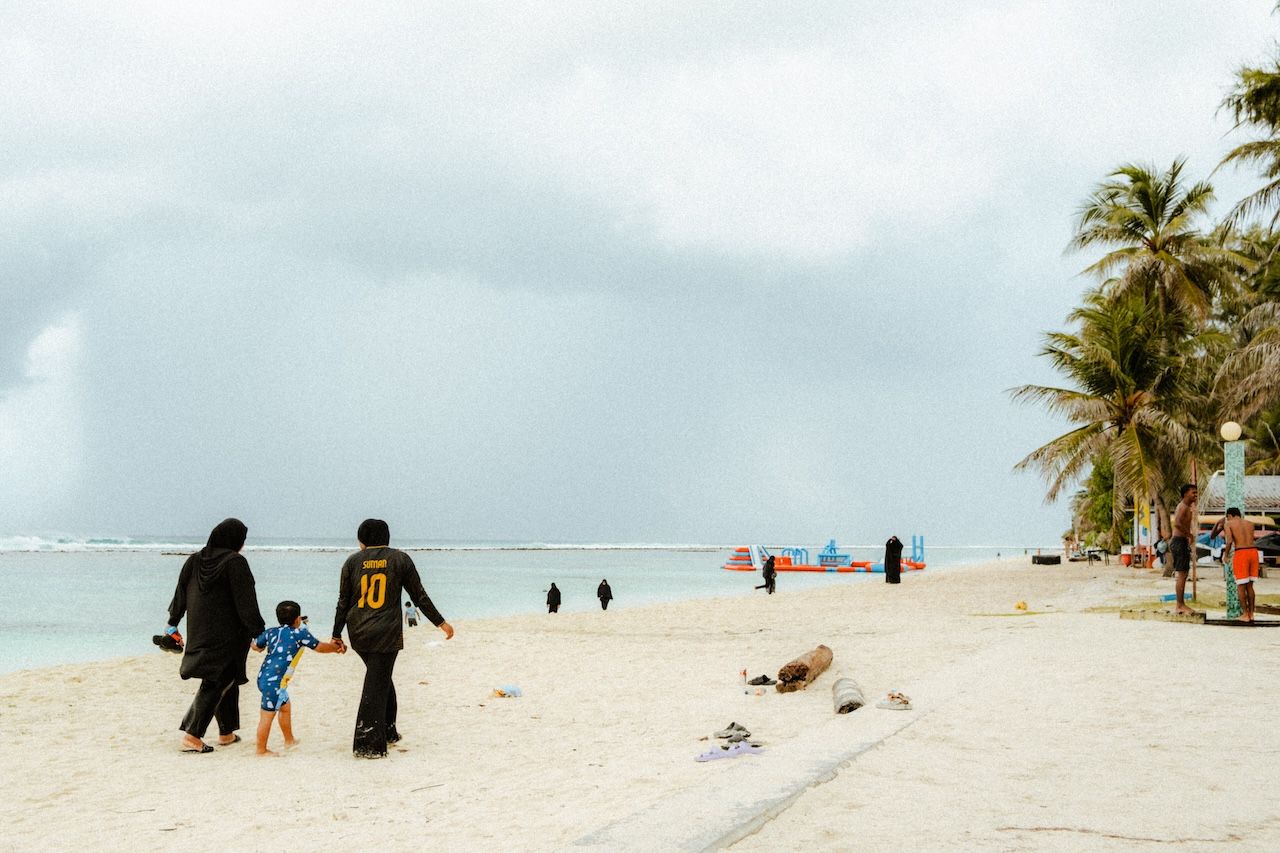
Families spending time together along the Hulhumalé beachfront. As rapid development reshapes the island, the long public beach remains what initially drew people here.
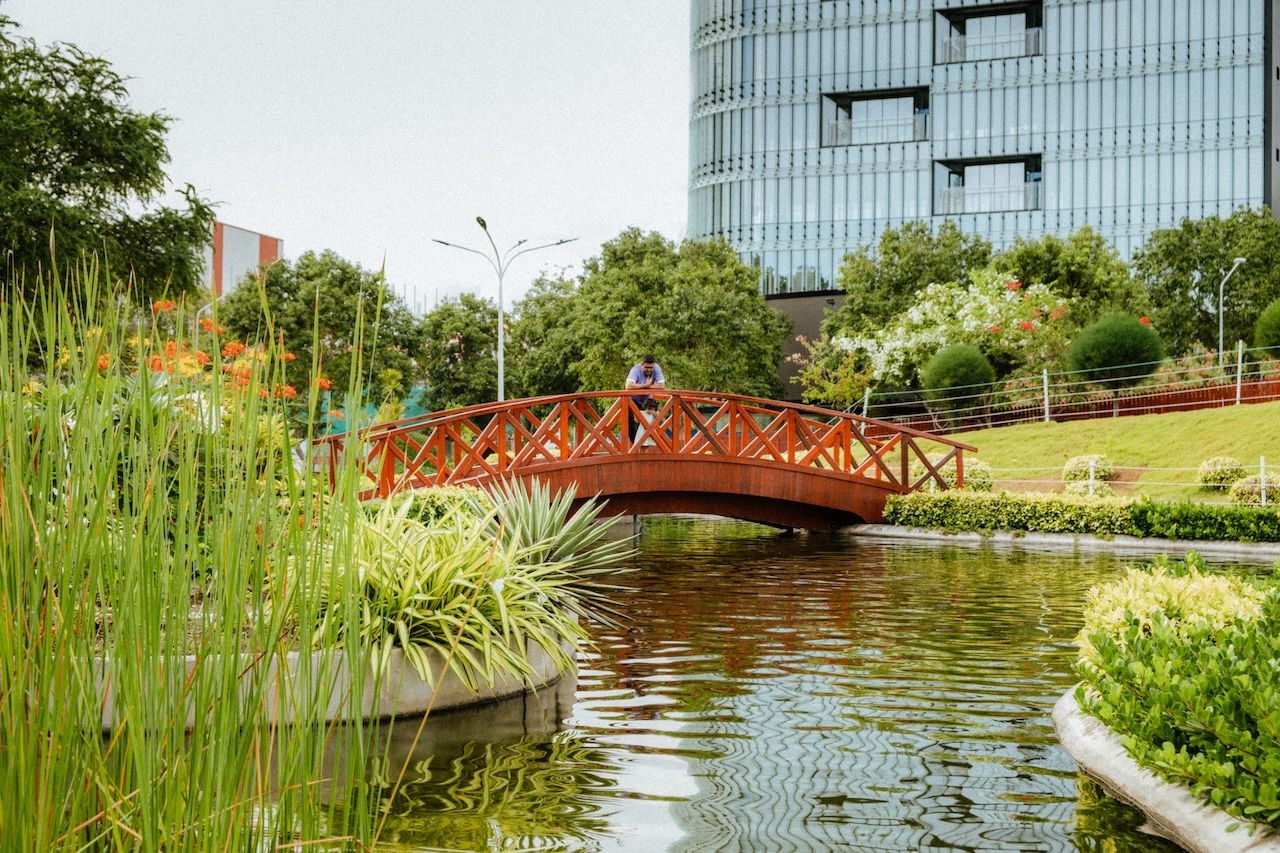
A father and his young daughter standing on a bridge over the pond in Central Park. Among the concrete towers and paved streets of Hulhumalé, planned green spaces like this were key to the original Phase 1 master plan. Yet, as high-density housing demands expand into Phase 2, open green land has been increasingly reprioritised for residential plots, high-rise developments, and expanding municipal needs.
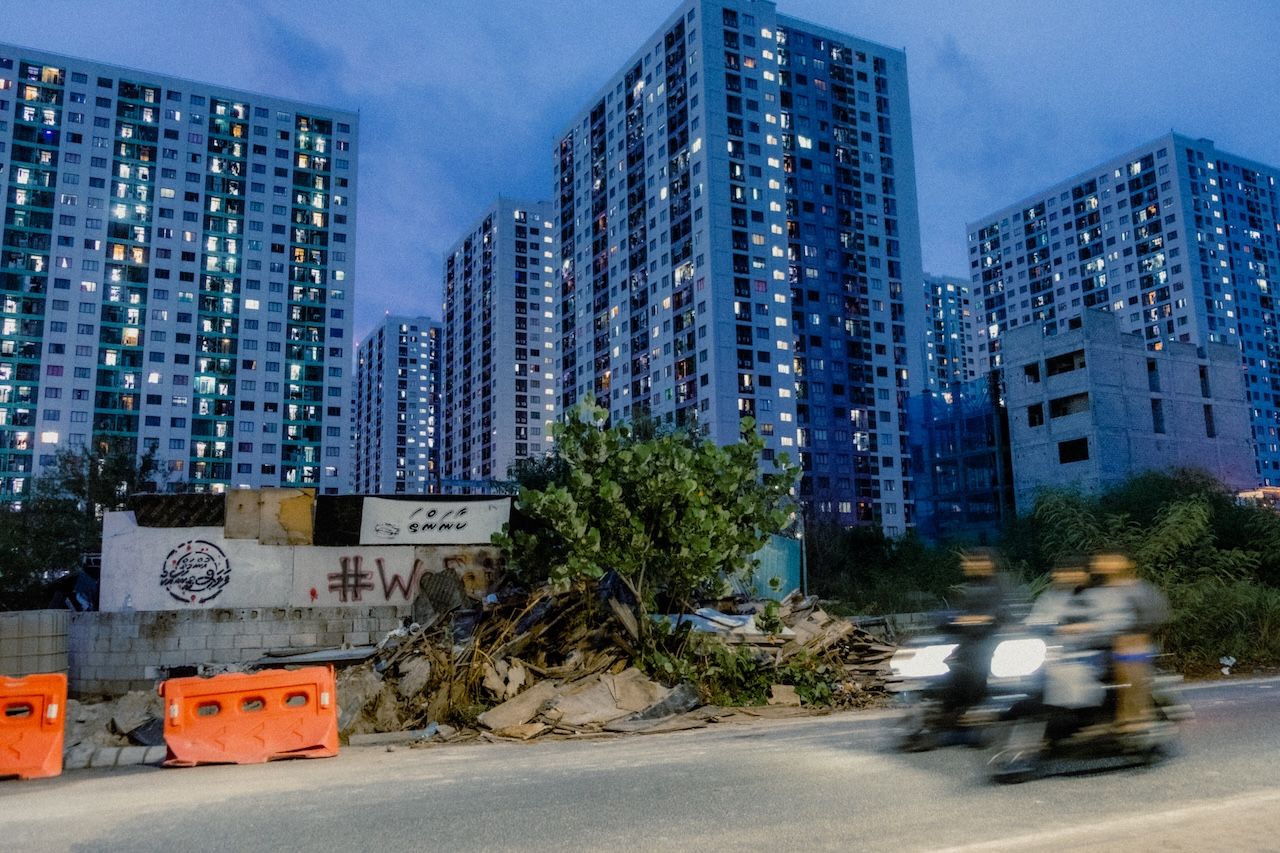
Dusk settles over the massive Hiya flats. In the foreground, motorbikes drive by piles of construction debris, demonstrating the gap between the monumental scale of these high-density towers and the unfinished, work-in-progress streetscape down below
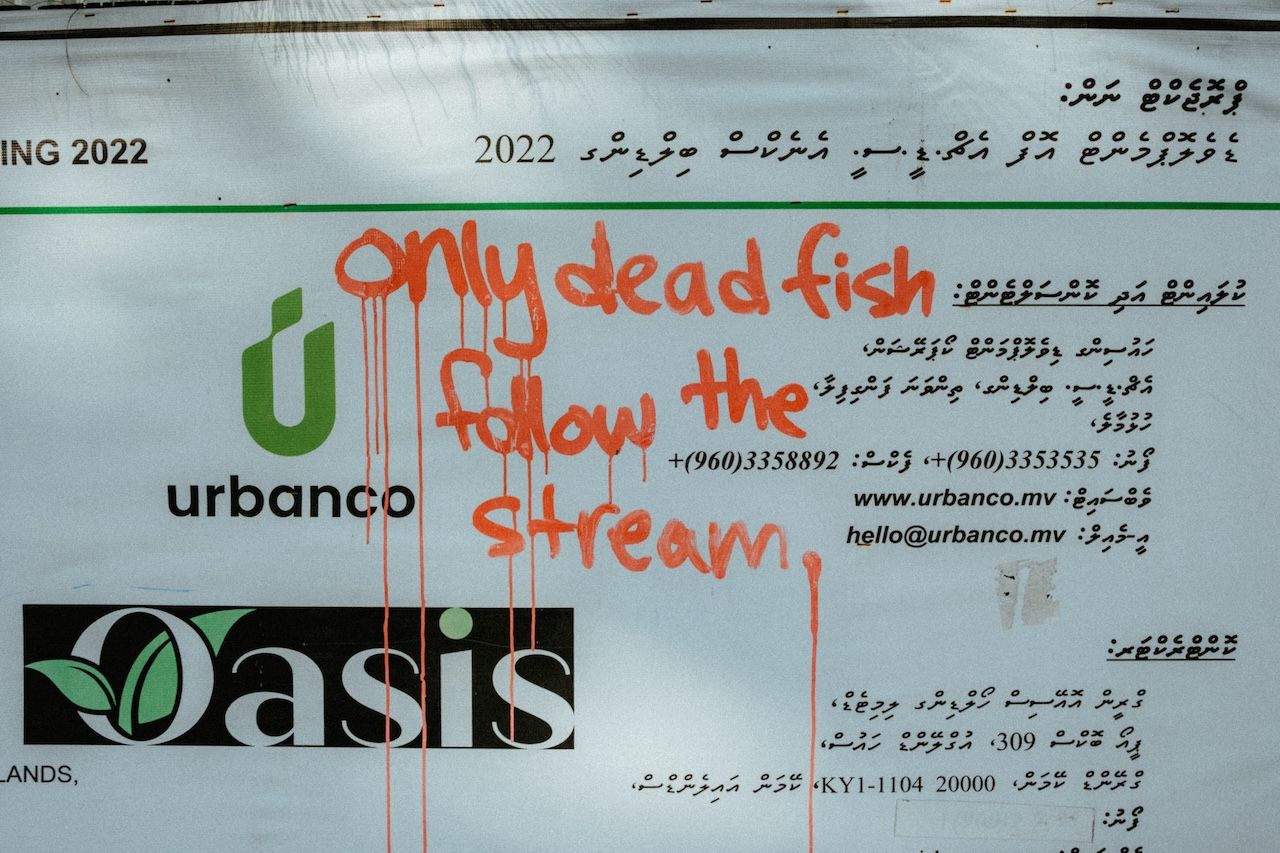
Graffiti scrawled across an HDC construction site sign reading, "only dead fish follow the stream." Left on the barrier of an official build zone, this message stands out as a rare mark of non-conformity in a city largely driven by a single, central vision.
Jauson Lomo is a Malé-based photographer who posts as @heyyousuck on Instagram, where more of his work can be found.
Discussion
No comments yet. Be the first to share your thoughts!
No comments yet. Be the first to join the conversation!
Join the Conversation
Sign in to share your thoughts under an alias and take part in the discussion. Independent journalism thrives on open, respectful debate — your voice matters.
Support Independent Journalism
Help us keep the news free and fearless
Give once
$
or
Become a memberfrom $5/month

