

Alibe's house of stars: inside Kulhudhuffushi's century-old home
A photo tour with Tharijehige's last resident.
Artwork: Dosain
25 Jan, 15:19
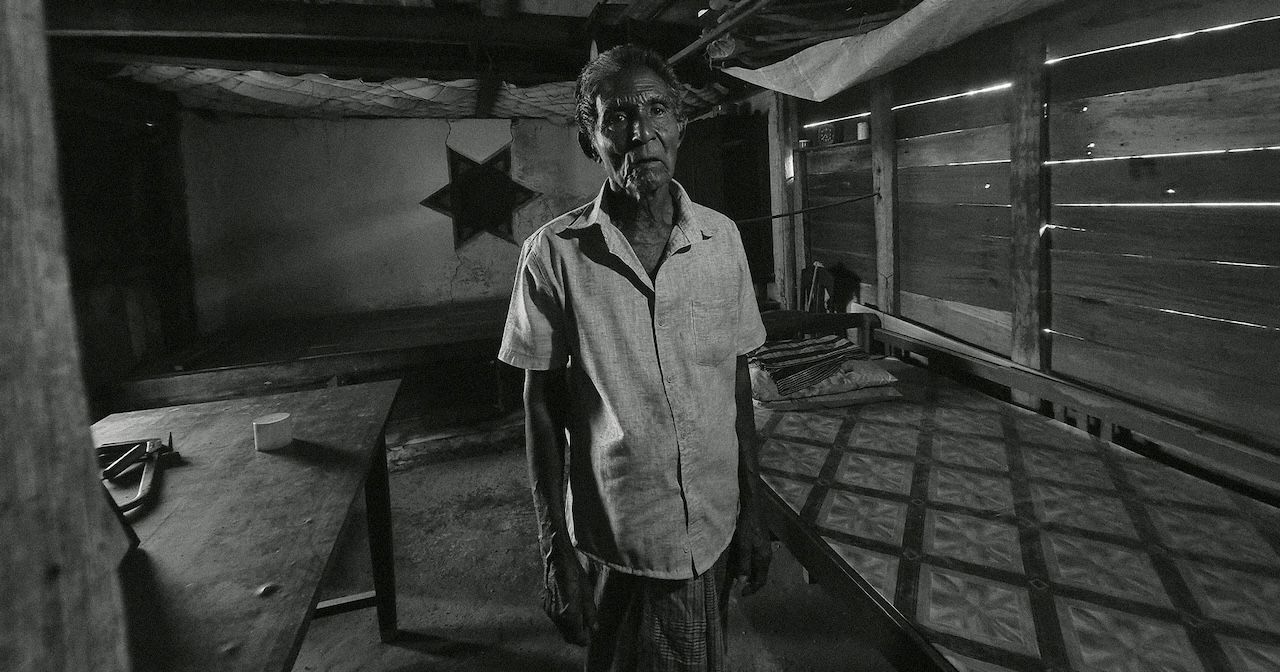
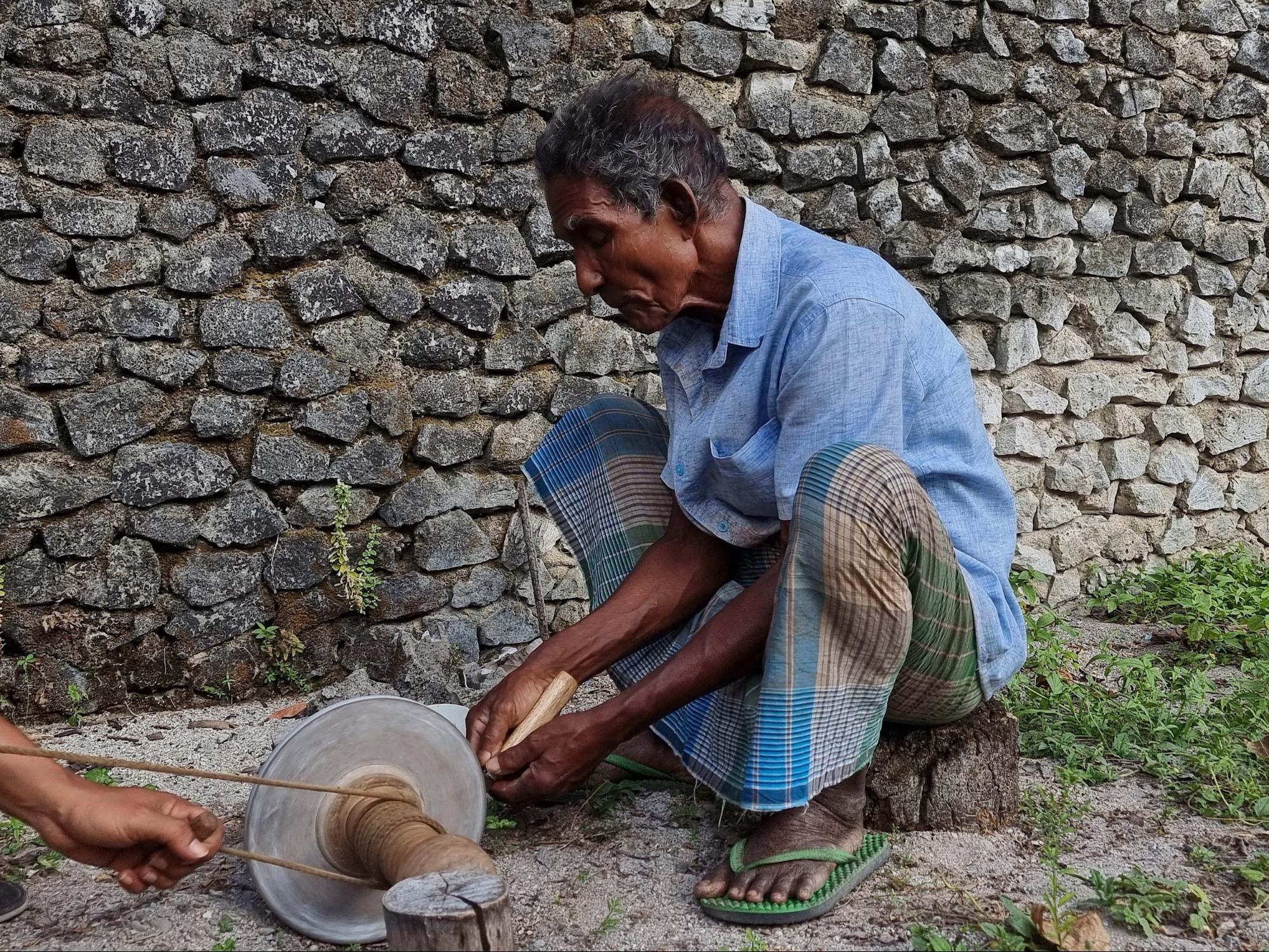
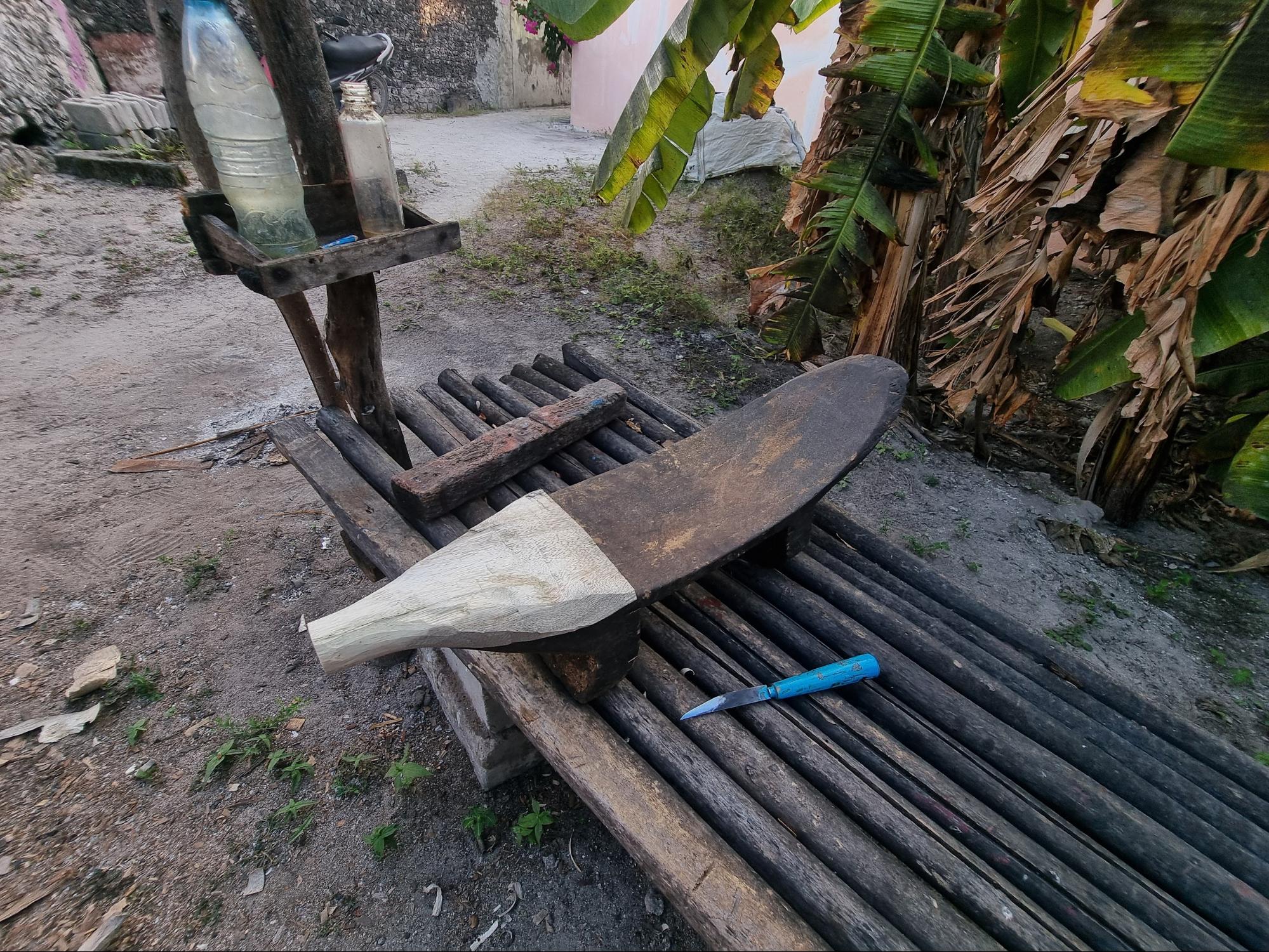
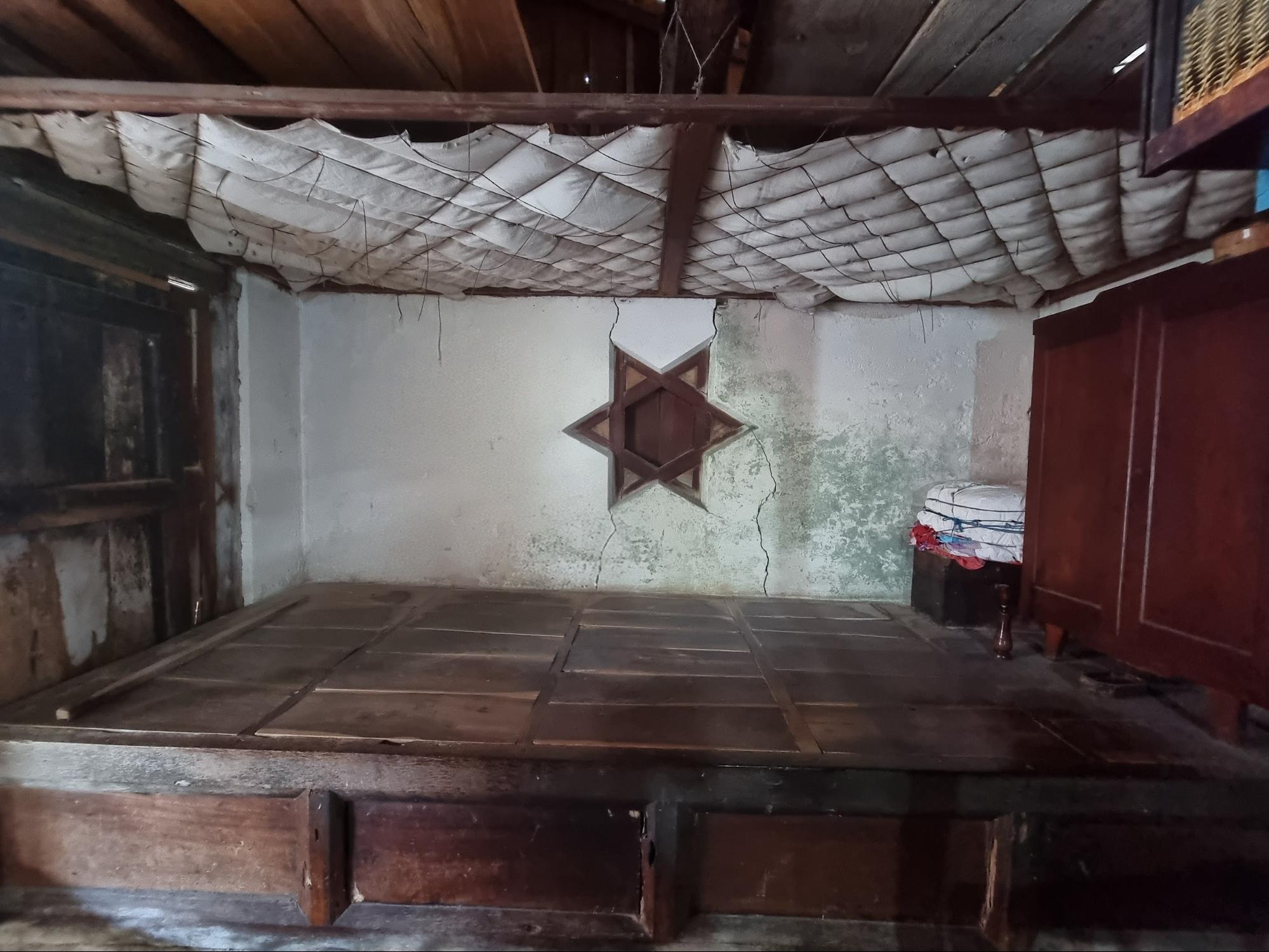
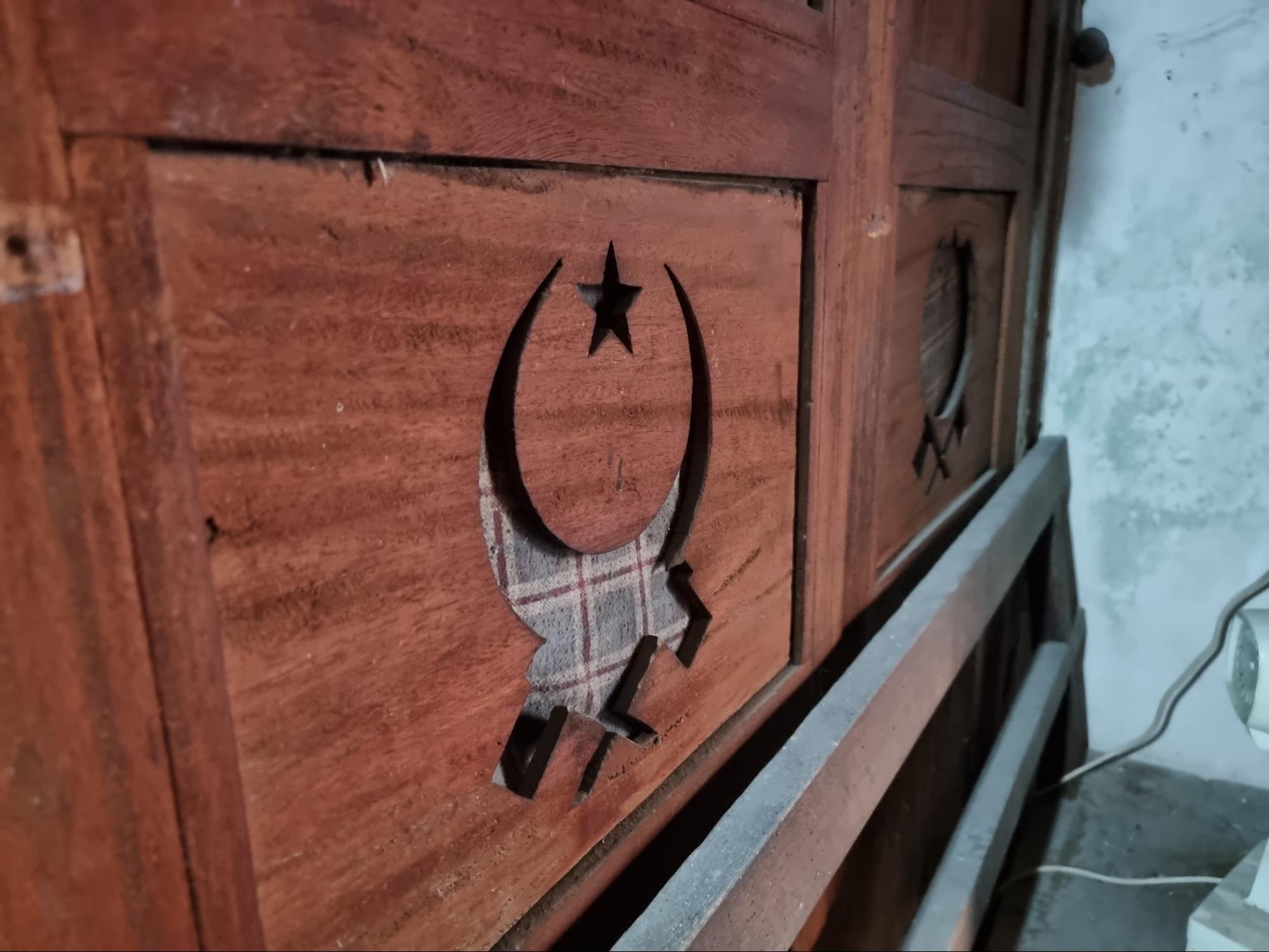
Every morning, Ali Mohamed walks from his sister's house back to the home where he was born 72 years ago. He no longer sleeps there – not since his mother died in 2008 – but he still spends his days sharpening knives, cutting firewood, and sitting beneath the wooden star his father carved into the wall above the bodu ashi.
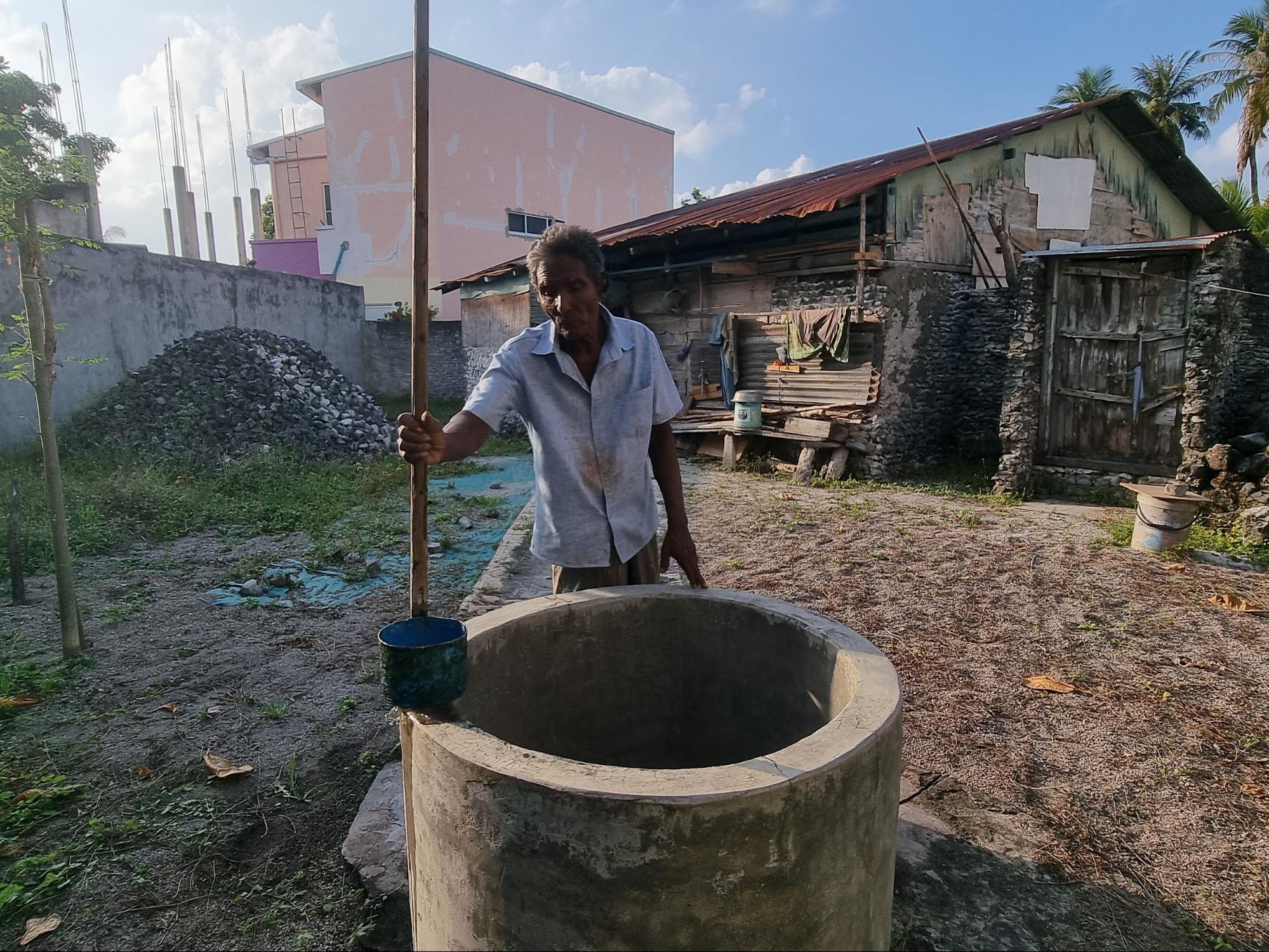
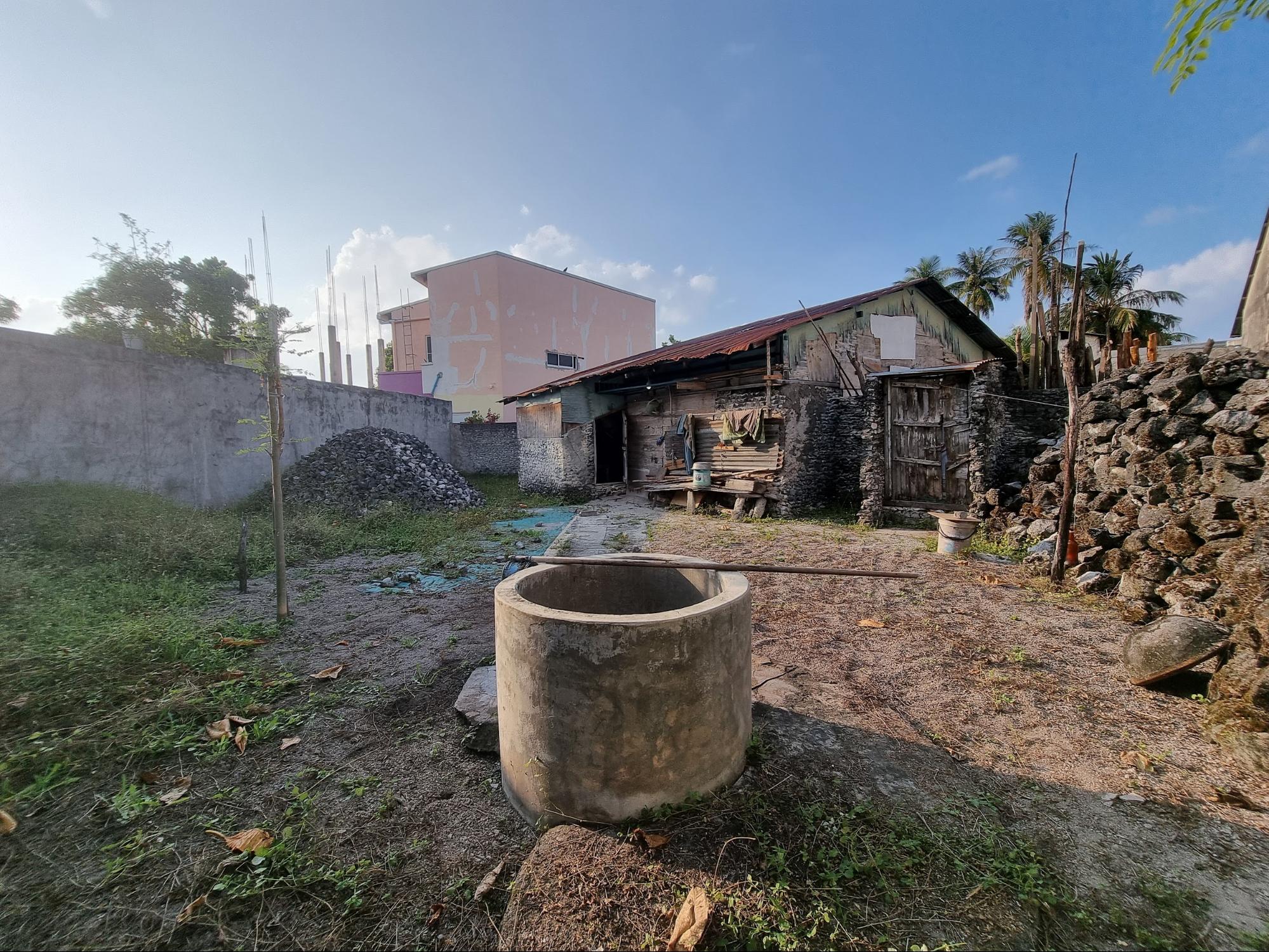
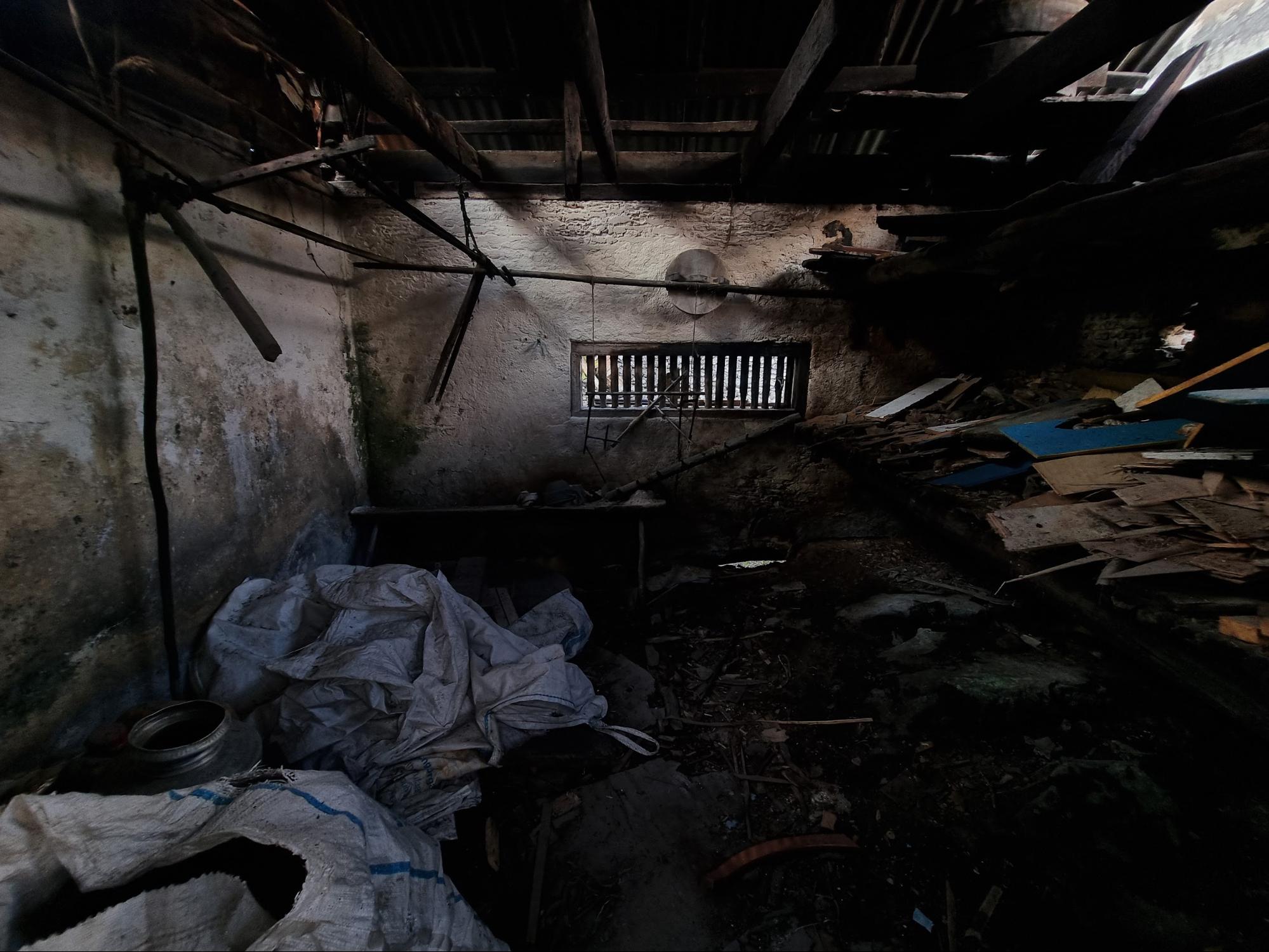
Alibe is the only person who uses the house now. He lived there alone for 17 years. He says he has not seen any major change except an upgrade from a thatch roof to tin roofing.
Alibe has four siblings, but all of them live separately. The old family home was divided among the siblings, some of whom built new homes on their plots next door. Alibe now eats his meals and sleeps at the home of one of his siblings, but he still spends most of the day at the old family home. He still does some wood work. He would like to spend the rest of his life there, he says.
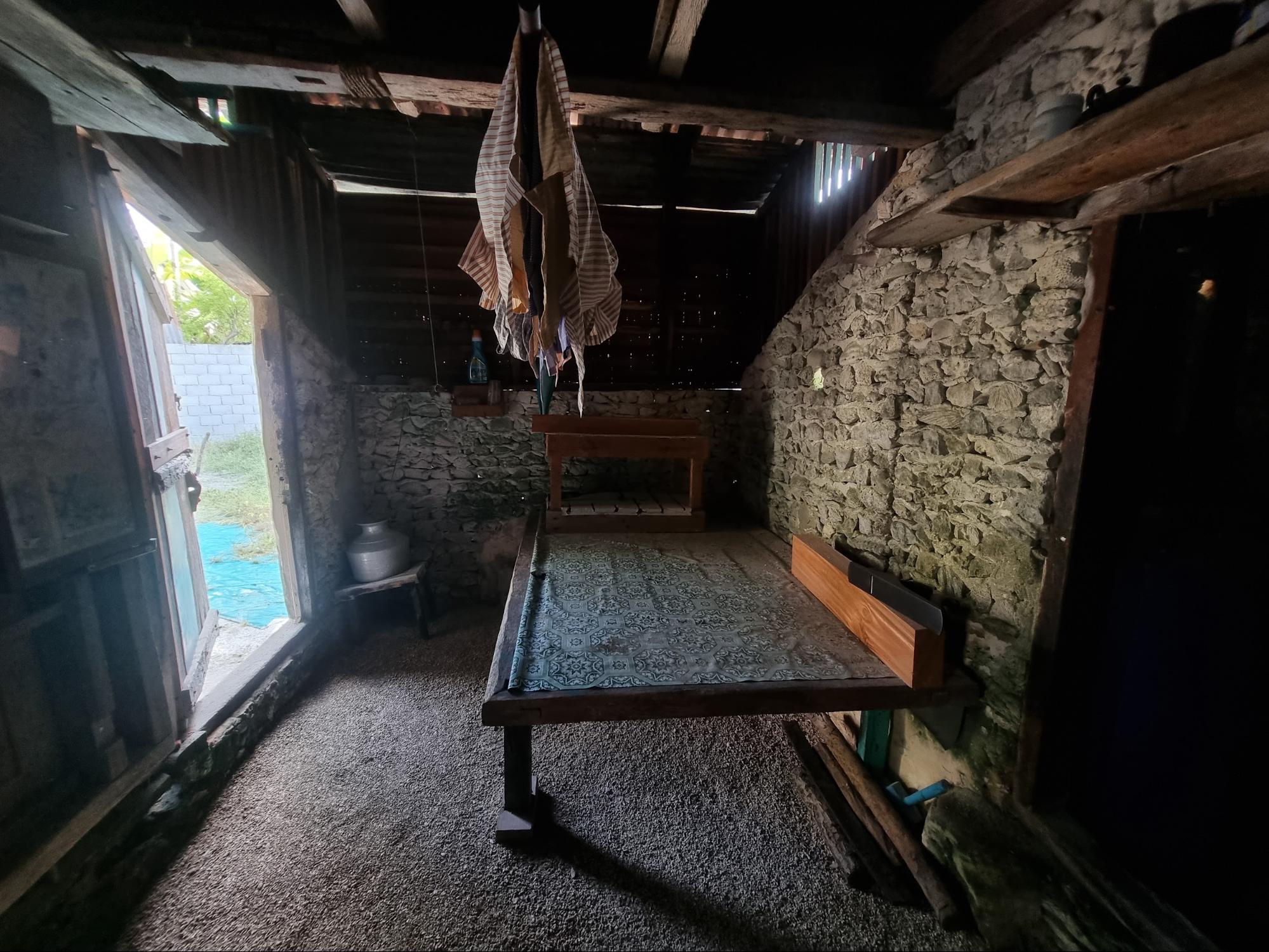
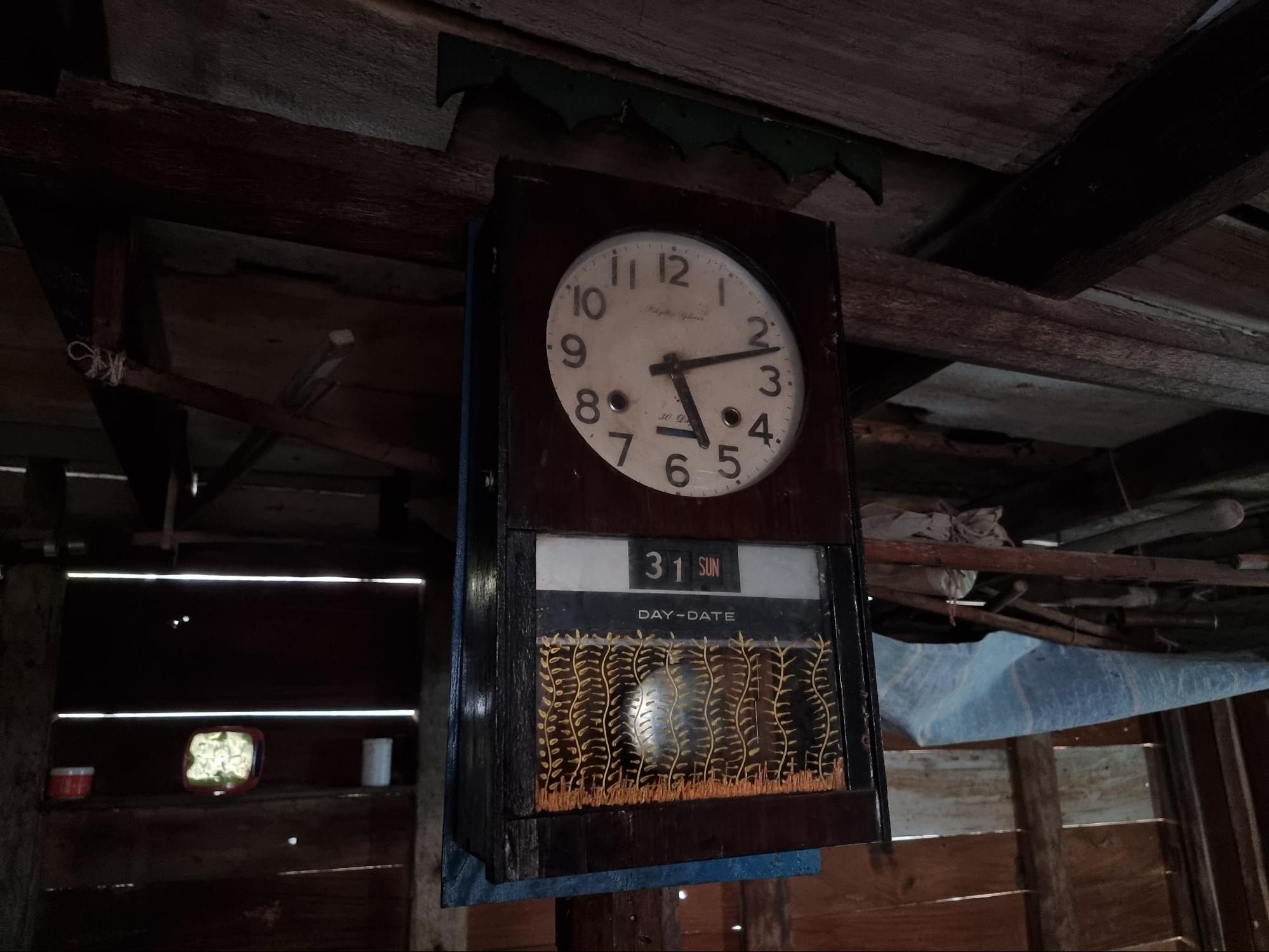
The house maintains the traditional layout of Maldivian ancient homes with a beyruge (sitting room) with a bodu ashi, a grand clock, chairs, and etherege (sleeping quarters) with multiple beds, an outdoor gifili (bathroom) and a separate badhige (kitchen).
Alibe walks us through the house, naming the members of the family who used to sleep on the uthuru endhu (north bed) or the dhekunu endhu (south bed) or in the inner sleeping quarters, describing how each bed would have mosquito nets hanging around them.
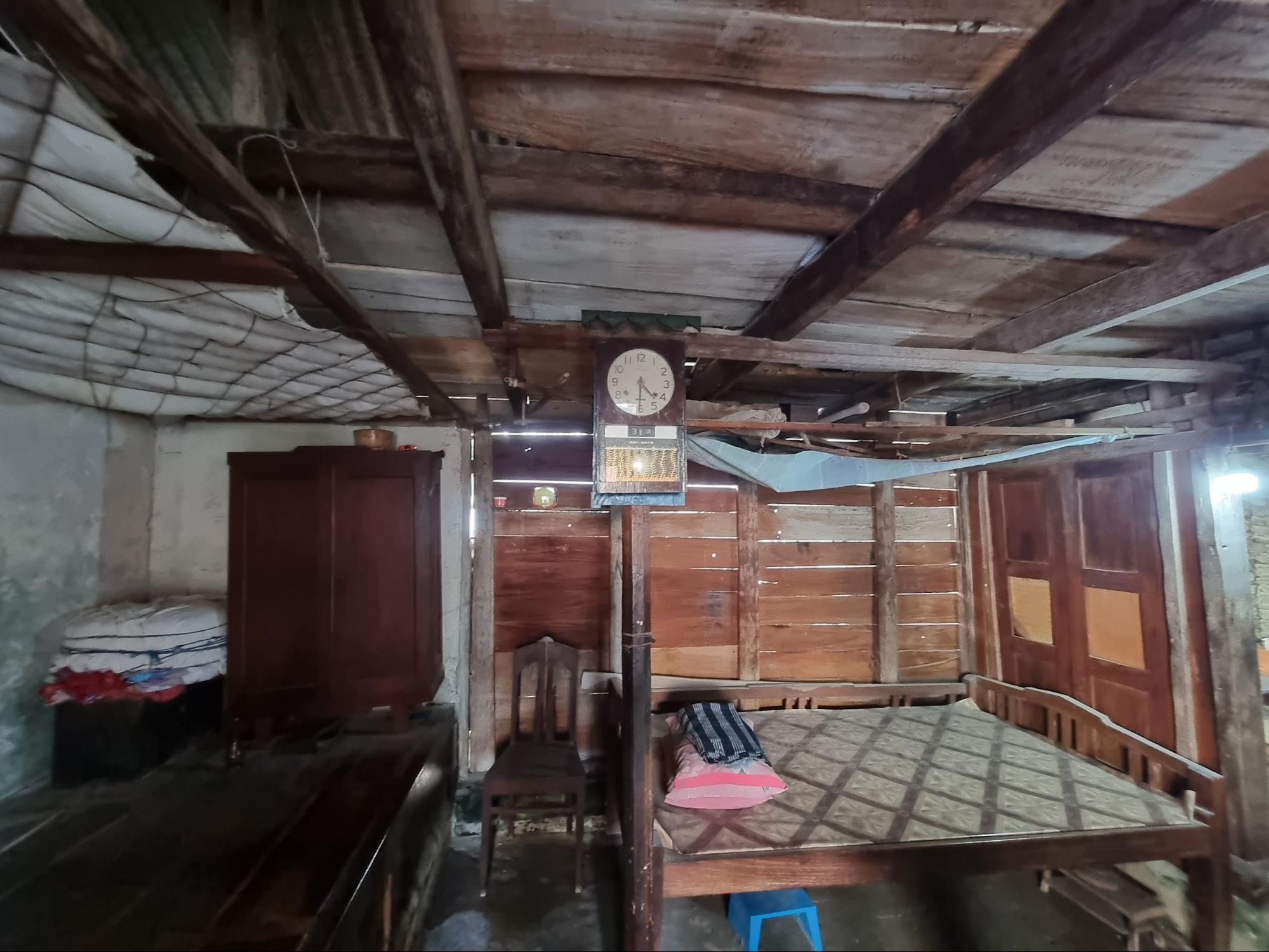
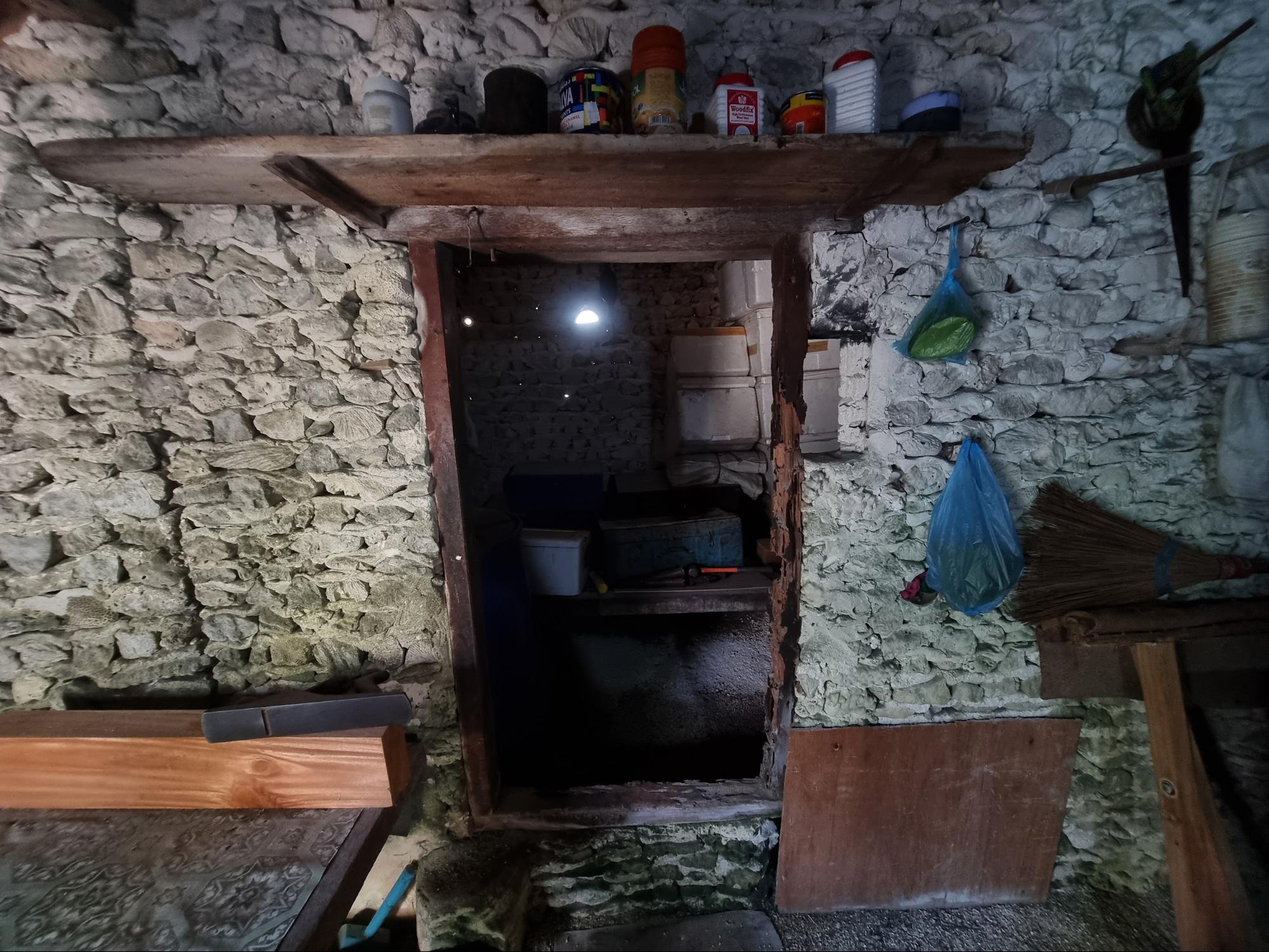
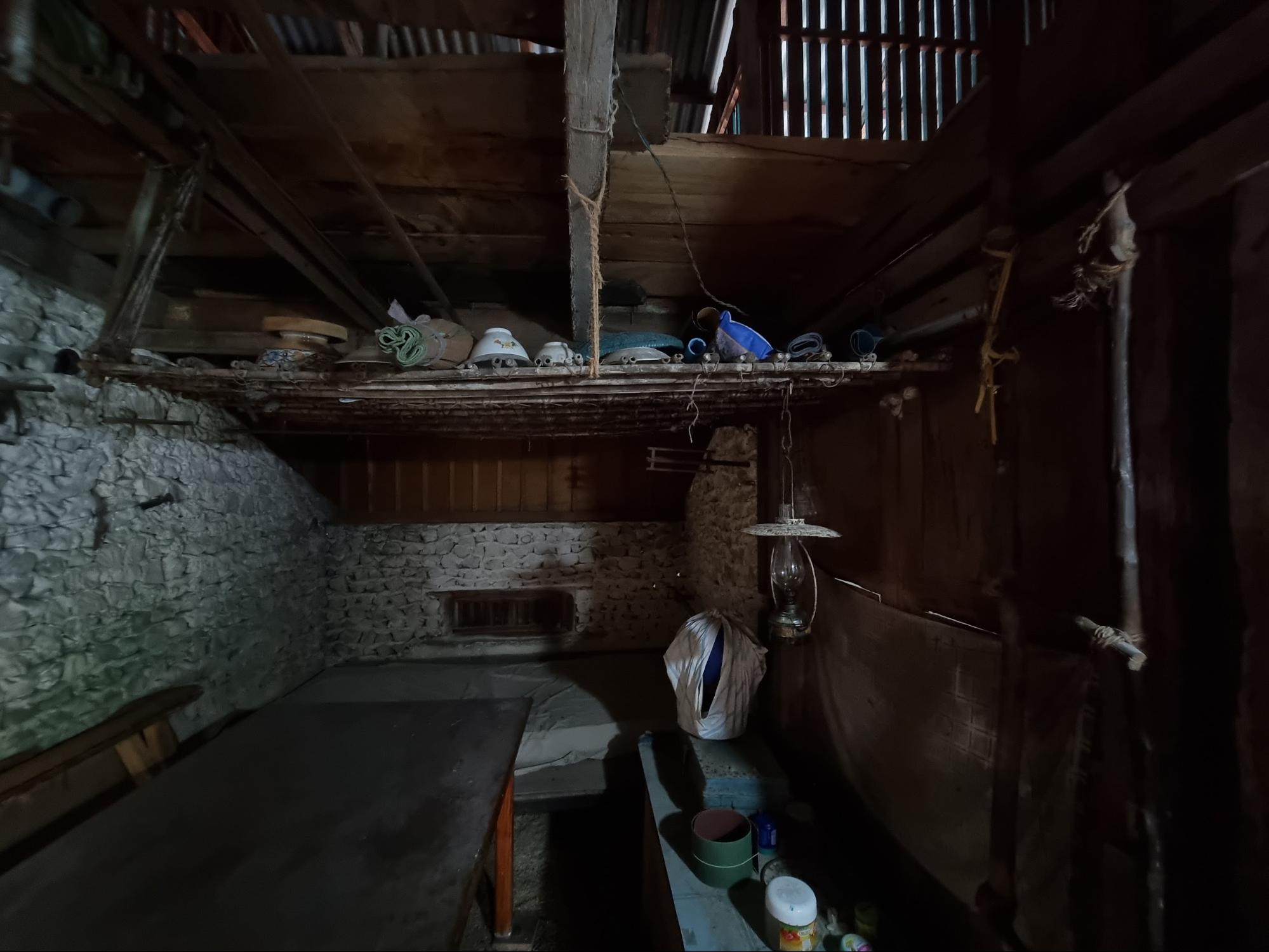
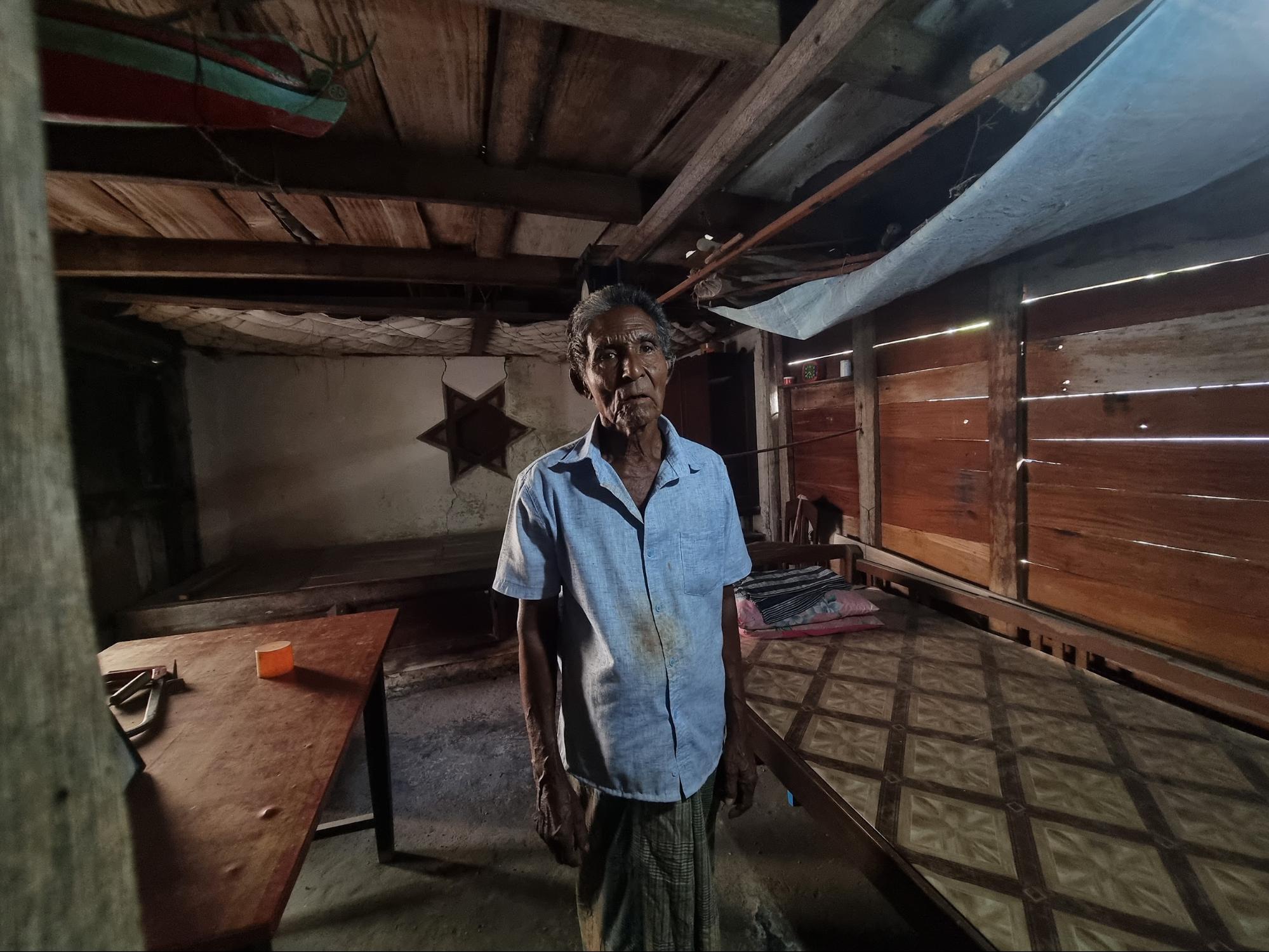
The house has now become famous for the wooden star on the wall over the bodu ashi. It was carved in there by his father, Alibe says. He presumes it was put there because of the house’s name. Alibe recalls that salavaaiy faathihaa kiyevun was common during his childhood.
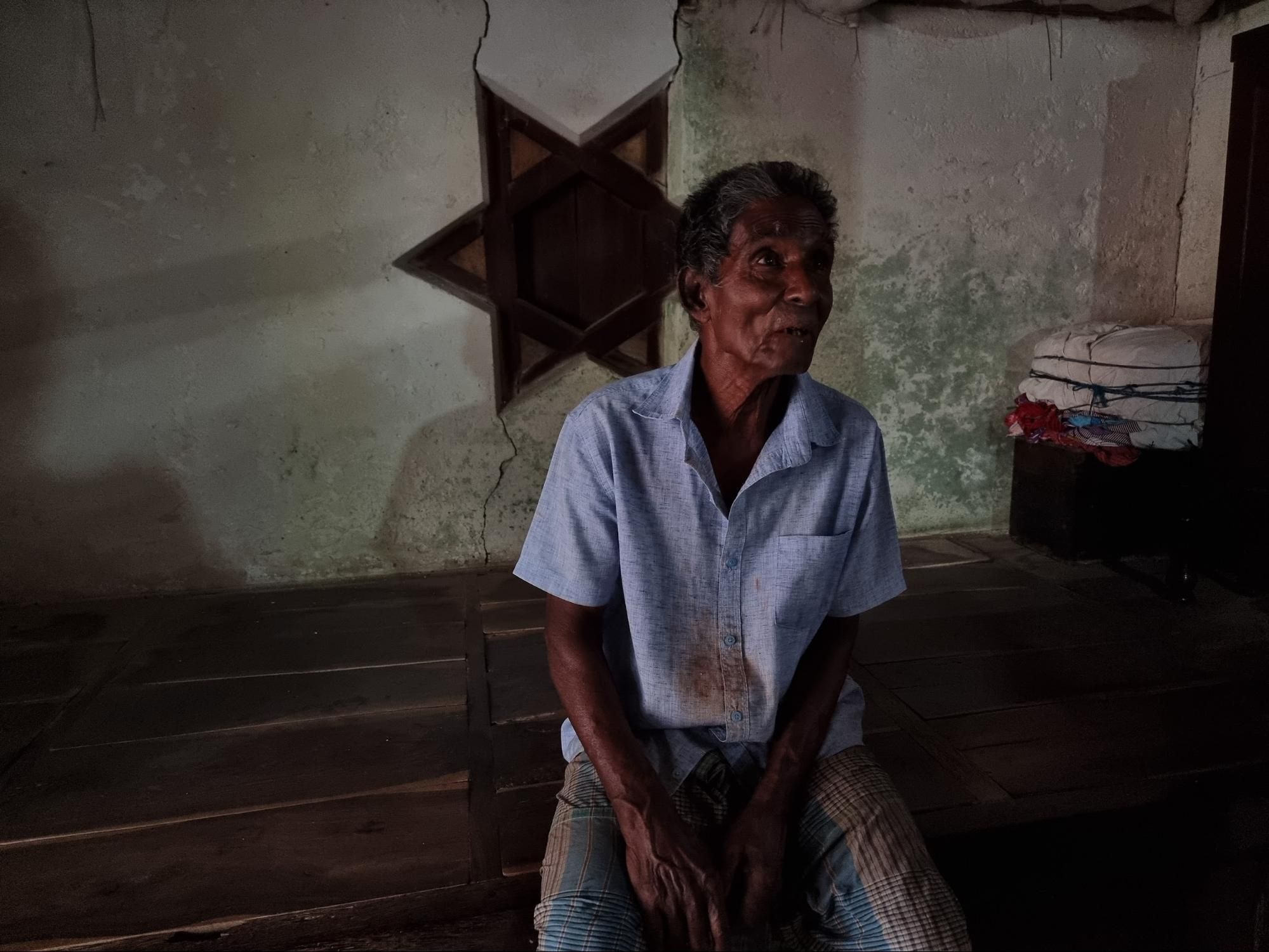
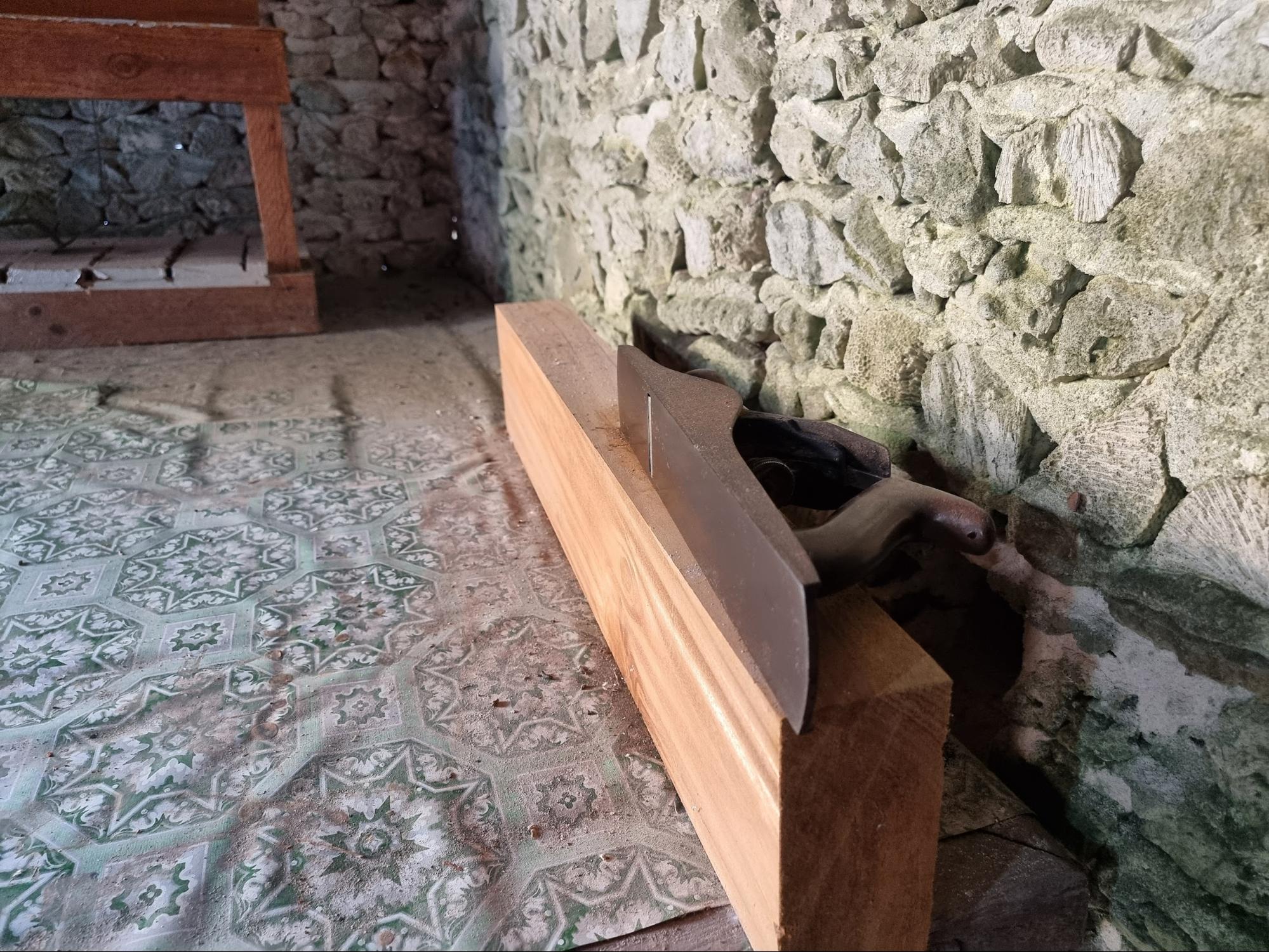
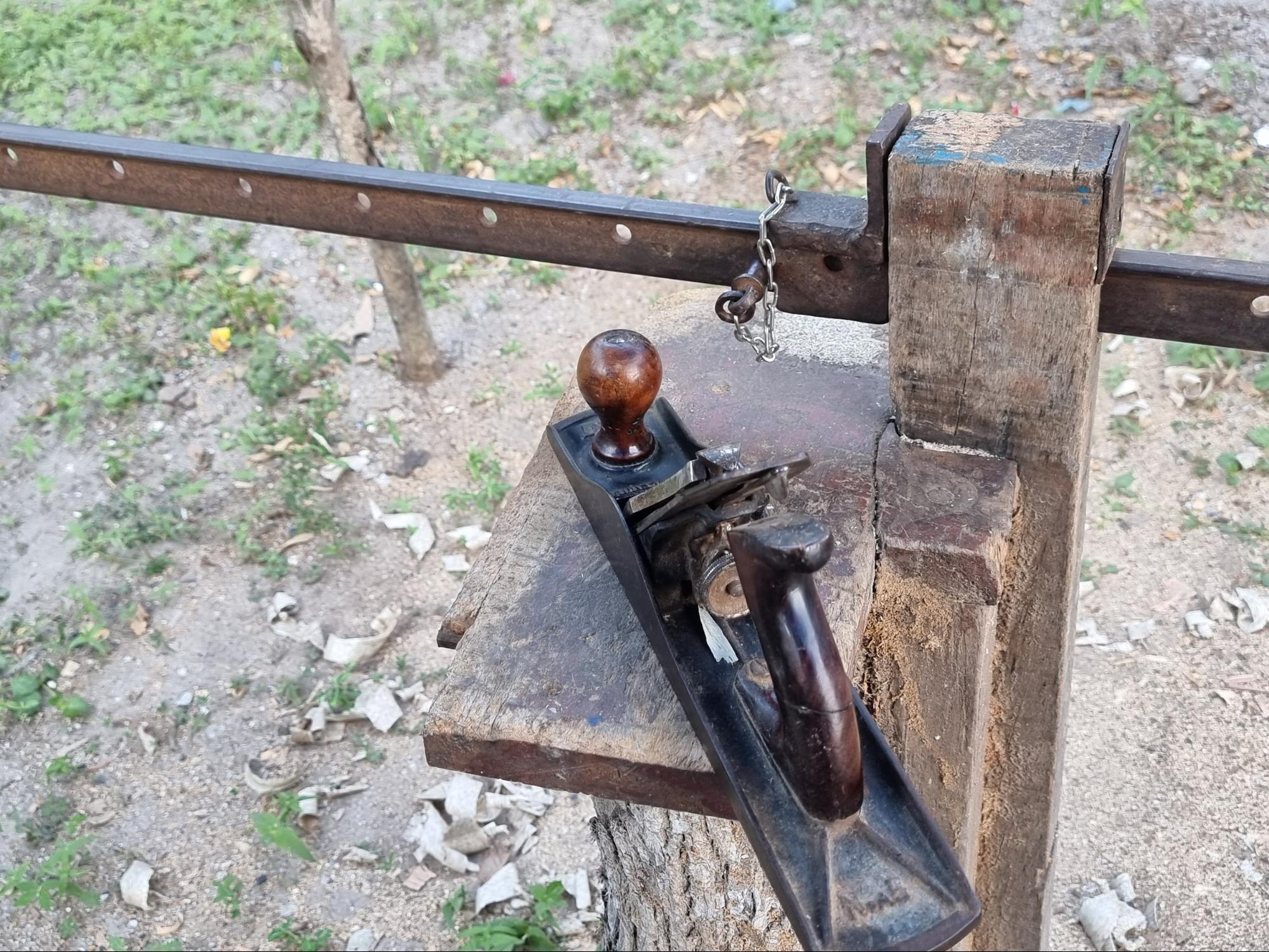
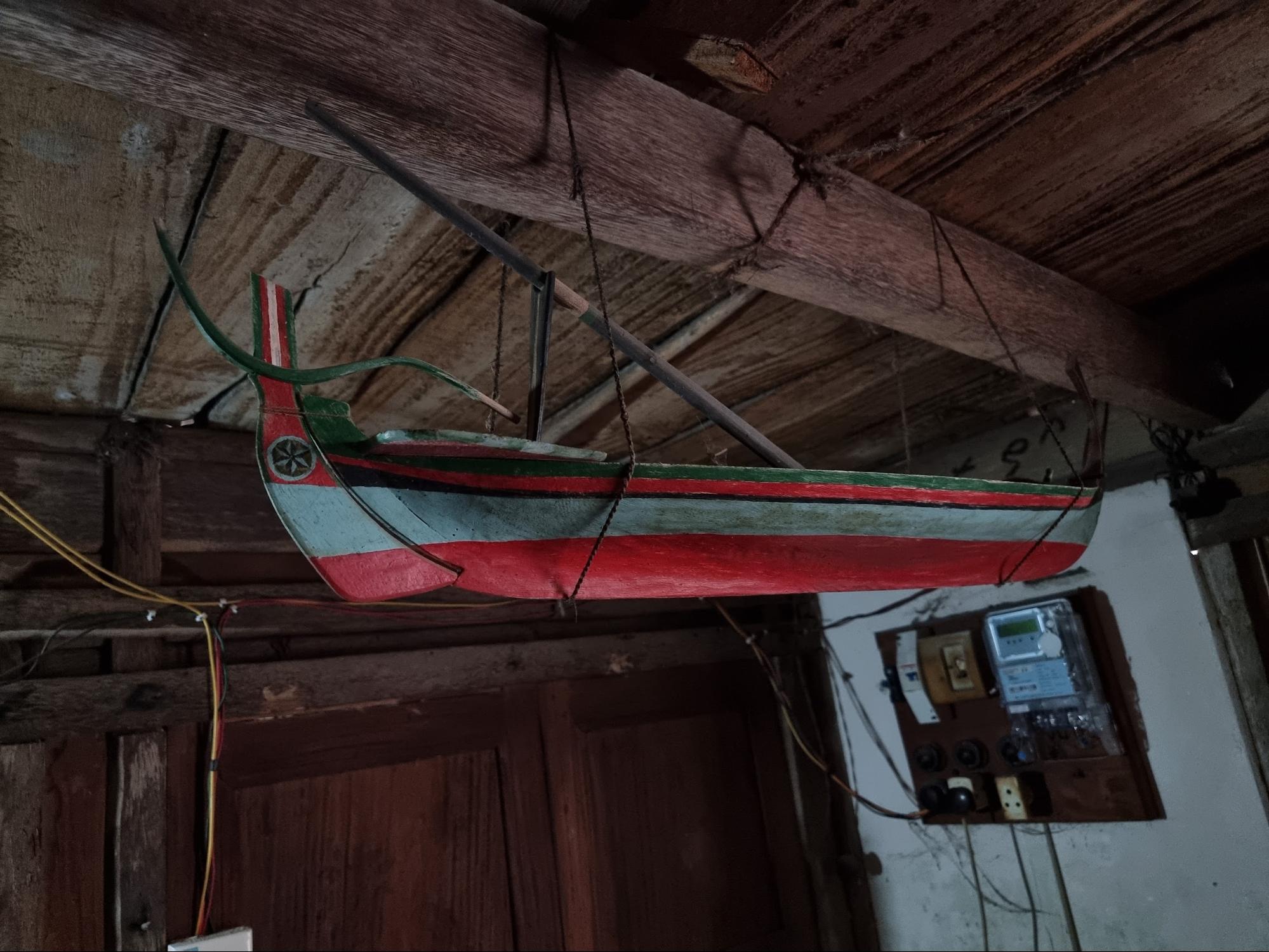
Alibe took after his father in carpentry and woodwork, working as a boat builder to build some of Kulhudhuffushi’s renowned cargo boats. The family's woodwork skill is evident from the various wooden chairs, drawers, and decorative designs in the ancient home.
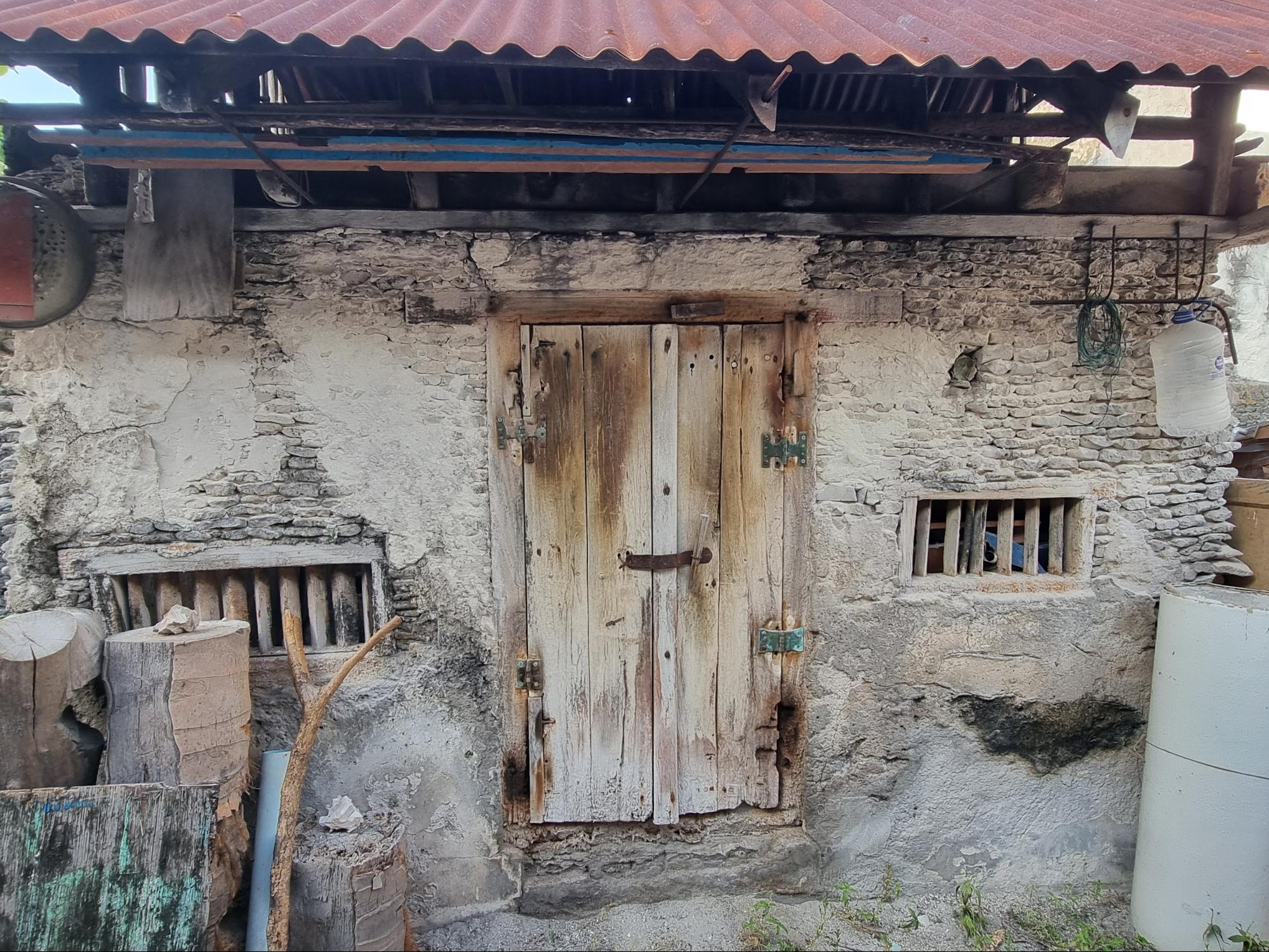
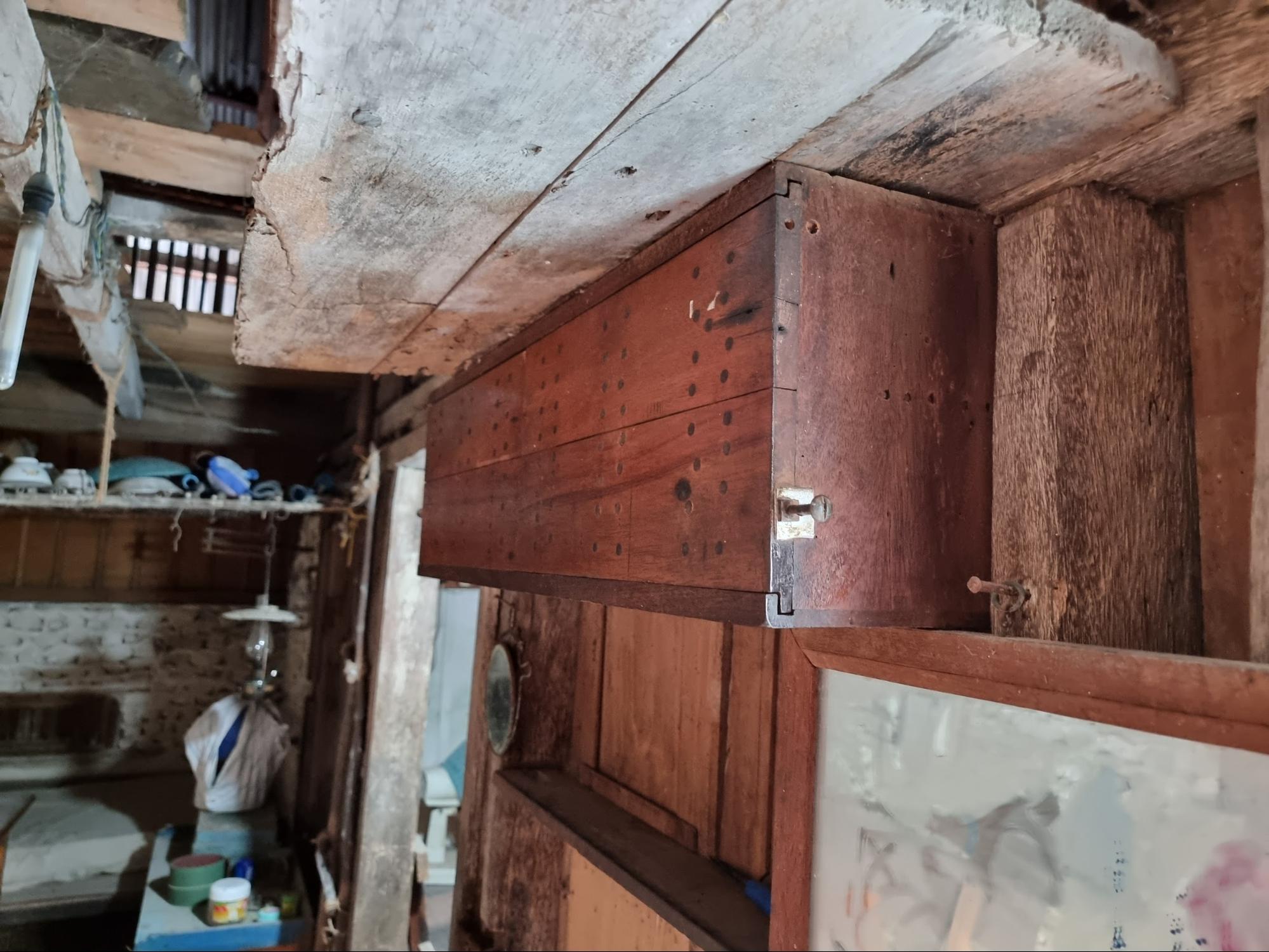
Earlier this month, the Kulhudhuffushi city council decided to preserve Tharijehige as a heritage site and a tourism attraction. During discussions to relocate some houses inwards (not facing any major roads), the city council decided to relocate Tharijehige and to offer land in exchange to its heirs near the Israhvehinge park under development near the reclaimed area. Unlike other homes being relocated during the council’s ongoing work, the century-old Tharijehige is to be preserved and protected for posterity.
Discussion
No comments yet. Be the first to share your thoughts!
No comments yet. Be the first to join the conversation!
Join the Conversation
Sign in to share your thoughts under an alias and take part in the discussion. Independent journalism thrives on open, respectful debate — your voice matters.
Support Independent Journalism
Help us keep the news free and fearless
Give once
$
or
Become a memberfrom $5/month