
The one percent took US$ 17.54 billion in 15 years. Here's the math.
Siyaasee-igthisaadhu kathilun: a financial accounting of the ruling class.
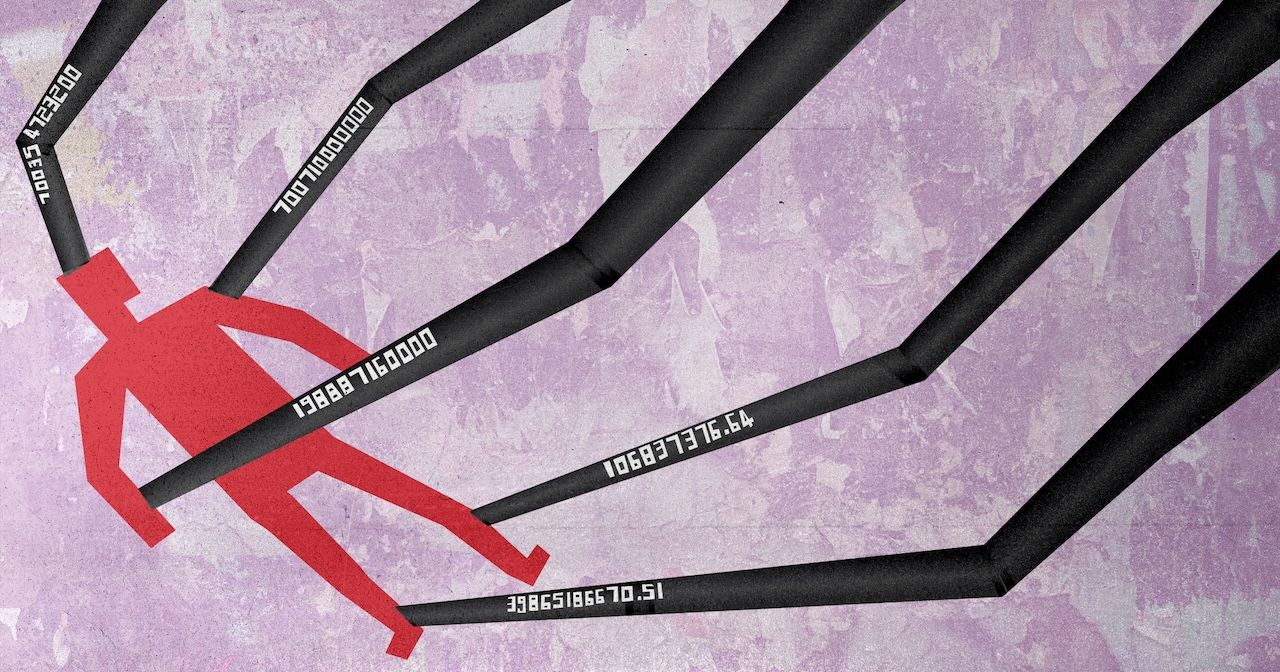
Artwork: Dosain
US$ 5.85 billion (MVR 90.21 billion) every presidential term
US$ 1.17 billion (MVR 18.04 billion) every year
US$ 97.46 million (MVR 1.502 billion) every month
US$ 3.20 million (MVR 49.34 million) every day
US$ 133,136 (MVR 2.051 million) every hour
US$ 2,218.93 (MVR 34,215.9) every minute
US$ 36.98 (MVR 570.23) every second
The resources we have as a nation, including land and lagoons, and their value
What draws in wealth, from where, and how much
Whose hands a and b are concentrated into and what they’re doing with it
How much is publicly known about a, b, and c, and whether it’s legitimate
The opportunity costs: what’s being sacrificed
Waste vector one: free hand-outs to politicians
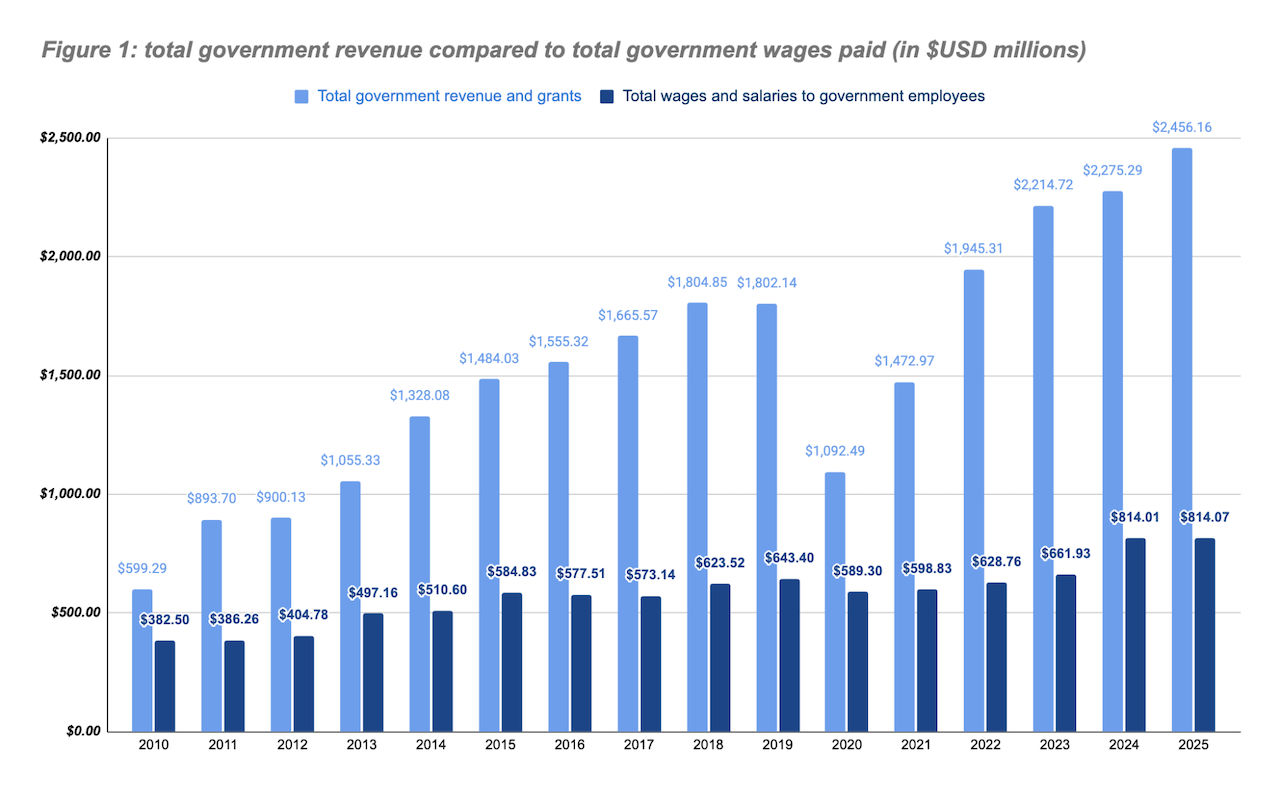
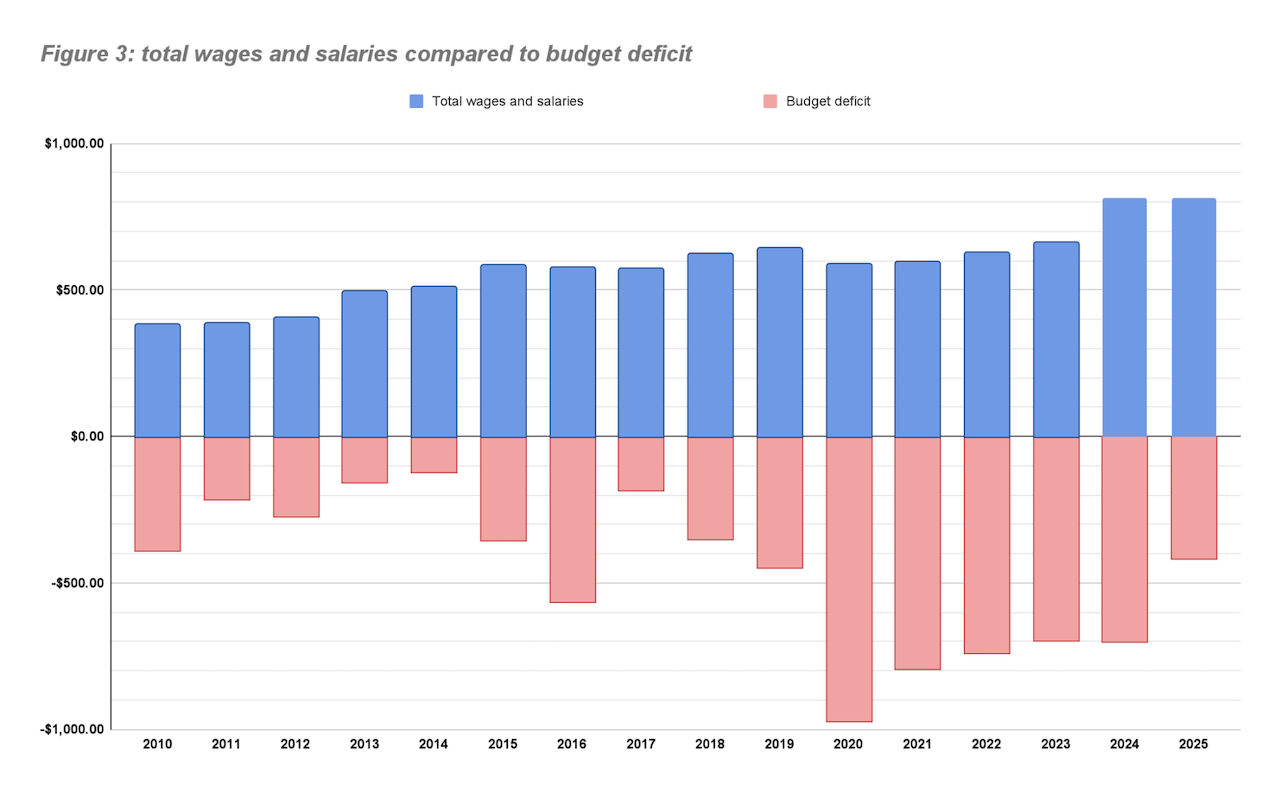
Around a third of the government budget and two fifths of government revenue on average was spent on the wage bill, though this is normal for Small Island Developing States (SIDS)
Compared to other SIDS, however, Maldives’ wage bill had grown faster than the economy, and was higher than most other upper-middle income and SIDS countries
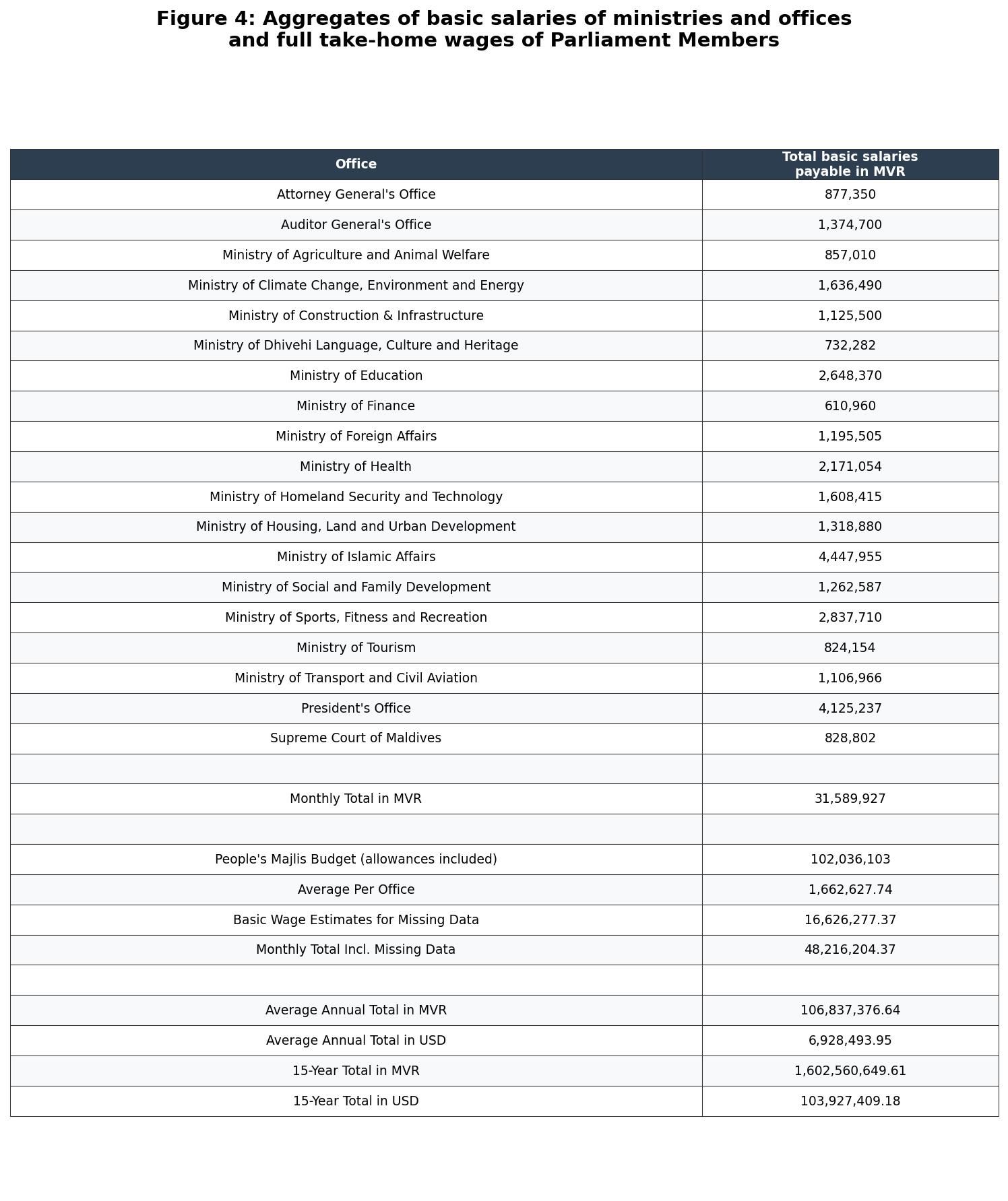
While public sector employees made 40 percent more than private sector employees on an average and allowances made nearly half of the total take-home pay, these allowances were unevenly distributed even across the same job roles and were doubled for police/military personnel and politicians. Despite this, they only work 30 hours a week, far lower than international standards.
About 15.68 percent of the staff received a total compensation much higher than the remaining workers who receive an average allowance of MVR 8,479 in the MVR 0-10,000 basic salary bracket
Waste vector two: tourism industry elites and their lion’s share of profits
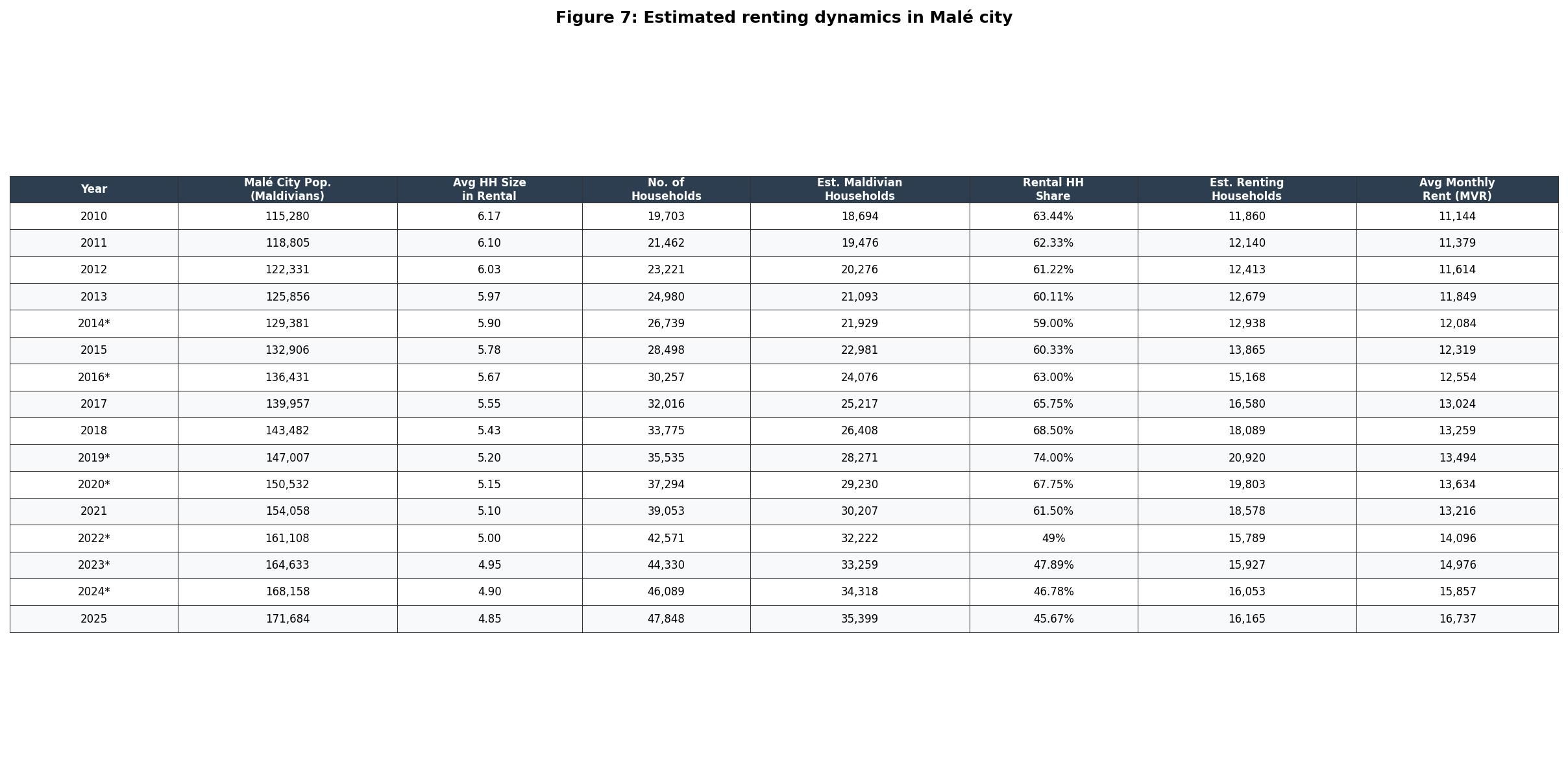
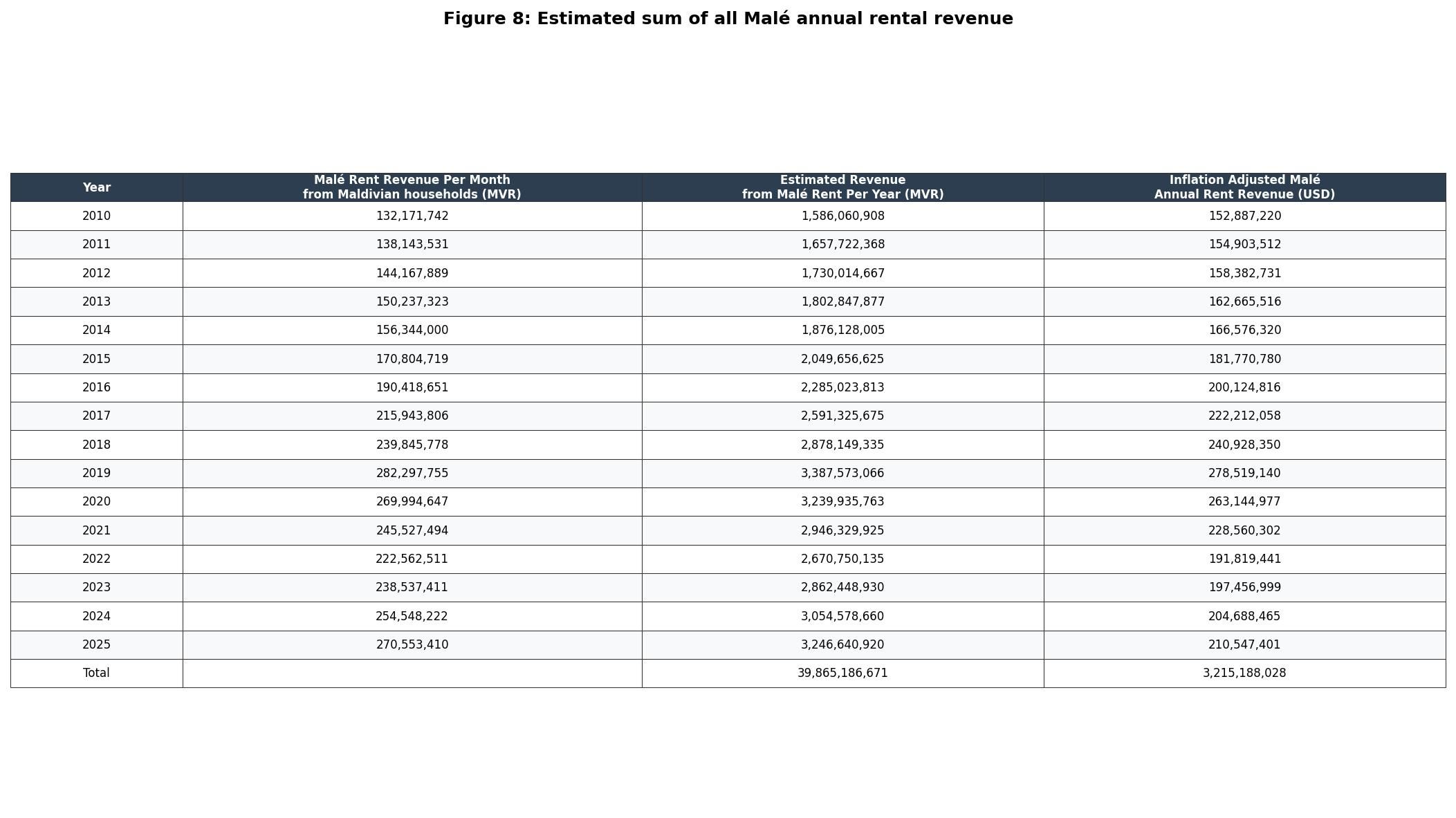
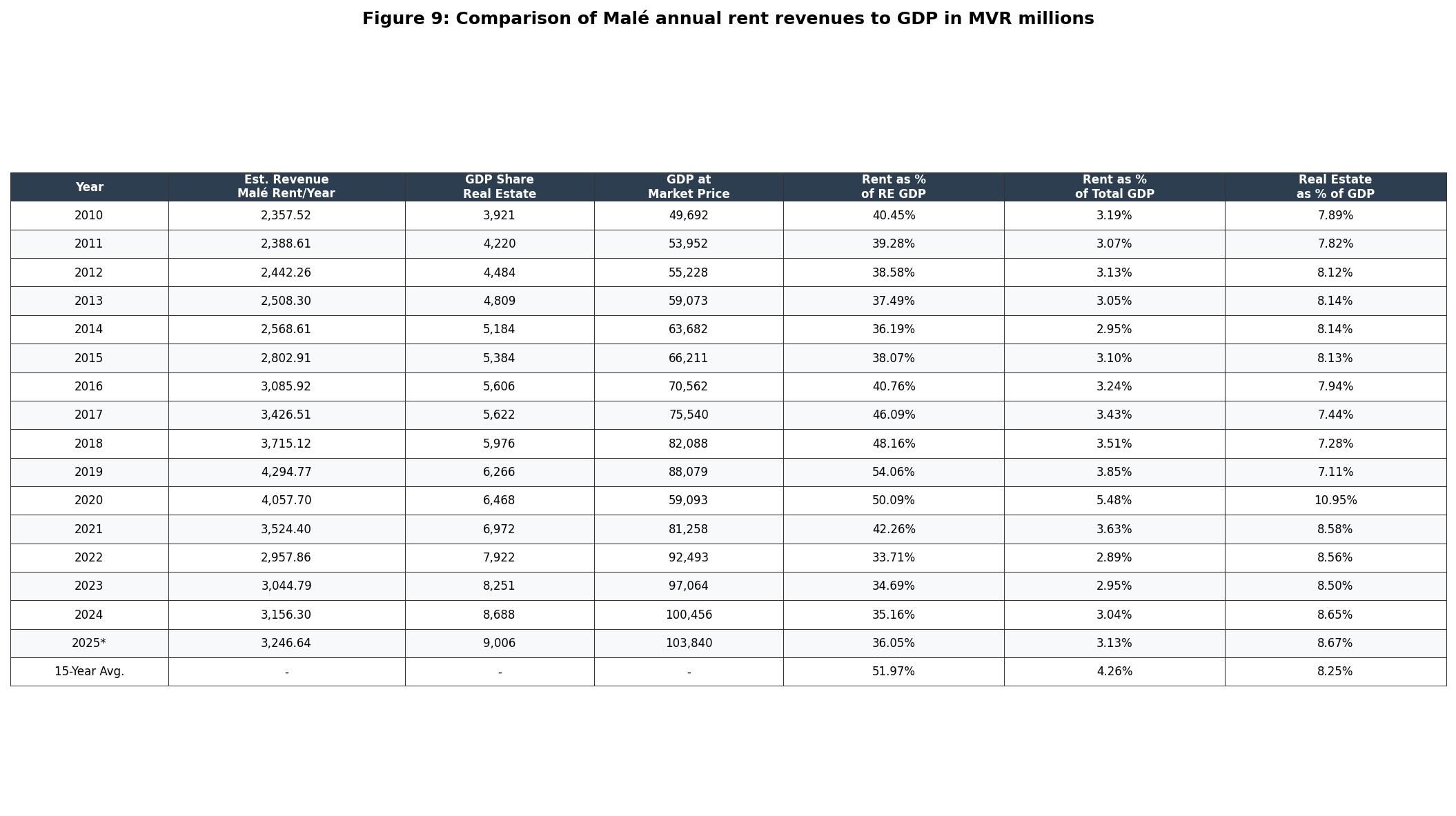
Waste vector three: the landlord aristocracy
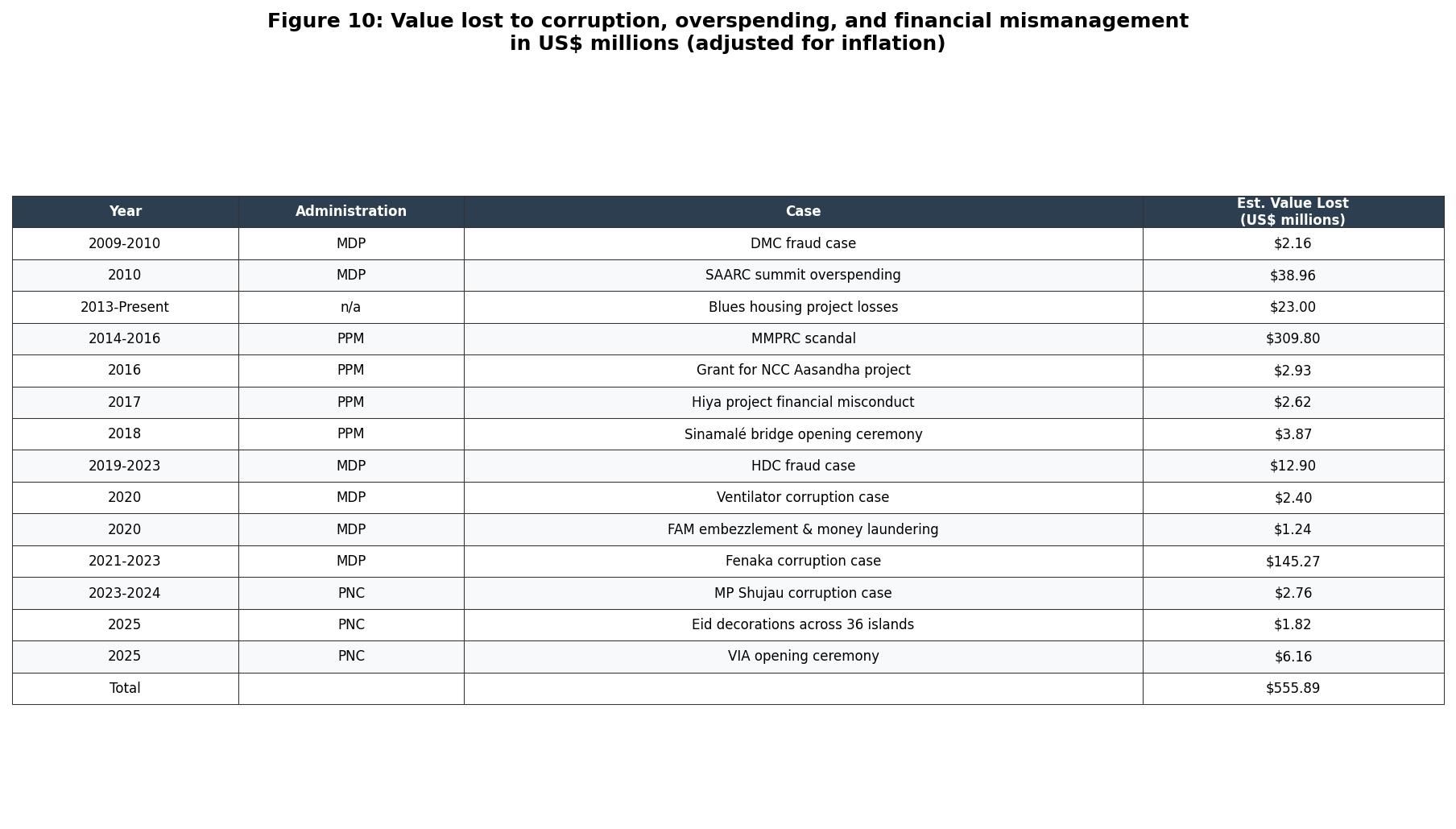
Waste vector four: raw, naked corruption and financial mismanagement
Waste vector five: destroying the environment for land they won’t develop
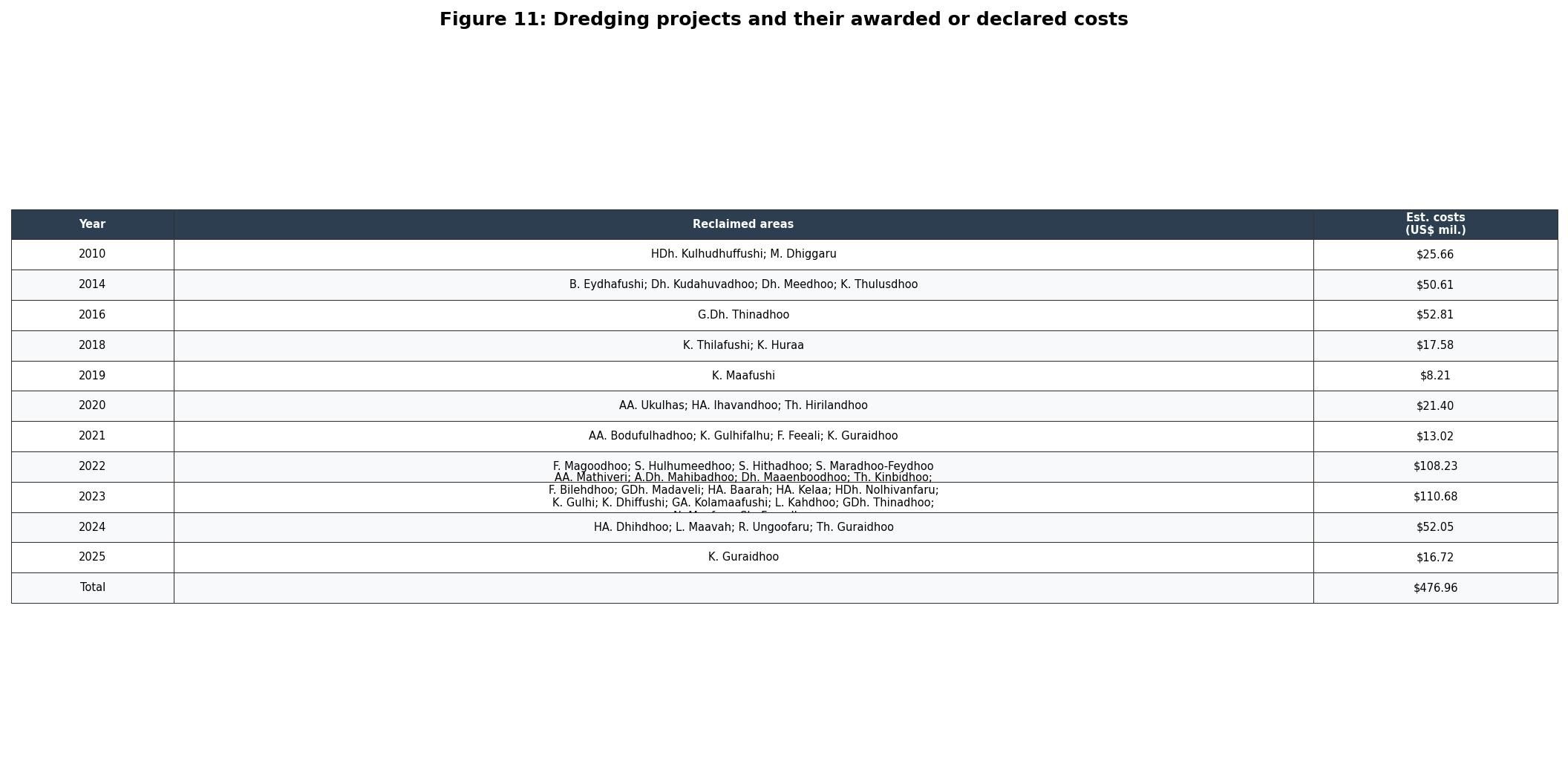
Most of these reclaimed lands from over a decade ago still remain unused and undeveloped. They simply can’t afford to.
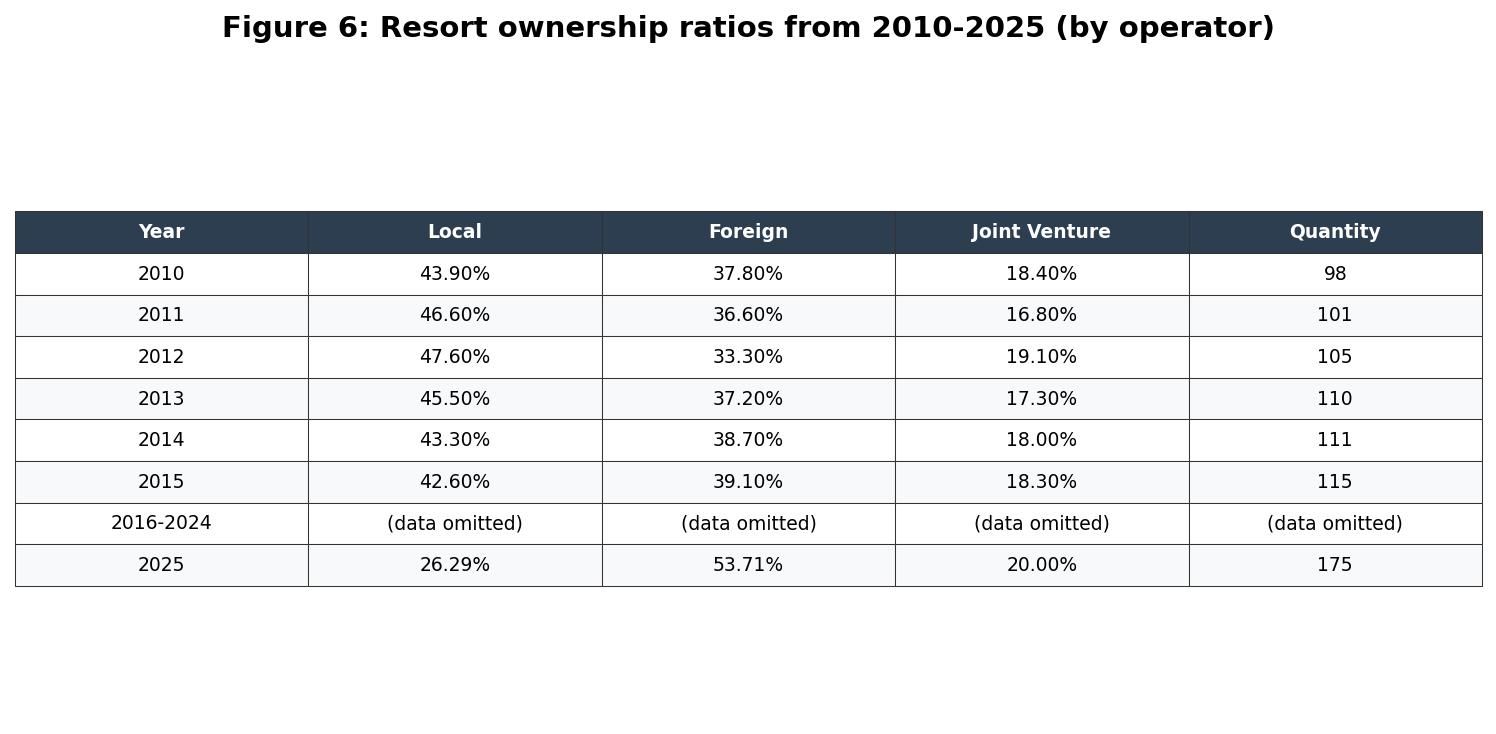
Our housing “crisis” is artificial. Much of our entire islands are given away to resorts that don’t even share most of their excess earnings with the public, and the reason why people are facing issues with housing in the first place is because they have to move to the capital to access basic resources and facilities.
Comparisons: what are we sacrificing?
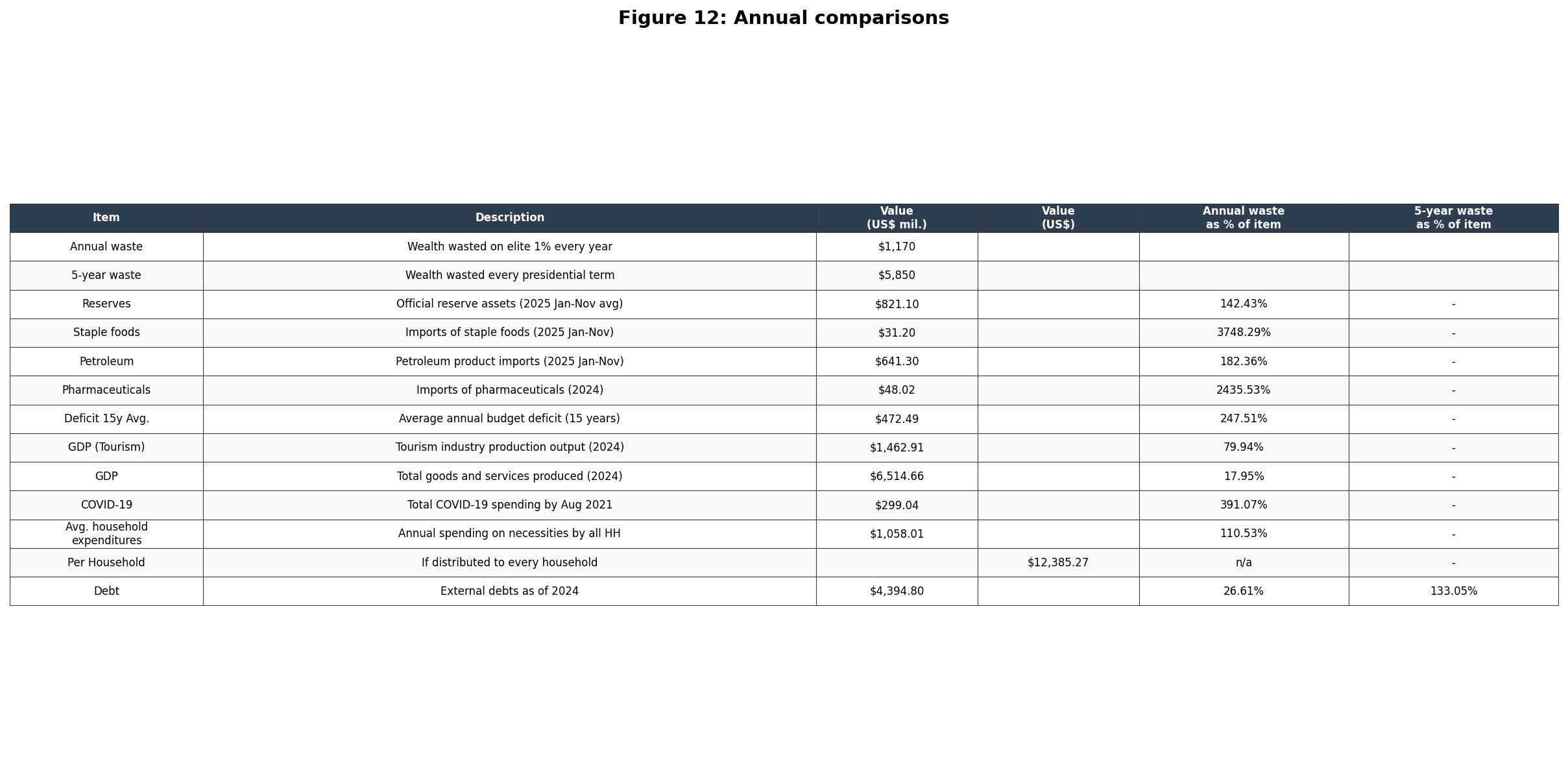
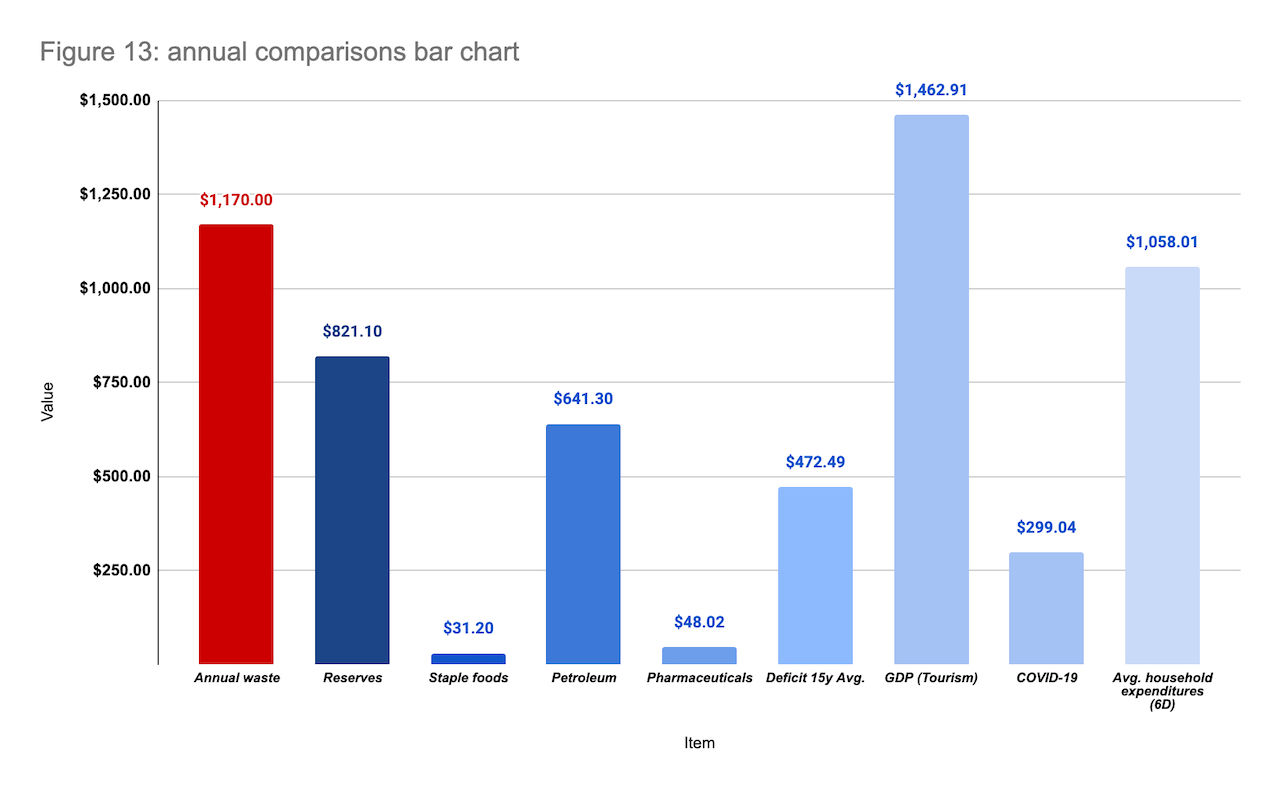
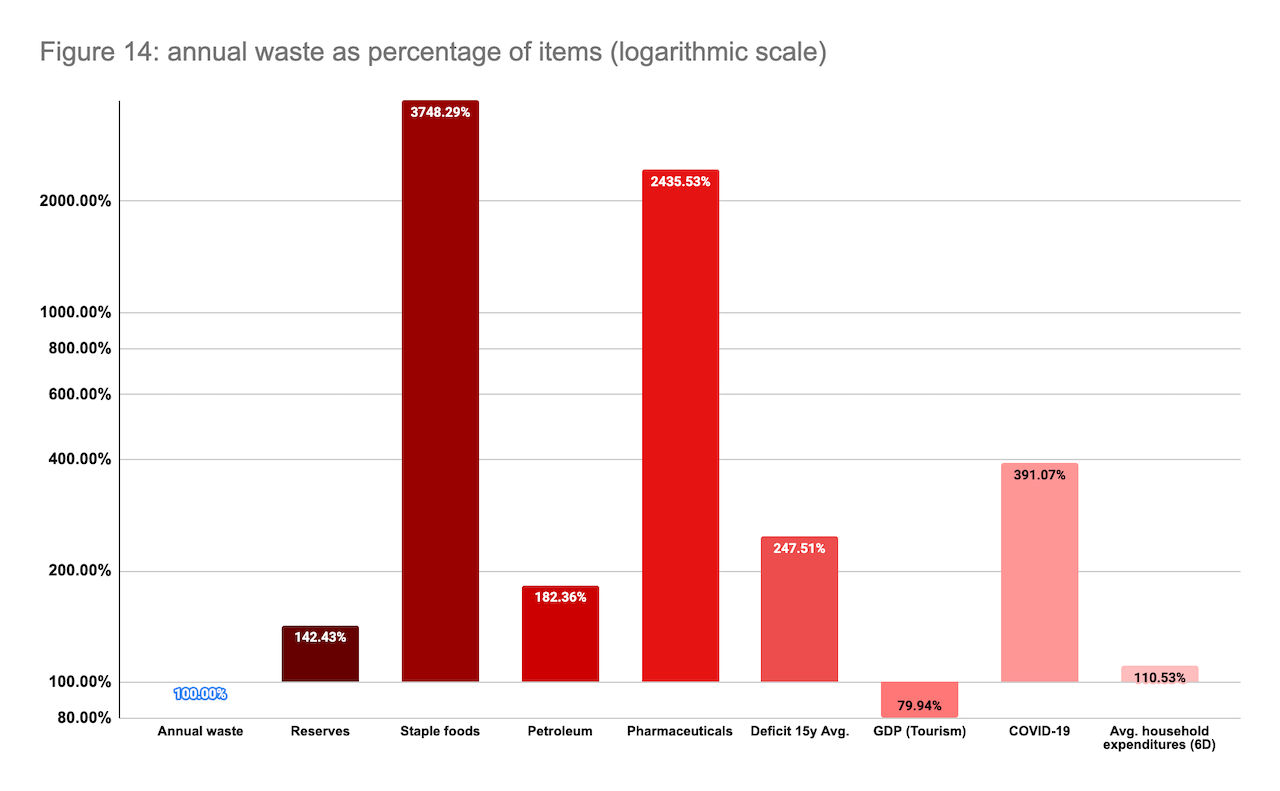
All our foreign reserves (2025 average) and 42.43 percent more
More than 37 times the amount we spend on staple food imports
Almost double the amount we spend on all petroleum imports
More than 24 times the amount we spend on all our pharmaceutical imports (including insulin, vaccines, blood, antibiotics, etc.)
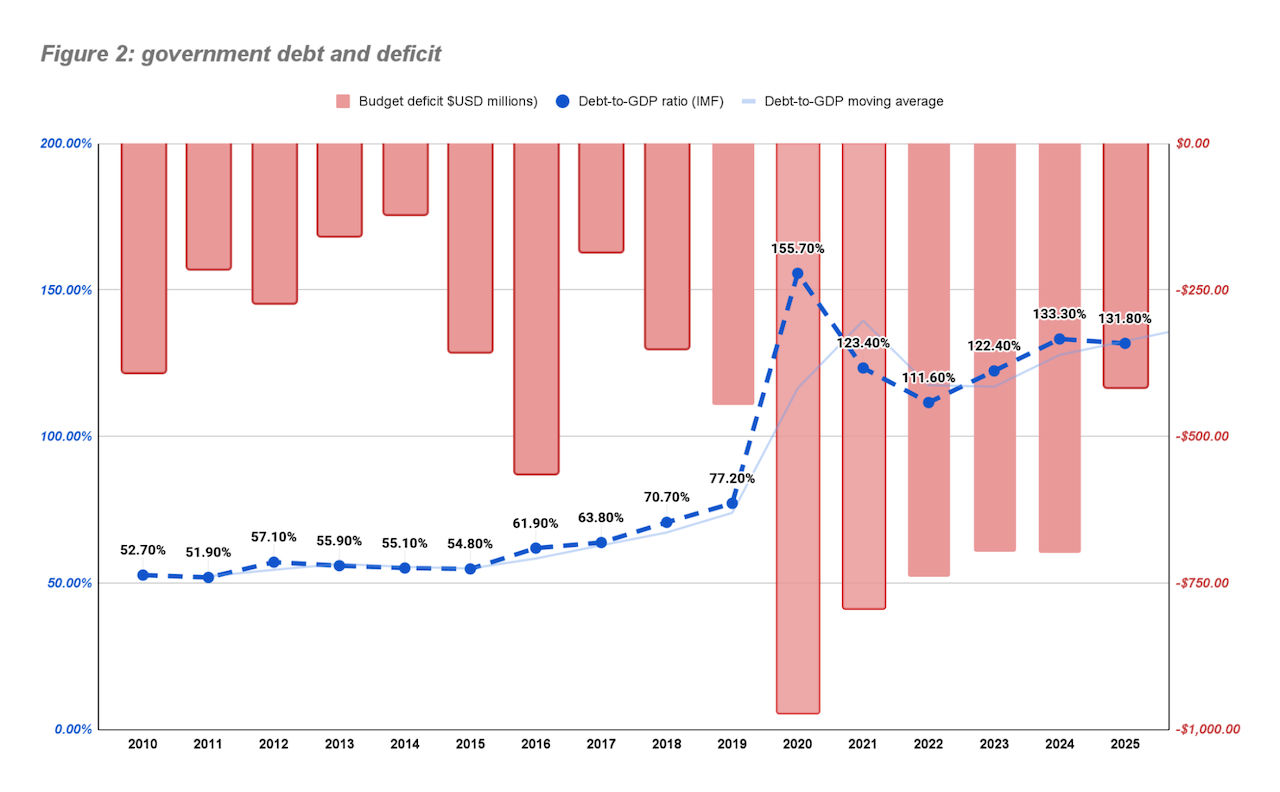
More than double our annual budget deficit average sum
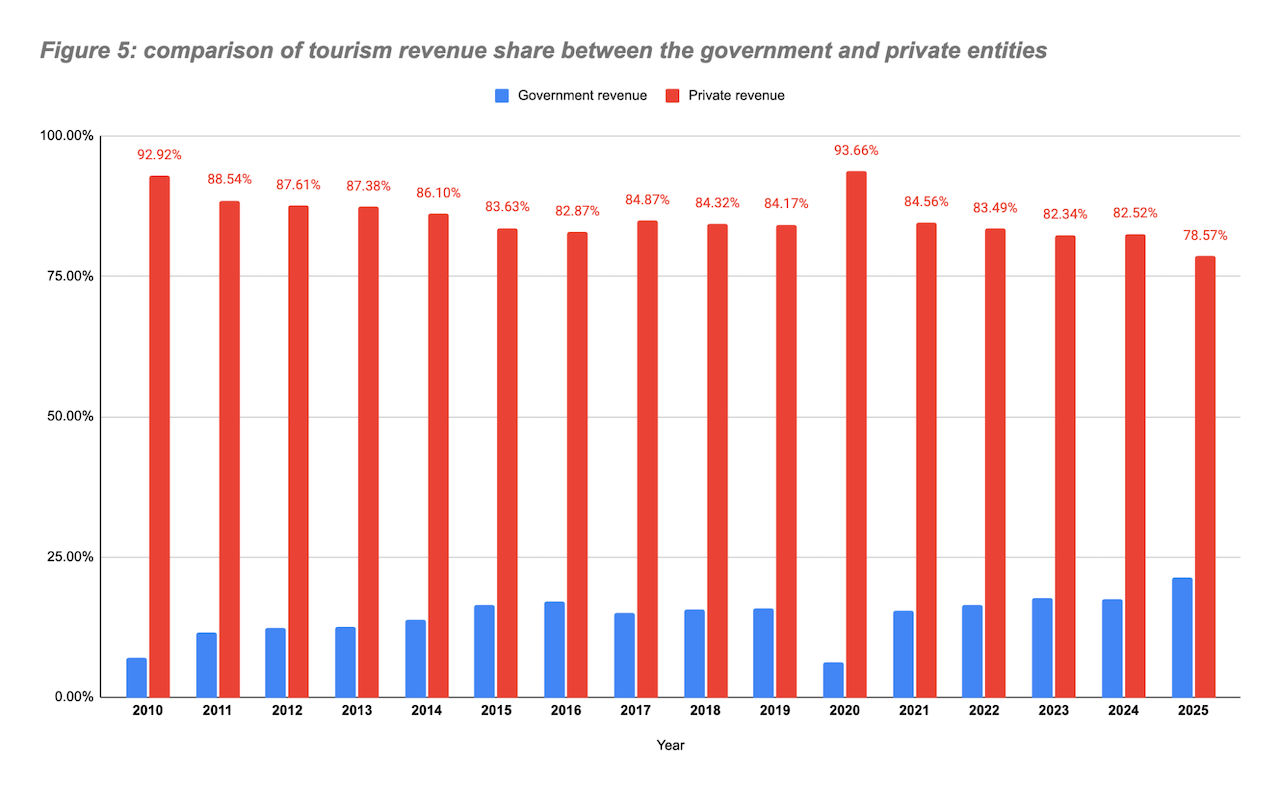
Almost 80 percent of the entire production output of our tourism industry
Almost four times the amount of money we’ve spent on Covid-19 by 2021, which was also poorly managed
The entirety of all annual household expenditures for necessities like water, food, beverages, electricity, transportation, internet, and communications for every single household.
Discussion
No comments yet. Be the first to share your thoughts!
No comments yet. Be the first to join the conversation!
Join the Conversation
Sign in to share your thoughts under an alias and take part in the discussion. Independent journalism thrives on open, respectful debate — your voice matters.
Support Independent Journalism
Help us keep the news free and fearless
Give once