
From Naruto to maali neshun: The rise of cosplay in the Maldives
Creative community overcomes cultural barriers.

Artwork: Dosain
23 Aug 2025, 18:15
In 2023, I attended my first major cosplay event in the Maldives, not as a participant, but as a judge. Two years later, I returned to the same role. Both times, I found myself deeply moved by what I witnessed.
It wasn't only the costumes or the makeup that left an impression. It was the way the cosplayers carried themselves, their confidence on stage, the precision in their performances, and the way they embodied their chosen characters despite the boundaries of our society and religion. In those moments, I was reminded that the act of dressing as someone else for a day is not entirely foreign to us. In fact, it has long existed within our own traditions, and perhaps cosplay is simply a modern continuation of that instinct.
Cosplay, from the Japanese kosupure (コスプレ) for costume play, involves dressing as fictional characters. While the term was coined in 1984, the practice has roots in 1930s fan conventions and gained global popularity in the 2000s.
2014: a local beginning
Like many cultural imports, cosplay found its way into the Maldives during the mid-2000s through the growing popularity of anime, manga, and gaming. The country’s first major cosplay event, Shinzou Con, was held in 2014.
The event was the brainchild of makeup artist, stylist, and cosplayer Hussain Anees, known as Justin, along with classmates from Maldives National University's Japanese language course. It was intended as a celebration of Japanese culture, but it also became a historic moment for the local cosplayers community.

“I was always into cosplaying as a child, even though it wasn’t called cosplay then," Justin recalls. "Growing up, I wanted to be the characters from the games I played. But I never had the opportunity until we decided to host a cosplay competition here in the Maldives.”
The event also introduced Ahmed Wisham Musthafa to the stage. “It was an embarrassing first time,” he admits. “But since then, it’s been eleven years, and I’ve never missed an opportunity to cosplay.”
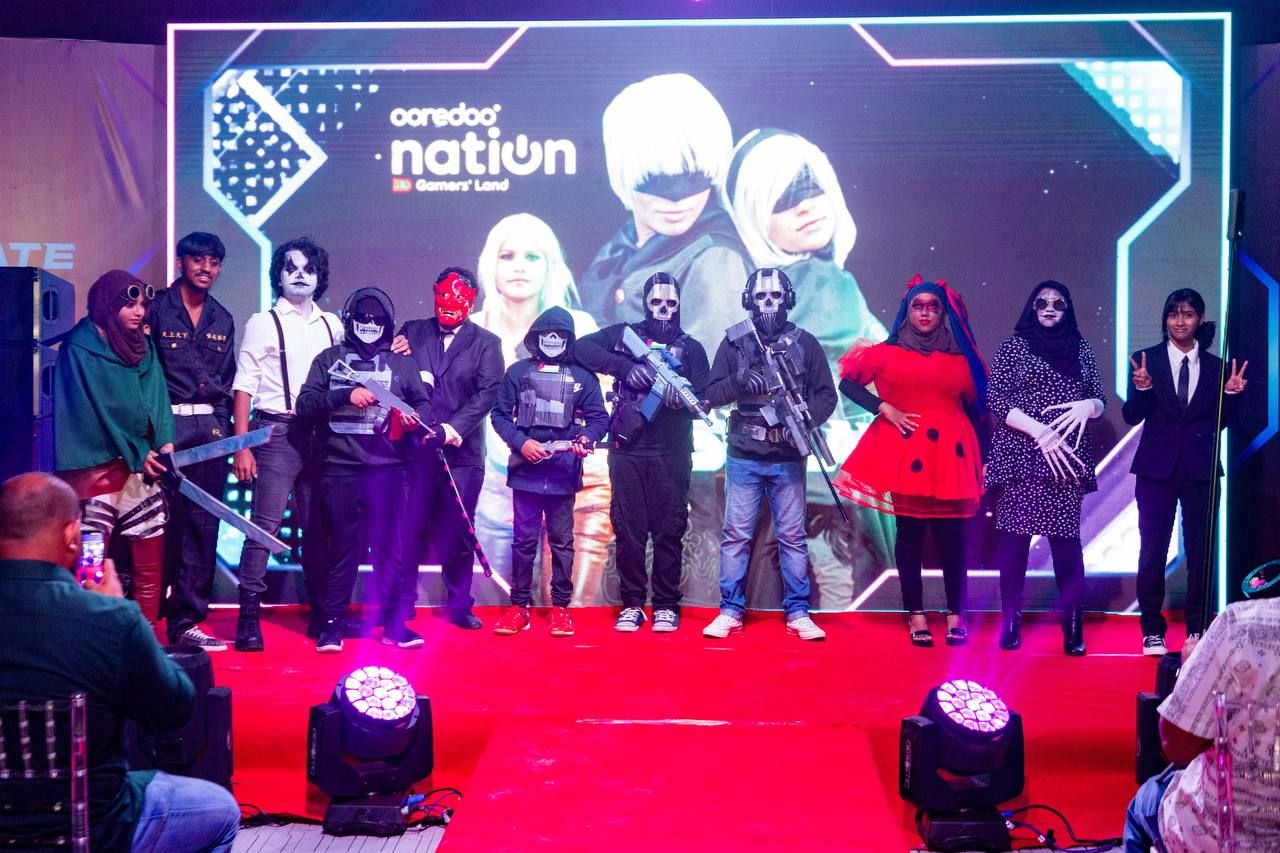
After a long hiatus, cosplay returned to the spotlight in 2023 when Ooredoo hosted the "Ooredoo Nation Gamer’s Land" festival, where the local gaming community and cosplayers shared centre stage. Events like these have provided the community with much-needed encouragement and visibility.

Familiar ground
While cosplay might appear to be a modern Japanese-inspired art form, the act of dressing up in character is deeply rooted in Maldivian tradition. Our "maali neshun" parade during Eid al-Adha festivities is essentially a form of traditional cosplay.


In this custom, participants, mostly men, transform into ghosts, demons, or legendary figures from local folklore. They paint their bodies black, wear skirts made of coconut palm leaves, and don masks before dancing through the streets to the beat of boduberu.
The tradition is believed to have roots in West Africa’s Zangbeto practice, with similar customs found in countries such as Mali, Togo, and Senegal. Over time, Bodu Maali has evolved to include not only folklore but also satire and political commentary. This year, for example, the Eid parade in Kulhudhuffushi featured costumes lampooning failed government policies, a reminder that Maldivians have long used costuming as a tool for both entertainment and expression.

Dressing up is universal. From Halloween and Mardi Gras to masquerade balls, these events mark shifts in season, commemorate spiritual milestones, or provide spaces for celebration. For some modern Maldivian cosplayers, these cultural experiences shaped their passion.
"On Eid-Al-Adha holidays, my family and I would dress up for the 'Maali Neshun' parade. That love for dressing up naturally led me to cosplay," recalls Penny, a veteran along with Justin and Wisham.
The cosplay scene in the Maldives is now over a decade old. While smaller than in many other countries, it has developed its own unique character, shaped by cultural norms, limited resources, and a tight-knit creative community.


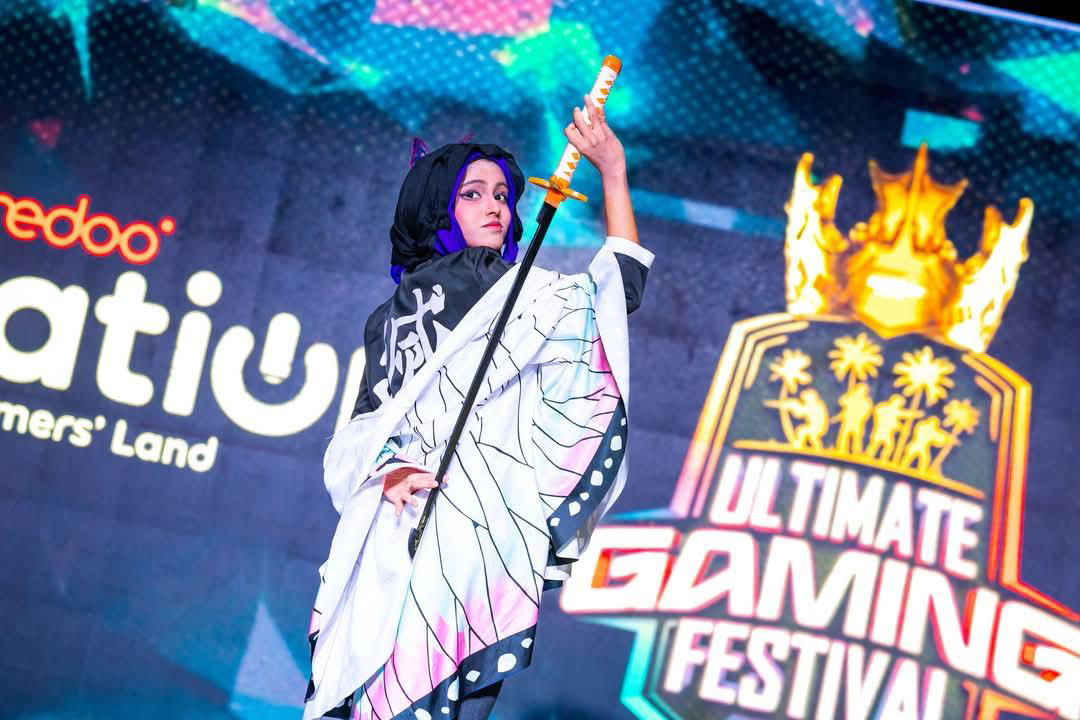
One of the newer voices is 20-year-old Aishath Khumaisaa, who began cosplaying in 2022. Encouraged by her mother, she debuted as Yunjin from Genshin Impact, adding a stage performance to her presentation.
“I always thought cosplays had to be extremely creative and unique, and I didn’t think I could do it. But once I started, I wanted to keep improving every year," she says.
Creative compromise
In the Maldives, cosplay often requires modifications to fit societal expectations. Revealing costumes are redesigned for modesty, wigs can be substituted with hijabs styled to match a character’s hair, and extra layers of fabric are added where needed.
Khumaisaa, who wears the hijab, explains: “I make my own wigs using a hijab cap and wool so my head and neck stay covered. If a costume doesn’t cover enough, I use bodysuits or extra fabric. The point is to make cosplay accessible for everyone, regardless of age or comfort level.”
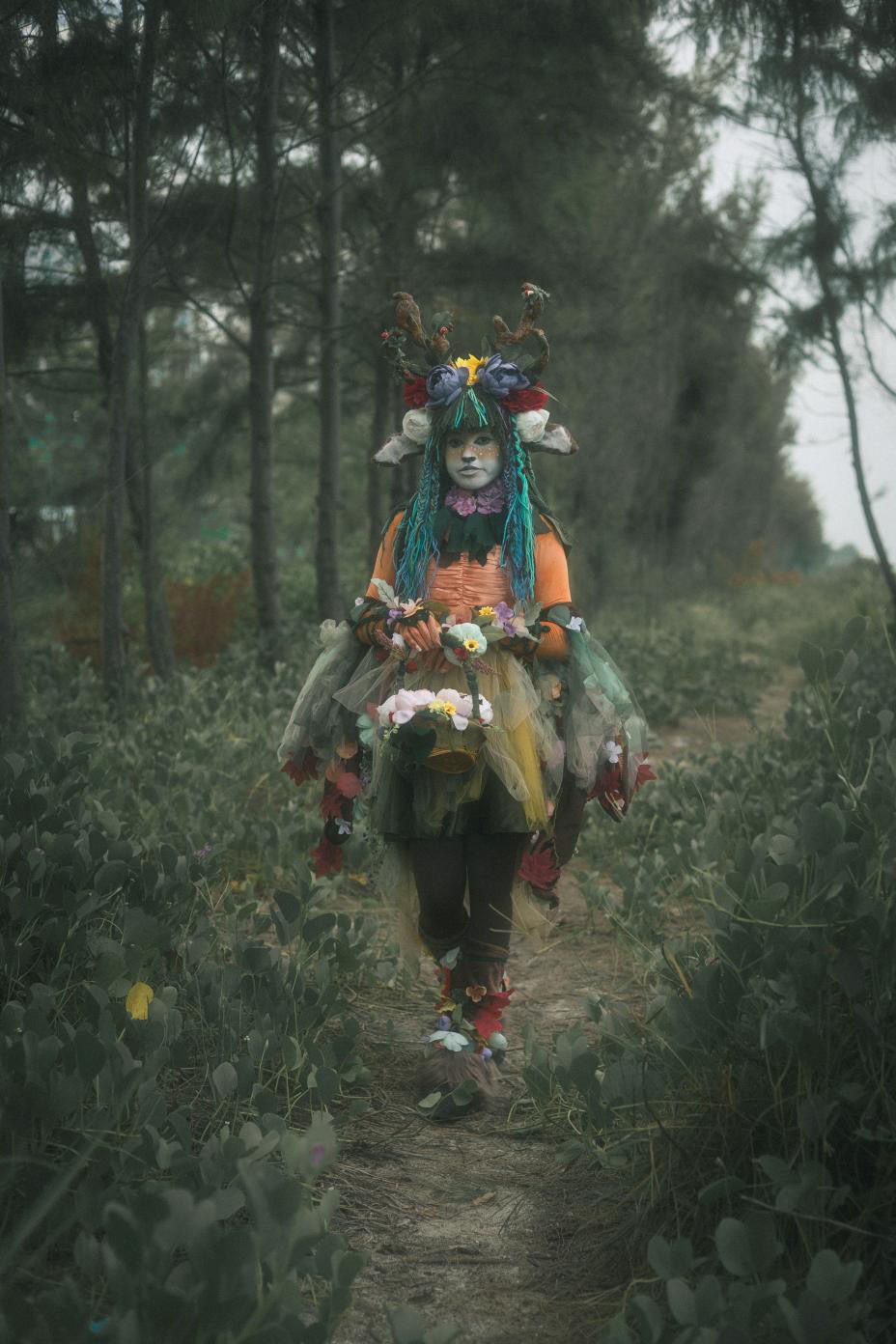
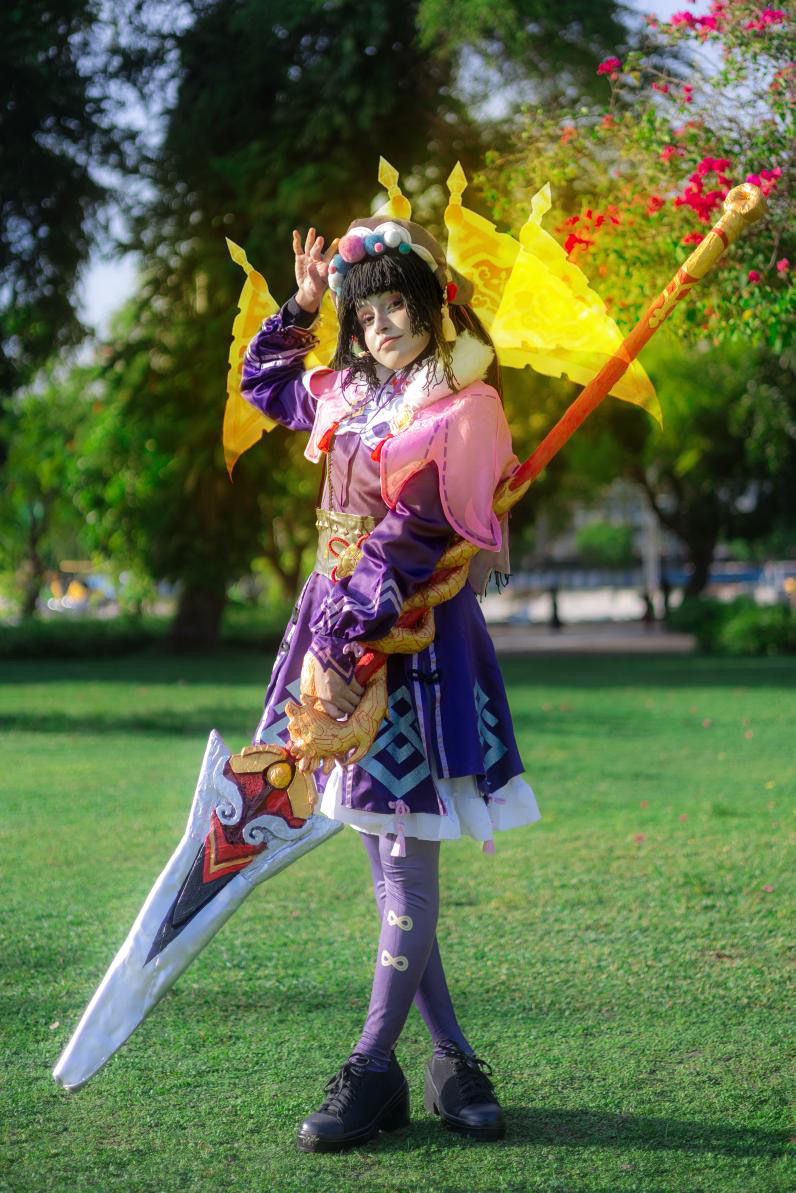
Justin views this adaptation as a creative strength: “It might not be the exact look of the character, but it becomes a unique blend of the character and the person.”
Behind the glamour
Maldivian cosplayers face interconnected obstacles. Beyond sourcing materials – fabrics, wigs, and crafting tools – many experience lack of recognition for their craft. As Wisham explains: "When there's a lot of effort gone into creating a costume, cosplayers often experience disregard for the work they put into the outfit."
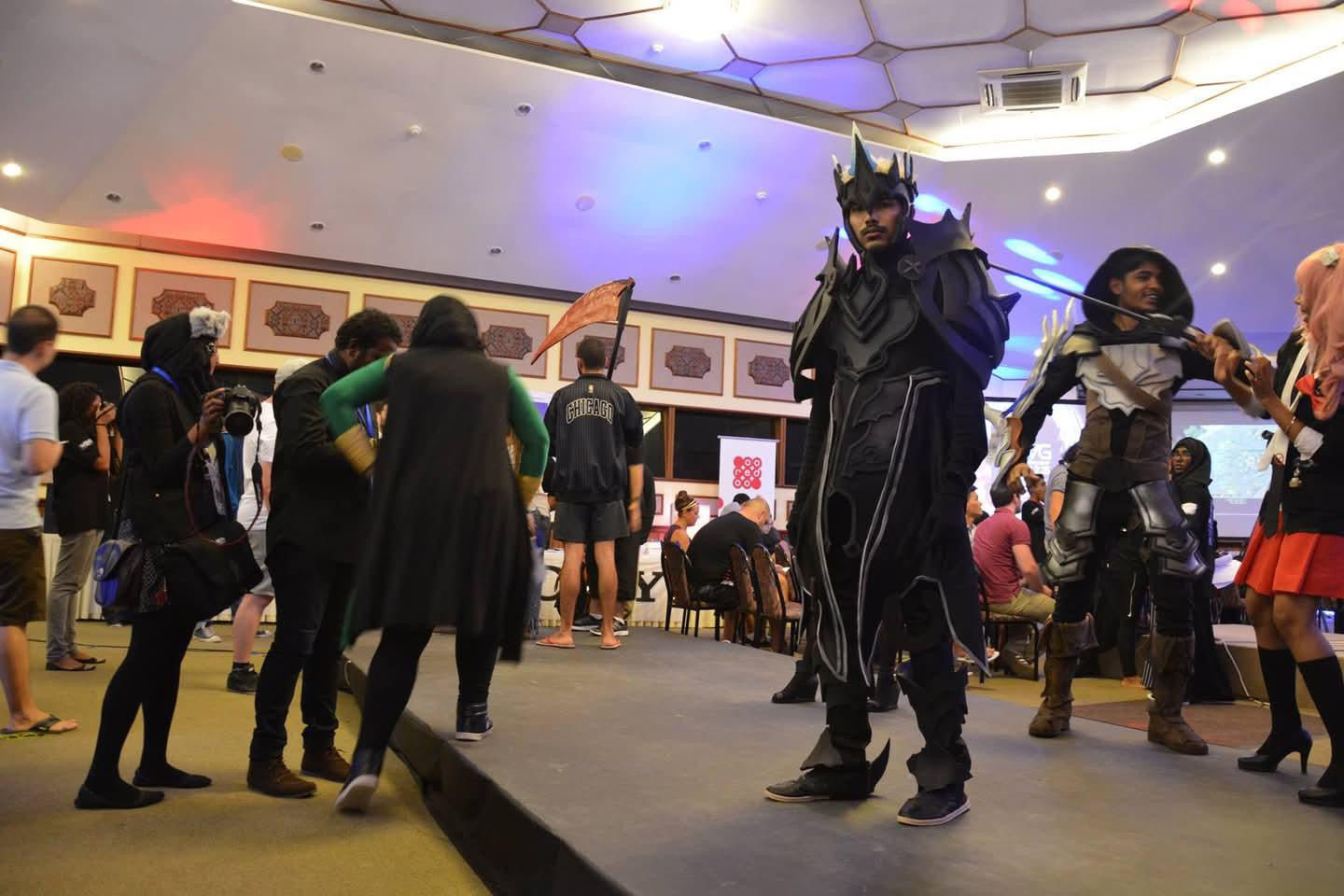
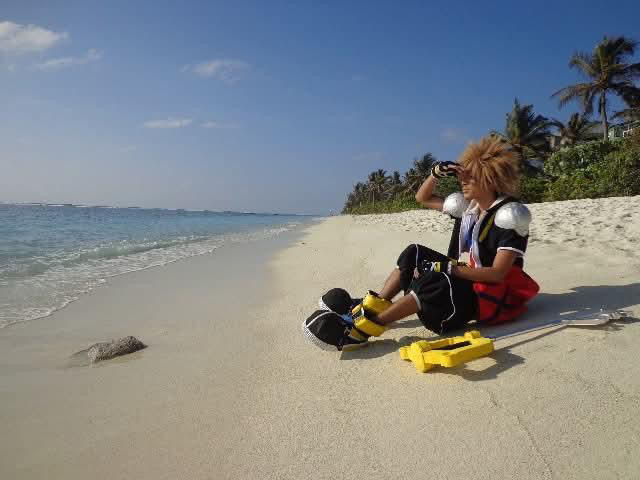
Justin echoes this sentiment: "I don't think I have ever been supported by the community here for my work, especially at recent events." Senior cosplayers once played crucial roles in judging panels, but this tradition has faded, leaving emerging cosplayers without mentorship.


Safety concerns compound these issues. Khumaisaa recalls experiences where insufficient event security made environments overwhelming: "As a cosplayer, it's no doubt I have to get used to these kinds of situations, but it sometimes becomes so overwhelming that I want to push the crowd away. Proper security would make a huge difference."

Social media presents additional hurdles. While vital for sharing and connecting, platforms expose cosplayers to plagiarism. Khumaisaa recounts how two of her pages had content stolen and repurposed without credit.
Despite these setbacks, dedicated cosplayers refuse to give up, adapting creatively to limitations while preserving their craft and community.
Beyond the costume
For many, cosplay is more than costuming – it’s an act of self-expression and empowerment.
Wisham describes it as: “Healing my inner child. I’ve always dreamed of wearing Iron Man’s armour or swinging a giant sword.”
For Penny, it’s a path to confidence: “I’m an extreme introvert, but cosplaying helps me be more social. I feel a sense of freedom.”
Khumaisaa values the sense of community: “Every event brings more hidden cosplayers into the open. Meeting them made me realise I wasn’t alone.”
Academic research supports these sentiments, finding that beyond escapism, cosplay offers a powerful sense of belongingness – the feeling of being part of a community that celebrates you as you are.
Next level
Looking forward, Maldivian cosplayers envision a future with more dedicated events, better industry recognition, and greater collaboration across the arts. Conventions and gatherings are more than just showcases for costumes, they serve as communal spaces where enthusiasts can connect, share their passion, and forge lasting friendships. The acceptance and camaraderie found within the cosplay community, while not without its cliques, often create a supportive environment where individuals feel valued and understood, regardless of their background or differences.
Cosplay places no boundaries on age, race, religion, ability, or gender - its diversity is its strength. Beyond fandom, cosplay can enrich national celebrations, cultural festivals, and creative industries. This subculture offers opportunities for self-expression and professional growth through craftsmanship, performance, event organization, or content creation.
Cosplay in the Maldives is more than just an emerging art form. It's a potential cultural asset that can inspire creativity, foster inclusivity, and serve as a source of livelihood.
Discussion
No comments yet. Be the first to share your thoughts!
No comments yet. Be the first to join the conversation!
Join the Conversation
Sign in to share your thoughts under an alias and take part in the discussion. Independent journalism thrives on open, respectful debate — your voice matters.
Support Independent Journalism
Help us keep the news free and fearless
Give once
$
or
Become a memberfrom $5/month

