
Ramadan cheat sheet: schedules, services and prices
A guide to modified routines for the fasting month.
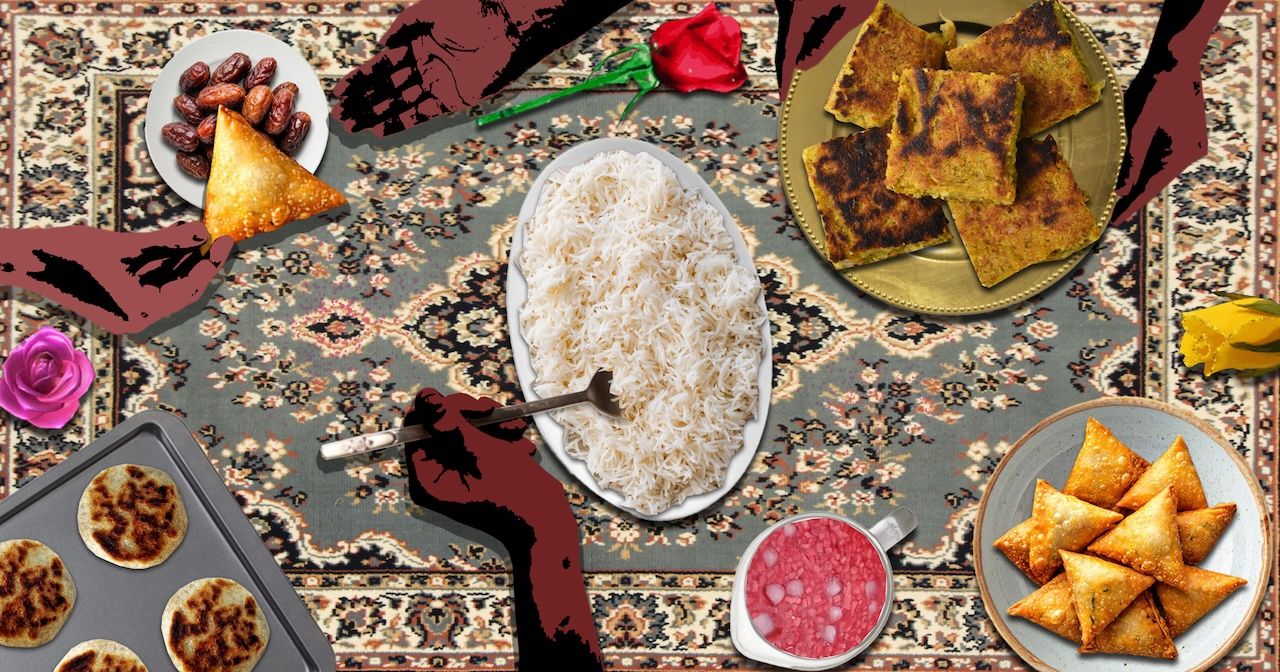
Artwork: Dosain
18 Feb, 12:37
It starts before dawn with suhoor – previously known as haaru keun, the carb-loading meal that fuels the day's fast – and ends with the iftar spread as the sun sets. In between, the Maldives operates at half speed: shorter hours, closed restaurants, quieter streets.
The Islamic ministry declared Wednesday to be the first day of Ramadan based on the sighting of the crescent moon in several Islamic countries. The new moon marks the beginning of the Islamic lunar month. If the moon is not visible on the night of the 29th day, the month lasts 30 days.
For Muslims, Ramadan is the holy month when the first verses of the Quran were revealed to Prophet Mohamed (pbuh). All able-bodied adults must refrain from eating or drinking and abstain from bodily pleasures until the sunset prayer, and focus on self-reflection, prayer and charity.
In the Maldives, pre-Ramadan preparations involve the refurbishing of homes, last minute shopping for new kitchenware, and meals called maahefun with relatives, friends and work colleagues. Earlier this week, Fuvahmulah celebrated a communal maahefun with a beach festival. Other islands also organised community gatherings at the beach.
For the next 29 or 30 days, the rhythms of daily life will shift around the daytime fast. Government offices open for four hours. Buses stop before dusk. Cafés stay open until 3am. The juice blenders come out and the price of garlic – MVR 300 (US$ 20) a kilo last Ramadan – becomes the subject of solemn government pledges.
Here's your guide to the modified schedules, services and prices.
Working hours and government offices
Civil service and government working hours shift to 9am to 1pm. Most private businesses also reduce their hours.
As in previous years, government offices will close for the last 10 days of Ramadan, the holiest period of the month, which includes the Night of Power (Laylat al-Qadr). The practice was introduced in 2024 after a campaign pledge by President Dr Mohamed Muizzu. It continues to divide opinion.
After the first week of Ramadan, schools will close and reopen on March 23 after the Eid al-Fitr holidays.
Transport
The bus service between Malé and Hulhumalé runs from 7am to midnight, with an iftar break and resumption at 7:20pm. Buses from Malé and Hulhumalé to the airport will resume earlier at 6:40pm and 7pm respectively. The Iftar break for the internal Hulhumalé bus routes is between 5:15pm to 7:15pm. Within Malé, the service continues until 6pm but resumes later at 9pm after the tharaweeh prayer as congregations spill out onto the streets.
The Villimalé internal bus route has the shortest iftar break from 6pm to 7pm. The last ferry to Villimalé leaves at 5:50pm. Both terminals close until 7pm. Less frequent ferries to Hulhumalé will stop after 3pm. The Thilafushi ferry will also cease between 5pm and 7pm.
Garbage collection in Malé starts later at 8:30pm and continues until 2am. Collection hours in Hulhumalé are between 9pm and 2:30am. For Villimalé, collections starts at 9pm but ends at 1am. Normal hours will resume a week after Eid.
The operation of heavy-duty vehicles as well as the transport and unloading of goods in the Greater Malé Region will be prohibited from 8am to 9:30am and from 4:30pm to 8pm. The morning restriction will be lifted for the last 10 days of Ramadan.
Police will step up patrols at the local market, mosques, busy roads, the Sinamalé bridge and Hulhumalé highway to manage traffic congestion.
Eating out
Restaurants and cafés are closed during the day. A select number are authorised by the economic development ministry to discreetly serve tourists and foreign workers.
Food prices
Food prices – which have remained elevated for the past four years – rise during Ramadan, driven by a surge in demand for pantry essentials, fresh produce and cooking ingredients.
The State Trading Organisation says it is better prepared this year. STO managing director Shimad Ibrahim told Mihaaru that prices for essential items are being "kept low" and the company will ensure they do not rise further during the month. He offered specific pledges: onions held at MVR 15 per kilo or below, garlic capped at MVR 50 – a dramatic drop from last Ramadan, when it spiked to MVR 300 – and oranges at MVR 5 or 6 each. Chili and coconut prices would also be stabilised, he said.
The government's essential food list was expanded in September to include 23 additional items, bringing the total to 26 price-monitored items. In addition to rice, sugar and flour, the list now covers fresh produce including watermelon, banana, papaya, mango, passion fruit, apple, orange, lemon, grapes, chilli, red onion, garlic, ginger, potato, carrot, cabbage, eggplant, sweet potato, pumpkin, taro, yellow lentils, eggs and coconut.
These items are reportedly available with price controls at STO outlets across the country, including 13 atoll shops from Hoarafushi in the north to Hulhumeedhoo in the south. STO is also shipping supplies directly to Kulhudhuffushi and Addu City to keep prices stable in the far north and south.
The economic development ministry manages a portal to provide “up-to-date” prices at shops in Malé and Hulhumalé.
At the commercial harbour in Malé, the Maldives Ports Limited cleared 480 tonnes of perishable goods – over 13,000 packages of vegetables, fruits, fresh meat and other items – ahead of the start of Ramadan. A 3,000 square-foot shed was built to store perishable items for faster clearance. MPL also announced modified service hours for the month, with loading, unloading and container shifting between 9am to 4pm and 9pm to 1:30am daily except Fridays.
Despite similar efforts and government assurances last year, prices rose on the very first day of Ramadan. The price of Kandoodhoo scotch bonnet chili has already climbed to MVR 480 per kilogram, according to market reports. On Tuesday, the price of watermelon rose to MVR 25 per kg from MVR 20 on the previous day. Watermelon juice is synonymous with Ramadan as the iftar drink of choice for most Maldivians.
Utility discounts and tuna handout
The government's Ramadan "gifts" are back for the third consecutive year. A total of 53,308 cases of canned tuna were handed out to households in Greater Malé by February 12.
STELCO announced that electricity bills will be capped at MVR 400 (US$ 26) for the 30 days of Ramadan. Meter readings were taken on Sunday and Monday to establish baseline usage before the fasting month.
Last year, the combined utility discounts across STELCO and Fenaka totalled MVR 45 million. After Ramadan ended, many households reported sharply higher bills, which STELCO attributed to seasonal heat and increased air-conditioning use.
Zakat and charity
All Muslim workers in the Maldives are entitled to a mandatory Ramadan bonus of MVR 3,000.
Fitr zakat, the obligatory alms due before Eid prayers, can be paid online through mobile apps from local telcos and banks, as well as through the finance ministry's payment gateways. The deadline is 6am on the 27th day of Ramadan. Collection counters will be set up at the Islamic Centre in Malé, and island councils will accept donations elsewhere.
The zakat payment ranges from MVR 12 for normal rice to MVR 136 for the highest-grade basmati rice.
The spirit of Ramadan giving goes beyond zakat. On Tuesday, Bank of Maldives staff donated essential food supplies to Moms NGO's "Help a Family" initiative, which aims to support 100 vulnerable families across the country. Dhiraagu is also partnering with Moms Aid to support 100 families, and offering customers the option to donate iftar packs to migrant workers through DhiraaguPay, distributed via Mission for Migrant Workers Maldives.
Crime
Police warned of an increase in theft during Ramadan, particularly between the sunset prayers and the end of tharaweeh prayers around 9:15pm. Thefts also occur during other prayer times when homes are left unattended. Sub-Inspector Mohamed Shareef strongly urged the public to lock doors properly when leaving for the mosque. He also advised against leaving phones and wallets under motorcycle seats when going out to jog or exercise.
Common crimes include motorcycle theft, burglaries targeting electronics, and stealing merchandise displayed outside shops. Last year, police identified several high-risk areas in Hulhumalé, including the timber and yellowfin tuna jetties, the swimming track and the area around flats one through five. A special team was assigned to monitor drug and alcohol-related offences in Hulhumalé based on spikes in previous years.
Ahead of Ramadan this year, police cautioned against online scams and advised buyers to check whether the business is registered before transferring money.
For tourists and expats
Resorts operate normally and remain largely unaffected. But in Malé and other inhabited islands, visitors should expect shorter business hours, closed daytime restaurants and a quieter pace during the day. Evenings, on the other hand, will be bustling.
Eating, drinking and smoking in public during daylight hours is strictly prohibited. In a statement issued on Tuesday, the local government ministry urged service providers on inhabited islands to ensure that food and drink services for tourists are arranged out of public view, and in a manner that respects Islamic traditions. The ministry asked that tourists be informed of expected conduct during Ramadan and called on councils to monitor compliance. "We urge all those providing services to tourists on inhabited islands during the blessed month of Ramadan to pay special attention to these matters, and for councils to be vigilant," the statement said.
Ramadan Mubarak. The watermelon juice awaits.
Discussion
No comments yet. Be the first to share your thoughts!
No comments yet. Be the first to join the conversation!
Join the Conversation
Sign in to share your thoughts under an alias and take part in the discussion. Independent journalism thrives on open, respectful debate — your voice matters.
Support Independent Journalism
Help us keep the news free and fearless
Give once
$
or
Become a memberfrom $5/month