
Breaking cycles: what’s missing in our blueprint for revolution?
We have the energy. We lack the strategy.
Artwork: Dosain
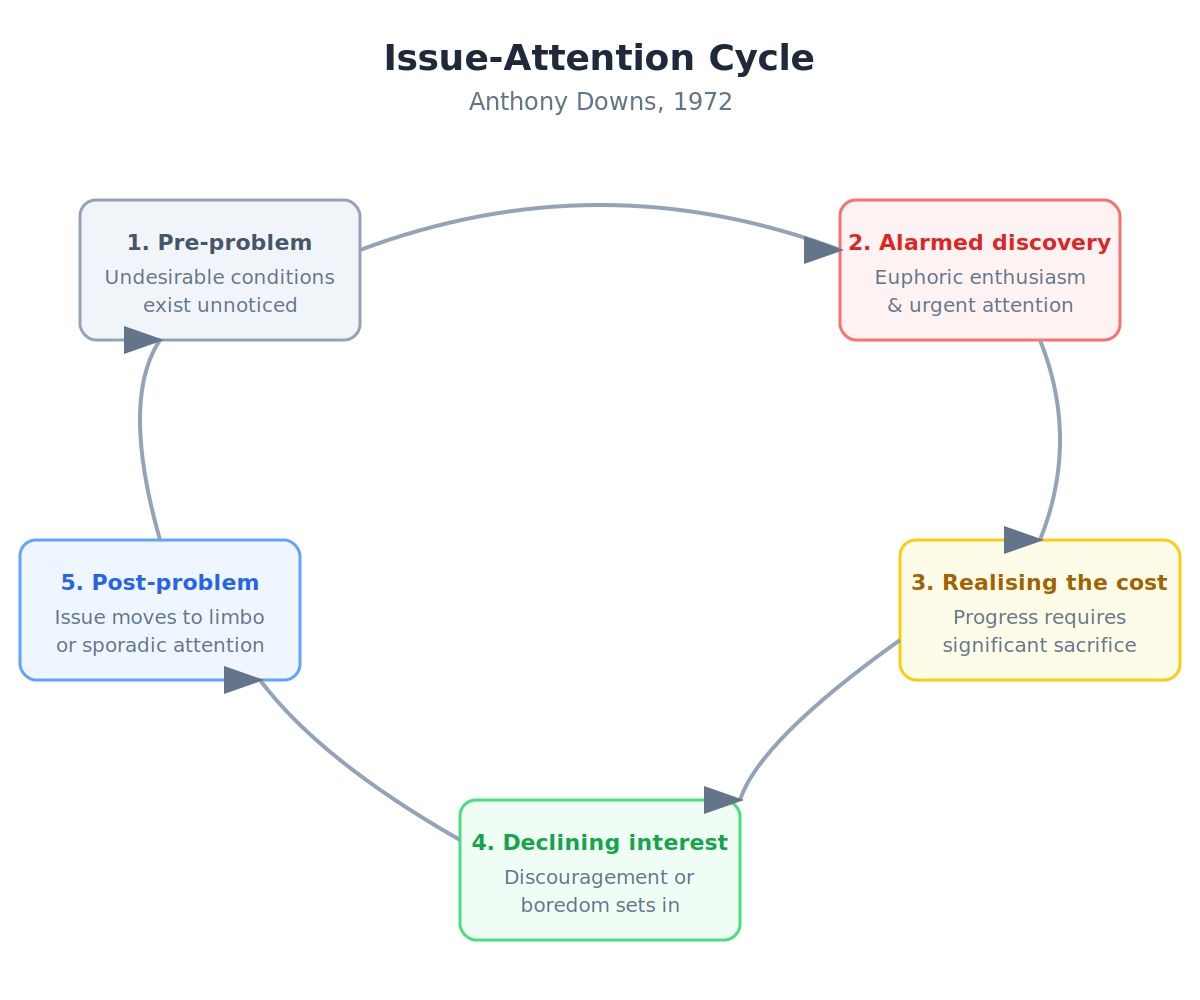
Someone does something terrible: sometimes it’s a handful of perverts with political affiliations assaulting someone, sometimes it’s passing a stupid law, sometimes it’s a corruption scandal, sometimes it’s environmental destruction – whatever it is, the system is always involved.
The initial news breaks. In the digital era, that means footage circulates, rumours amass, and anonymous accounts with comically obvious political loyalties maul and drag the incident all over social media. Emotions run high and tensions soar. Those in power make their first moves.
You hear about political action. Usually, it’s a series of obedient protests, often organised or co-opted by non-ruling parties or other career politicians.
Initial days are packed with energy. Candid photos, marketing-standard media pieces, tearjerker commentaries from the popular talking heads, and rampant chatter about revolution and reform. You may even think, “finally, we’re about to make a change”.
Soon, it’s curtains: momentum is lost, protests turn out to be carried out in tolerable parades with sports-like chanting and marketing, the organisers turn out to be affiliated with conflicting individuals or scandals, the police cracks down, everyone’s exhausted, everyone still has to go to work or school tomorrow, the world must go on. Then, someone does something horrible again, and the stage resets.
Missing elements: principled reform and intentional action
Principled Reforms: a structured set of ideals specifically tailored to the Maldives that is designed with the intention of uprooting systemic sources of inequality and oppression: capitalistic structures that perpetuate economic inequalities, already existing disproportionate and corrupt distributions and circulation-systems of wealth, paths towards greater citizen accessibility to policymaking and economics, reforms that make it easier for citizens to hold those trusted with national resources and bureaucracies accountable via dissolutions, referendums, and such, and a way towards a society where survival necessities like housing and food are guaranteed equally for everyone. That requires scrapping and rewriting our constitution entirely.
Intentional Action: even if you have ideals, motivations, and truly genuine individuals unaffiliated with party politics or legacy politicians to steward such political currents, our actions need to meaningfully pack a punch and make an impact. That means we need things like:
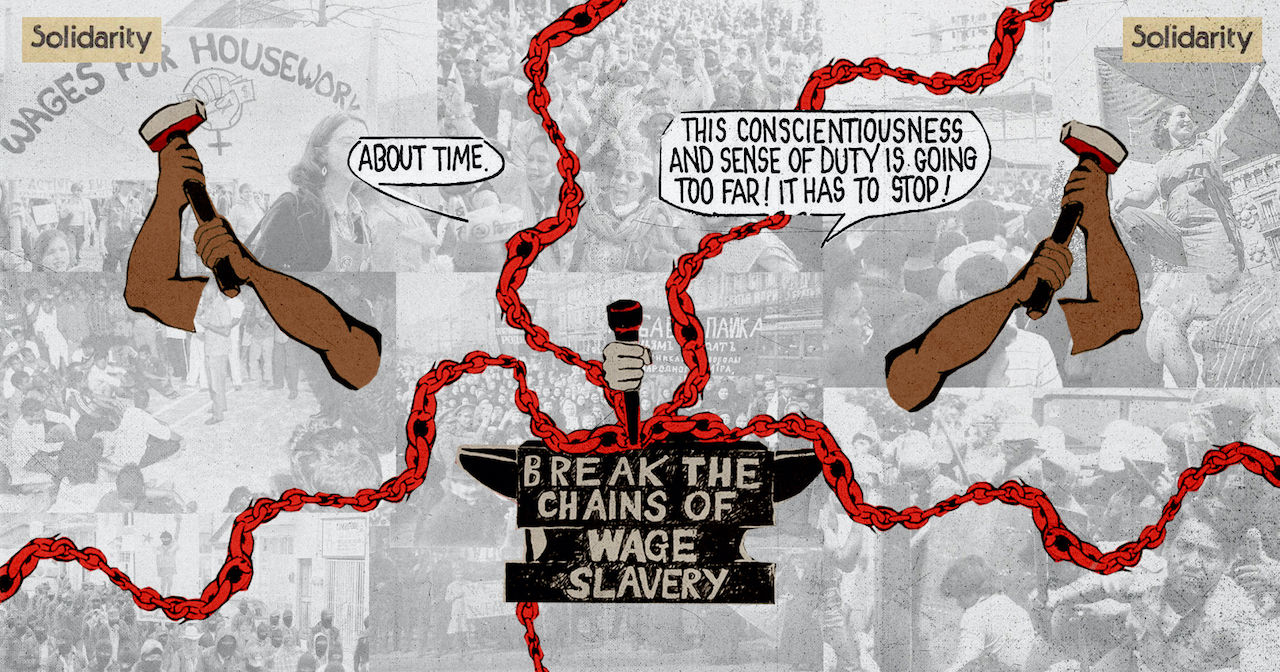
General Strikes and Other Industrial Action: protests aren’t enough. What hurts both the corporate elites and politicians alike on all sides, ruling or opposition, is to hit the economic machine where it hurts. To bring it to a grinding halt. They cannot fire everyone or force them to go back to work. That is why general strikes work: it chokes the interests of the ruling class and forces concessions. It puts power back into the hands of the working class by staking labour in negotiation.
Disruption: “national security” is just a fancy way of saying “please don’t make our elites feel uneasy”. Disruptive action means non-lethal action that disrupts their interests. If you want to protest, do it in ways that’ll make those in power uncomfortable – organise at airports or tourist destinations. International attention is what they hate the most. Even if a few people do it, the impacts are what makes disruptive action effective. That is why Palestine Action was effective despite its activities including usually only a handful of people, and the testament to its effectiveness is how far the UK government went to stop them.
Discussion
No comments yet. Be the first to share your thoughts!
No comments yet. Be the first to join the conversation!
Join the Conversation
Sign in to share your thoughts under an alias and take part in the discussion. Independent journalism thrives on open, respectful debate — your voice matters.
Support Independent Journalism
Help us keep the news free and fearless
Give once