
Dhoadhi – a coming-of-age film Dhivehi cinema rarely makes
A twenty-something crew made the film they wanted to see.
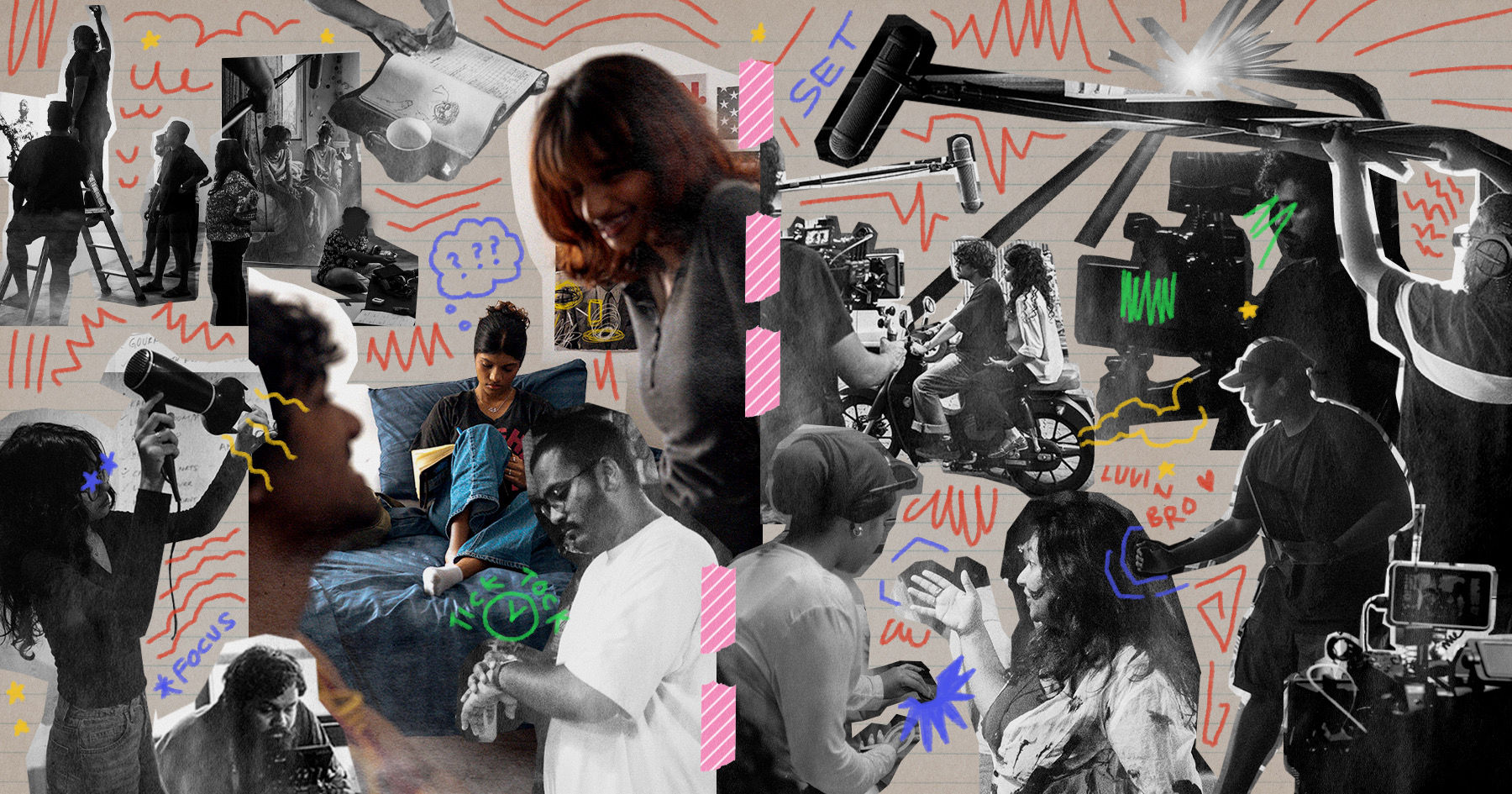
Artwork: Dosain
17 Jan, 15:36
A year ago, Dhoadhi was a work in progress and Movanu Shafeeq was a promising young director with two shorts to his name. Our conversation with Movanu from April now stands as clear evidence of his determination to see the project through and bring his vision fully to life. He has not only completed the film, but done so with an entirely fresh crew and a new generation of actors. Premiering this month at Olympus, Dhoadhi emerges as a testament to perseverance within the still-embryonic landscape of Maldivian cinema.
By now, anyone remotely tuned into social media has likely encountered Dhoadhi – its teasers, its posters, and the growing murmur of curiosity surrounding it. Most striking among them is a now-familiar image: the film's lead actor, bare-faced and afloat in soft turquoise waters, gazing upward in contemplation, while the handwritten title drifts above. It is an aesthetic rarely seen in the promotion of Dhivehi films. Unconventional, understated and deeply evocative, the poster draws the viewer in not by spectacle, but by invitation – to pause, to question, and to wonder.
Set against the restless backdrop of Malé City, the film mirrors the chaos and compression of urban life through the inner turbulence of its protagonist Mal, played by newcomer Lana Jaleel. Her emotional journey unfolds amidst the shifting dynamics of her two closest friends – Sha, portrayed by Aminath Inna, and Yaish, played by Shahudhan Shareef, both making their acting debuts. At home, Mal navigates an equally fraught relationship with her single mother, Fathuma, played by seasoned actor Amira Ismail, whose well-meaning interference clashes with Mal's growing desire for independence and plans to move abroad.
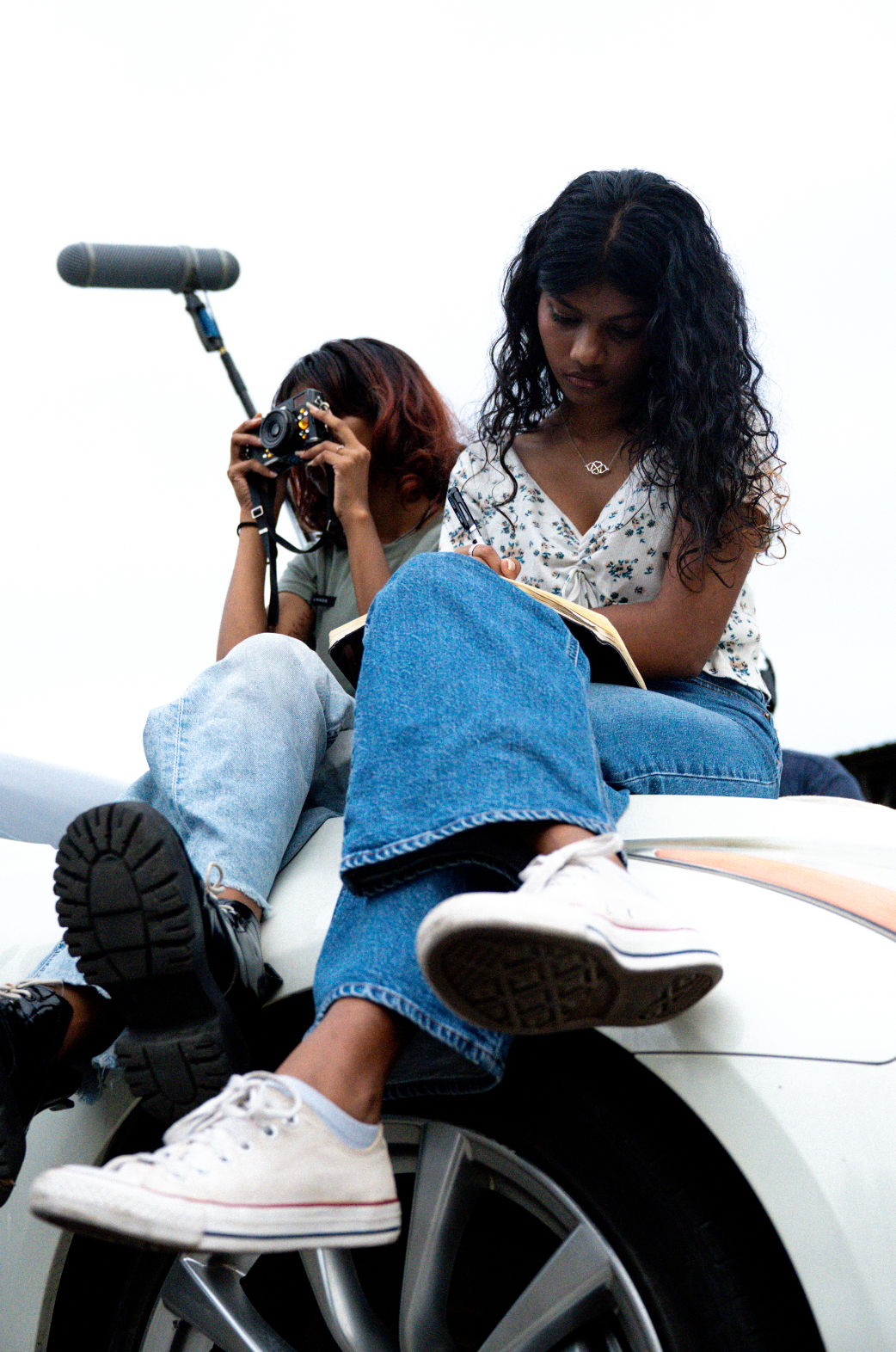
At its core, Dhoadhi is a portrait of a young woman standing at the uneasy threshold between adolescence and adulthood – a time when friendships begin to fracture, priorities diverge, and certainty gives way to quiet anxiety. As school ends and life takes on sharper edges, Mal finds herself grappling with relationships that no longer fit as neatly as they once did. The film approaches this coming-of-age moment with sensitivity, delving into emotional territories rarely explored onscreen, particularly through the lens of young people.
A deliberate vision
Following the release of Indha in 2022, Movanu began working on Dhoadhi, drawing inspiration from characters originally conceived by Nashiu Zahir. His intention was clear from the outset: to show rather than preach.
"I am not a fan of writing a story just for the sake of giving the audience a lesson or lecture on how something should be. The worlds my characters exist exposes them to different sides and people of society in Malé," he says. "The reason being not to lay out how their reaction to a certain event is the way things should be, but show that this is the way things are. I like showing audiences how our world is now, and let them take away whatever lesson or moral they want from it. In the end my focus is on the character's journey and what they learn about themselves."
Casting Mal was no small undertaking. Beyond the demands of performance, the role required an actor who could convincingly inhabit the character's age, vulnerability, and emotional depth – a challenge within the local film landscape, where young Maldivian actors remain scarce. The search ultimately led Movanu to Lana Jaleel, a family friend's daughter whose background in theatre immediately stood out. Having heard of her stage experience while developing the film, Movanu felt she embodied the essence of Mal. With her mother's permission, the script was shared and work on the character began.
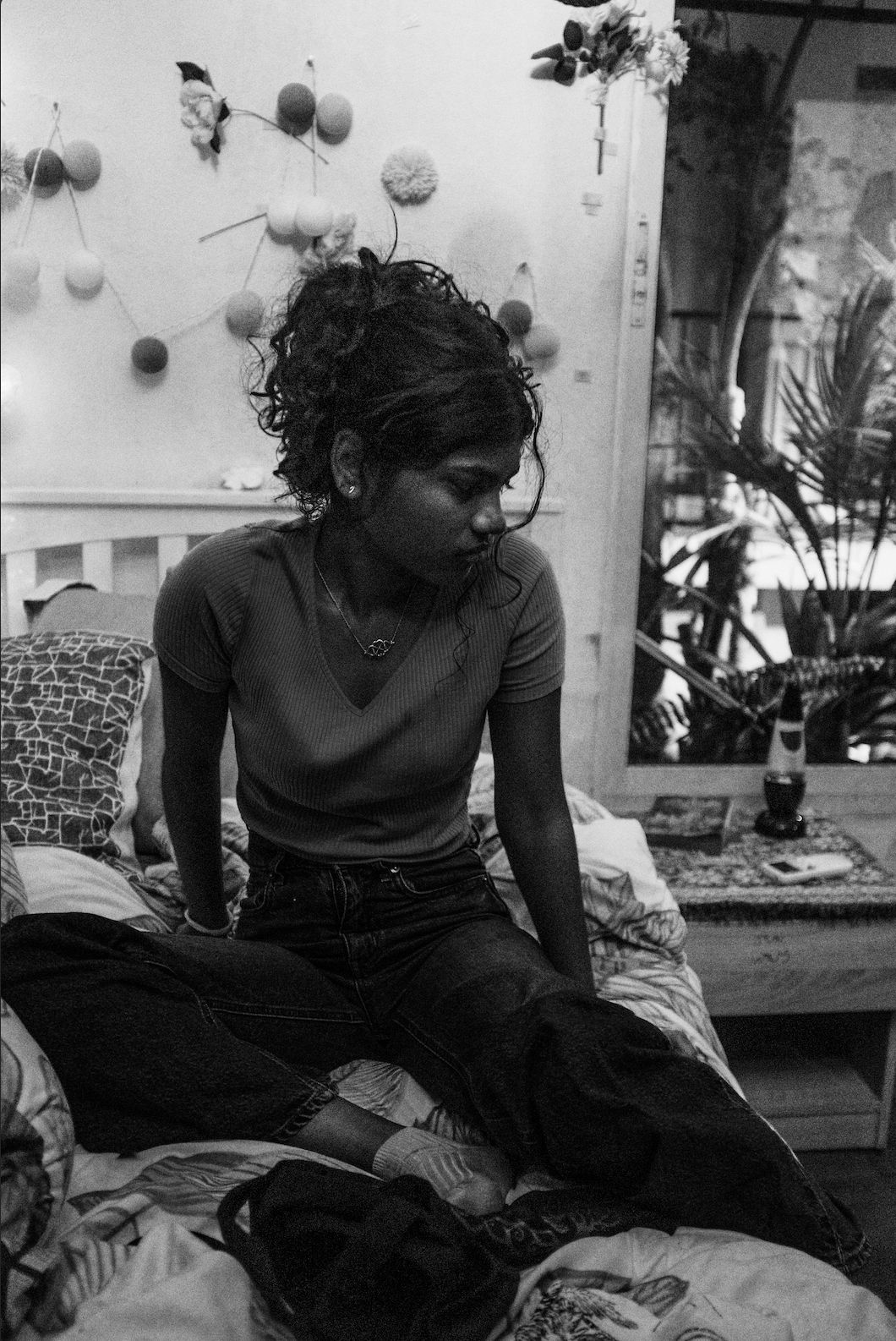
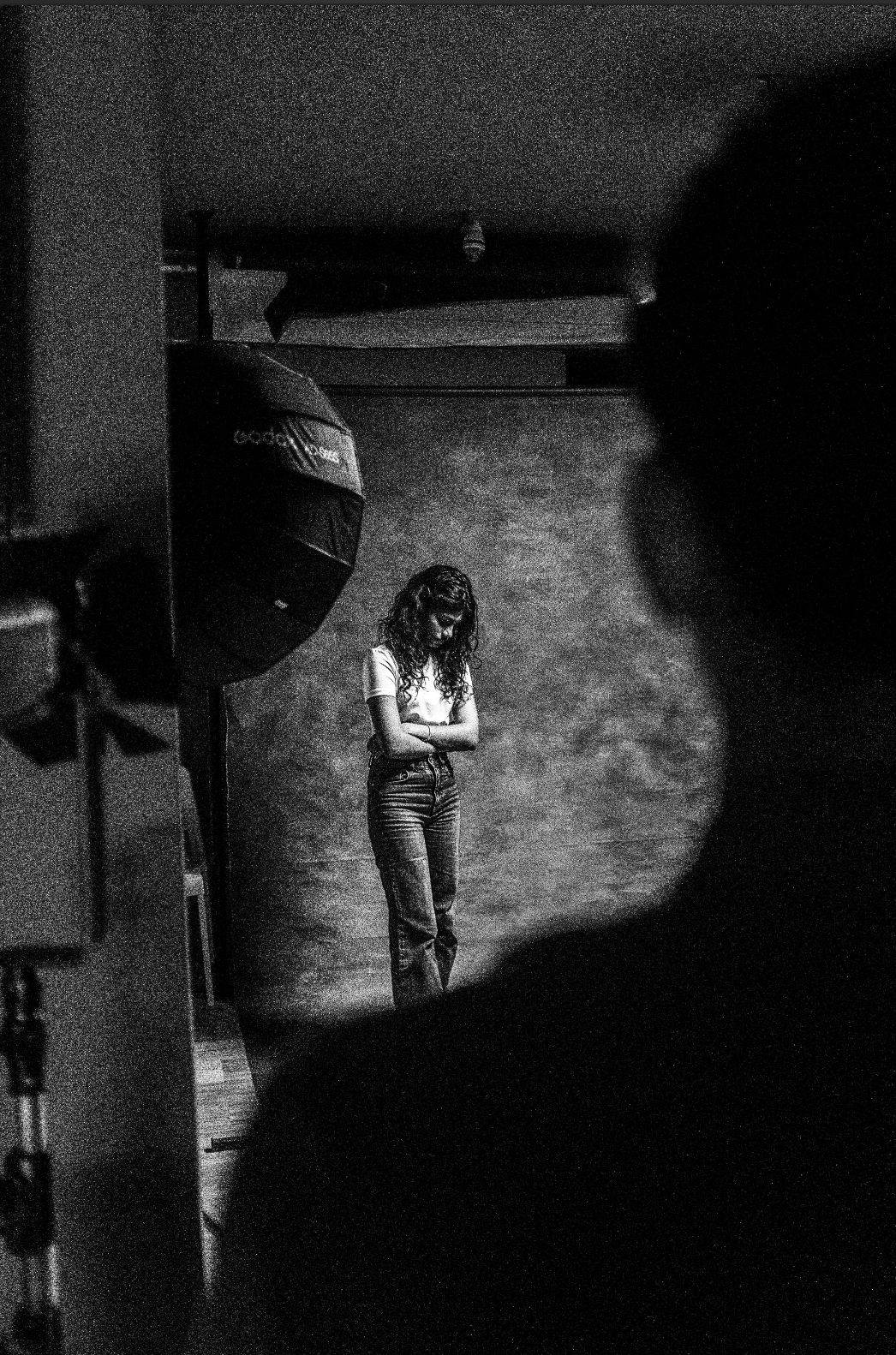
Lana, however, did not accept the role without hesitation. Despite her love for theatre, the prospect of appearing on screen was daunting.
"Since I was quite young, I have been very camera-shy," she recalls. "My instinct whenever I saw a camera pointed in my direction was always to cover my face or hide behind someone else – up until Dhoadhi, actually." Learning that the project was a feature-length film initially pushed her towards refusal. "My immediate response was to say no and walk away, but every day I'm glad that I didn't."
What ultimately persuaded her was the confidence shown by Movanu, coupled with encouragement from friends and mentors within the film and theatre community. Lana sought advice from fellow actors, filmmakers, and directors, as well as her former high school drama teachers, who were her first points of contact after receiving the offer.
"Seeing my mentors and friends being as excited as they were, and having as much confidence in me as they did, was the turning point," she says. "It pushed me to step far outside my comfort zone, and I will forever be grateful for the support they gave me."
Although Dhoadhi marks Lana's first on-screen role, her foundation in theatre spans nearly her entire school life. She began drama lessons at the age of five and performed in school productions every year from the age of nine until graduation. In high school, she also took on minor roles in large-scale musicals such as Singin' in the Rain and West Side Story.
"Theatre was what got me through my school years," she reflects. "After the past eleven years, I can no longer imagine a life without acting – my heart will always be on stage."
Assembling the cast
Aminath Inna, who plays Mal's closest friend Sha, was cast through Dhoadhi's open casting call. A dancer and DJ by background, this marks her first feature film and her first professional acting role, though she had previously appeared in concerts and advertisements. Movanu expresses his satisfaction with her performance, noting how naturally she embodied the character.
Inna herself describes the experience as a welcoming introduction to filmmaking.
"As it was my first time acting, Mo and the Dhoadhi team made the process really easy for me," she says. "It was a great first experience, and I appreciate how supportive everyone was."
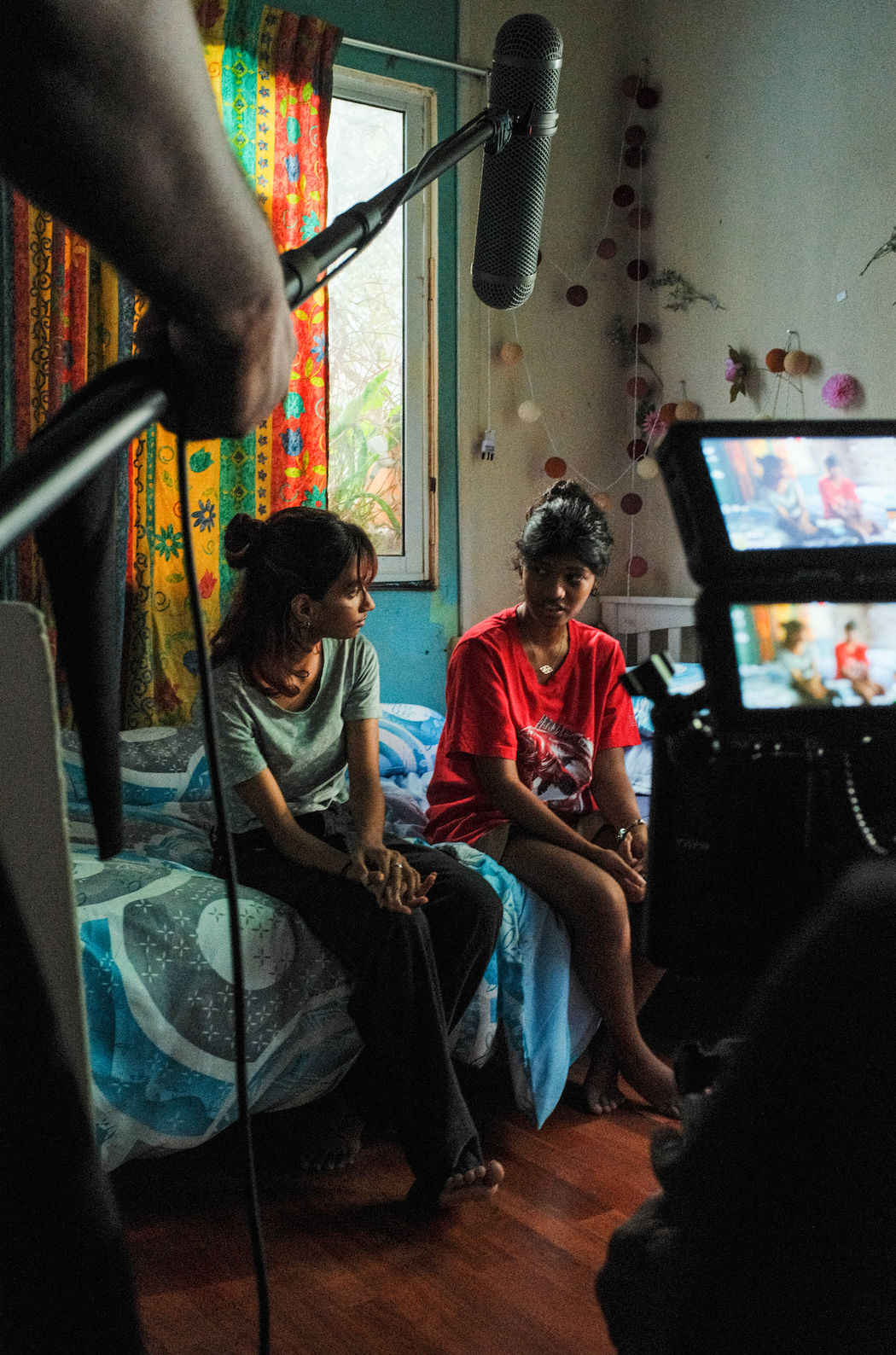
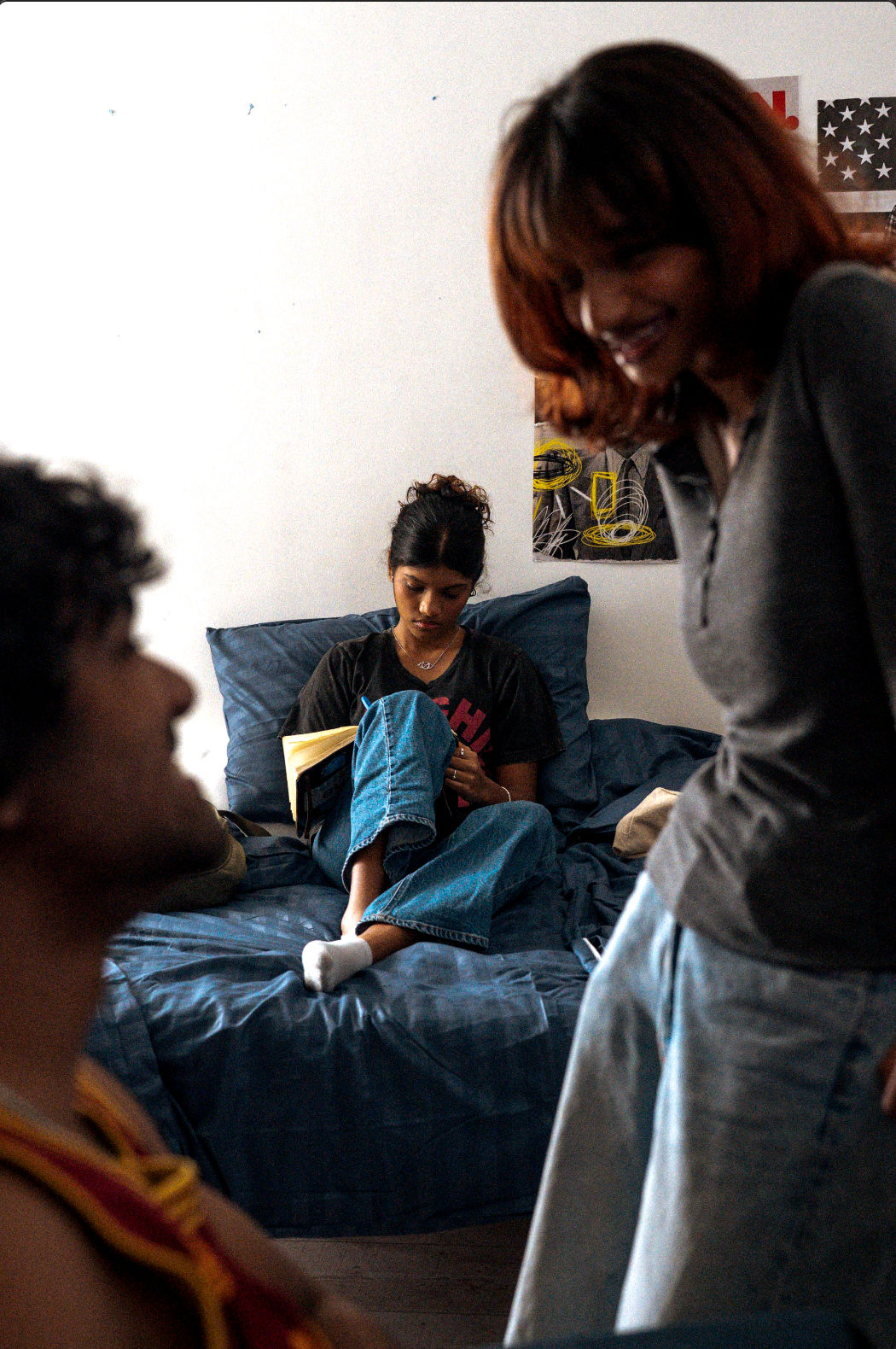
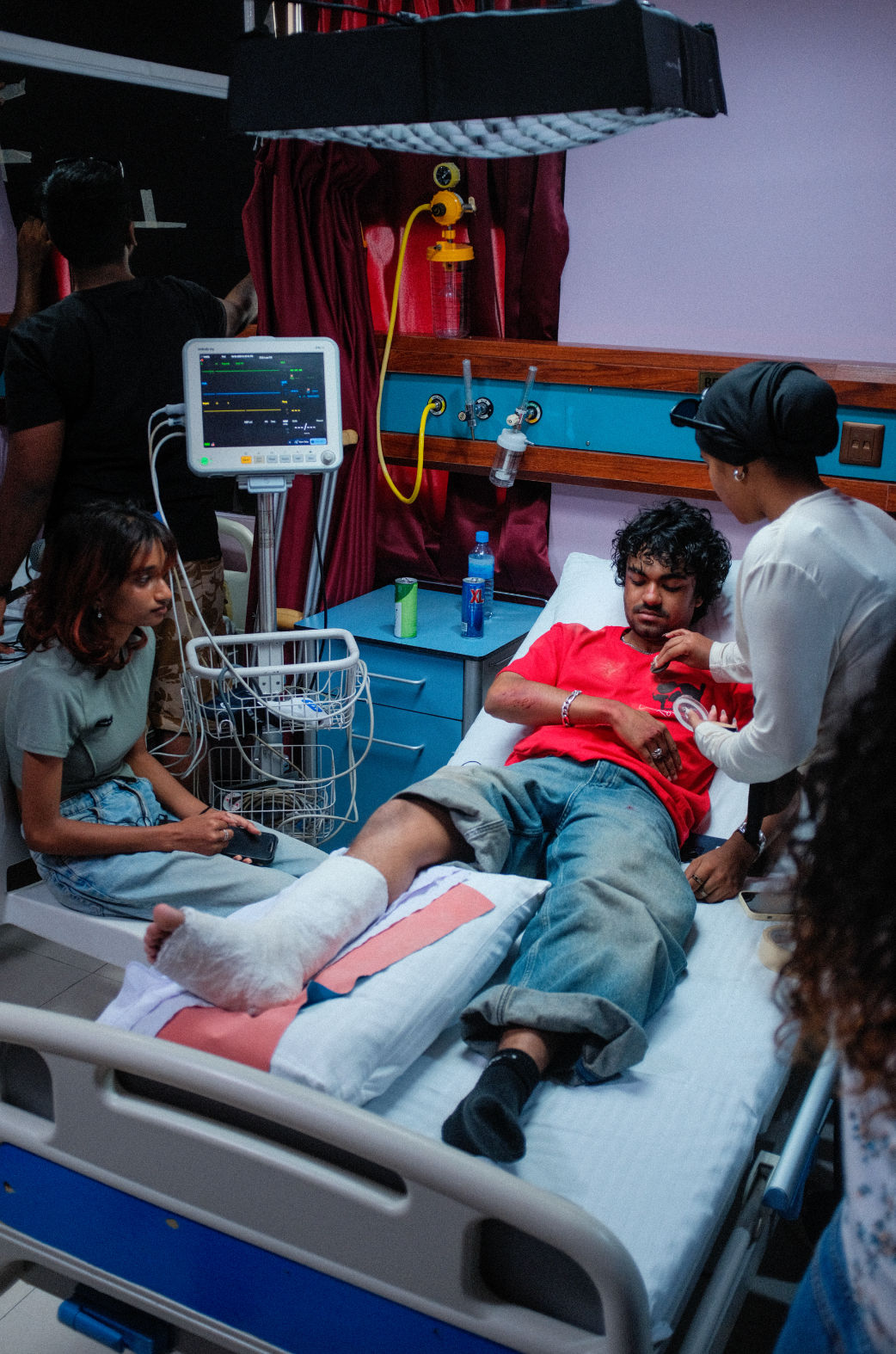
Shahudhan Shareef, who plays Yaish, was cast more informally. Movanu, having known him for some time, approached him on a whim, sensing he would be right for the role. Alongside the newcomers, the film also features familiar faces such as Washiya, Iyas, Fairooz, and Zaleeshan – all accomplished actors, though appearing in smaller roles than audiences might expect.
"I almost felt bad assigning such small roles to such strong actors," Movanu admits. "But it was necessary to allow the new faces to shine and to serve the story properly."
Age authenticity played a significant role in casting decisions. With the main characters written as nineteen- to twenty-year-olds, many established actors were immediately unsuitable. Having experienced performers in supporting roles, however, provided stability on set and allowed Movanu to focus more closely on guiding the newcomers.
"I could trust the supporting cast to deliver without much intervention," he explains. "Surrounding the main cast with experienced actors, especially someone like Amira, helped elevate and smoothen their performances."
Female voices shaping the film
Given that Dhoadhi centres on the story of a young woman, Movanu made a conscious decision to empower the female voices within the production.
"I made sure to give as much freedom as possible to the female members of the crew to guide creative choices around our lead characters and how they are presented," he explains. This approach extended both on screen and behind the scenes, resulting in a production shaped by strong female leadership.
The crew itself reflects this commitment, with a prominent female presence across key roles. Movanu credits production manager Aishath Shaheen and first assistant director Iyya for ensuring the film was completed on time and within budget, alongside the costume and makeup department led by Zai and Raaviya, whose work helped bring Mal to life with realism and restraint. Both Lana and Inna were also actively encouraged to contribute their perspectives during filming, offering feedback, suggesting adjustments, and even improvising dialogue where it felt more natural.
"I gave Lana and Inna a lot of freedom," Movanu says. "When newcomers are forced to memorise lines rigidly, it can feel mechanical. Instead, I would give them the emotional direction of a scene and allow them to express it in their own words. That way, the performances felt natural." Much of the film's dialogue, he notes, emerged through this collaborative improvisation.
Emerging voices behind the camera
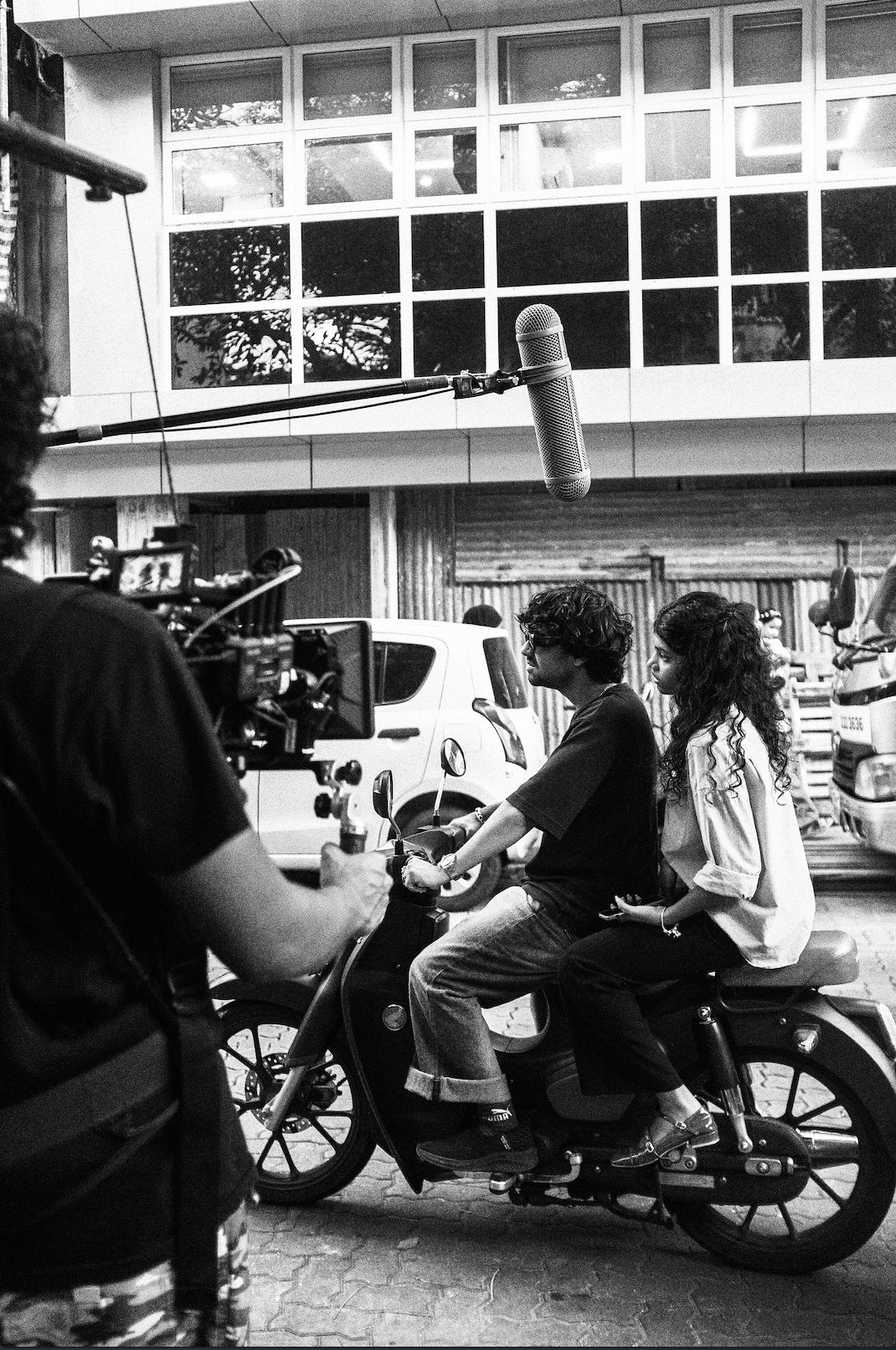
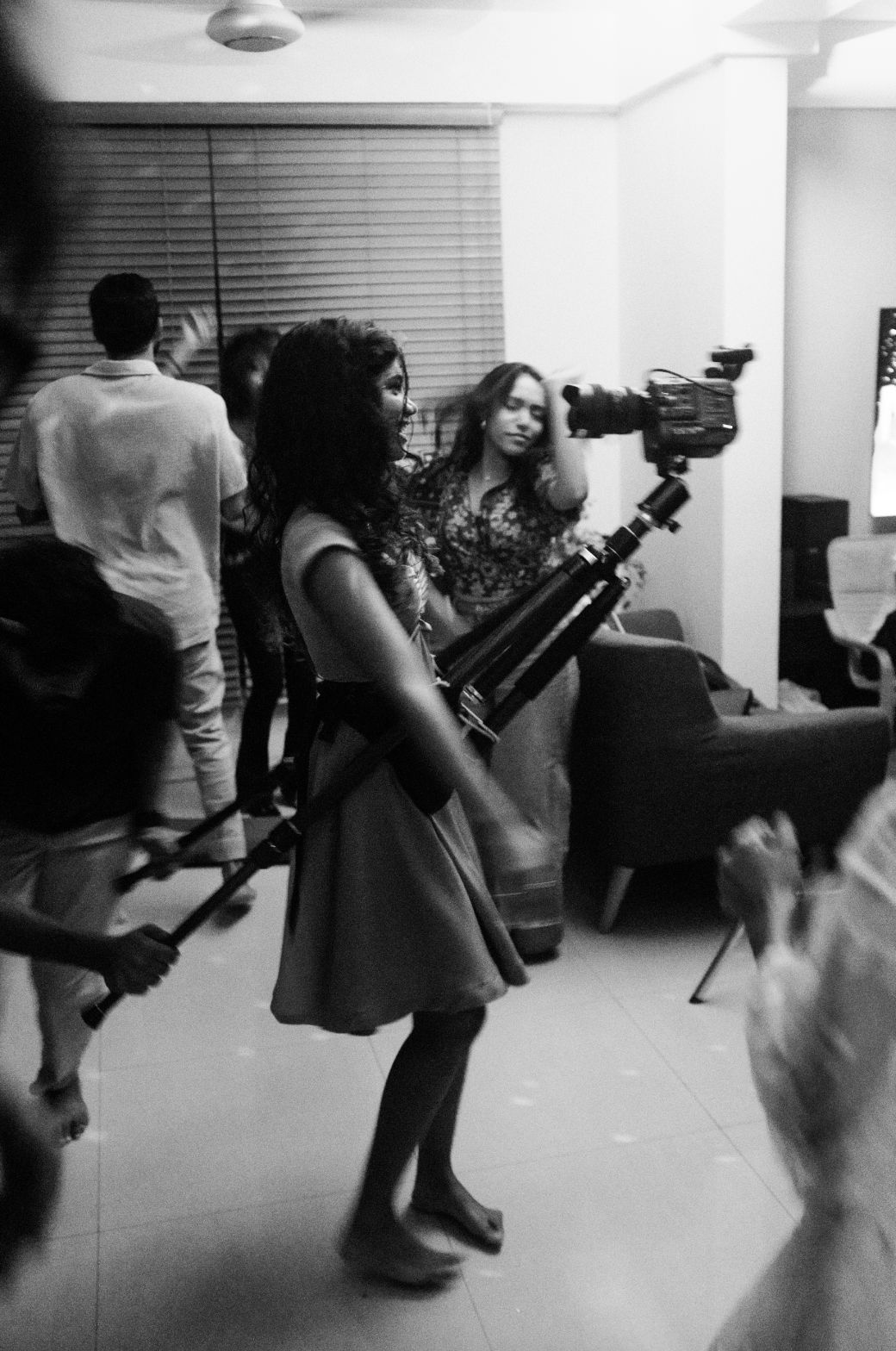
Dhoadhi is not only a reflection of Movanu's vision, but of a collective effort driven by a group of largely twenty-something creatives, many of whom were working on their first feature film. Over the course of roughly 54 days, the team collaborated closely to bring the project to life – a feat that remains rare within the local industry.
"With Dhoadhi being such a fresh story with fresh faces, I wanted the crew to reflect that as well," says Movanu. The production brought together a young mix of creatives, including team members from Shepherd Studio, Madhoship Studio, and Okno, alongside independent collaborators recruited specifically for the film. For many, it marked their first experience on a film set.
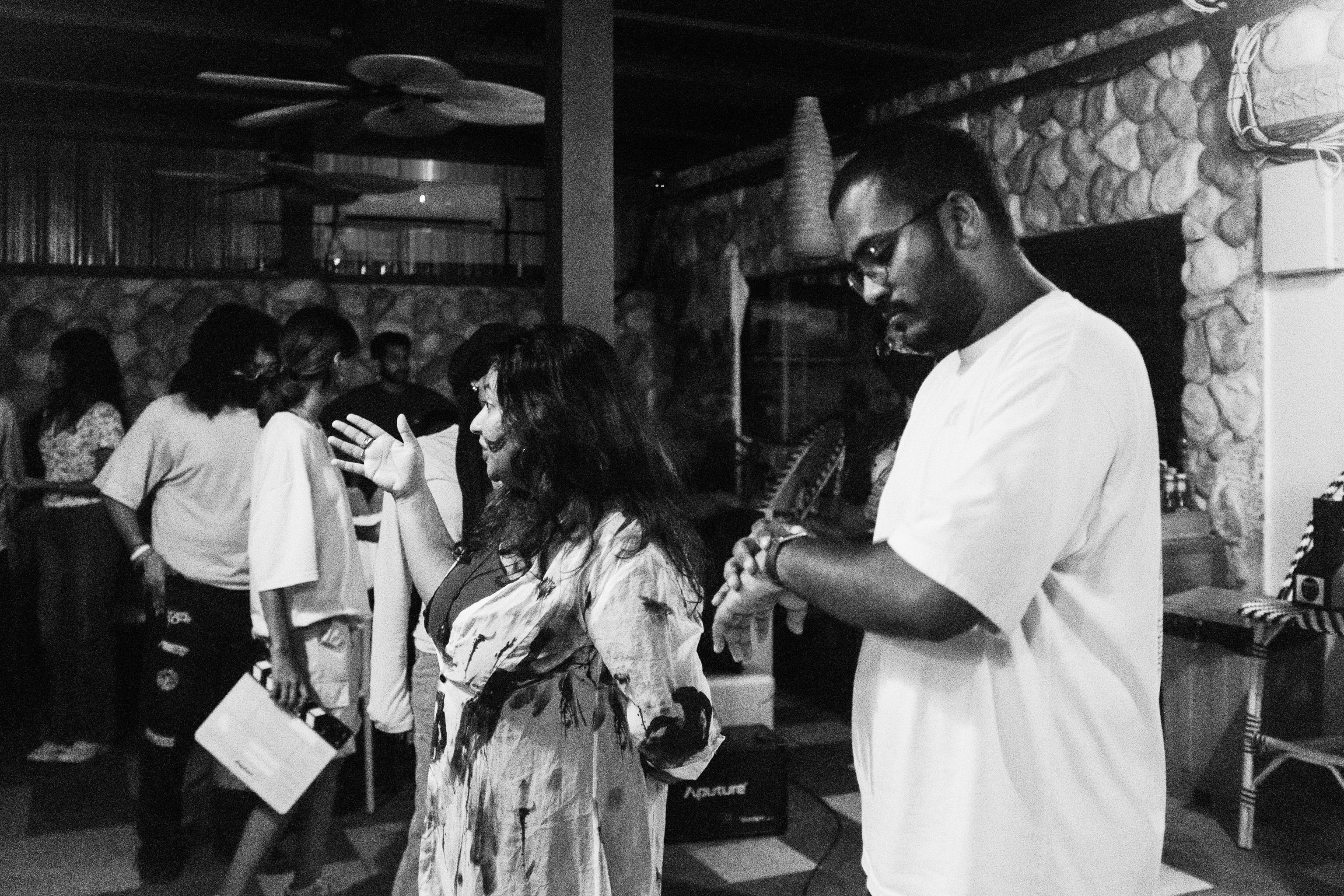
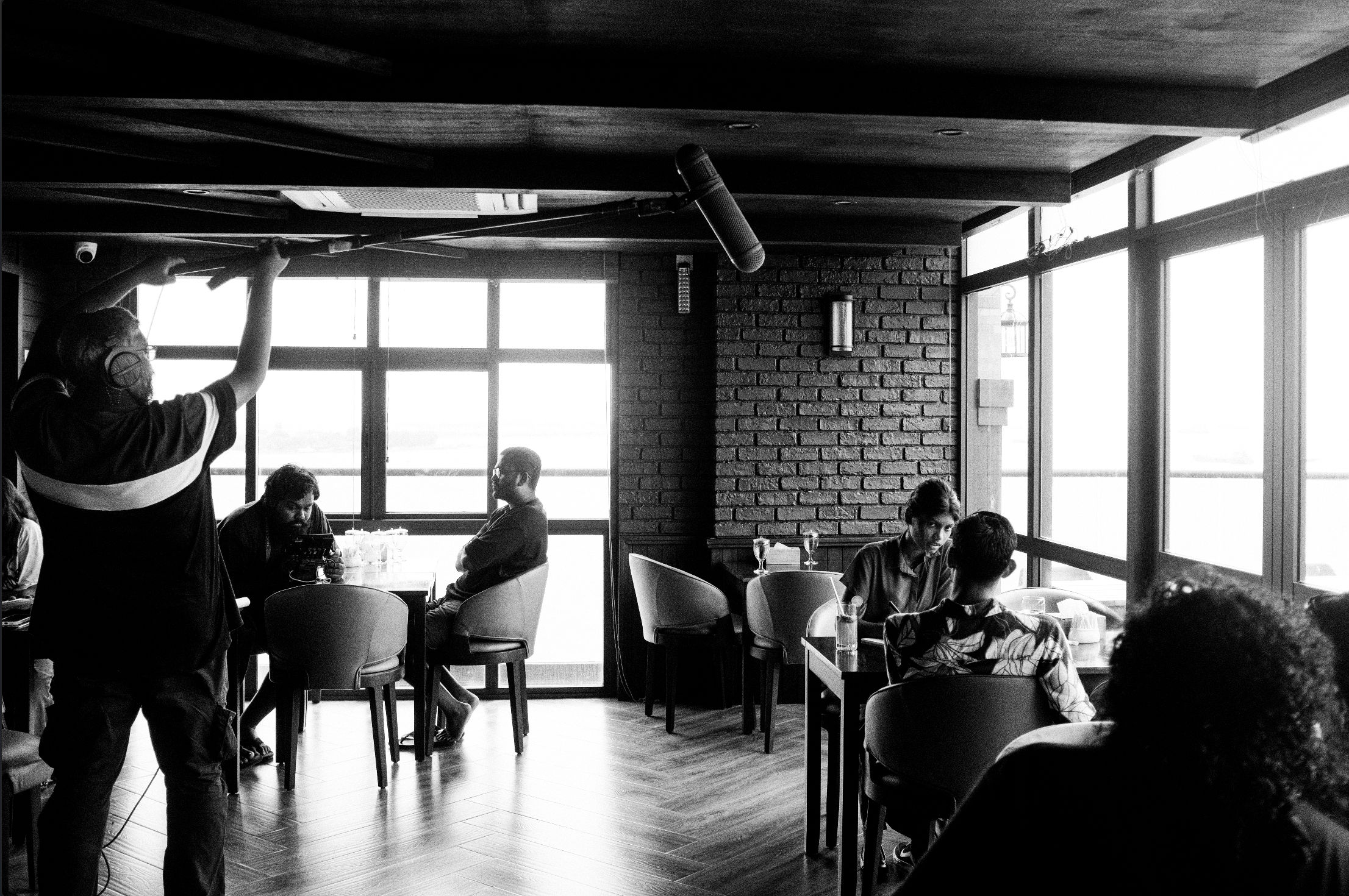
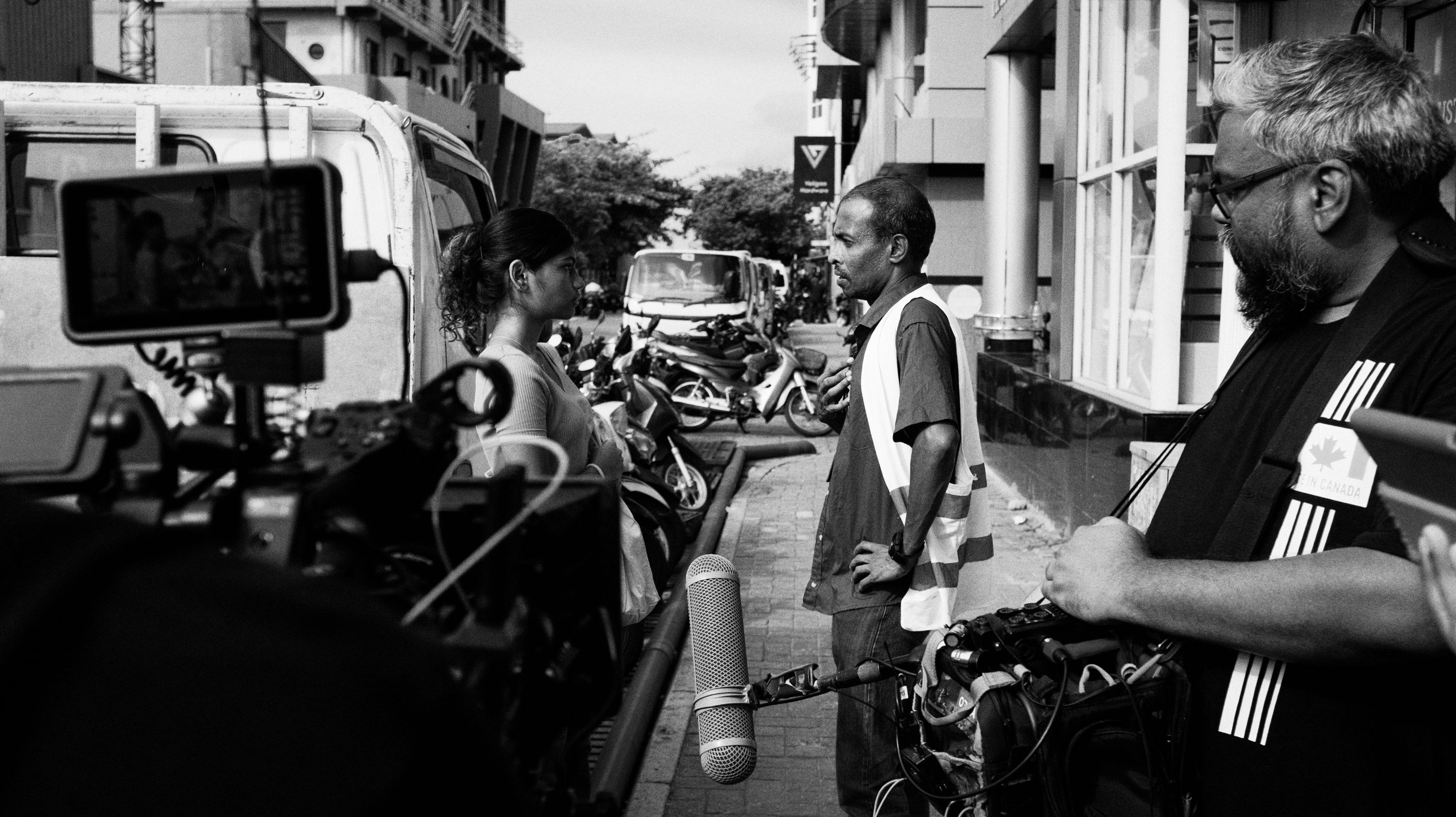
The project also represents the first feature film for Director of Photography Lauh Mohamed, Movanu's long-time collaborator. Having worked together since 2021 and through five years at Shepherd, their creative partnership has evolved through trust and familiarity.
"When we first started, we approached things very differently," Lauh reflects. "Now, we know instinctively how the other will respond to a shot. We still argue creatively, but we respect the process and in the end, we trust the outcome."
This spirit of collaboration extended across departments. Production design was led by Arusham and Irusham, who were responsible for set dressing, prop design, and maintaining visual continuity throughout the shoot, a task more demanding than initially anticipated. Support from Haikal and Shamin proved invaluable, alongside contributions from Rai and Inan. For Arusham and Irusham, Indha had been their only prior experience working on a film, and stepping into a production of this scale was new territory. Observing how Movanu and Lauh navigated creative decisions under tight constraints became a learning process in itself.
"Everyone seemed to fit into their roles naturally," the pair recall. "It was a blend of people who were new to film sets and others who were more experienced. The set dynamics evolved as we went along, figuring things out in real time. It was inspiring to watch people operate within their own departments, making decisions, and express their creativity. It wasn't all smooth sailing – mistakes were made – but working and collaborating in that environment taught us a great deal."
Navigating constraints
Filming in Malé presented a unique set of obstacles.
"Availability of locations and extras was our biggest challenge," says Movanu. Several key locations were only secured days before filming, leaving the team scrambling to dress sets and establish desired lighting under tight deadlines. Coordinating the movement of a 15-person crew and equipment across the city added further strain.
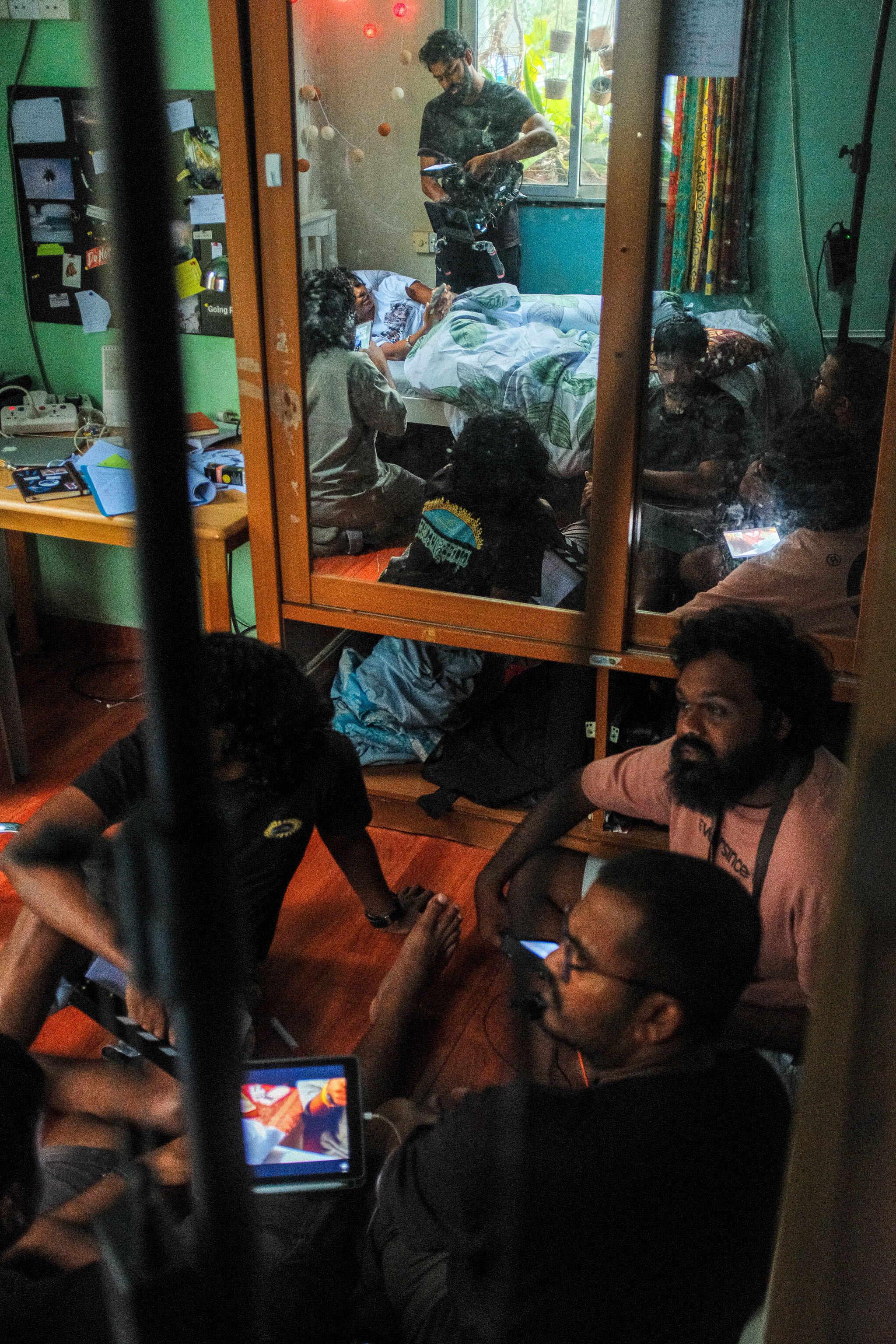
Midway through production, the team was also hit by a wave of Covid, forcing temporary pauses to allow Lana to recover her voice. During these interruptions, the crew adapted by filming B-rolls across Malé and Villingili, or by scouting future locations – making the most of otherwise lost time.
Weather disruptions compounded the difficulty, particularly during outdoor shoots. Several beach scenes in Villingili had to be reshot after sudden changes in weather, including one day where filming was halted before a single take could be completed.
"Every day became a waiting game," Movanu recalls.
These limitations, however, helped shape the film's aesthetic. Restricted access to equipment such as cranes and stabilisers led to a reliance on handheld camerawork, reinforcing the film's naturalistic tone. Lighting choices were similarly deliberate.
"A lot of our lighting imitates natural sunlight," Movanu explains. This emphasis on realism added an organic quality to the imagery, aligning seamlessly with the emotional honesty of the story.
A new direction forward
Coming-of-age films remain relatively rare within the Maldivian film industry. While films such as Loodhifa and Beeveema touch on similar themes, few have followed young characters with such intimacy. Casting challenges and concerns over commercial viability, particularly with unfamiliar faces often deter filmmakers. In today's social media climate, young people are also increasingly hesitant to put themselves in the public eye, fearing ridicule or cancellation. Dhoadhi deliberately moves away from established formulas, eschewing conventional plot-driven frameworks such as action or thriller narratives.
The film's original soundtrack was composed by Simon, who previously created the original soundtrack for Indha, while sound mixing was handled by Ikram, a trusted collaborator in Movanu's previous work.
"When I was growing up, I wanted to watch something I could relate to," says Movanu. "I wanted to make the kind of films I wanted to see." While acknowledging both the flaws and strengths of existing Dhivehi cinema, he sees Dhoadhi as an attempt to change not the industry itself, but the way stories are told.
Lauh describes the film as a gamble, not just for the creators, but for the wider filmmaking community. "If Dhoadhi does well, it opens doors," he says. "Filmmaking is not something many people get the chance to pursue. If one project succeeds, the gate opens for others."
The film's reliance on new faces and its absence of conventional elements may challenge audience expectations, but the team believes change is necessary. "The industry has become comfortable with a formula," Lauh adds. "That's why films start to resemble one another. This is our way of saying something else can work too."
Producer Andhu echoes this sentiment, encouraging audiences to approach the film with openness. "Go watch the movie and be your own judge," he says. "It's made by a young crew, with young voices, telling a story from a young Maldivian perspective."
For Movanu and Lauh, the impact of Dhoadhi need not be immediate. "It doesn't have to be accepted today," says Lauh. "Even ten years from now, it can still matter." Both see the project as part of a longer journey – one defined by risk, growth, and the willingness to make space for others.
"When we were younger, a lot was gate-kept," Movanu says. "We don't want to repeat that."
With plans to conduct workshops, participate in film festivals, and continue mentoring emerging creatives, the team behind Dhoadhi is looking firmly ahead.
The film has already sparked excitement among younger audiences – many of whom may be stepping into Olympus for the first time. In doing so, it stands as both a hopeful gesture and a quiet challenge to the status quo.
And perhaps we are lucky to witness it, this new wave of Dhivehi cinema, a small dhoadhi of light, drifting towards a more expansive creative future.
Dhoadhi premieres on January 28. Tickets are now available at Olympus Cinema.
Discussion
No comments yet. Be the first to share your thoughts!
No comments yet. Be the first to join the conversation!
Join the Conversation
Sign in to share your thoughts under an alias and take part in the discussion. Independent journalism thrives on open, respectful debate — your voice matters.
Support Independent Journalism
Help us keep the news free and fearless
Give once
$
or
Become a memberfrom $5/month