Right to information “in the red” as Maldives government’s secrecy deepens
Not a single ministry met minimum requirements.

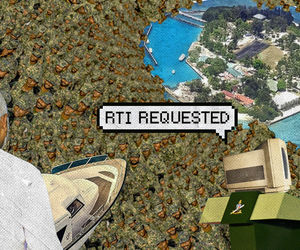
Artwork: Dosain
Timeliness of responses: Only 38 percent of information requests were fully addressed within the legally mandated timeframe. While many authorities acknowledged receipt, the actual release of information often lagged – if it arrived at all. Just 45 percent of requests resulted in full disclosure.
Absence of RTI implementation plans: Not one of the public authorities surveyed had an RTI implementation plan in place. This lack of internal procedure has led to systemic delays and, in some cases, information requests being entirely lost. The report urges public bodies to create formal workflows to ensure efficiency and accountability.
Weakest link: Proactive disclosure remains the most neglected obligation under the RTI framework. A major obstacle is the lack of adequate websites that meet the standards for transparency. Many councils and smaller agencies do not have functioning websites, and those that do often fail to update or organise information in an accessible way. The report called for investment in digital infrastructure as well as alternative means of disclosure where internet access is not feasible.
Reluctance and fear: While officials claimed they faced no explicit pressure to withhold information, RTI practitioners and journalists told a different story. They reported frequent delays, evasive responses, and what appears to be a culture of fear or reluctance to disclose. Journalists, in particular, said they felt targeted, with deadlines often extended arbitrarily and without justification.
Culture of secrecy
Discussion
No comments yet. Be the first to share your thoughts!
No comments yet. Be the first to join the conversation!
Join the Conversation
Sign in to share your thoughts under an alias and take part in the discussion. Independent journalism thrives on open, respectful debate — your voice matters.
Support Independent Journalism
Help us keep the news free and fearless
Give once