

Challenging Gen Z’s political apathy
Political ‘youthquakes’ have rocked Bangladesh, and now Nepal. Are Maldivian youth really as apathetic as many might think?
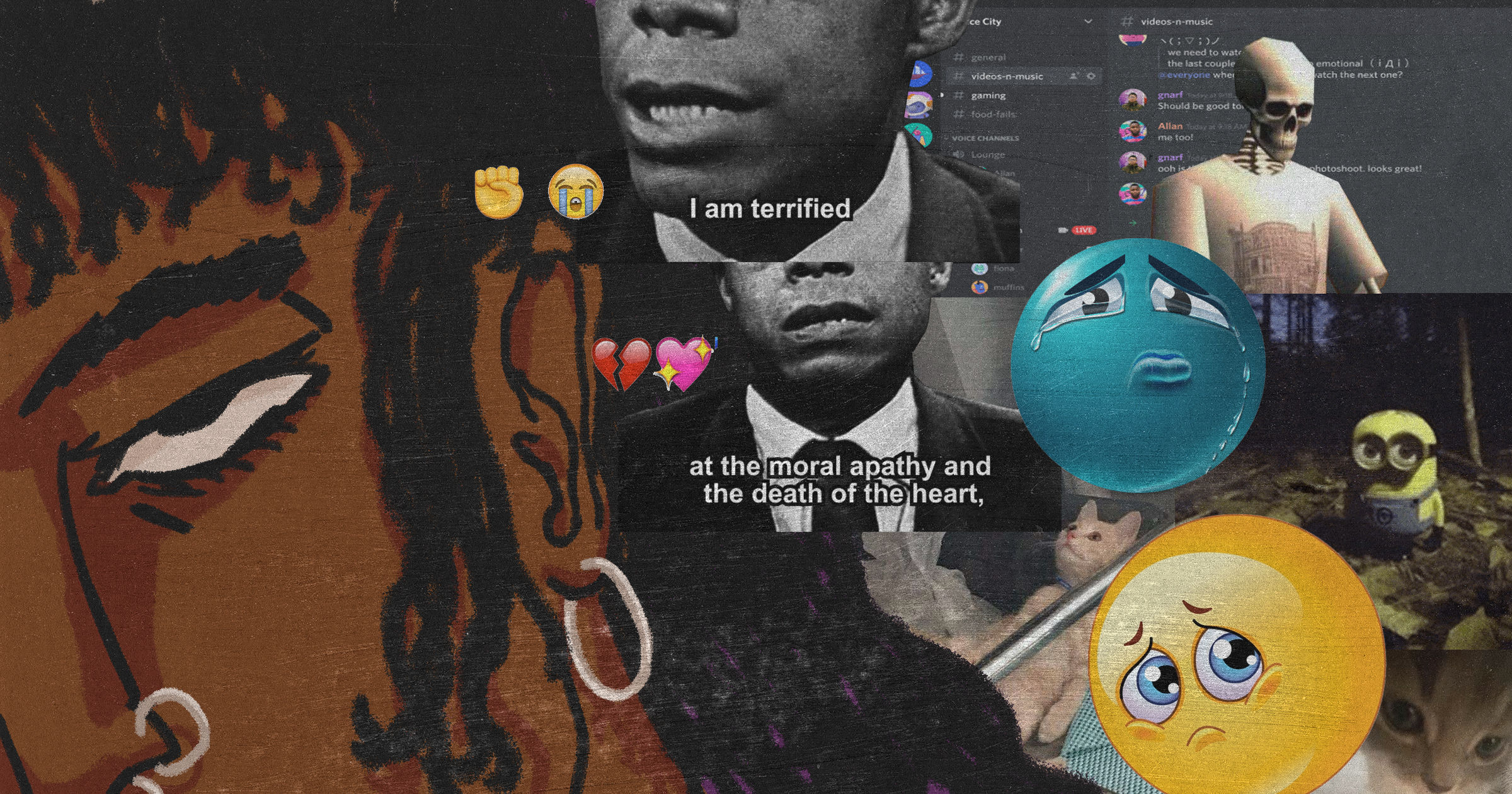
Artwork: Dosain
25 Sep 2025, 15:40
“Lazy”, “incompetent”, "unwilling to contribute to society”... depending on who you ask, these characteristics have been used to describe either Maldivian Gen Z’s, or the Maldivian government.
Generation Z: the group of individuals born between 1997 and 2012 who make up just over 10 percent of the national population. As this demographic of society begins to join the workforce and enter the ‘adult world’, they have become an increasingly hot topic of discussion amongst the older generations who currently inhabit the public sphere. With the nation rapidly facing drastic social and political changes, the government has found their new favourite scapegoat — the entirety of the country’s youth. Take a quick look into Maldives’s history: major sociopolitical shifts have been frequently tied to youth advocacy. Students and youth activists played major roles in the protests leading up to the country’s first free democratic election, the protests following the 2012 coup d’état, and the 2018 presidential elections.
There is no denying that Gen Z is rapidly becoming more politically apathetic with each passing day - they admit it themselves. A recent survey I conducted anonymously online on the topic, using a sample size of 70 participants, showed that less than 15 percent labelled themselves as politically active to any degree. The largest portion of participants (34 percent) declared themselves as not politically active at all. While this may be a small sample, it reflects the broader trends which have been noticed across the country, and may also provide insight on the reasons behind low youth voter turnout. It may be easy to look at these statistics and immediately point fingers, blaming the downfall of our leaders on Gen Z and their lack of interest in politics, but an entirely different story is heard if time is taken to listen to what young people have to say. It may be that most problems stem from not listening to them enough.
Contrary to popular belief this generation, as a whole, is not actually turning a blind eye to the harm of political apathy: 88 percent of those who took part in the survey acknowledged they are not involved enough in the country’s politics, which begs the question of what exactly is preventing their involvement. Most like to attribute it to laziness and disregard, but when youth are asked directly, almost every response highlights a different barrier between youth and our political system that both the government and older generations have failed to address. From loss of faith in the candidates available to them, to familial and societal pressures to conform to certain ideologies, these 70 responses and reasonings would take just as many separate articles to discuss in depth. But narrowing them down to the most common denominators: lack of education and accessibility, lack of tolerance of youth, societal stigmatisation, and the most frequent response: systematic failure.
A strikingly large portion of respondents admitted to being oblivious and even disregarding their current political landscape, but these same people followed up their initial statements with eagerness to become more involved. There was only one issue: most youth in the Maldives have nowhere to learn about politics or the structure of their government. The word ‘politics’ itself has become warped and is a controversial — or even entirely taboo — topic of conversation depending on where you are in the Maldives. Parents and family members tell their children which politicians to avoid and which to support with no actual explanation of their reasoning.
“For a lot of us, growing up, we were taught that talking about politics was taboo… It became ingrained in us before we learned what politics was and what purpose it served, so we simply stayed away and didn’t bother becoming politically active,” said one anonymous participant.
Schools shut down for elections, but refuse to teach their students about their candidates or electoral system. A new generation of voters go into their first elections almost completely blind. It is impossible to know how much information an individual lacks unless they are being taught in the first place, and the older generations and politicians have failed from the offset by refusing to educate their children.
Gen Z acknowledges that they do not know enough about local politics, but they are also not given the space to learn and ask questions. Many participants of the survey recounted stories of being immediately shut down by parents, relatives, teachers and employers alike, immediately as they asked or even brought up the idea of politics.
“No one in power actually tries to… encourage younger generations to get into politics, in fact most of us are taught to hate it,” said another participant.
Respondents identified societal stigmatisation and the rise of ‘cancel culture’ on social media as another major factor discouraging political discussion, alongside lack of education. The Maldives, being as small and interconnected of a community as it is, can be a terrifying place to express even a slightly different opinion to that of societal consensus. With the rise of social media, a large proportion of the youth population have admitted to being afraid of talking about their political beliefs and opinions in case their words get twisted and they receive major backlash online. When the only platform available to discuss politics in the Maldives is X/Twitter, for most people the most logical course of action is not to participate in the discussion at all.
Even in day-to-day life, many of the survey’s participants told stories of families arguing and even being torn apart due to differing political beliefs, leading to the topic of politics or anything relating to it becoming impossible to talk about without risking repercussions from parents or relatives. Other participants highlighted that they work under the threat of penalisation from their employers if any political opinions are expressed either in their workplace or even outside of it. The culture of the Maldives not only stigmatises political involvement, but also political conversation — only emphasised by the controversy around the recent Media Control Bill. This heavily controlled culture surrounding political discussion serves as the perfect foundation to create a generation who want nothing to do with the topic.
That said, there are, evidently, the outliers. Just a few months ago the streets of Malé were flooded with the country’s youth, vehemently protesting for a reform of the police. With the rise of scrutiny on social media also came the increase of activism and educational videos and infographics — mainly spearheaded by Gen Z. The existence of these extremely vocal anomalies raises the next question of why other Gen Z’s do not exhibit the same behaviour and enthusiasm. If these people are able to engage in politics with so much passion, what does that say about the existence of the previously mentioned problems with society?
Another major barrier is the intolerance for young people’s opinions, much less their ability to make political decisions. Many have expressed frustration with the fact that whenever they voice their views, they are instantly shut down by family members and politicians alike due to being “too young” to have a significant opinion. A large number of participants expressed concern that there are not enough younger politicians in the government, or enough spaces for youth to officially provide input and participate in decision making. For these reasons, it is worth questioning whether Gen Z is truly apathetic, or is rather being systematically silenced.
It would be impossible to cover every issue brought up during the survey in a single article. That said, a vast majority of them are contingent upon a singular root problem: systematic failure. The one thing all 70 participants in the survey brought up was their disbelief and disrespect towards the governing system on which our nation was built.
“We need something better to vote for than the lesser evil all the time,” said one participant.
Many others condemned politicians’ inconsistencies with policies, promises and even ideologies; denounced the government’s custom of appointing people with forged degrees rather than truly educated and experienced professionals; criticised the culture of nepotism in all arms of the government; and so on and so forth. A few participants also brought up the issue of housing and centralisation of the nation. Centralisation leads to a myriad of problems across the entire country. On the one hand, citizens in more distanced islands are isolated from the public and political ongoings in the capital, while on the other, people who do live in Malé city are constantly battling increasing rent prices, overcrowding, and generally subpar living conditions. One participant noted that most people living in Malé are “simply too preoccupied surviving… the general population remains preoccupied with making ends meet as rent prices remain out of control and food costs skyrocket.”
Taking the time to understand the reason a problem exists is the first step to finding a solution. The second is creating a plan of action. Gen Z has known the reasons why they have not been willing to participate in politics this entire time, and (while a vast majority agreed the government is in need for a drastic reform) they have also come up with suggestions and potential action plans that could help more youth engage in the future. Taking suggestions from the youth directly on how to give them the space and opportunity to get involved could serve as an effective starting point.
Most participants in the survey eagerly suggested education programs teaching children and the general public about the branches of the government, electoral systems, basics on each of the political parties available to vote for, and how the government’s decisions actually affect citizens on a daily basis. Along the same lines of education were all the requests to make information on political decisions and ongoings more accessible to youth through social media and unbiased news reports, which would hopefully come alongside the destigmatisation of political conversation and involvement. Many also strongly advocated for platforming youth in official spaces, including them in the ministry, giving younger politicians a chance before writing them off because of their age, and addressing issues relevant to younger generations. The same sentiment is backed by Catherine Haswell, the UN Resident Coordinator in Maldives. Haswell led the design of the UN Maldives Youth Strategy, which places Maldivian youth at the heart of development efforts by the United Nations. “
Young Maldivians are burning with creative ideas on how to do things better. We just need to give them the spotlight and listen to the leaders of the future,” she said.
Most importantly, Gen Z asks for older generations to simply show that they care. The current narrative whenever Gen Z’s are brought up in conversation is one of disdain and contempt, and it is near impossible to want to work alongside people who only see the generalised negatives of a whole generation. If the people in power shift to a more positive narrative about the country’s youth, and actively showcase their willingness to provide for and support them as they grow into the generation that will soon take over from them, more people would be willing to work alongside the government.
All comment pieces are the sole view of the author and do not reflect the editorial policy of the Maldives Independent. If you would like to write an opinion piece, please send proposals to editorial@maldivesindependent.com.
Discussion
No comments yet. Be the first to share your thoughts!
No comments yet. Be the first to join the conversation!
Join the Conversation
Sign in to share your thoughts under an alias and take part in the discussion. Independent journalism thrives on open, respectful debate — your voice matters.
Support Independent Journalism
Help us keep the news free and fearless
Give once
$
or
Become a memberfrom $5/month

